Agriculture›
 Apparel and fashion accessories›
 Construction & real estate›💡Electronic & Electrical›🍎Food & Beverages›🛋️Home furnishing & supplies›⚗️Industrial goods & chemical›🪨Minerals & metals›📦Miscellaneous›Agriculture›Apparel and fashion accessories›Construction & real estate›💡Electronic & Electrical›🍎Food & Beverages›🛋️Home furnishing & supplies›⚗️Industrial goods & chemical›🪨Minerals & metals›📦Miscellaneous›
Sinty Sci-tech Co., Ltd. Product Catalog



About Sinty Sci-tech Co., Ltd. - Fabric and Raw Material Supplier in China
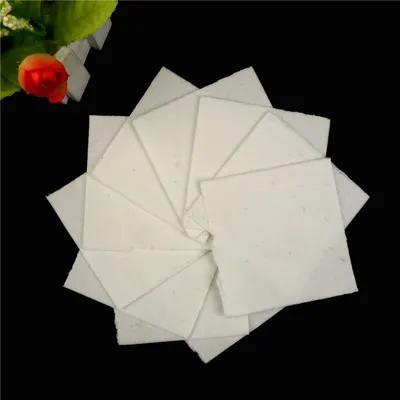
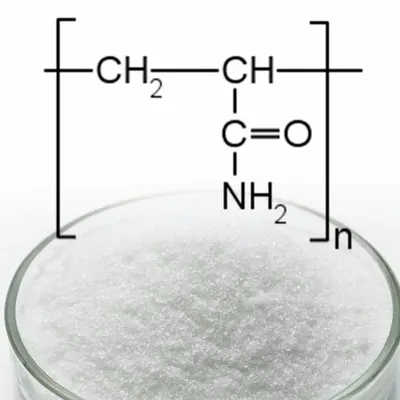
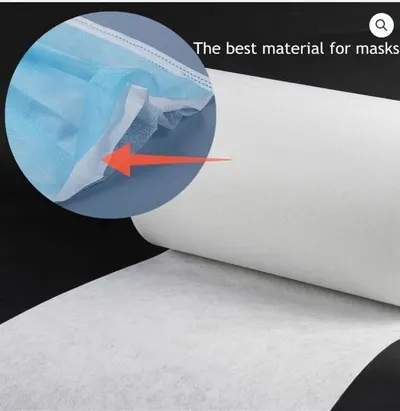
Sinty Sci-tech Co., Ltd. is based in China and currently lists six active products across several industrial categories. The catalogue includes a PP1500 polypropylene grade for meltblown fabric production, a 75 % ethanol solution formulated for hand‑sanitising applications, and a Kunlun fully refined paraffin wax intended for candle manufacturing. Additional offerings are a 100 % organic soy wax (HS 1521.90) derived from Glycine max, a diethyl carbonate (DEC) electrolyte for lithium‑ion batteries (HS 2917.19, electronic grade 99.9 % purity), and a polycarboxylate ether (PCE) superplasticizer for concrete (HS 3824.40). The product list spans polymer raw material, chemical disinfectant, waxes for candle making, battery electrolyte, and construction admixtures, each identified by its respective HS‑code family. The six items reflect a focus on specialty chemicals and polymer‑based inputs rather than finished consumer goods. All entries are presented with material specifications such as polymer type, ethanol concentration, or purity level, which are typical data points required for bulk sourcing. No additional product lines or services are mentioned beyond the items enumerated in the catalogue.
Product Range and Specialties of Sinty Sci-tech Co., Ltd.
The polypropylene offering, PP1500, is positioned for meltblown fabric lines used in filtration media. In the meltblown sector, grades are often selected by melt flow index (MFI) ranging from 5 to 30 g/10 min and by isotacticity that influences fiber strength. The 75 % alcohol disinfectant aligns with WHO-recommended hand‑rub formulations, where ethanol purity is usually above 96 % before dilution to 75 % v/v, and the solution must meet limits on methanol and impurity residues. The wax portfolio includes a fully refined paraffin wax and a 100 % organic soy wax (HS 1521.90). Paraffin wax for candles typically exhibits a melting point between 52 °C and 60 °C, an iodine value below 10, and a flash point above 200 °C, while soy wax is valued for a lower melting range (45‑55 °C) and a higher cloud point, often tested to ASTM D6866 for bio‑based content. The diethyl carbonate electrolyte (HS 2917.19) is supplied at electronic grade 99.9 % purity, matching the high‑purity specifications (≤10 ppm water, ≤5 ppm metal ions) required for lithium‑ion cell production. Finally, the HPEG/TPEG‑based PCE superplasticizer (HS 3824.40) conforms to concrete admixture standards such as ASTM C494, with typical dosage rates of 0.2‑0.5 % by cement weight and water‑reduction efficiencies of 15‑30 %.
Frequently Asked Questions About Sinty Sci-tech Co., Ltd.
What HS codes are associated with the wax products listed by Sinty Sci-tech?
The 100 % organic soy wax is classified under HS 1521.90, which covers other waxes not elsewhere specified. The paraffin wax for candle making falls under the broader HS 1521 chapter for waxes and waste wax.
Which certifications should a buyer request for the diethyl carbonate electrolyte?
Buyers should request a Certificate of Analysis showing 99.9 % purity, a REACH registration excerpt, and compliance documents for UN 38.3 and IEC 62133, which are standard for lithium‑ion battery electrolytes.
What typical purity or concentration specifications apply to the 75 % alcohol disinfectant?
The ethanol solution should be 75 % v/v with ethanol purity above 96 % before dilution, methanol content below 0.5 % and a pH between 6.5 and 7.5, matching WHO hand‑rub guidelines.
How is the PP1500 polypropylene grade typically evaluated for meltblown applications?
Evaluation focuses on melt flow index (MFI) in the range of 5‑30 g/10 min, density around 0.90‑0.92 g/cm³, and isotacticity that ensures fiber strength and uniformity in meltblown processes.
What are common packaging formats for the PCE superplasticizer?
The superplasticizer is usually supplied in sealed polyethylene drums or 20‑ft containers with moisture‑proof liners, and each package is labeled with HS 3824.40 and a safety data sheet.
 China
Related Suppliers & Products
Explore similar suppliers, related products and trending categories