Silver Engineer — Supplier
About Silver Engineer - Aluminum Foils Supplier in China
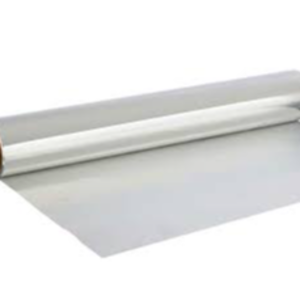
China‑based Silver Engineer lists eight active products across two primary categories: Aluminum Foils and Light & Medium Machinery. The catalogue includes raw aluminum foil, a range of aluminium foil container moulds, and several types of automatic foil‑forming machines, each identified with specific HS‑code families such as 7612.90 for foil containers, 8480.41 for container moulds, and 8479.89 for production equipment. The supplier’s product set therefore covers both the material (aluminium alloy grades 3003, 8011, 1235) and the tooling required to manufacture foil‑based packaging.
Product Range and Specialties of Silver Engineer
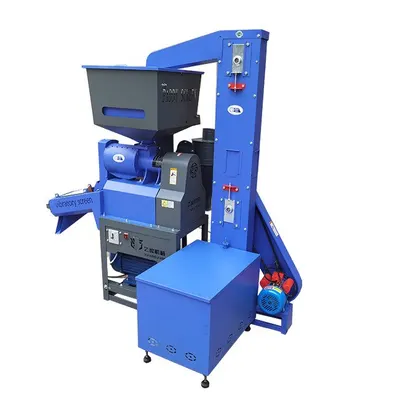
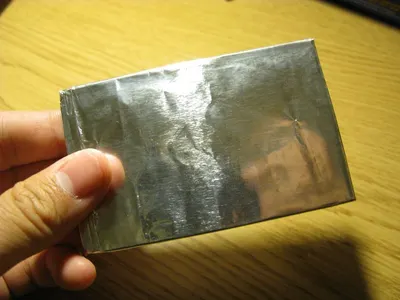
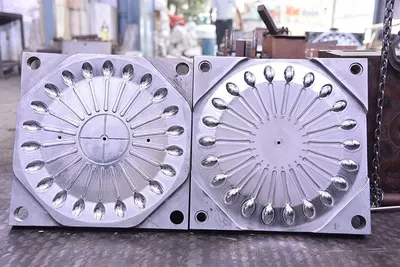
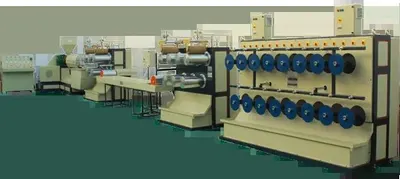
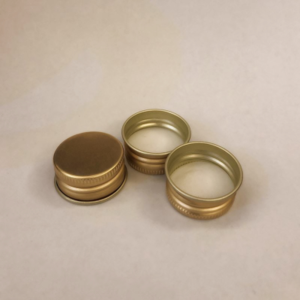
The product portfolio comprises standard Aluminum Foil sheets, Aluminum Foil Containers, and three mould types - Round Foil Container Mould, Aluminum Foil Container Mould (HS 8480.41, hardened P20 tool steel) and Aluminium Foil Cake Cup Mould (HS 7607.11, food‑grade aluminium alloy 8011/1235). Machinery entries include an Automatic Aluminium Foil Container Machine, an Automatic Aluminum Foil Container Production line (HS 8479.89, steel frame with aluminium moulds) and an Alu‑Foil Container Making Machine. In the aluminium‑foil market, buyers typically encounter grades 3003 and 8011 with thicknesses ranging from 0.02 mm to 0.2 mm, tensile strength around 150 MPa, and surface finishes suitable for food contact. Moulds of P20 steel are normally hardened to 45‑55 HRC and feature precision tolerances of ±0.02 mm, while packaging machinery is often rated for 20‑30 kg h‑1 production rates and shipped in 20‑ft or 40‑ft containers.
Trade and Export Information - Silver Engineer
China is a leading exporter of aluminium foil packaging and related processing equipment. HS 7612.90 aluminium foil containers are commonly imported by food‑service, confectionery and bakery manufacturers in Europe, North America and Southeast Asia, while HS 8480.41 moulds and HS 8479.89 machines are sought by firms upgrading automated packaging lines. Buyers usually require ISO 9001 quality‑management certification for the machinery, ISO 22000 or FDA food‑safety compliance for foil and moulds, and CE marking for equipment destined for the EU. Standard export logistics involve FOB or CIF terms from major Chinese ports, palletised cartons for foil sheets and wooden crates for machines, with container loads of 20 ft (≈1 ton foil) to 40 ft (≈2 tons) for bulk shipments.
Sourcing from Silver Engineer - Buyer Guidance
When sourcing aluminium foil, request a mill test certificate that details alloy composition (e.g., Al‑Mn 3003 or Al‑Mg‑Si 8011), thickness tolerance and tensile strength. For moulds, ask for a hardness report (HRC) and a dimensional inspection report confirming the 45‑55 HRC range and ±0.02 mm tolerance. Machinery buyers should obtain the ISO 9001 certificate, CE declaration of conformity and a functional test report describing production capacity and power consumption. Verify that the HS code on the commercial invoice matches the product description, confirm the minimum order quantity - typically a full container load for foil and a single unit for machines - and allow 2‑4 weeks for foil production and 8‑12 weeks for complete machine assembly.
Frequently Asked Questions About Silver Engineer
What aluminium alloys are used for the foil containers?
The foil containers are produced from aluminium alloy grades 3003 and 8011, which are standard for food‑contact packaging and provide good formability and corrosion resistance.
Which hardness is required for the aluminium foil container moulds?
The moulds are made from hardened P20 tool steel and are typically hardened to 45‑55 HRC, a range that balances wear resistance with machinability.
What certifications should I request for the automatic foil‑forming machines?
Buyers normally request ISO 9001 for quality management, CE marking for EU market compliance, and a functional test report that outlines production capacity and power specifications.
How is the aluminium foil packaged for export?
Foil sheets are usually packed in bulk cartons, stacked on wooden pallets, and loaded into 20‑ft containers; larger shipments may use 40‑ft containers to optimise freight costs.
What are the typical HS codes for the products listed?
HS 7612.90 applies to aluminium foil containers, HS 8480.41 to aluminium foil container moulds, HS 7607.11 to aluminium foil cake cup moulds, and HS 8479.89 to automatic aluminium foil container production equipment.
What sample documentation is advisable before placing a full order?
Request a mill test certificate for the foil alloy, a hardness and dimensional inspection report for moulds, and a pre‑shipment inspection report for machines, together with any relevant food‑safety or CE compliance documents.
What are the typical lead times for foil versus machinery?
Standard aluminium foil production lead times are 2‑4 weeks, while fully assembled automatic foil‑forming machines generally require 8‑12 weeks from order confirmation to shipment.
Are there any specific packaging requirements for the moulds?
Moulds are usually crated in wooden boxes with protective padding, labelled with the HS 8480.41 code, and secured on pallets to prevent movement during sea freight.




 , China


.jpg.png)