Agriculture›
 Apparel and fashion accessories›
 Construction & real estate›💡Electronic & Electrical›🍎Food & Beverages›🛋️Home furnishing & supplies›⚗️Industrial goods & chemical›🪨Minerals & metals›📦Miscellaneous›Agriculture›Apparel and fashion accessories›Construction & real estate›💡Electronic & Electrical›🍎Food & Beverages›🛋️Home furnishing & supplies›⚗️Industrial goods & chemical›🪨Minerals & metals›📦Miscellaneous›
Plastech Co., Ltd. Product Catalog







About Plastech Co., Ltd. - Flexible Packaging Bags Supplier in Viet Nam
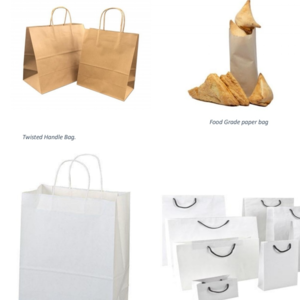
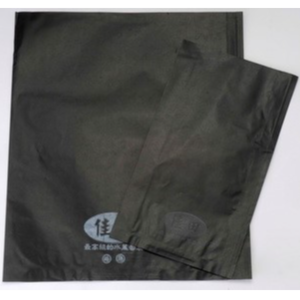
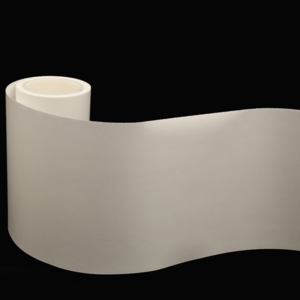
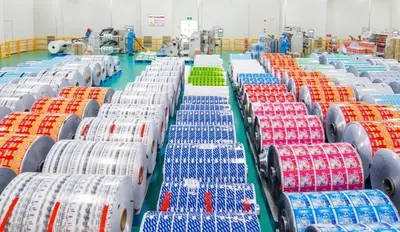
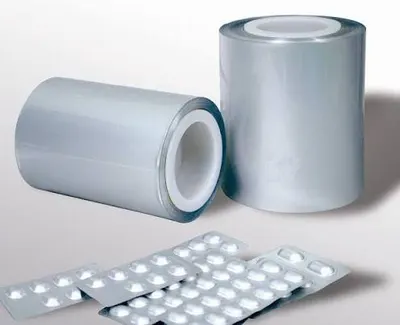
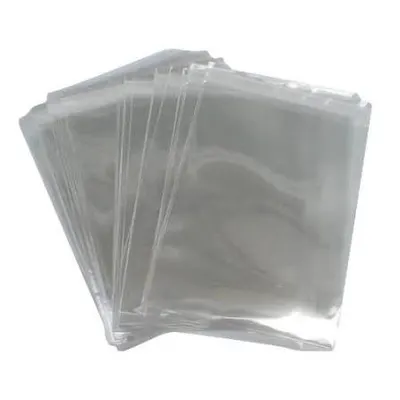
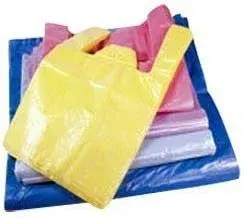
Vietnam hosts Plastech Co., Ltd., which currently lists 23 active products across a spectrum of packaging and coconut‑derived goods. The catalogue spans Kraft paper items, bar‑type products, flexible packaging bags, desiccated coconut, coconut oil, plastic carrier bags, laminates and paper bags, reflecting the top categories recorded for the supplier. Specific entries include Retort Bags, Anti Fog Bags, Spout and Shaped Bags, PET trays for fresh produce, disposable paper cups, various side‑gusset and flat‑bottom bags, and a range of flexible films such as antistatic and shrink films. The list also covers coconut commodities such as desiccated coconut, canned coconut milk, fresh mature coconut and coconut oil, together with plastic carrier and liner bags. One product, Aluminum Foil Paper, is identified with HS code 7607.11 and described as made from Aluminum Alloy 8011 (Grade A).
Product Range and Specialties of Plastech Co., Ltd.
The product list concentrates on food‑grade packaging solutions, beginning with retort and anti‑fog bags that are typically fabricated from multi‑layer polyethylene‑oriented polypropylene laminates designed to withstand high‑temperature sterilisation. In the flexible film segment, antistatic and shrink films are usually supplied in gauges from 15 µm to 100 µm, with moisture content below 0.5 % and tensile strength above 20 MPa, meeting specifications such as ASTM D882. Kraft paper offerings such as MG Kraft Paper for bags, ribbed Kraft and windowed Kraft paper generally fall in the 70‑120 gsm range, with burst strength measured by TAPPI T494 and a moisture level around 6‑8 %. Coconut products follow standard food‑grade parameters: desiccated coconut is often graded to a moisture content of ≤6 % and a particle size of 1‑3 mm, while coconut oil is typically refined to a free‑fat level of ≥99 % and an iodine value of 6‑8. The aluminum foil paper, classified under HS 7607.11, is commonly produced in thicknesses of 0.02‑0.05 mm and used for barrier layers in multilayer packaging.
Frequently Asked Questions About Plastech Co., Ltd.
What types of flexible packaging films does Plastech Co., Ltd. offer?
The catalogue includes antistatic bags, shrink sleeve labels, PE and POF shrink films, and flexible packaging film for food items. These films are typically supplied in gauges from 15 µm to 100 µm and meet ASTM D882 tensile standards.
Are the Kraft paper products suitable for food packaging?
Kraft paper items such as MG Kraft Paper for bags, ribbed Kraft and windowed Kraft paper are produced in the 70‑120 gsm range with burst strength tested to TAPPI T494, making them appropriate for secondary food packaging when combined with a barrier liner.
What certifications should a buyer request for the coconut oil?
Buyers should request a Certificate of Analysis showing free‑fat content of ≥99 % and an iodine value of 6‑8, together with any relevant food‑safety certifications such as FDA food‑contact approval or ISO 22000 audit reports.
How is the Aluminum Foil Paper classified for customs?
The Aluminum Foil Paper is listed with HS code 7607.11 and is described as Aluminum Alloy 8011 (Grade A). Customs documentation should reference this HS code and indicate the product’s thickness, usually 0.02‑0.05 mm.
What packaging formats are used for the desiccated coconut?
Desiccated coconut is commonly packed in 20 kg polypropylene bulk bags or food‑grade 1‑ton drums, with moisture content verified at ≤6 % and particle size between 1‑3 mm.
 Viet Nam
Related Suppliers & Products
Explore similar suppliers, related products and trending categories