Shenzhen Musen Industry Co., Ltd. — Supplier
About Shenzhen Musen Industry Co., Ltd. - Aluminum Foils Supplier in China
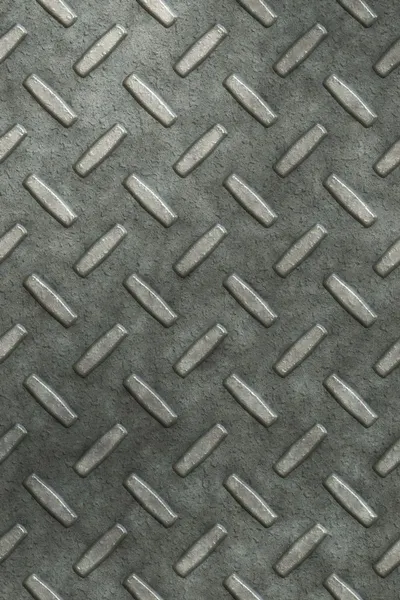
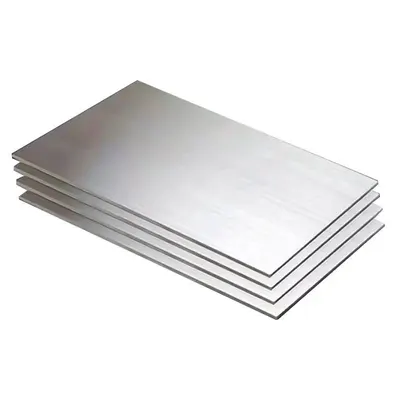
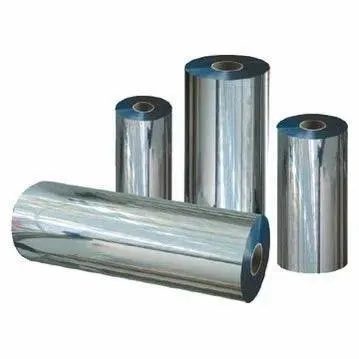
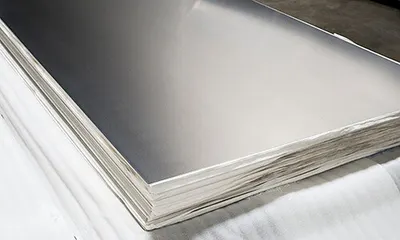
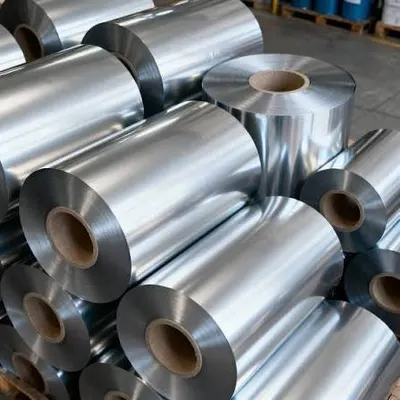
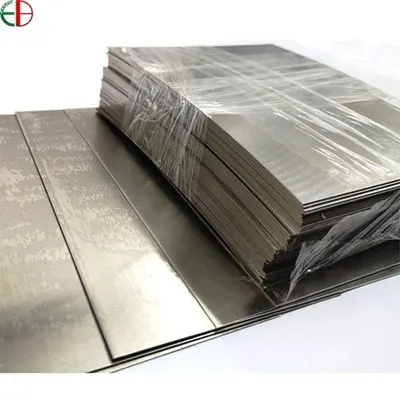
Shenzhen Musen Industry Co., Ltd. is located in Shenzhen, Guangdong Province, China and currently lists 12 active aluminium products in its catalogue. The portfolio covers aluminium sheets, plates, foils and specialised chequered sheets, with HS codes primarily in chapter 76 - 7606.12 for sheets and plates and 7607.11 for foil products. Materials include standard aluminium alloys such as 1100, 3003, 5052, 5083 and the heat‑treated 6061‑T6 grade. The catalogue also mentions aluminium foil thicknesses of 5 µm and 7 µm supplied in jumbo rolls for industrial use. Products are described for applications ranging from kitchen packaging to pharmaceutical and medical caps.
The sheet listings specify alloy compositions - for example 1100 alloy with a minimum of 99.0 % aluminium, and 3003/5052/5083 alloys used for chequered sheets. Plate entries list 6061‑T6 alloy in thicknesses of 10 mm, 12 mm, 15 mm, 20 mm and 25 mm. Foil entries reference alloy 8011 (and 1235) with purity between 99.0 % and 99.5 % for household and kitchen use, and soft‑annealed grades for pharmaceutical packaging. All products fall under the HS code families 7606.11, 7606.12 and 7607.11 as recorded in the supplier’s data.
Product Range and Specialties of Shenzhen Musen Industry Co., Ltd.
The catalogue contains aluminium sheets produced from alloys 1100, 3003, 5052, 5083 and 6061‑T6, which correspond to the common ASTM B209 specification for sheet and plate. Typical commercial thicknesses for these sheets range from 0.5 mm to 6 mm, with widths up to 2 m, and surface finishes such as bright, matte or chequered as indicated for the three‑bars and five‑bars designs. Aluminium plates of 6061‑T6 are offered in standard thicknesses of 10 mm to 25 mm, matching the ASTM B221 standard for extruded profiles.
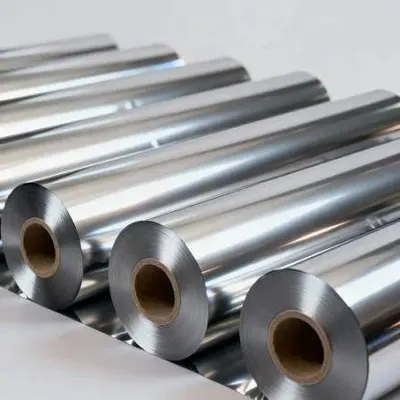
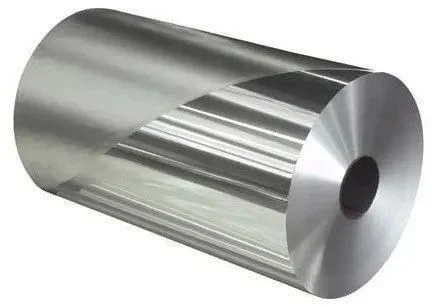
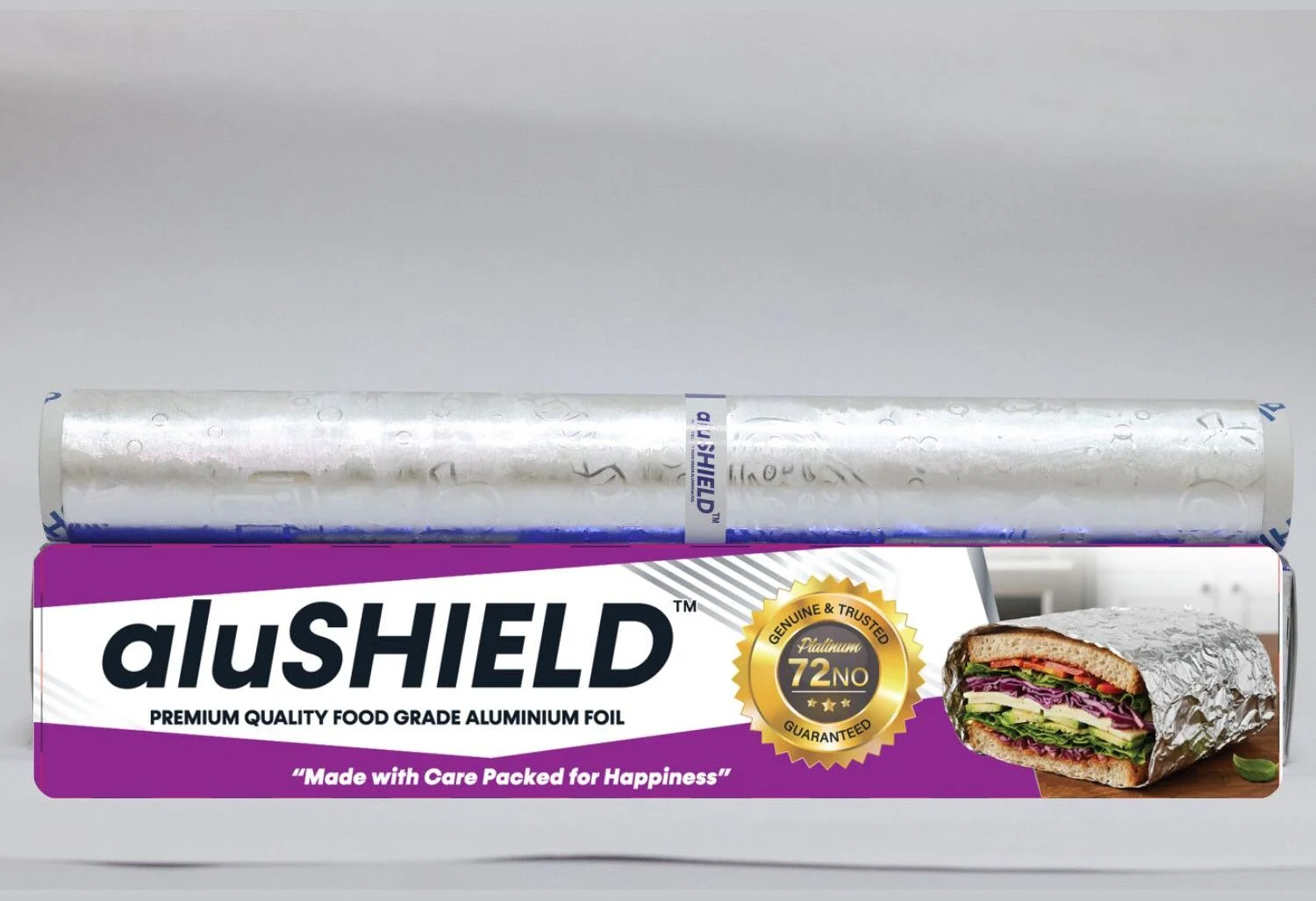
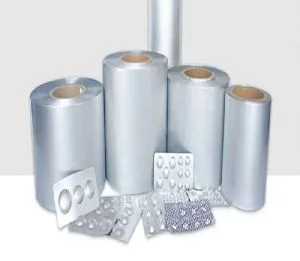
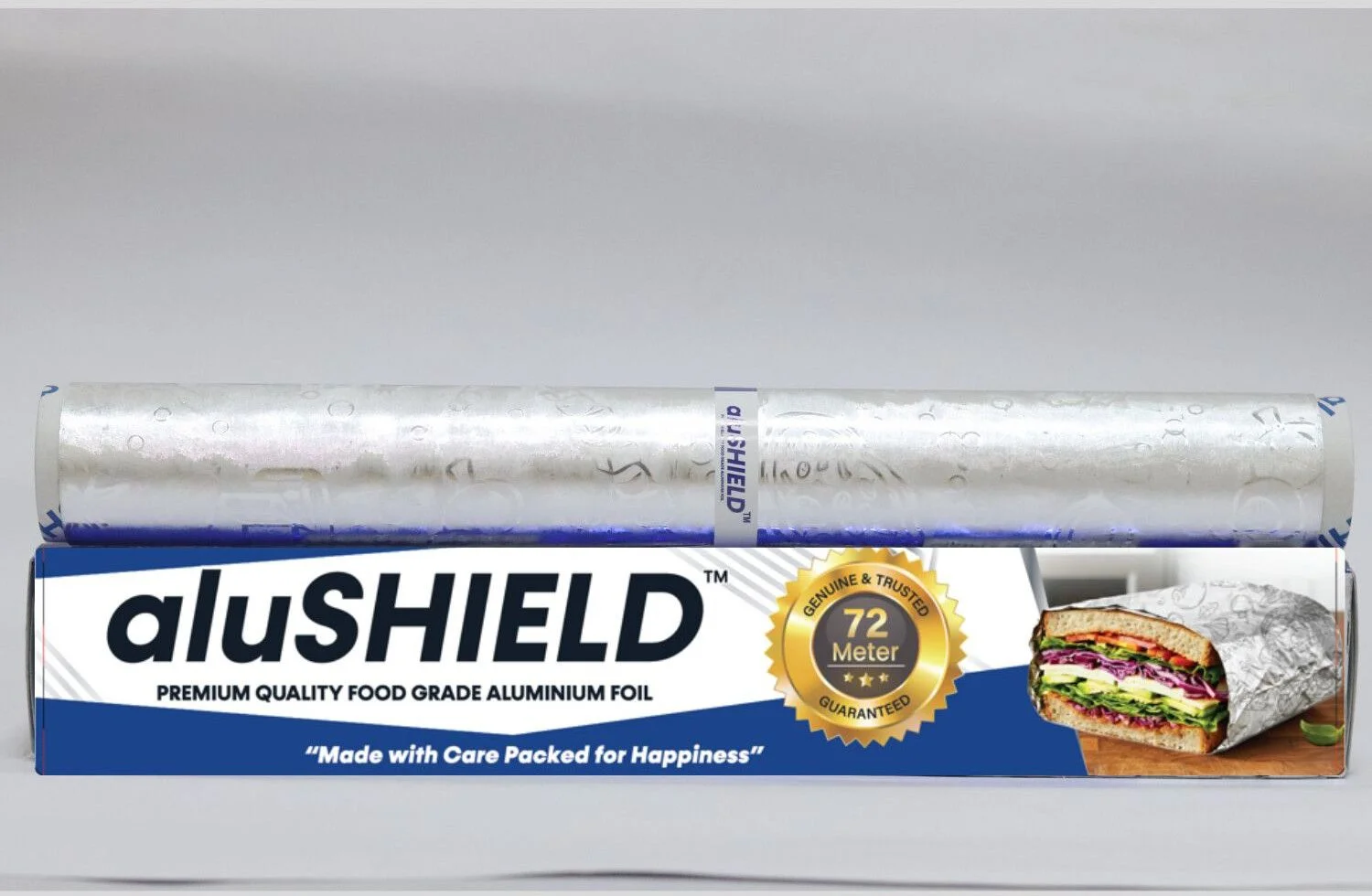
Foil products are supplied in alloy 8011 or 1235, grades that meet FDA food‑contact requirements and are commonly tested to ISO 9001 quality management. Household and kitchen foils are typically rolled to 5 µm or 7 µm thickness and shipped in jumbo rolls of up to 2 m width, while pharmaceutical packing foil uses soft‑annealed 8011/1235 with low tensile strength for easy tearing. The product range therefore aligns with industry expectations for thickness, purity, and surface treatment across the aluminium foil market.
Trade and Export Information - Shenzhen Musen Industry Co., Ltd.
China is one of the world’s largest exporters of aluminium sheets, plates and foils, with HS chapter 76 codes 7606 and 7607 covering the bulk of trade. Major import markets include the United States, European Union, Southeast Asian nations and the Middle East, where aluminium is used in construction, packaging, automotive and medical device sectors. Export shipments typically use 20‑ft or 40‑ft containers for sheets and plates, and bulk rolls on pallets for foil, with common Incoterms such as FOB Shenzhen or CIF destination port.
Buyers of aluminium sheet and plate often require compliance with ASTM B209, ASTM B221 and ISO 9001 certification, while foil purchasers usually request food‑grade certifications (FDA, EU‑Regulation 1935/2004) and mill test reports confirming alloy composition and tensile strength. Chinese aluminium exporters also frequently provide phytosanitary or customs inspection certificates where required by the destination country. Requesting these documents early helps align with the regulatory environment of the target market.
Sourcing from Shenzhen Musen Industry Co., Ltd. - Buyer Guidance
When sourcing from Shenzhen Musen Industry, buyers should request mill certificates that detail the exact alloy designation, chemical composition and mechanical properties such as tensile strength and elongation for each sheet or plate grade. For foil, a food‑contact compliance statement and a test report on thickness uniformity and surface cleanliness are standard verification items.
It is advisable to confirm the packaging format - jumbo roll dimensions for foil or palletised sheets - and to verify the HS code declared for customs clearance (7606.11/12 for sheets and plates, 7607.11 for foil). Sample orders of the specified thickness and alloy allow verification of surface finish, dimensional tolerance (±0.2 mm for thickness) and any required chequered pattern before committing to larger volumes.
Frequently Asked Questions About Shenzhen Musen Industry Co., Ltd.
What aluminium alloy grades are available in sheet form?
The supplier lists sheets made from alloys 1100, 3003, 5052, 5083 and heat‑treated 6061‑T6, each complying with the ASTM B209 specification.
What thickness options exist for the aluminium plates?
Plates of alloy 6061‑T6 are offered in standard thicknesses of 10 mm, 12 mm, 15 mm, 20 mm and 25 mm, covered by HS code 7606.12.
Which HS codes apply to the foil products?
All aluminium foil items are classified under HS code 7607.11, which covers rolled aluminium foil of various alloys.
What purity levels are specified for kitchen‑use aluminium foil?
Kitchen foil is produced from alloy 8011 with a stated aluminium purity of 99.0 % to 99.5 %.
What certifications are typically required for food‑contact aluminium foil?
Buyers usually request FDA food‑contact approval, EU Regulation 1935/2004 compliance and a mill test report confirming alloy composition and thickness tolerance.
What are the common packaging formats for the supplier’s aluminium products?
Sheets and plates are shipped flat on wooden pallets, while foil is supplied in jumbo rolls up to 2 m wide and packed on pallets for container loading.
What is the usual minimum order quantity and lead time for a new buyer?
Standard practice for aluminium sheet and foil exporters from China is a minimum order of one container (approximately 15‑20 tons) with a lead time of 30‑45 days after order confirmation, subject to production scheduling.




 , China