Sharmila Exports — Verified Supplier

About Sharmila Exports - Coconut Oil Supplier in India

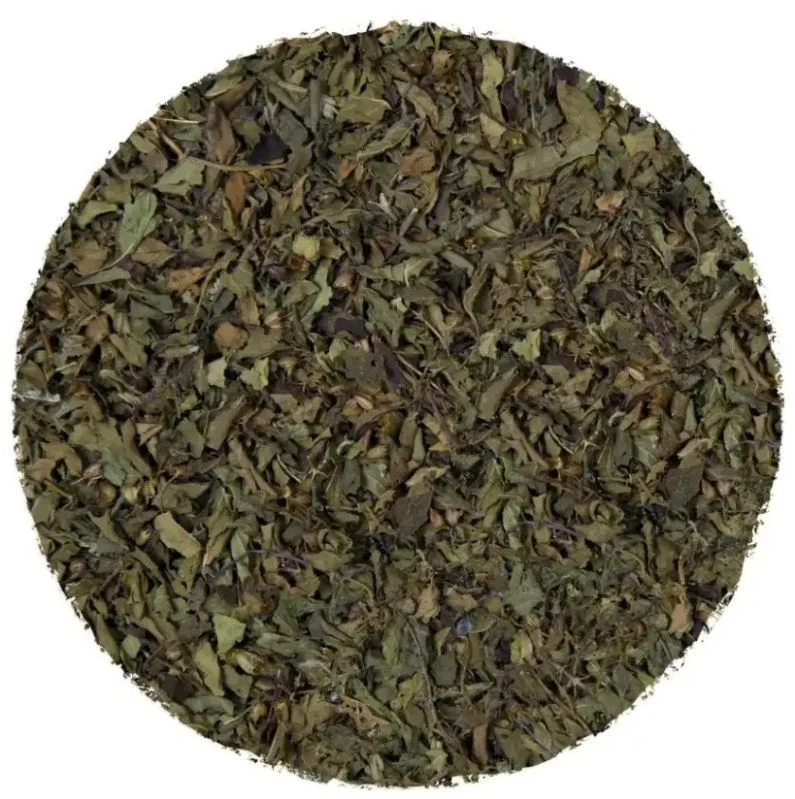
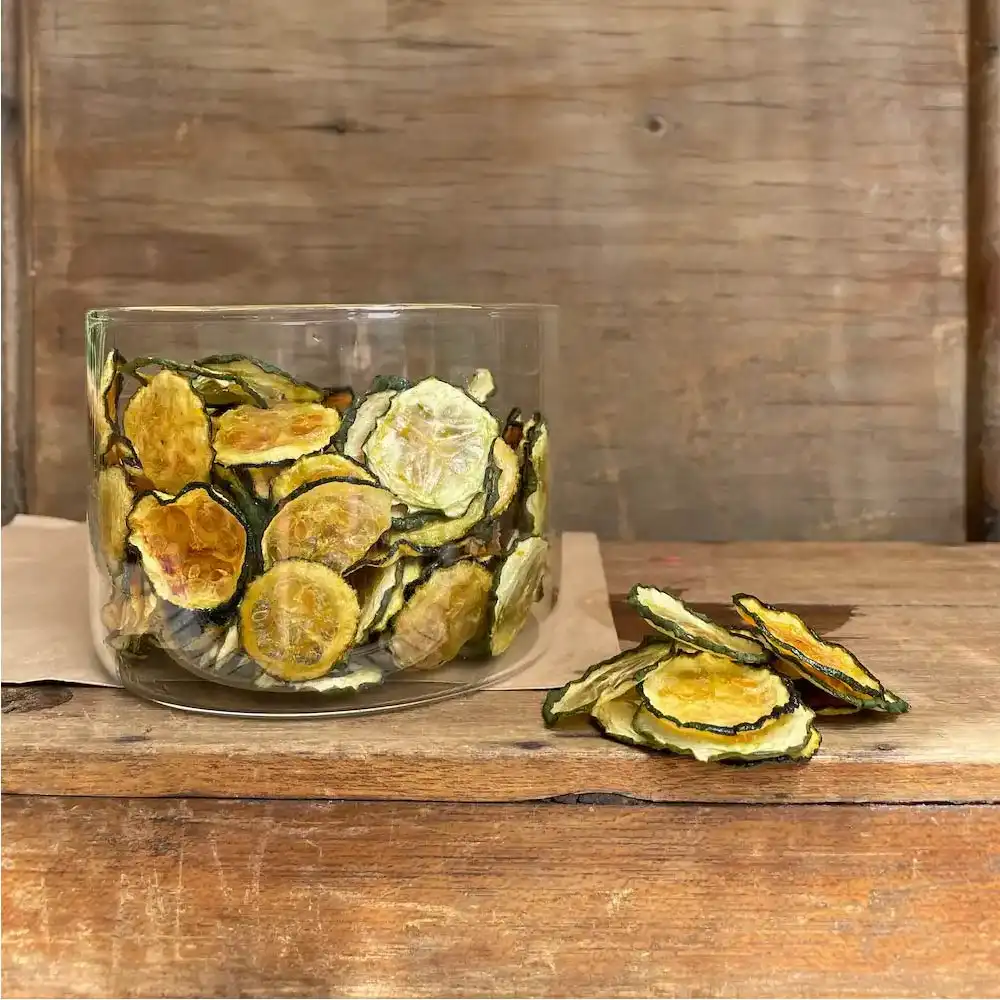
India‑based Sharmila Exports currently lists 27 active products across several agricultural and textile categories. The catalogue includes Tender Coconuts, Dry Coconut (Copra), Edible Coconut Oil, Virgin Coconut Oil, Husked and Dehusked Coconuts, as well as Basmati Rice (HS 1006.30) and Bay Leaf (HS 0910.99). Other items are Fresh Fruits, Fresh Vegetables, Red Chilli, Turmeric, Green Cardamom, Black Pepper, Cashew Nut, Groundnut Seeds, and a line of textile goods such as Socks, Polo T‑Shirts, Round‑Neck T‑Shirts, and Bed Covers (HS 6302.10). The product list also features terracotta items like Clay Water Bottles and Clay Vessels, and a non‑food item, Aloe Vera. Each entry is identified by its product name and, where supplied, the relevant HS code and material description.

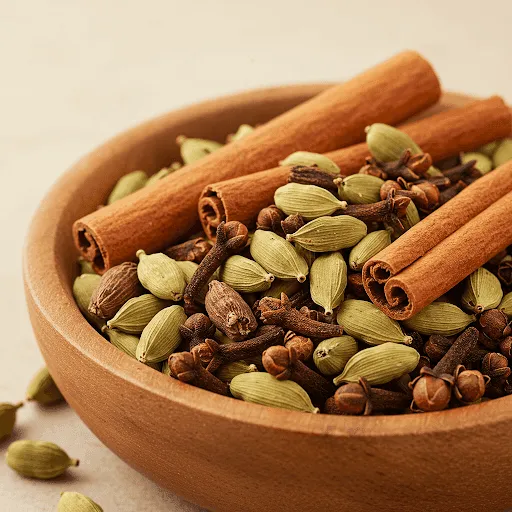
The supplier’s top categories are Coconut Oil, Terracotta Items, Fresh Coconut, Copra, Organic Vegetables, Red Chilli, Turmeric, and Green Cardamom. Within the coconut segment, both raw kernels (Tender, Husked, Dehusked) and processed oils (Edible and Virgin) are offered. The spice segment includes dried Bay Leaf, Black Pepper, Cinnamon, and Cardamom, while the grain segment is limited to Basmati, Idly, and Parboiled rice. Textile items are described as cotton/polyester blends, and the terracotta products are typical handcrafted vessels. All listed items correspond to the 27 product count recorded for the supplier.

Product Range and Specialties of Sharmila Exports

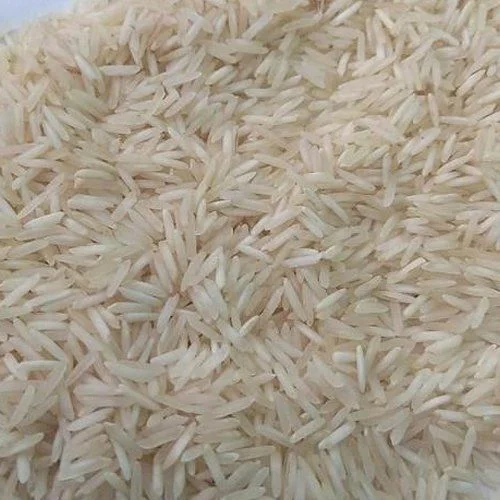
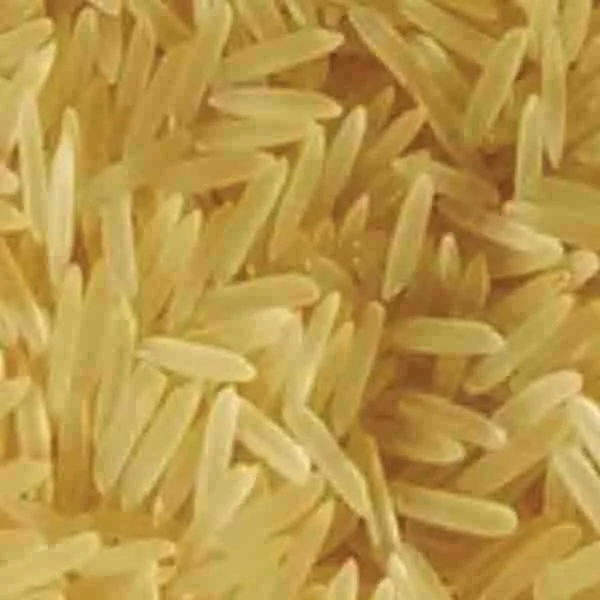
The catalogue covers primary agricultural commodities such as various forms of coconut (raw, copra, virgin oil) and staple grains like Basmati rice (HS 1006.30). In the coconut oil market, buyers typically look for ICUMSA 45 or higher purity, free fatty acid (FFA) levels below 0.5 %, peroxide values under 10 meq O₂/kg, and moisture content under 0.1 %. Copra is usually graded by oil content (45‑55 % range) and moisture (≤12 %). Spices such as Red Chilli, Turmeric, Green Cardamom and Black Pepper are commonly traded in dried form with moisture ≤12 % and volatile oil content specifications (e.g., Cardamom ≥5 % essential oil). Basmati rice is graded by kernel length (≥6.5 mm) and broken grain percentage (≤5 %). Textile items like Bed Covers (HS 6302.10) are typically assessed for GSM (150‑200) and blend composition. Terracotta vessels are fired at temperatures of 900‑1100 °C, yielding a porosity of 5‑10 % and are often packed in wooden crates for export.

Trade and Export Information - Sharmila Exports

India is a major exporter of coconut products, rice, and spices, supplying markets in the Middle East, Europe, North America and Southeast Asia. HS chapter 15 (animal or vegetable fats and oils) and chapter 09 (coffee, tea, spices) cover most of the listed items, while HS 1006.30 for Basmati rice falls under chapter 10 (cereals). Exporters of virgin coconut oil usually provide a phytosanitary certificate, a certificate of origin, and often an ISO 22000 or FSSAI compliance report. Rice shipments are commonly accompanied by a fumigation certificate and a certificate of analysis confirming moisture ≤14 % and broken grain limits. Textile goods from India generally require a compliance statement with the relevant textile regulations of the destination, such as the EU REACH or US CPSIA. Standard packaging includes 20‑ft or 40‑ft containers for bulk grains and spices, while coconut oil is shipped in food‑grade HDPE drums or IBCs, and terracotta items are palletized with protective padding. Typical Incoterms used by Indian exporters are FOB Indian ports (e.g., Mumbai, Chennai) and CIF to major destination ports.

Sourcing from Sharmila Exports - Buyer Guidance

When sourcing coconut oil from Sharmila Exports, request a Certificate of Analysis showing ICUMSA grade, FFA, peroxide value and moisture content, as these are standard quality checkpoints. For copra, ask for moisture and oil‑content test results; a recent laboratory report from an accredited Indian lab is customary. Rice buyers should obtain a phytosanitary certificate and a moisture‑content test report confirming compliance with the destination country's import limits. Spice purchasers normally require a specification sheet detailing moisture, size, and essential‑oil content, together with a certificate of origin and, where applicable, an organic certification if the product is marketed as organic. Textile items should be verified for fabric GSM, blend ratio, and any required safety certifications (e.g., Oeko‑Tex). For terracotta vessels, confirm the firing temperature and porosity data, and request photos of the packed pallets to assess breakage risk before finalizing the order.

Frequently Asked Questions About Sharmila Exports

What HS codes apply to the rice and spice items listed by Sharmila Exports?

Basmati rice is classified under HS 1006.30, while dried Bay Leaf (Laurel) falls under HS 0910.99. Other spices such as Red Chilli, Turmeric, Green Cardamom and Black Pepper are covered by HS headings in chapter 09, typically 0904‑0905 depending on the specific commodity.

Which quality parameters should I verify for virgin coconut oil?

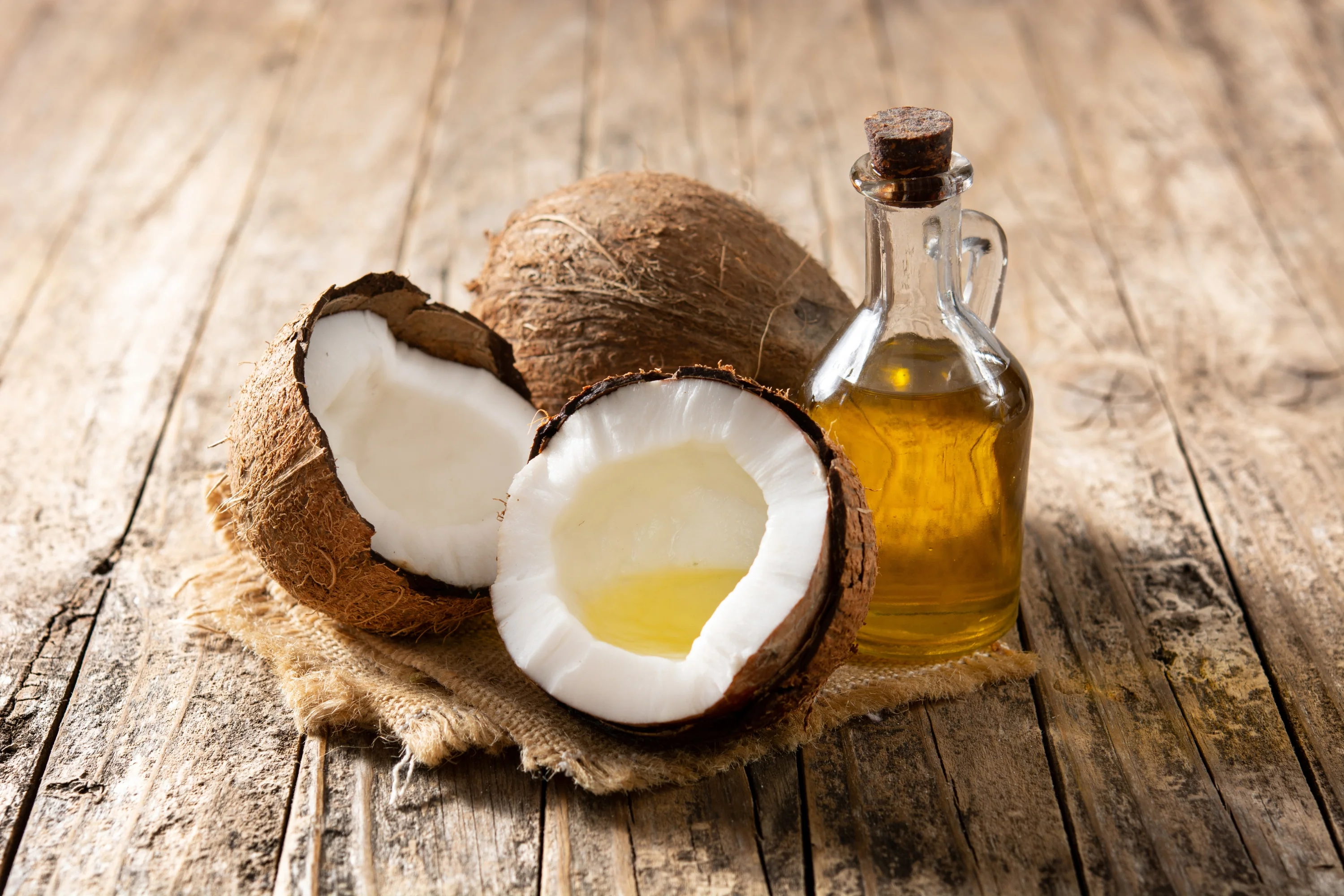
Buyers usually check the ICUMSA grade (45 or higher), free fatty acid content below 0.5 %, peroxide value under 10 meq O₂/kg, moisture below 0.1 % and a shelf‑life of at least 24 months when stored in food‑grade containers.

How is Basmati rice quality assessed for export?

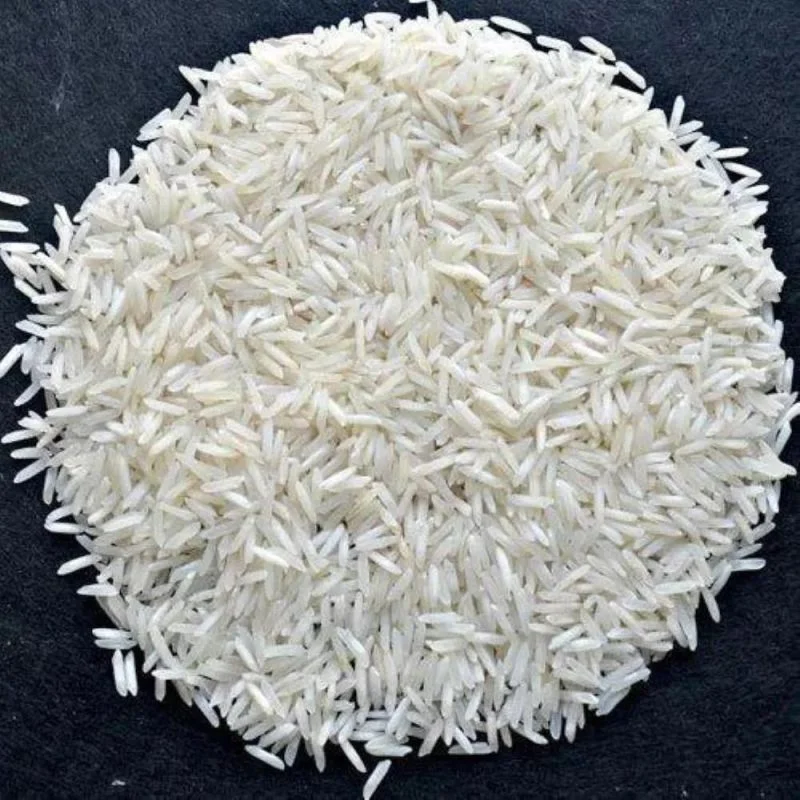
Key parameters include kernel length (≥6.5 mm), broken grain percentage (≤5 %), moisture content (≤14 %) and absence of foreign matter. A laboratory certificate confirming these figures is standard practice.

What documentation is typically required for spice shipments from India?

A phytosanitary certificate, certificate of origin, and a laboratory analysis report covering moisture, size, and essential‑oil content are commonly requested. If the spice is marketed as organic, an organic certification (e.g., India Organic) should also be provided.

Are there specific packaging standards for terracotta items?

Terracotta vessels are usually packed in wooden crates with cushioning material, placed on standard Euro pallets. The crates are often shrink‑wrapped to protect against moisture and breakage during sea freight.

What certifications should I ask for when importing the textile products?

Typical requests include a fabric composition test, GSM verification, and compliance with relevant safety standards such as Oeko‑Tex Standard 100 or the destination country’s textile labeling regulations.

What Incoterms does Sharmila Exports commonly use for bulk shipments?

The supplier frequently operates on FOB terms from major Indian ports like Mumbai or Chennai, and also offers CIF to major destination ports upon buyer request.

Can I obtain samples of the coconut products before placing a full order?

Yes, most Indian exporters, including Sharmila Exports, provide small sample quantities of virgin coconut oil, copra, or fresh coconut. Samples are typically shipped in air‑freight and accompanied by a brief test report for the requested parameters.


Featured Products from this Supplier

Other Suppliers in Primary Category

Top Trusted Suppliers

Related Products

Trending in Parent Category

More Suppliers in Category

Related Products

Other Suppliers

EximNext
58.4K+ live requirements
Register Free🎁 5 free buy-lead credits
Post Requirement
🌍 Trusted by 224.4K+ businesses in 200+ countries|
58.4K+ active requirements right now
✉️ [email protected]
|
Sell on EximNextPost Requirement
EximNext
AgricultureApparelConstructionElectronicFoodHomeIndustrialMineralsMiscellaneous
🔥 Deals|✨ AI Match|🏭 Suppliers|📋 Buy Leads|💰 Trade Finance|⭐ Upgrade
58.4K+ live RFQs·194.5K+ suppliers
🎁 5 free credits →
EximNext
EximNext
Register Free
🎁 5 free buy-lead credits
Sign In
📋Post Requirement💬Get QuotesAI Match📋RFQ Marketplace
All Categories
Services & Tools
🏭Supplier Directory🔥Today's Deals💰Trade FinanceMembership
Sell on EximNext
AboutContactBlogHelp
🏭

Sharmila Exports

Harbor
Country flag , India
🛡️
77/100
Trust Score

Sharmila Exports Product Catalog

Showing 12 of 28 products
View all products →
Basmati Rice
Harbor
Basmati Rice
Contact
MOQ: 1 Unit
Clay Vessels
Harbor
Clay Vessels
Contact
MOQ: 1 Unit
Bed Covers
Harbor
Bed Covers
Contact
MOQ: 1 Unit
Round Neck T Shirts
Harbor
Round Neck T Shirts
Contact
MOQ: 1 Unit
Polo T Shirts
Harbor
Polo T Shirts
Contact
MOQ: 1 Unit
Groundnut Seeds
Harbor
Groundnut Seeds
Contact
MOQ: 1 Unit
Cashew Nut
Harbor
Cashew Nut
Contact
MOQ: 1 Unit
Cinnamon
Harbor
Cinnamon
Contact
MOQ: 1 Unit
Bay Leaf Or Laurel Leaf
Harbor
Bay Leaf Or Laurel Leaf
Contact
MOQ: 1 Unit
Black Pepper
Harbor
Black Pepper
Contact
MOQ: 1 Unit
Fresh Vegetables
Harbor
Fresh Vegetables
Contact
MOQ: 1 Unit
Fresh Fruits
Harbor
Fresh Fruits
Contact
MOQ: 1 Unit

About Sharmila Exports - Coconut Oil Supplier in India

India‑based Sharmila Exports currently lists 27 active products across several agricultural and textile categories. The catalogue includes Tender Coconuts, Dry Coconut (Copra), Edible Coconut Oil, Virgin Coconut Oil, Husked and Dehusked Coconuts, as well as Basmati Rice (HS 1006.30) and Bay Leaf (HS 0910.99). Other items are Fresh Fruits, Fresh Vegetables, Red Chilli, Turmeric, Green Cardamom, Black Pepper, Cashew Nut, Groundnut Seeds, and a line of textile goods such as Socks, Polo T‑Shirts, Round‑Neck T‑Shirts, and Bed Covers (HS 6302.10). The product list also features terracotta items like Clay Water Bottles and Clay Vessels, and a non‑food item, Aloe Vera. Each entry is identified by its product name and, where supplied, the relevant HS code and material description.

The supplier’s top categories are Coconut Oil, Terracotta Items, Fresh Coconut, Copra, Organic Vegetables, Red Chilli, Turmeric, and Green Cardamom. Within the coconut segment, both raw kernels (Tender, Husked, Dehusked) and processed oils (Edible and Virgin) are offered. The spice segment includes dried Bay Leaf, Black Pepper, Cinnamon, and Cardamom, while the grain segment is limited to Basmati, Idly, and Parboiled rice. Textile items are described as cotton/polyester blends, and the terracotta products are typical handcrafted vessels. All listed items correspond to the 27 product count recorded for the supplier.

Product Range and Specialties of Sharmila Exports

The catalogue covers primary agricultural commodities such as various forms of coconut (raw, copra, virgin oil) and staple grains like Basmati rice (HS 1006.30). In the coconut oil market, buyers typically look for ICUMSA 45 or higher purity, free fatty acid (FFA) levels below 0.5 %, peroxide values under 10 meq O₂/kg, and moisture content under 0.1 %. Copra is usually graded by oil content (45‑55 % range) and moisture (≤12 %). Spices such as Red Chilli, Turmeric, Green Cardamom and Black Pepper are commonly traded in dried form with moisture ≤12 % and volatile oil content specifications (e.g., Cardamom ≥5 % essential oil). Basmati rice is graded by kernel length (≥6.5 mm) and broken grain percentage (≤5 %). Textile items like Bed Covers (HS 6302.10) are typically assessed for GSM (150‑200) and blend composition. Terracotta vessels are fired at temperatures of 900‑1100 °C, yielding a porosity of 5‑10 % and are often packed in wooden crates for export.

Trade and Export Information - Sharmila Exports

India is a major exporter of coconut products, rice, and spices, supplying markets in the Middle East, Europe, North America and Southeast Asia. HS chapter 15 (animal or vegetable fats and oils) and chapter 09 (coffee, tea, spices) cover most of the listed items, while HS 1006.30 for Basmati rice falls under chapter 10 (cereals). Exporters of virgin coconut oil usually provide a phytosanitary certificate, a certificate of origin, and often an ISO 22000 or FSSAI compliance report. Rice shipments are commonly accompanied by a fumigation certificate and a certificate of analysis confirming moisture ≤14 % and broken grain limits. Textile goods from India generally require a compliance statement with the relevant textile regulations of the destination, such as the EU REACH or US CPSIA. Standard packaging includes 20‑ft or 40‑ft containers for bulk grains and spices, while coconut oil is shipped in food‑grade HDPE drums or IBCs, and terracotta items are palletized with protective padding. Typical Incoterms used by Indian exporters are FOB Indian ports (e.g., Mumbai, Chennai) and CIF to major destination ports.

Sourcing from Sharmila Exports - Buyer Guidance

When sourcing coconut oil from Sharmila Exports, request a Certificate of Analysis showing ICUMSA grade, FFA, peroxide value and moisture content, as these are standard quality checkpoints. For copra, ask for moisture and oil‑content test results; a recent laboratory report from an accredited Indian lab is customary. Rice buyers should obtain a phytosanitary certificate and a moisture‑content test report confirming compliance with the destination country's import limits. Spice purchasers normally require a specification sheet detailing moisture, size, and essential‑oil content, together with a certificate of origin and, where applicable, an organic certification if the product is marketed as organic. Textile items should be verified for fabric GSM, blend ratio, and any required safety certifications (e.g., Oeko‑Tex). For terracotta vessels, confirm the firing temperature and porosity data, and request photos of the packed pallets to assess breakage risk before finalizing the order.

Frequently Asked Questions About Sharmila Exports

What HS codes apply to the rice and spice items listed by Sharmila Exports?

Basmati rice is classified under HS 1006.30, while dried Bay Leaf (Laurel) falls under HS 0910.99. Other spices such as Red Chilli, Turmeric, Green Cardamom and Black Pepper are covered by HS headings in chapter 09, typically 0904‑0905 depending on the specific commodity.

Which quality parameters should I verify for virgin coconut oil?

Buyers usually check the ICUMSA grade (45 or higher), free fatty acid content below 0.5 %, peroxide value under 10 meq O₂/kg, moisture below 0.1 % and a shelf‑life of at least 24 months when stored in food‑grade containers.

How is Basmati rice quality assessed for export?

Key parameters include kernel length (≥6.5 mm), broken grain percentage (≤5 %), moisture content (≤14 %) and absence of foreign matter. A laboratory certificate confirming these figures is standard practice.

What documentation is typically required for spice shipments from India?

A phytosanitary certificate, certificate of origin, and a laboratory analysis report covering moisture, size, and essential‑oil content are commonly requested. If the spice is marketed as organic, an organic certification (e.g., India Organic) should also be provided.

Are there specific packaging standards for terracotta items?

Terracotta vessels are usually packed in wooden crates with cushioning material, placed on standard Euro pallets. The crates are often shrink‑wrapped to protect against moisture and breakage during sea freight.

What certifications should I ask for when importing the textile products?

Typical requests include a fabric composition test, GSM verification, and compliance with relevant safety standards such as Oeko‑Tex Standard 100 or the destination country’s textile labeling regulations.

What Incoterms does Sharmila Exports commonly use for bulk shipments?

The supplier frequently operates on FOB terms from major Indian ports like Mumbai or Chennai, and also offers CIF to major destination ports upon buyer request.

Can I obtain samples of the coconut products before placing a full order?

Yes, most Indian exporters, including Sharmila Exports, provide small sample quantities of virgin coconut oil, copra, or fresh coconut. Samples are typically shipped in air‑freight and accompanied by a brief test report for the requested parameters.

About Sharmila Exports - Coconut Oil Supplier in India

India‑based Sharmila Exports currently lists 27 active products across several agricultural and textile categories. The catalogue includes Tender Coconuts, Dry Coconut (Copra), Edible Coconut Oil, Virgin Coconut Oil, Husked and Dehusked Coconuts, as well as Basmati Rice (HS 1006.30) and Bay Leaf (HS 0910.99). Other items are Fresh Fruits, Fresh Vegetables, Red Chilli, Turmeric, Green Cardamom, Black Pepper, Cashew Nut, Groundnut Seeds, and a line of textile goods such as Socks, Polo T‑Shirts, Round‑Neck T‑Shirts, and Bed Covers (HS 6302.10). The product list also features terracotta items like Clay Water Bottles and Clay Vessels, and a non‑food item, Aloe Vera. Each entry is identified by its product name and, where supplied, the relevant HS code and material description.

The supplier’s top categories are Coconut Oil, Terracotta Items, Fresh Coconut, Copra, Organic Vegetables, Red Chilli, Turmeric, and Green Cardamom. Within the coconut segment, both raw kernels (Tender, Husked, Dehusked) and processed oils (Edible and Virgin) are offered. The spice segment includes dried Bay Leaf, Black Pepper, Cinnamon, and Cardamom, while the grain segment is limited to Basmati, Idly, and Parboiled rice. Textile items are described as cotton/polyester blends, and the terracotta products are typical handcrafted vessels. All listed items correspond to the 27 product count recorded for the supplier.

Product Range and Specialties of Sharmila Exports

The catalogue covers primary agricultural commodities such as various forms of coconut (raw, copra, virgin oil) and staple grains like Basmati rice (HS 1006.30). In the coconut oil market, buyers typically look for ICUMSA 45 or higher purity, free fatty acid (FFA) levels below 0.5 %, peroxide values under 10 meq O₂/kg, and moisture content under 0.1 %. Copra is usually graded by oil content (45‑55 % range) and moisture (≤12 %). Spices such as Red Chilli, Turmeric, Green Cardamom and Black Pepper are commonly traded in dried form with moisture ≤12 % and volatile oil content specifications (e.g., Cardamom ≥5 % essential oil). Basmati rice is graded by kernel length (≥6.5 mm) and broken grain percentage (≤5 %). Textile items like Bed Covers (HS 6302.10) are typically assessed for GSM (150‑200) and blend composition. Terracotta vessels are fired at temperatures of 900‑1100 °C, yielding a porosity of 5‑10 % and are often packed in wooden crates for export.

Trade and Export Information - Sharmila Exports

India is a major exporter of coconut products, rice, and spices, supplying markets in the Middle East, Europe, North America and Southeast Asia. HS chapter 15 (animal or vegetable fats and oils) and chapter 09 (coffee, tea, spices) cover most of the listed items, while HS 1006.30 for Basmati rice falls under chapter 10 (cereals). Exporters of virgin coconut oil usually provide a phytosanitary certificate, a certificate of origin, and often an ISO 22000 or FSSAI compliance report. Rice shipments are commonly accompanied by a fumigation certificate and a certificate of analysis confirming moisture ≤14 % and broken grain limits. Textile goods from India generally require a compliance statement with the relevant textile regulations of the destination, such as the EU REACH or US CPSIA. Standard packaging includes 20‑ft or 40‑ft containers for bulk grains and spices, while coconut oil is shipped in food‑grade HDPE drums or IBCs, and terracotta items are palletized with protective padding. Typical Incoterms used by Indian exporters are FOB Indian ports (e.g., Mumbai, Chennai) and CIF to major destination ports.

Sourcing from Sharmila Exports - Buyer Guidance

When sourcing coconut oil from Sharmila Exports, request a Certificate of Analysis showing ICUMSA grade, FFA, peroxide value and moisture content, as these are standard quality checkpoints. For copra, ask for moisture and oil‑content test results; a recent laboratory report from an accredited Indian lab is customary. Rice buyers should obtain a phytosanitary certificate and a moisture‑content test report confirming compliance with the destination country's import limits. Spice purchasers normally require a specification sheet detailing moisture, size, and essential‑oil content, together with a certificate of origin and, where applicable, an organic certification if the product is marketed as organic. Textile items should be verified for fabric GSM, blend ratio, and any required safety certifications (e.g., Oeko‑Tex). For terracotta vessels, confirm the firing temperature and porosity data, and request photos of the packed pallets to assess breakage risk before finalizing the order.

Frequently Asked Questions About Sharmila Exports
What HS codes apply to the rice and spice items listed by Sharmila Exports?
Basmati rice is classified under HS 1006.30, while dried Bay Leaf (Laurel) falls under HS 0910.99. Other spices such as Red Chilli, Turmeric, Green Cardamom and Black Pepper are covered by HS headings in chapter 09, typically 0904‑0905 depending on the specific commodity.
Which quality parameters should I verify for virgin coconut oil?
Buyers usually check the ICUMSA grade (45 or higher), free fatty acid content below 0.5 %, peroxide value under 10 meq O₂/kg, moisture below 0.1 % and a shelf‑life of at least 24 months when stored in food‑grade containers.
How is Basmati rice quality assessed for export?
Key parameters include kernel length (≥6.5 mm), broken grain percentage (≤5 %), moisture content (≤14 %) and absence of foreign matter. A laboratory certificate confirming these figures is standard practice.
What documentation is typically required for spice shipments from India?
A phytosanitary certificate, certificate of origin, and a laboratory analysis report covering moisture, size, and essential‑oil content are commonly requested. If the spice is marketed as organic, an organic certification (e.g., India Organic) should also be provided.
Are there specific packaging standards for terracotta items?
Terracotta vessels are usually packed in wooden crates with cushioning material, placed on standard Euro pallets. The crates are often shrink‑wrapped to protect against moisture and breakage during sea freight.
What certifications should I ask for when importing the textile products?
Typical requests include a fabric composition test, GSM verification, and compliance with relevant safety standards such as Oeko‑Tex Standard 100 or the destination country’s textile labeling regulations.
What Incoterms does Sharmila Exports commonly use for bulk shipments?
The supplier frequently operates on FOB terms from major Indian ports like Mumbai or Chennai, and also offers CIF to major destination ports upon buyer request.
Can I obtain samples of the coconut products before placing a full order?
Yes, most Indian exporters, including Sharmila Exports, provide small sample quantities of virgin coconut oil, copra, or fresh coconut. Samples are typically shipped in air‑freight and accompanied by a brief test report for the requested parameters.

🏭
Sharmila Exports
Country flag , India

Harbor
77/100
Trust Score
📦
28
Products
Free to contact — no commission
Escrow payment available
Verified business identity
Compare more suppliers
Post a requirement — get 10 quotes free
Let verified suppliers compete for your business. Free, fast, no commitment.
EximNext Verified Supplier
Business identity verified
Physical address confirmed
Financial history checked
Certifications authenticated
Trade references validated
Due Diligence
Verify this supplier's real shipping history.
Every shipment, every buyer, every port. Trade data that can't be faked.
Run due diligence →
Discover More

Related Suppliers & Products

Explore similar suppliers, related products and trending categories

Featured Products from this Supplier

Other Suppliers in Primary Category

Top Trusted Suppliers

Related Products

Trending in Parent Category

More Suppliers in Category

Stay ahead in global trade
Weekly market insights & new supplier alerts.
EximNext
Exim Next is a leading global B2B marketplace, connecting over 205,000 verified suppliers and buyers across 200+ countries. As a trusted import export marketplace, it serves as the essential B2B portal for businesses worldwide, empowering them to expand their international reach. With Exim Next, businesses can trade smarter and grow faster.
SECURE PAYMENTS
VISAMastercardPayPalSWIFTL/CEscrow
Follow us
© 2026 EximNext