Sadaharitha Exports — Verified Supplier
About Sadaharitha Exports - Fresh Crabs Supplier in Sri Lanka
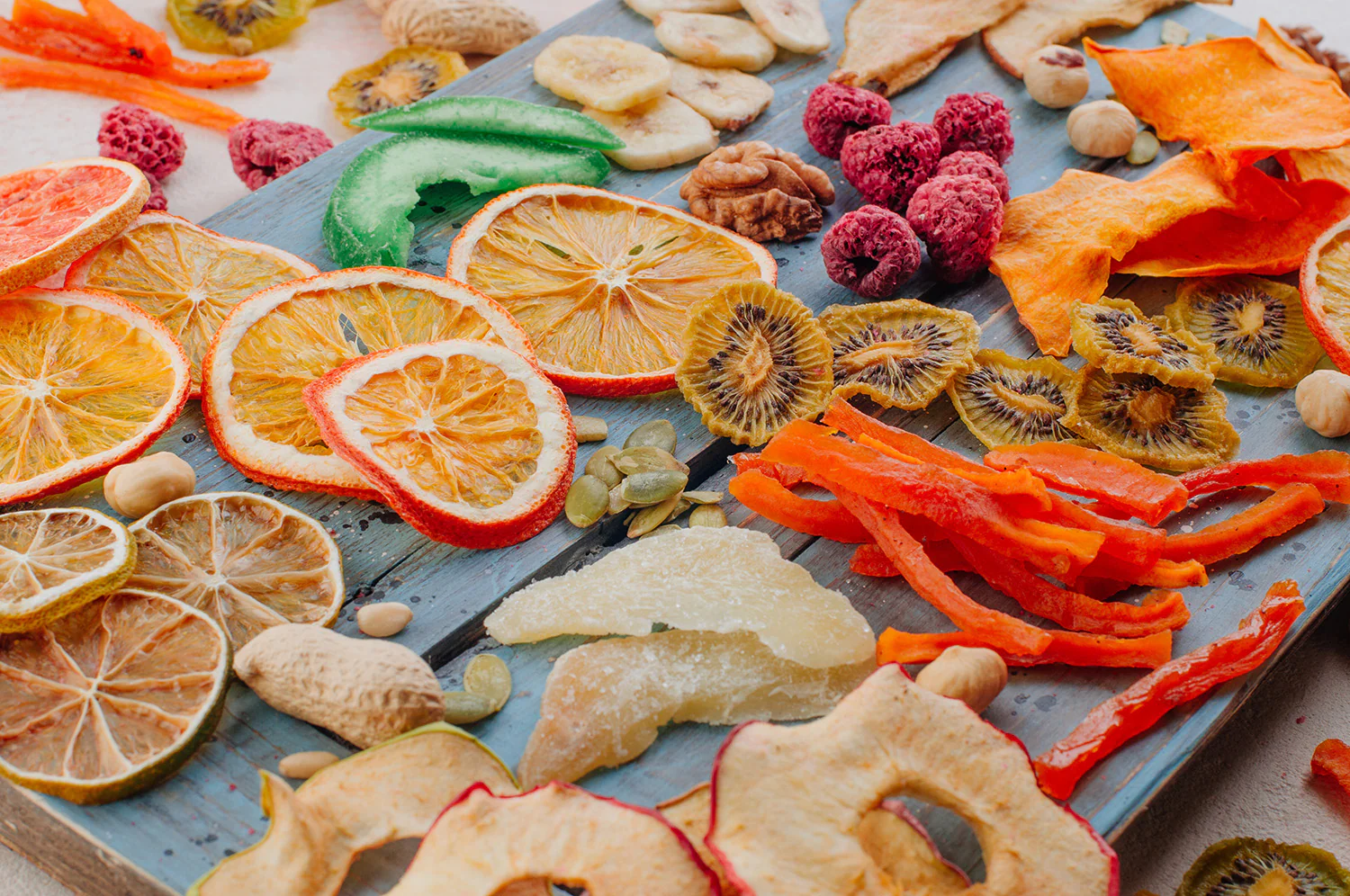
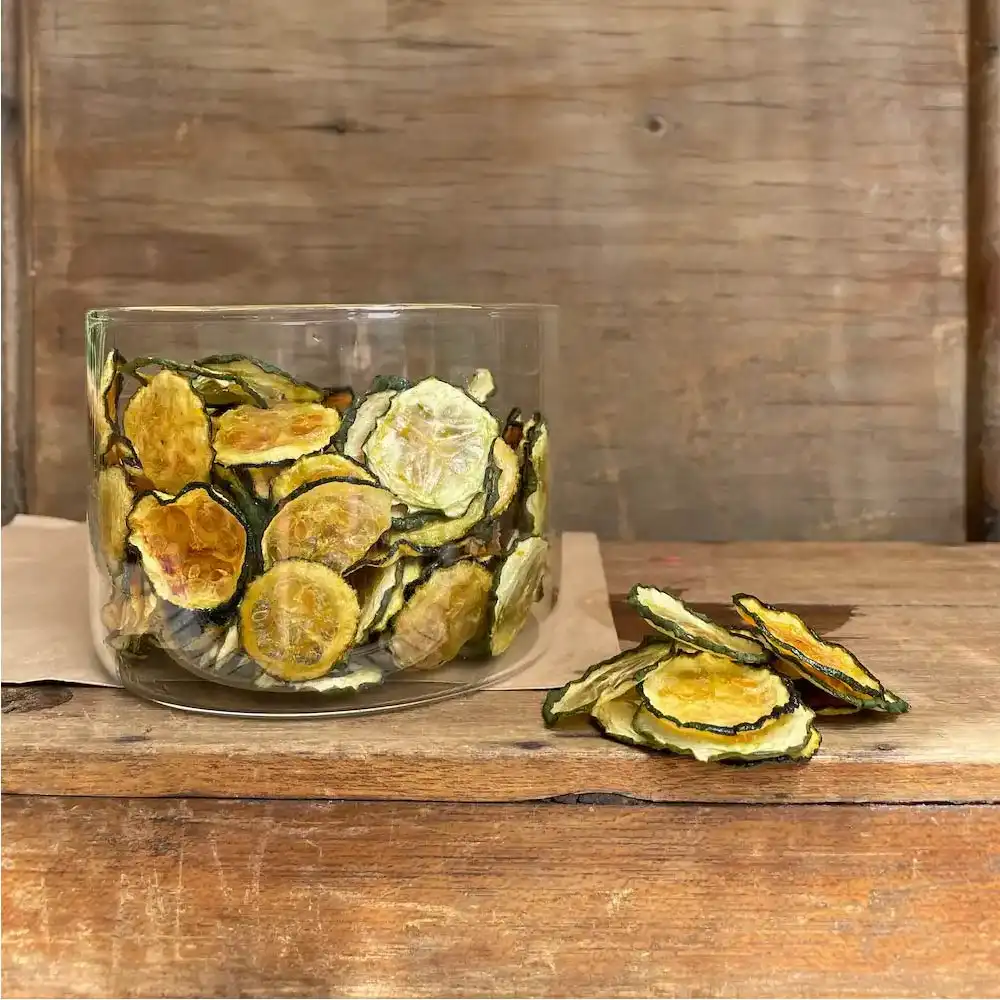
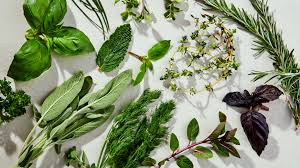
Sadaharitha Exports is based in Sri Lanka and currently lists twelve distinct product offerings. The catalogue includes live mud crabs, a range of fresh fruits such as rambutan and pineapple, multiple varieties of fresh vegetables, leafy greens, lettuce, mushrooms, as well as Ceylon black pepper and other Sri Lankan spices and herbs. Each entry is presented under the categories Fresh Crabs, Fresh Vegetables, Fruits, Pineapple, Pepper, Herbs, Curry Leaves, and Fresh Mushroom. The supplier’s product list therefore spans both marine and agricultural produce from the island’s coastal and inland regions.
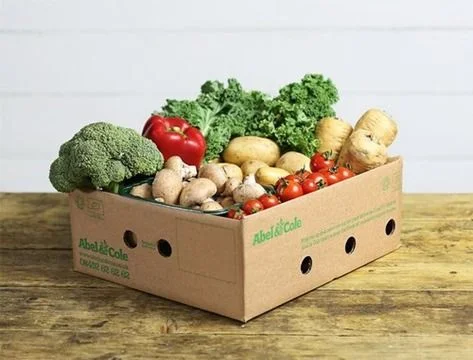
The live mud crab listings are for the species commonly harvested in Sri Lankan waters and are supplied as whole, live specimens. Fruit items include tropical varieties that meet typical export standards for pulp firmness, skin integrity and sugar content. Vegetable and herb entries cover a broad spectrum of leaf and shoot types, generally packed in ventilated cartons to preserve freshness. Spices such as Ceylon black pepper are offered in whole‑seed form, aligning with standard grading practices for size and oil content.
Product Range and Specialties of Sadaharitha Exports
The catalogue is organized around two main production groups: marine crustaceans and fresh horticultural produce. Live mud crabs are typically graded by carapace width (120 - 150 mm) and weight (0.5 - 0.9 kg) and are shipped in insulated, moisture‑controlled containers. Fresh fruits such as rambutan and pineapple are exported in standard export cartons with moisture content below 85 % and firmness levels that meet market‑specific specifications. Vegetables, lettuce, leafy greens and mushrooms are generally packed in perforated polyethylene bags or corrugated boxes to maintain a temperature of 0 - 4 °C during transit. Sri Lankan spices, notably Ceylon black pepper, are usually supplied as whole peppercorns meeting Grade A criteria (oil content ≥ 45 %, moisture ≤ 12 %).
Trade and Export Information - Sadaharitha Exports
Sri Lanka is a recognized exporter of both seafood and tropical horticultural products, with primary destinations in the European Union, the Middle East, South Asia and North America. Exporters of live mud crabs typically require a health certificate, a fisheries export permit and compliance with the importing country’s seafood safety regulations. Fresh fruits and vegetables from Sri Lanka are generally subject to phytosanitary certificates, GlobalGAP or HACCP audit reports, and may need to meet EU pesticide residue limits (MRLs) or US FDA produce safety standards. Spices such as Ceylon black pepper are often inspected under HS Chapter 09, with buyers requesting certificates of origin, moisture analysis and oil content tests. Standard logistics involve refrigerated containers (20 ft or 40 ft reefers) under FOB or CIF incoterms, with temperature monitoring throughout the journey.
Sourcing from Sadaharitha Exports - Buyer Guidance
When sourcing live mud crabs, buyers should request a recent health certificate, a sample of a typical size specimen, and details of the holding temperature during transport. For fresh fruits, vegetables and mushrooms, buyers normally ask for a GlobalGAP audit report, a phytosanitary certificate and a recent post‑harvest quality test (e.g., firmness, sugar % for fruit, moisture % for mushrooms). Spice buyers should obtain a moisture analysis, oil content report and a certificate of origin to verify the Ceylon designation. In all cases, confirming the supplier’s compliance with HACCP or ISO 22000 standards helps mitigate food safety risks before placing a purchase order.
Frequently Asked Questions About Sadaharitha Exports
What types of live mud crabs does Sadaharitha Exports offer?
The supplier lists live mud crabs harvested from Sri Lankan coastal waters, typically ranging from 120 mm to 150 mm carapace width and weighing between 0.5 kg and 0.9 kg per specimen.
Can I receive a sample of the fresh fruit before placing a larger order?
Yes, the supplier can provide a small batch of fruit such as rambutan or pineapple, packed in standard export cartons, for quality verification prior to a full shipment.
Which certifications should I request for the vegetable and herb products?
Buyers usually request a GlobalGAP audit report, a phytosanitary certificate and, where applicable, HACCP or ISO 22000 compliance documentation.
What quality parameters are typical for Ceylon black pepper?
Grade A Ceylon black pepper is expected to have an oil content of at least 45 %, moisture not exceeding 12 %, and uniform seed size according to industry grading tables.
What are the common packaging methods for fresh mushrooms?
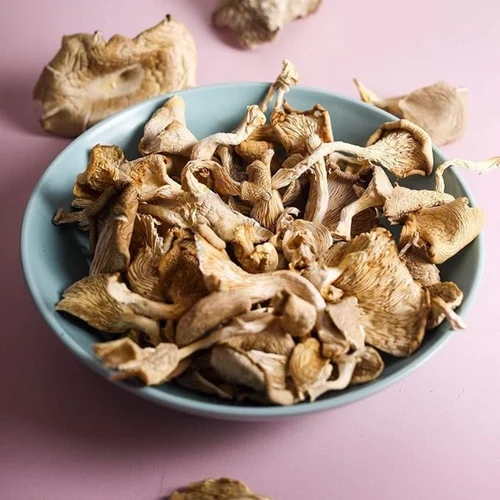
Fresh mushrooms are generally packed in perforated polyethylene bags or corrugated boxes with internal cushioning, maintained at 0 - 4 °C to preserve texture and moisture.
Which incoterms are most frequently used for shipments from Sri Lanka?
Exporters from Sri Lanka often use FOB (Free on Board) or CIF (Cost, Insurance and Freight) incoterms, with refrigerated containers for temperature‑sensitive goods.
What documentation is required for importing live mud crabs into the EU?
EU importers typically require a fisheries health certificate, a veterinary health certificate, and proof that the crabs meet the EU’s sanitary and phytosanitary standards.
What is the typical lead time from order confirmation to shipment?
Lead times vary by product, but live seafood usually ships within 3 - 5 days after order confirmation, while fresh produce and spices may require 7 - 10 days to allow for harvesting, packing and export clearance.




 , Sri Lanka