Rikcags Consulting — Verified Supplier
About Rikcags Consulting - Petroleum By Products Supplier in Mexico
Mexico‑based Rikcags Consulting lists seven distinct petroleum‑related products in its catalogue. The active product count of 7 includes Octane Gasoline (92, 95, 98), Urea N 46, Liquefied Natural Gas (LNG), Aviation Kerosene Jet A1 (listed twice), and Diesel Fuel EN590 (including a version sourced from Kazakhstan). Each item falls under the broader HS‑code families for fuels and chemicals, such as HS 2710 for gasoline and diesel, HS 2711 for LPG/LNG, and HS 3105 for urea fertilizers. The supplier is classified in the “harbor” trust tier, indicating a moderate level of verification within the platform.
The catalogue does not provide specific HS codes for individual items, but the product types align with internationally recognised standards. Octane gasoline typically complies with ASTM D4814, diesel with EN 590, aviation kerosene with ASTM D1655, and LNG with ISO 6976. Urea N 46 matches the standard fertilizer grade defined by the International Fertilizer Association. Buyers should therefore anticipate documentation that references these standards when evaluating shipments from Mexico.
Product Range and Specialties of Rikcags Consulting
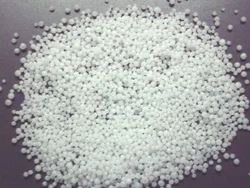
Rikcags Consulting’s listed products cover the main segments of refined petroleum and related chemicals. Octane Gasoline 92/95/98 represents three common research octane numbers used in passenger‑vehicle markets, while Diesel Fuel EN590 corresponds to the European diesel specification for sulfur content and cetane number. The two entries for Aviation Kerosene Jet A1 refer to the same jet‑fuel grade used in commercial aviation, governed by ASTM D1655. LNG is a cryogenic natural gas product typically supplied in ISO‑type tanks, and Urea N 46 is a nitrogen fertilizer grade with 46 % nitrogen content. In the global market, these categories are usually offered in bulk tanker shipments, with gasoline and diesel loaded in tank trucks or railcars for inland distribution, and LNG moved in insulated containers or dedicated LNG carriers.
Trade and Export Information - Rikcags Consulting
Mexico is a net exporter of refined petroleum products, and its logistics network includes major ports on the Pacific and Gulf coasts that handle bulk fuel shipments. Buyers in North America, Europe and parts of Asia frequently import gasoline, diesel and jet fuel from Mexico, using HS 2710 (petroleum oils and oils obtained from bituminous minerals) and HS 2711 (natural gas, liquefied). Typical certifications requested by importers include ISO 9001 for quality management, ISO 14001 for environmental compliance, and product‑specific test reports such as ASTM D4814 for gasoline, EN 590 for diesel, and ISO 6976 for LNG. Common Incoterms for these commodities are CIF (Cost, Insurance, Freight) to the destination port or FCA (Free Carrier) to a Mexican export terminal. Packaging varies by product: gasoline and diesel are usually loaded in bulk tankers, jet fuel in fuel‑grade ISO tanks, LNG in cryogenic containers, and urea in bulk bags or sealed bulk containers.
Sourcing from Rikcags Consulting - Buyer Guidance
When sourcing from Rikcags Consulting, buyers should request the latest Certificate of Analysis (CoA) that references the relevant ASTM or EN standard for each fuel grade. For gasoline and diesel, confirm sulfur content, octane or cetane numbers, and water content; for jet fuel, verify flash point, freezing point and aromatic content; for LNG, request a gas composition report and calorific value; for Urea N 46, ask for nitrogen content and moisture level. It is advisable to obtain a copy of the supplier’s ISO 9001 or ISO 14001 certificates, if available, and to verify the HS code declaration on the commercial invoice. Typical minimum order quantities are 10 000 L for gasoline and diesel, 5 000 L for jet fuel, 1 000 m³ for LNG, and 20 metric tons for urea, with lead times ranging from 15 to 45 days depending on product and shipping mode.
Frequently Asked Questions About Rikcags Consulting
What grades of gasoline does Rikcags Consulting offer?
The catalogue lists Octane Gasoline in three research octane numbers - 92, 95 and 98 - which align with the ASTM D4814 specification for motor gasoline.
Is the diesel fuel compliant with European standards?
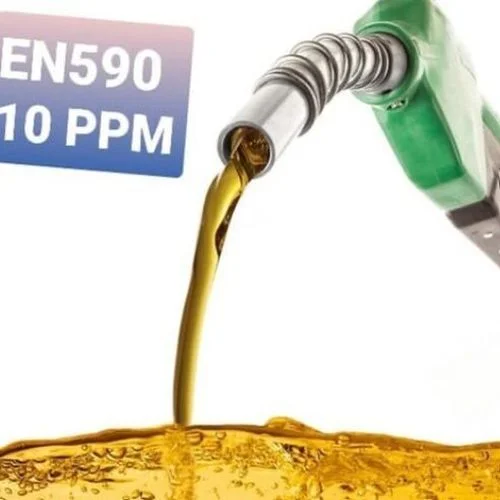
Yes, the Diesel Fuel EN590 entry matches the EN 590 standard for sulfur content (maximum 10 ppm) and cetane number (minimum 51).
What documentation should I request for LNG shipments?
Buyers should request an ISO 6976 gas composition report, a calorific value test, and the supplier’s ISO 9001 quality certificate, together with the HS 2711 declaration on the invoice.
Does the supplier provide certification for aviation fuel?
The Aviation Kerosene Jet A1 product is governed by ASTM D1655; buyers should ask for a recent CoA referencing this standard and any applicable ISO 9001 or ISO 14001 certificates.
What are typical packaging methods for the listed products?
Gasoline and diesel are usually shipped in bulk tankers or ISO tanks, jet fuel in fuel‑grade ISO tanks, LNG in cryogenic insulated containers, and Urea N 46 in bulk bags or sealed bulk containers.
What are the common Incoterms used for these exports?
Export transactions from Mexico commonly use CIF to the destination port or FCA to a Mexican export terminal, depending on the buyer’s logistics preferences.
What minimum order quantities and lead times should I expect?
Typical MOQs are 10 000 L for gasoline and diesel, 5 000 L for jet fuel, 1 000 m³ for LNG, and 20 metric tons for urea, with lead times of 15 - 45 days based on product and shipping arrangements.
Are there any environmental or quality certifications required?
Importers usually require ISO 9001 for quality management and ISO 14001 for environmental compliance, along with product‑specific test reports such as ASTM or EN standards.




 , Mexico