Rhule Resources Ghana (rrg) — Verified Supplier

About Rhule Resources Ghana (rrg) - Palm Oil Supplier in Ghana

Rhule Resources Ghana (rrg) operates from Ghana and currently lists ten active products across its catalogue. The supplier’s portfolio spans major oilseed and grain categories, including palm oil, coconut oil, soybean, sorghum, sesame seeds, shea butter, cashew nuts, ground nuts, herbal extracts and robusta coffee. Each product entry is identified by its standard HS‑code family - for example soybeans fall under HS 1201, sorghum under HS 1005, sesame seeds under HS 1207, crude palm oil under HS 1511 and crude palm kernel oil under HS 1511.0.20, while coconut oil is classified in HS 1512. The catalogue reflects a focus on both raw and minimally processed agricultural commodities.

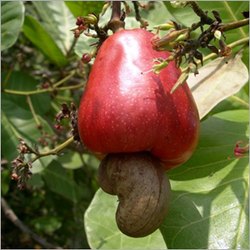
The ten listed items comprise organic soybean, organic sorghum, white or brown sesame seeds, shea butter, raw cashew nuts, organic coconut oil, robusta coffee, crude palm kernel oil (PKO), crude palm oil (CPO) and ground nuts. The product set covers both edible oils (palm, coconut, shea) and bulk grains or nuts that are commonly shipped in 20‑ft or 40‑ft containers. Rhule Resources Ghana does not provide further detail on processing level beyond the descriptors given, but the presence of “organic” labels indicates compliance with recognized organic standards. The supplier’s trust tier is recorded as “harbor”, denoting a mid‑level verification status on the platform.

Product Range and Specialties of Rhule Resources Ghana (rrg)

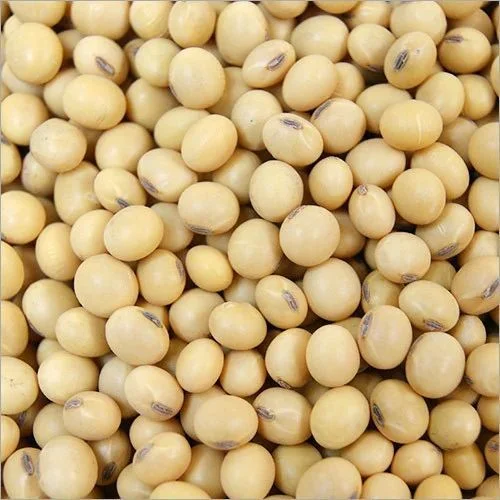
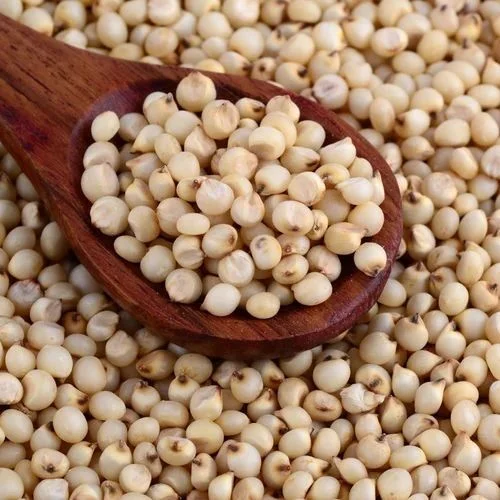
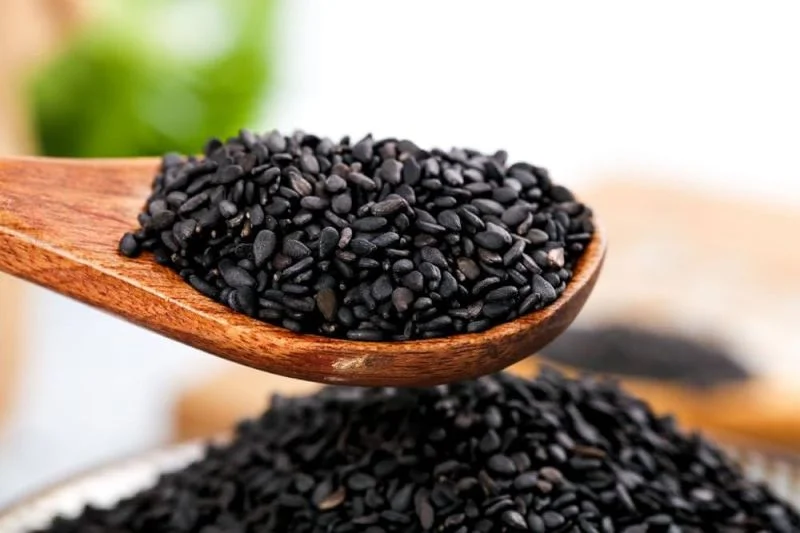
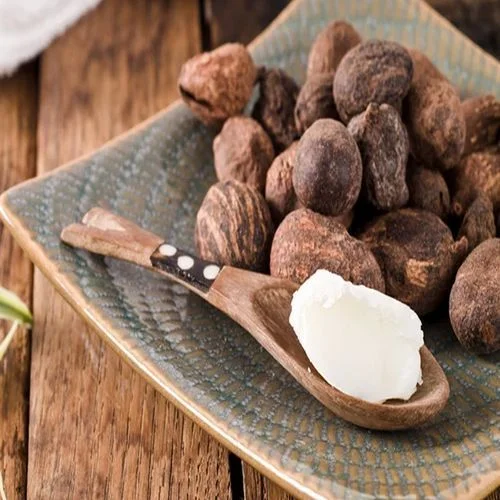
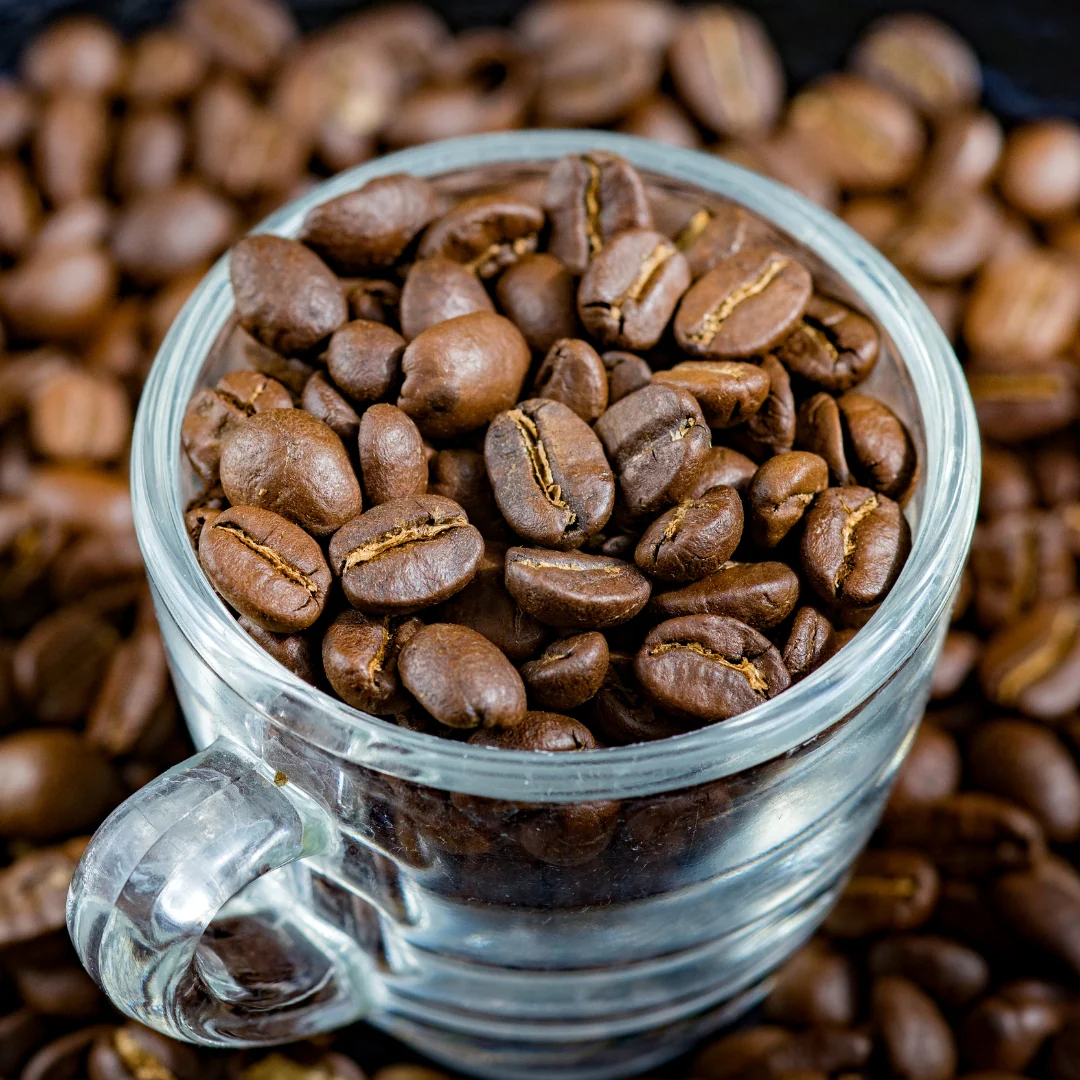
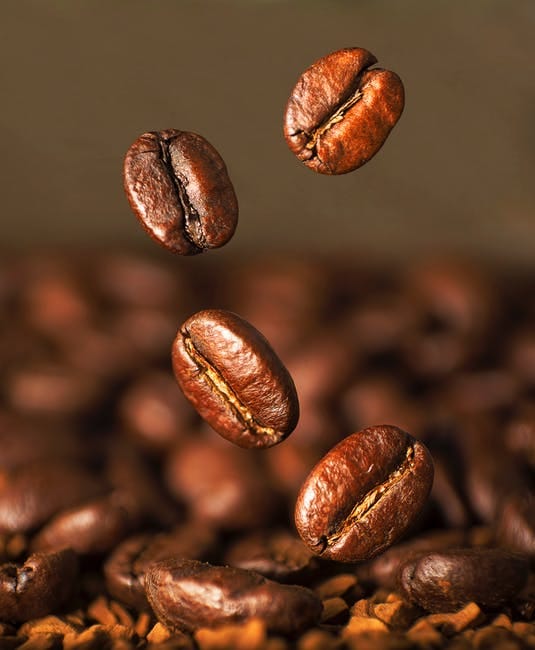
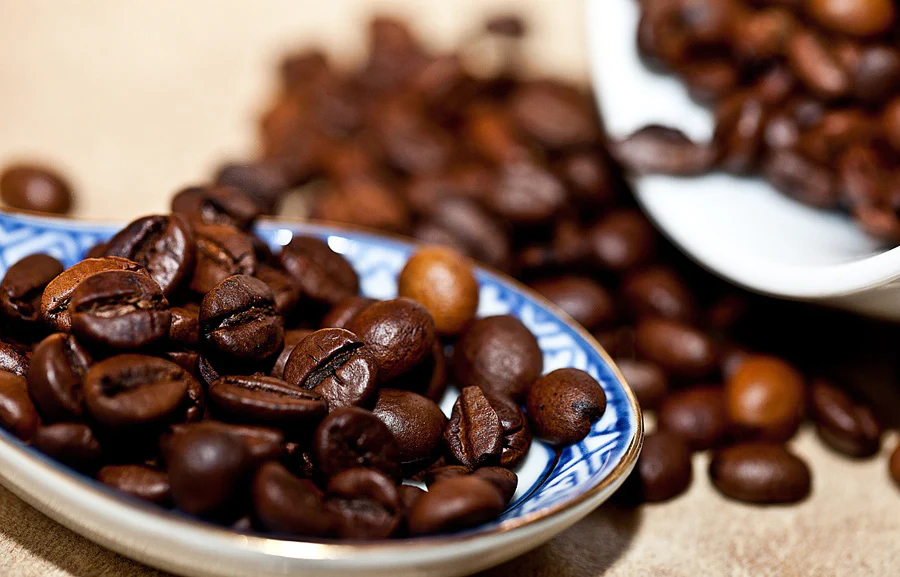
The catalogue includes organic soybean and organic sorghum, which in global trade are typically graded by protein content (30‑36 % for soybean) and moisture (≤14 %). Buyers often request GMO‑free certification and a seed analysis report. White and brown sesame seeds are usually sold in grades 1‑3, with specifications for oil content (≈50 % for white) and kernel size (2.5‑3 mm). Shea butter is commonly classified by iodine value (30‑45) and free fatty acid level (<0.5 %). Raw cashew nuts are graded by kernel size (large > 13 mm) and shelling rate, while ground nuts (peanuts) are evaluated on aflatoxin limits (≤20 µg/kg) and moisture (≤6 %). Crude palm oil and crude palm kernel oil are exported with standard free fatty acid limits (≤5 %) and are usually shipped in bulk tanks or 25 kg drums. Organic coconut oil may be virgin or refined, with typical peroxide values <10 meq O₂/kg and a melt point of 24‑26 °C. Robusta coffee beans are graded by cup score (≥70) and moisture content (≤12 %).

Trade and Export Information - Rhule Resources Ghana (rrg)

Ghana’s agricultural export profile includes significant shipments of palm oil, cocoa, coffee and nuts, with the European Union, China and the United Arab Emirates being the largest destination markets. For the product families listed, HS 1511 (crude palm oil) and HS 1511.20 (crude palm kernel oil) are subject to phytosanitary certification and often require a Certificate of Origin for preferential duty treatment under the ECOWAS‑EU Economic Partnership Agreement. Palm‑derived oils typically need compliance with the EU’s Maximum Residue Limits (MRLs) and may be audited against ISO 22000 or HACCP food safety systems. Coconut oil (HS 1512) and sesame seeds (HS 1207) are regularly inspected for pesticide residues under the Codex Alimentarius framework. Organic soybean and sorghum (HS 1201, HS 1005) generally require proof of organic certification such as EU organic logo or USDA Organic, and buyers often request a recent analysis for mycotoxins and moisture. Standard export packaging includes 25 kg polypropylene bags for bulk oils, 20 ft containers for grains and nuts, and bulk tankers for large‑volume palm oil shipments, with common Incoterms being FOB Accra or CIF Dubai.

Sourcing from Rhule Resources Ghana (rrg) - Buyer Guidance

When sourcing from Rhule Resources Ghana, buyers should request the latest organic certification documents for the soybean, sorghum and coconut oil entries, and verify that the certificates are issued by an accredited body recognized in the buyer’s market. For oil products, a free fatty acid (FFA) test report, peroxide value and moisture analysis are standard due diligence items. Grain and nut shipments normally require a phytosanitary certificate, a moisture content test (≤14 % for soy, ≤13 % for sorghum) and, where applicable, an aflatoxin analysis not exceeding the importing country’s limits. Requesting a sample batch prior to full order helps confirm grade, color and aroma - particularly for robusta coffee, which is graded by cup score. Confirm the HS code that will be used on the commercial invoice and ensure that the packaging (e.g., 25 kg bags, 20‑ft container) matches the buyer’s logistics plan.

Frequently Asked Questions About Rhule Resources Ghana (rrg)

What are the main oil products offered by Rhule Resources Ghana?

The supplier lists crude palm oil (CPO), crude palm kernel oil (PKO) and organic coconut oil. All three are exported under HS 1511 (palm oils) and HS 1512 (coconut oil) and are typically shipped in bulk tanks or 25 kg bags.

Does Rhule Resources Ghana provide organic certification for its soybean and sorghum?

The catalogue marks both soybean and sorghum as organic. Buyers should ask for the current organic certificate (EU organic, USDA Organic or equivalent) and a recent laboratory analysis confirming non‑GMO status.

What quality parameters are common for sesame seeds from this supplier?

White and brown sesame seeds are usually evaluated on oil content (≈50 % for white), kernel size (2.5‑3 mm) and moisture (≤6 %). A sample analysis sheet should be requested to verify these figures.

Which certifications are typically required for the palm oil products?

Importers often require ISO 22000 or HACCP compliance, a phytosanitary certificate and, where applicable, a Certificate of Origin for duty preferences. Free fatty acid content should be ≤5 % and peroxide value ≤10 meq O₂/kg.

What packaging options are available for ground nuts and cashew nuts?

Ground nuts and raw cashew nuts are commonly packed in 25 kg polypropylene bags or 20‑ft containers with inner bulk bags. The supplier’s standard practice follows these industry norms, but buyers should confirm the exact packaging before order.

What are the typical lead times and minimum order quantities?

For bulk oil shipments (CPO, PKO, coconut oil) lead times are usually 30‑45 days from order confirmation, with a minimum of one 20‑ft container. Grain and nut products often have a 25‑ton minimum, equivalent to a full container load.

How can I obtain a sample of the robusta coffee?

Request a 5‑kg sample, which is the standard trial quantity for robusta coffee. The sample should be accompanied by a moisture report (≤12 %) and a cup‑score rating (≥70).

Are there any specific import restrictions for the herbal extracts?

Herbal extracts may be subject to the importing country’s phytosanitary and pesticide residue limits. Buyers should ask for a full ingredient declaration, safety data sheet and any required registration certificates.


Featured Products from this Supplier

Other Suppliers in Primary Category

Top Trusted Suppliers

Related Products

Trending in Parent Category

More Suppliers in Category

Related Products

Other Suppliers

EximNext
58.5K+ live requirements
Register Free🎁 Reach verified global buyers
Post Requirement
🌍 Trusted by 224.6K+ businesses in 200+ countries|
58.5K+ active requirements right now
✉️ [email protected]
|
Sell on EximNextPost Requirement
EximNext
AgricultureApparelConstructionElectronicFoodHomeIndustrialMineralsMiscellaneous
🔥 Deals|✨ AI Match|🏭 Suppliers|📋 Buy Leads|💰 Trade Finance
58.5K+ live RFQs·194.6K+ suppliers
🎁 Reach global buyers →
EximNext
EximNext
Register Free
🎁 Reach verified global buyers
Sign In
📋Post Requirement💬Get QuotesAI Match📋RFQ Marketplace
All Categories
Services & Tools
🏭Supplier Directory🔥Today's Deals💰Trade Finance
Sell on EximNext
AboutContactBlogHelp
🏭

Rhule Resources Ghana (rrg)

Harbor
Country flag , Ghana
🛡️
55/100
Trust Score

Rhule Resources Ghana (rrg) Product Catalog

Showing 11 of 11 products
View all products →
Organic Soybean
Harbor
Organic Soybean
Contact
MOQ: 1 Unit
Organic Sorghum
Harbor
Organic Sorghum
Contact
MOQ: 1 Unit
White or Brown Sesame Seeds
Harbor
White or Brown Sesame Seeds
Contact
MOQ: 1 Unit
Shea Butter
Harbor
Shea Butter
Contact
MOQ: 1 Unit
Raw Cashew Nuts
Harbor
Raw Cashew Nuts
Contact
MOQ: 1 Unit
Moringa
Harbor
Moringa
Contact
MOQ: 1 Unit
Organic Coconut Oil
Harbor
Organic Coconut Oil
Contact
MOQ: 1 Unit
Robusta Coffee
Harbor
Robusta Coffee
Contact
MOQ: 1 Unit
Crude Palm Kernel Oil (PKO)
Harbor
Crude Palm Kernel Oil (PKO)
Contact
MOQ: 1 Unit
Crude Palm Oil (CPO)
Harbor
Crude Palm Oil (CPO)
Contact
MOQ: 1 Unit
Ground Nuts
Harbor
Ground Nuts
Contact
MOQ: 1 Unit

About Rhule Resources Ghana (rrg) - Palm Oil Supplier in Ghana

Rhule Resources Ghana (rrg) operates from Ghana and currently lists ten active products across its catalogue. The supplier’s portfolio spans major oilseed and grain categories, including palm oil, coconut oil, soybean, sorghum, sesame seeds, shea butter, cashew nuts, ground nuts, herbal extracts and robusta coffee. Each product entry is identified by its standard HS‑code family - for example soybeans fall under HS 1201, sorghum under HS 1005, sesame seeds under HS 1207, crude palm oil under HS 1511 and crude palm kernel oil under HS 1511.0.20, while coconut oil is classified in HS 1512. The catalogue reflects a focus on both raw and minimally processed agricultural commodities.

The ten listed items comprise organic soybean, organic sorghum, white or brown sesame seeds, shea butter, raw cashew nuts, organic coconut oil, robusta coffee, crude palm kernel oil (PKO), crude palm oil (CPO) and ground nuts. The product set covers both edible oils (palm, coconut, shea) and bulk grains or nuts that are commonly shipped in 20‑ft or 40‑ft containers. Rhule Resources Ghana does not provide further detail on processing level beyond the descriptors given, but the presence of “organic” labels indicates compliance with recognized organic standards. The supplier’s trust tier is recorded as “harbor”, denoting a mid‑level verification status on the platform.

Product Range and Specialties of Rhule Resources Ghana (rrg)

The catalogue includes organic soybean and organic sorghum, which in global trade are typically graded by protein content (30‑36 % for soybean) and moisture (≤14 %). Buyers often request GMO‑free certification and a seed analysis report. White and brown sesame seeds are usually sold in grades 1‑3, with specifications for oil content (≈50 % for white) and kernel size (2.5‑3 mm). Shea butter is commonly classified by iodine value (30‑45) and free fatty acid level (<0.5 %). Raw cashew nuts are graded by kernel size (large > 13 mm) and shelling rate, while ground nuts (peanuts) are evaluated on aflatoxin limits (≤20 µg/kg) and moisture (≤6 %). Crude palm oil and crude palm kernel oil are exported with standard free fatty acid limits (≤5 %) and are usually shipped in bulk tanks or 25 kg drums. Organic coconut oil may be virgin or refined, with typical peroxide values <10 meq O₂/kg and a melt point of 24‑26 °C. Robusta coffee beans are graded by cup score (≥70) and moisture content (≤12 %).

Trade and Export Information - Rhule Resources Ghana (rrg)

Ghana’s agricultural export profile includes significant shipments of palm oil, cocoa, coffee and nuts, with the European Union, China and the United Arab Emirates being the largest destination markets. For the product families listed, HS 1511 (crude palm oil) and HS 1511.20 (crude palm kernel oil) are subject to phytosanitary certification and often require a Certificate of Origin for preferential duty treatment under the ECOWAS‑EU Economic Partnership Agreement. Palm‑derived oils typically need compliance with the EU’s Maximum Residue Limits (MRLs) and may be audited against ISO 22000 or HACCP food safety systems. Coconut oil (HS 1512) and sesame seeds (HS 1207) are regularly inspected for pesticide residues under the Codex Alimentarius framework. Organic soybean and sorghum (HS 1201, HS 1005) generally require proof of organic certification such as EU organic logo or USDA Organic, and buyers often request a recent analysis for mycotoxins and moisture. Standard export packaging includes 25 kg polypropylene bags for bulk oils, 20 ft containers for grains and nuts, and bulk tankers for large‑volume palm oil shipments, with common Incoterms being FOB Accra or CIF Dubai.

Sourcing from Rhule Resources Ghana (rrg) - Buyer Guidance

When sourcing from Rhule Resources Ghana, buyers should request the latest organic certification documents for the soybean, sorghum and coconut oil entries, and verify that the certificates are issued by an accredited body recognized in the buyer’s market. For oil products, a free fatty acid (FFA) test report, peroxide value and moisture analysis are standard due diligence items. Grain and nut shipments normally require a phytosanitary certificate, a moisture content test (≤14 % for soy, ≤13 % for sorghum) and, where applicable, an aflatoxin analysis not exceeding the importing country’s limits. Requesting a sample batch prior to full order helps confirm grade, color and aroma - particularly for robusta coffee, which is graded by cup score. Confirm the HS code that will be used on the commercial invoice and ensure that the packaging (e.g., 25 kg bags, 20‑ft container) matches the buyer’s logistics plan.

Frequently Asked Questions About Rhule Resources Ghana (rrg)

What are the main oil products offered by Rhule Resources Ghana?

The supplier lists crude palm oil (CPO), crude palm kernel oil (PKO) and organic coconut oil. All three are exported under HS 1511 (palm oils) and HS 1512 (coconut oil) and are typically shipped in bulk tanks or 25 kg bags.

Does Rhule Resources Ghana provide organic certification for its soybean and sorghum?

The catalogue marks both soybean and sorghum as organic. Buyers should ask for the current organic certificate (EU organic, USDA Organic or equivalent) and a recent laboratory analysis confirming non‑GMO status.

What quality parameters are common for sesame seeds from this supplier?

White and brown sesame seeds are usually evaluated on oil content (≈50 % for white), kernel size (2.5‑3 mm) and moisture (≤6 %). A sample analysis sheet should be requested to verify these figures.

Which certifications are typically required for the palm oil products?

Importers often require ISO 22000 or HACCP compliance, a phytosanitary certificate and, where applicable, a Certificate of Origin for duty preferences. Free fatty acid content should be ≤5 % and peroxide value ≤10 meq O₂/kg.

What packaging options are available for ground nuts and cashew nuts?

Ground nuts and raw cashew nuts are commonly packed in 25 kg polypropylene bags or 20‑ft containers with inner bulk bags. The supplier’s standard practice follows these industry norms, but buyers should confirm the exact packaging before order.

What are the typical lead times and minimum order quantities?

For bulk oil shipments (CPO, PKO, coconut oil) lead times are usually 30‑45 days from order confirmation, with a minimum of one 20‑ft container. Grain and nut products often have a 25‑ton minimum, equivalent to a full container load.

How can I obtain a sample of the robusta coffee?

Request a 5‑kg sample, which is the standard trial quantity for robusta coffee. The sample should be accompanied by a moisture report (≤12 %) and a cup‑score rating (≥70).

Are there any specific import restrictions for the herbal extracts?

Herbal extracts may be subject to the importing country’s phytosanitary and pesticide residue limits. Buyers should ask for a full ingredient declaration, safety data sheet and any required registration certificates.

About Rhule Resources Ghana (rrg) - Palm Oil Supplier in Ghana

Rhule Resources Ghana (rrg) operates from Ghana and currently lists ten active products across its catalogue. The supplier’s portfolio spans major oilseed and grain categories, including palm oil, coconut oil, soybean, sorghum, sesame seeds, shea butter, cashew nuts, ground nuts, herbal extracts and robusta coffee. Each product entry is identified by its standard HS‑code family - for example soybeans fall under HS 1201, sorghum under HS 1005, sesame seeds under HS 1207, crude palm oil under HS 1511 and crude palm kernel oil under HS 1511.0.20, while coconut oil is classified in HS 1512. The catalogue reflects a focus on both raw and minimally processed agricultural commodities.

The ten listed items comprise organic soybean, organic sorghum, white or brown sesame seeds, shea butter, raw cashew nuts, organic coconut oil, robusta coffee, crude palm kernel oil (PKO), crude palm oil (CPO) and ground nuts. The product set covers both edible oils (palm, coconut, shea) and bulk grains or nuts that are commonly shipped in 20‑ft or 40‑ft containers. Rhule Resources Ghana does not provide further detail on processing level beyond the descriptors given, but the presence of “organic” labels indicates compliance with recognized organic standards. The supplier’s trust tier is recorded as “harbor”, denoting a mid‑level verification status on the platform.

Product Range and Specialties of Rhule Resources Ghana (rrg)

The catalogue includes organic soybean and organic sorghum, which in global trade are typically graded by protein content (30‑36 % for soybean) and moisture (≤14 %). Buyers often request GMO‑free certification and a seed analysis report. White and brown sesame seeds are usually sold in grades 1‑3, with specifications for oil content (≈50 % for white) and kernel size (2.5‑3 mm). Shea butter is commonly classified by iodine value (30‑45) and free fatty acid level (<0.5 %). Raw cashew nuts are graded by kernel size (large > 13 mm) and shelling rate, while ground nuts (peanuts) are evaluated on aflatoxin limits (≤20 µg/kg) and moisture (≤6 %). Crude palm oil and crude palm kernel oil are exported with standard free fatty acid limits (≤5 %) and are usually shipped in bulk tanks or 25 kg drums. Organic coconut oil may be virgin or refined, with typical peroxide values <10 meq O₂/kg and a melt point of 24‑26 °C. Robusta coffee beans are graded by cup score (≥70) and moisture content (≤12 %).

Trade and Export Information - Rhule Resources Ghana (rrg)

Ghana’s agricultural export profile includes significant shipments of palm oil, cocoa, coffee and nuts, with the European Union, China and the United Arab Emirates being the largest destination markets. For the product families listed, HS 1511 (crude palm oil) and HS 1511.20 (crude palm kernel oil) are subject to phytosanitary certification and often require a Certificate of Origin for preferential duty treatment under the ECOWAS‑EU Economic Partnership Agreement. Palm‑derived oils typically need compliance with the EU’s Maximum Residue Limits (MRLs) and may be audited against ISO 22000 or HACCP food safety systems. Coconut oil (HS 1512) and sesame seeds (HS 1207) are regularly inspected for pesticide residues under the Codex Alimentarius framework. Organic soybean and sorghum (HS 1201, HS 1005) generally require proof of organic certification such as EU organic logo or USDA Organic, and buyers often request a recent analysis for mycotoxins and moisture. Standard export packaging includes 25 kg polypropylene bags for bulk oils, 20 ft containers for grains and nuts, and bulk tankers for large‑volume palm oil shipments, with common Incoterms being FOB Accra or CIF Dubai.

Sourcing from Rhule Resources Ghana (rrg) - Buyer Guidance

When sourcing from Rhule Resources Ghana, buyers should request the latest organic certification documents for the soybean, sorghum and coconut oil entries, and verify that the certificates are issued by an accredited body recognized in the buyer’s market. For oil products, a free fatty acid (FFA) test report, peroxide value and moisture analysis are standard due diligence items. Grain and nut shipments normally require a phytosanitary certificate, a moisture content test (≤14 % for soy, ≤13 % for sorghum) and, where applicable, an aflatoxin analysis not exceeding the importing country’s limits. Requesting a sample batch prior to full order helps confirm grade, color and aroma - particularly for robusta coffee, which is graded by cup score. Confirm the HS code that will be used on the commercial invoice and ensure that the packaging (e.g., 25 kg bags, 20‑ft container) matches the buyer’s logistics plan.

Frequently Asked Questions About Rhule Resources Ghana (rrg)
What are the main oil products offered by Rhule Resources Ghana?
The supplier lists crude palm oil (CPO), crude palm kernel oil (PKO) and organic coconut oil. All three are exported under HS 1511 (palm oils) and HS 1512 (coconut oil) and are typically shipped in bulk tanks or 25 kg bags.
Does Rhule Resources Ghana provide organic certification for its soybean and sorghum?
The catalogue marks both soybean and sorghum as organic. Buyers should ask for the current organic certificate (EU organic, USDA Organic or equivalent) and a recent laboratory analysis confirming non‑GMO status.
What quality parameters are common for sesame seeds from this supplier?
White and brown sesame seeds are usually evaluated on oil content (≈50 % for white), kernel size (2.5‑3 mm) and moisture (≤6 %). A sample analysis sheet should be requested to verify these figures.
Which certifications are typically required for the palm oil products?
Importers often require ISO 22000 or HACCP compliance, a phytosanitary certificate and, where applicable, a Certificate of Origin for duty preferences. Free fatty acid content should be ≤5 % and peroxide value ≤10 meq O₂/kg.
What packaging options are available for ground nuts and cashew nuts?
Ground nuts and raw cashew nuts are commonly packed in 25 kg polypropylene bags or 20‑ft containers with inner bulk bags. The supplier’s standard practice follows these industry norms, but buyers should confirm the exact packaging before order.
What are the typical lead times and minimum order quantities?
For bulk oil shipments (CPO, PKO, coconut oil) lead times are usually 30‑45 days from order confirmation, with a minimum of one 20‑ft container. Grain and nut products often have a 25‑ton minimum, equivalent to a full container load.
How can I obtain a sample of the robusta coffee?
Request a 5‑kg sample, which is the standard trial quantity for robusta coffee. The sample should be accompanied by a moisture report (≤12 %) and a cup‑score rating (≥70).
Are there any specific import restrictions for the herbal extracts?
Herbal extracts may be subject to the importing country’s phytosanitary and pesticide residue limits. Buyers should ask for a full ingredient declaration, safety data sheet and any required registration certificates.

🏭
Rhule Resources Ghana (rrg)
Country flag , Ghana
Harbor
55/100
Trust Score
📦
11
Products
Free to contact — no commission
Escrow payment available
Verified business identity
Compare more suppliers
Post a requirement — get 10 quotes free
Let verified suppliers compete for your business. Free, fast, no commitment.
EximNext Verified Supplier
Business identity verified
Physical address confirmed
Financial history checked
Certifications authenticated
Trade references validated
Due Diligence
Verify this supplier's real shipping history.
Every shipment, every buyer, every port. Trade data that can't be faked.
Run due diligence →
Discover More

Related Suppliers & Products

Explore similar suppliers, related products and trending categories

Featured Products from this Supplier

Other Suppliers in Primary Category

Top Trusted Suppliers

Related Products

Trending in Parent Category

More Suppliers in Category

Stay ahead in global trade
Weekly market insights & new supplier alerts.
EximNext
Exim Next is a leading global B2B marketplace, connecting over 205,000 verified suppliers and buyers across 200+ countries. As a trusted import export marketplace, it serves as the essential B2B portal for businesses worldwide, empowering them to expand their international reach. With Exim Next, businesses can trade smarter and grow faster.
SECURE PAYMENTS
VISAMastercardPayPalSWIFTL/CEscrow
Follow us
© 2026 EximNext