Ranjitha International — Verified Supplier
About Ranjitha International - Seafood Supplier in India
India, a major exporter of marine and aquaculture products, hosts Ranjitha International which lists 13 active products across seafood, automotive and apparel categories. The catalogue includes vannamei shrimp, various chilled and frozen fish, live blue swim crab, cuttlefish, ribbon fish and other marine items, each identified by specific HS codes where applicable.
The seafood items are recorded under HS chapters 0302‑0307, covering fresh, chilled and frozen fish and crustaceans. Non‑seafood items in the list comprise an Eicher 1049 truck offered for rental and a leather jacket, reflecting a diversified product portfolio.
Product Range and Specialties of Ranjitha International
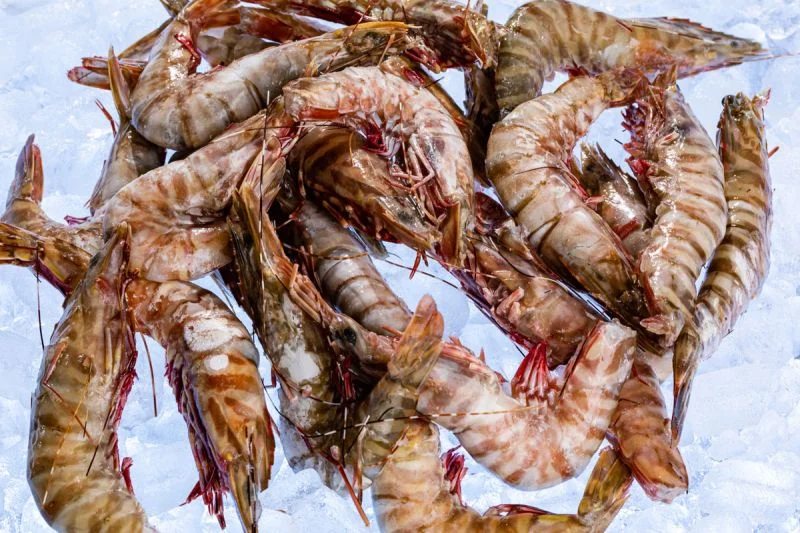
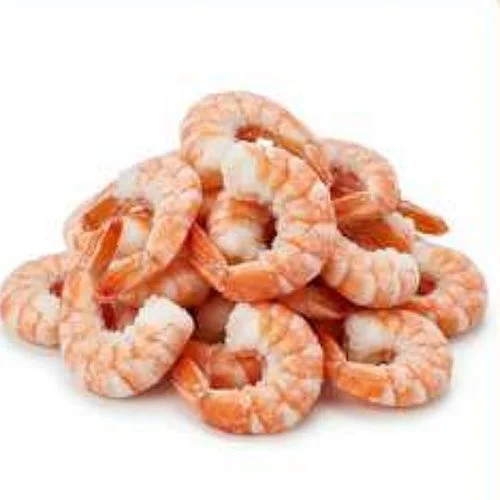
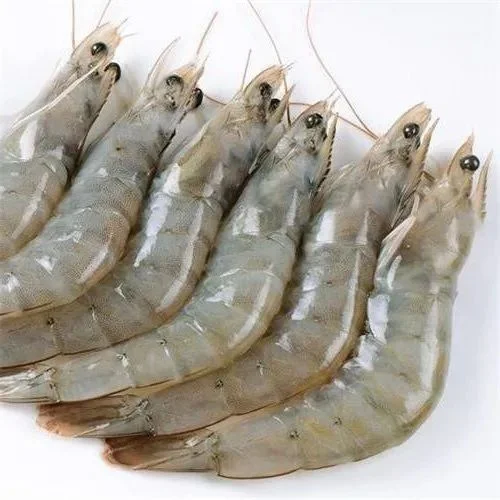
Ranjitha International’s catalogue features several shrimp and fish products: Vannamei shrimp (both fresh and frozen), Aquaculture Vannamei shrimps, P&D Vannamei, Fresh & Chilled Grouper (HS 0302.89), Fresh & Chilled Flower Prawns, Chilled Baraguda Fish (HS 0302.89), Chilled Sardine Fish (HS 0302.53), Frozen Cuttle Fish Whole (HS 0307.49), Ribbon Fish (HS 0303.79) and live Blue Swim Crab (HS 0306.33). In the shrimp segment, buyers typically look for size grades such as 16‑20 per count and an ice‑temperature of - 18 °C for frozen batches. Fish products are generally shipped whole or filleted, with moisture content below 75 % for chilled fish and under 65 % for frozen species. Industry standards often reference BAP or ASC certification for shrimp and ICES guidelines for fish freshness and handling.
Trade and Export Information - Ranjitha International
India ranks among the top global exporters of shrimp, crab and frozen fish, with the European Union, United States, Middle East and Southeast Asian markets accounting for the largest share of shipments. HS code 0306.33 (live blue swim crab) and 0302.89 (fresh/chilled marine fish) are routinely inspected under the EU’s Rapid Alert System for Food and Drugs (RASFF) and U.S. FDA import requirements. Typical certifications requested by importers include HACCP, BRC Global Standard for Food Safety and ISO 22000. Products are usually packed on insulated pallets with gel ice for chilled goods or in vacuum‑sealed cartons for frozen items, fitting into 20‑ft or 40‑ft containers under CIF or FOB terms. Indian exporters often work with port facilities in Mumbai, Chennai and Kochi, adhering to the Bureau of Indian Standards (BIS) for seafood quality.
Sourcing from Ranjitha International - Buyer Guidance
When sourcing from Ranjitha International, buyers should request a current HACCP or BRC certificate, as well as any ASC or BAP audit reports for shrimp products. Verify that product specifications such as shrimp count per kilogram, fish moisture level and ice‑temperature meet the buyer’s standard tolerances before confirming an order. Request a sample batch sealed in the same packaging material (e.g., insulated crate or vacuum‑pack) and a third‑party laboratory test report covering microbiological limits, heavy‑metal residues and pesticide levels. Confirm the HS code listed in the catalogue matches the intended customs declaration to avoid clearance delays.
Frequently Asked Questions About Ranjitha International
What seafood products does Ranjitha International list with HS codes?
The catalogue includes Chilled Blue Swim Crab (HS 0306.33), Fresh & Chilled Grouper and Baraguda Fish (HS 0302.89), Chilled Sardine Fish (HS 0302.53), Frozen Cuttle Fish Whole (HS 0307.49) and Ribbon Fish (HS 0303.79).
Which certifications are typically required for Indian shrimp and fish exports?
Importers usually require HACCP, BRC or ISO 22000 food‑safety certificates, and for shrimp they often ask for ASC or BAP audit reports. These should be confirmed with the supplier before shipment.
What packaging formats are standard for the chilled fish items?
Chilled fish such as grouper, baraguda and sardines are commonly packed on insulated pallets with gel ice, sealed in food‑grade polyethylene wraps, and loaded into 20‑ft or 40‑ft containers.
How are frozen shrimp and cuttlefish typically shipped?
Frozen shrimp and cuttlefish are usually vacuum‑sealed in polypropylene bags, placed in insulated boxes with dry ice or chilled water, and consolidated into refrigerated containers (reefers) for export.
What documents should a buyer request before placing an order?
Buyers should ask for the supplier’s HACCP/BRC certificate, a phytosanitary certificate, a commercial invoice with the correct HS code, and a laboratory test report covering microbiology and residue limits.
Is there a minimum order quantity (MOQ) for the shrimp products?
MOQs vary by product; for Vannamei shrimp the typical MOQ is around 500 kg, but the exact figure should be confirmed with the supplier based on the desired size grade and packaging.
What lead time is common for chilled versus frozen seafood shipments?
Chilled seafood generally ships within 3‑5 days after processing, while frozen products may require 7‑10 days to allow for blast‑freezing, packaging and container loading.
How can a buyer verify the HS code accuracy for a specific product?
The buyer should compare the product description and material (e.g., live blue swim crab) with the HS code provided (0306.33) and request a copy of the customs declaration or a pre‑shipment invoice that lists the code.




 , India