Raida Fashions Pvt. Ltd. — Verified Supplier
About Raida Fashions Pvt. Ltd. - Ladies Dresses Supplier in India
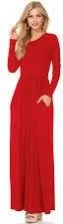
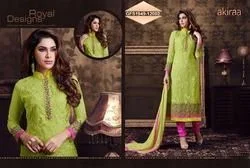
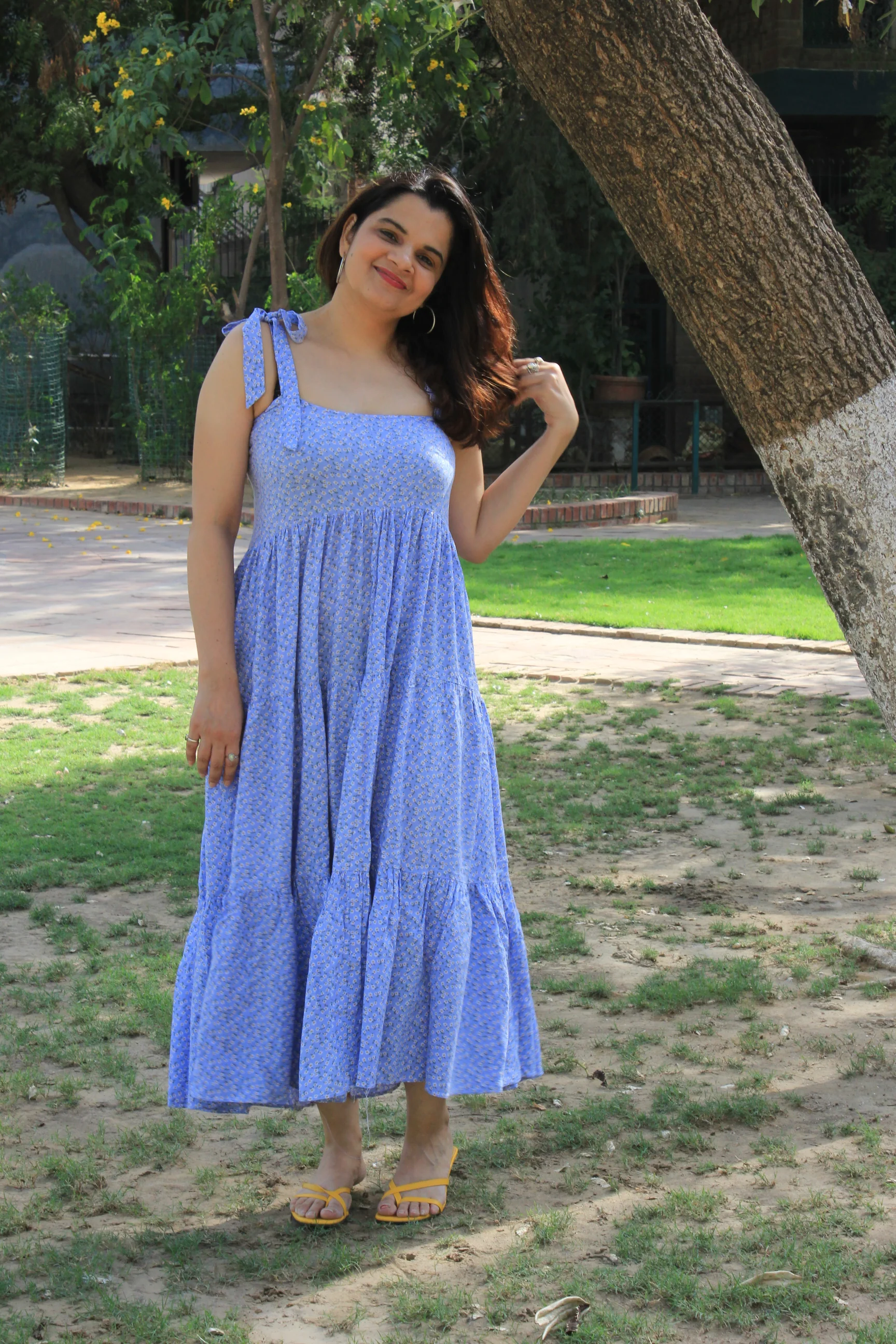
India‑based Raida Fashions Pvt. Ltd. lists thirty active products in its catalogue. The items are grouped under the categories Other Ladies Dresses, Ladies Tops, Ladies Skirts and Shirts & T‑Sheets. The catalogue includes baby dresses and baby pants made of 100 % cotton, a variety of tops in 100 % rayon, viscose, cotton slub jersey and yarn‑dyed fabrics, and skirts in cotton voile, polyester chiffon and rayon crape. It also contains long shirts, long dresses and printed dresses in cotton gauge, polyester crape and modal fabrics. Each SKU is identified by a product code such as RF‑TM‑003 for a baby dress. These garments fall under the standard apparel HS chapters for knitted (6101‑6103) and woven garments (6201‑6205).
Product Range and Specialties of Raida Fashions Pvt. Ltd.
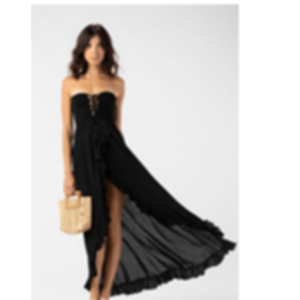
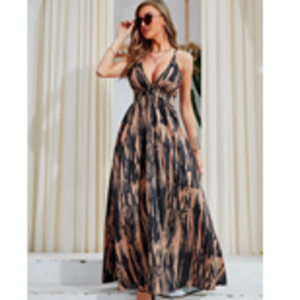
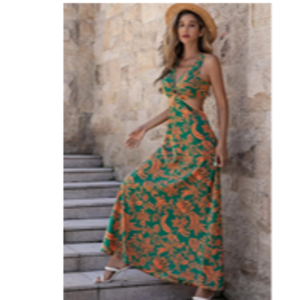
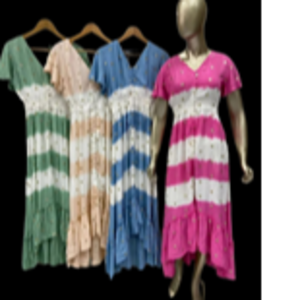
The supplier’s thirty SKUs cover baby wear, tops, skirts, dresses and shirts. Examples are a 100 % cotton baby dress (RF‑TM‑003), rayon crape tops (CT5326), yarn‑dyed cotton tops (CT5267), viscose knit tops (CT2404), printed rayon tops (CT5306), cotton slub jersey tops, rayon crape skirts, printed cotton voile skirts, polyester chiffon skirts, 60 s modal dresses, viscose slub crape dresses, printed polyester crape dresses, long cotton yarn‑dyed shirts and cotton gauge dresses. The material mix includes natural fibres (cotton, modal), regenerated cellulose (rayon, viscose) and synthetics (polyester). Typical fabric weights are 120‑180 gsm for tops, 180‑250 gsm for dresses and 150‑200 gsm for skirts, with shrinkage tolerances usually ≤5 % and colour‑fastness to washing at grade 4. Buyers often request Oeko‑Tex Standard 100 certificates for harmful‑substance testing, and GOTS certification where organic cotton is claimed. Standard specifications for rayon fabrics include a denier of 1.5‑2.0 and a moisture regain of about 11 %. Polyester chiffon is commonly supplied at 80‑120 gsm with a smooth hand‑feel.
Trade and Export Information - Raida Fashions Pvt. Ltd.
India is a major exporter of women’s apparel, with shipments typically destined for the United States, European Union, Middle East and Southeast Asian markets. Products such as the cotton‑rayon tops and polyester chiffon skirts are classified under HS Chapter 61 for knitted garments or Chapter 62 for woven garments, with specific sub‑headings ranging from 6103 to 6205 depending on construction and fibre content. Importers usually require test reports for fibre composition, colour‑fastness, dimensional stability and compliance with REACH restrictions on azo dyes. Common certifications requested by overseas buyers include Oeko‑Tex Standard 100, ISO 9001 for quality management and, where applicable, GOTS for organic cotton. Packing is generally in poly‑bagged individual pieces placed in 20‑ft or 40‑ft containers, with carton dimensions complying with ISPM 15 for wood packaging. Indian exporters often use CIF or FOB Incoterms, and freight forwarders handle customs clearance based on the HS codes and accompanying certificates of origin.
Sourcing from Raida Fashions Pvt. Ltd. - Buyer Guidance
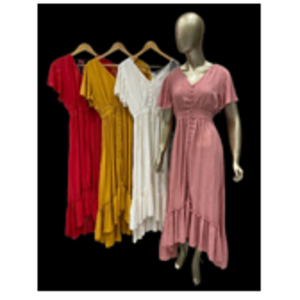
When sourcing from this supplier, buyers should obtain a detailed fabric composition certificate for each SKU to verify the stated fibre percentages. Request laboratory test reports covering shrinkage, colour‑fastness to washing, perspiration and light, as well as any relevant REACH or Oeko‑Tex compliance documents before confirming an order. Verify that the packaging specifications (e.g., poly‑bag dimensions, carton weight limits) match the buyer’s logistics requirements, and confirm the minimum order quantity and lead time for each product family. It is advisable to ask for a pre‑production sample or a small trial batch to assess stitch quality, fabric hand and colour accuracy against the supplier’s catalogue images.
Frequently Asked Questions About Raida Fashions Pvt. Ltd.
What types of garments does Raida Fashions Pvt. Ltd. list in its catalogue?
The catalogue includes baby dresses and pants in 100 % cotton, a range of ladies’ tops in rayon, viscose, cotton jersey and yarn‑dyed fabrics, skirts in cotton voile, polyester chiffon and rayon crape, as well as long shirts, long dresses and printed dresses in cotton gauge, polyester crape and modal fabrics.
Which fibre contents are most common in the listed products?
The products use natural fibres such as cotton and modal, regenerated cellulose like rayon and viscose, and synthetic polyester. Many items are 100 % cotton or 100 % rayon, while some dresses combine cotton with polyester or modal blends.
What HS code chapters apply to these apparel items?
These garments fall under HS Chapter 61 for knitted apparel and Chapter 62 for woven apparel. Specific sub‑headings range from 6103 (knitted tops) to 6205 (woven dresses and skirts) depending on construction and fibre composition.
Which certifications should a buyer request for these garments?
Buyers typically request Oeko‑Tex Standard 100 certificates for harmful‑substance compliance, ISO 9001 for quality management, and GOTS if any organic cotton is claimed. Additional REACH compliance documentation may be needed for colourants.
What standard quality tests are relevant for these products?
Standard tests include fibre composition analysis, shrinkage measurement (usually ≤5 %), colour‑fastness to washing (grade 4), colour‑fastness to light, and tensile strength for woven fabrics. Test reports for these parameters are commonly provided by accredited labs.
What are the usual packaging and shipping formats for these items?
Individual pieces are typically poly‑bagged and placed in cartons that are loaded into 20‑ft or 40‑ft containers. Export packaging complies with ISPM 15 for any wooden pallets, and Incoterms such as FOB or CIF are frequently used.
How can a buyer verify lead times and minimum order quantities?
The supplier lists lead times per product family in its catalogue; buyers should request a confirmed production schedule and minimum order quantity for each SKU before placing an order. Trial orders are often accepted to validate lead‑time estimates.
Is it possible to obtain samples before a full order?
Yes, the supplier can provide pre‑production samples or small trial batches. Samples allow verification of fabric hand, colour accuracy, stitching quality and compliance with the specifications described in the catalogue.




 , India