Quantum Business Management Group — Supplier

About Quantum Business Management Group - Multi‑Category Supplier in Australia

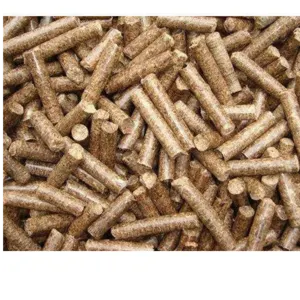
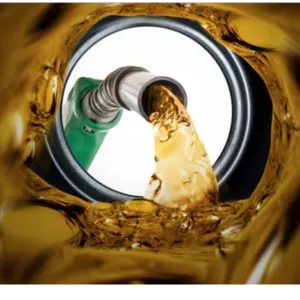
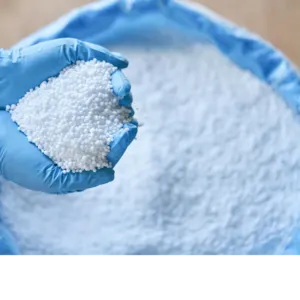
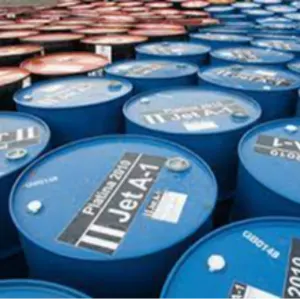
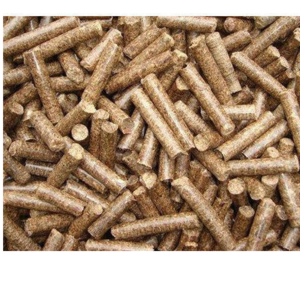
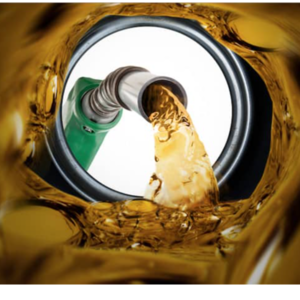
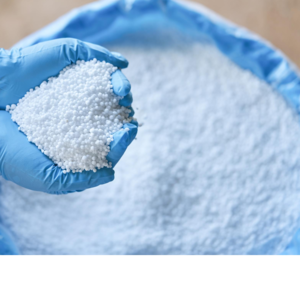
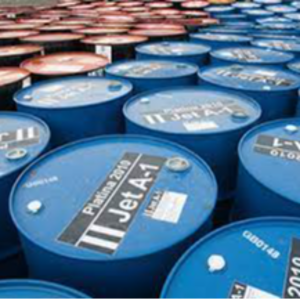
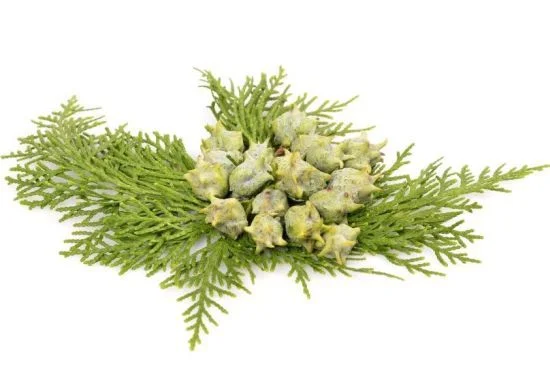
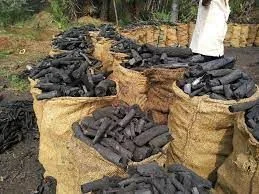
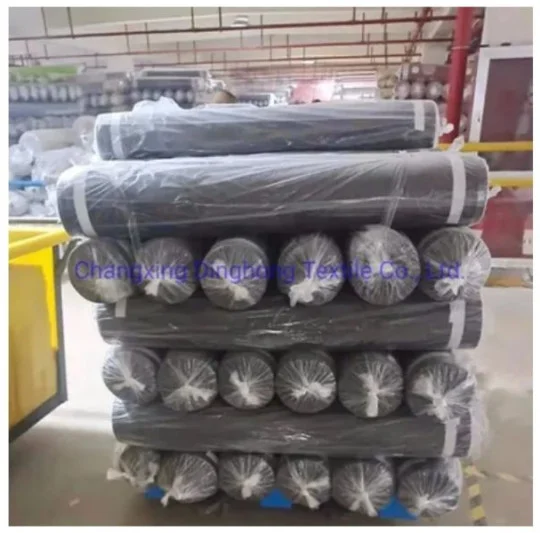
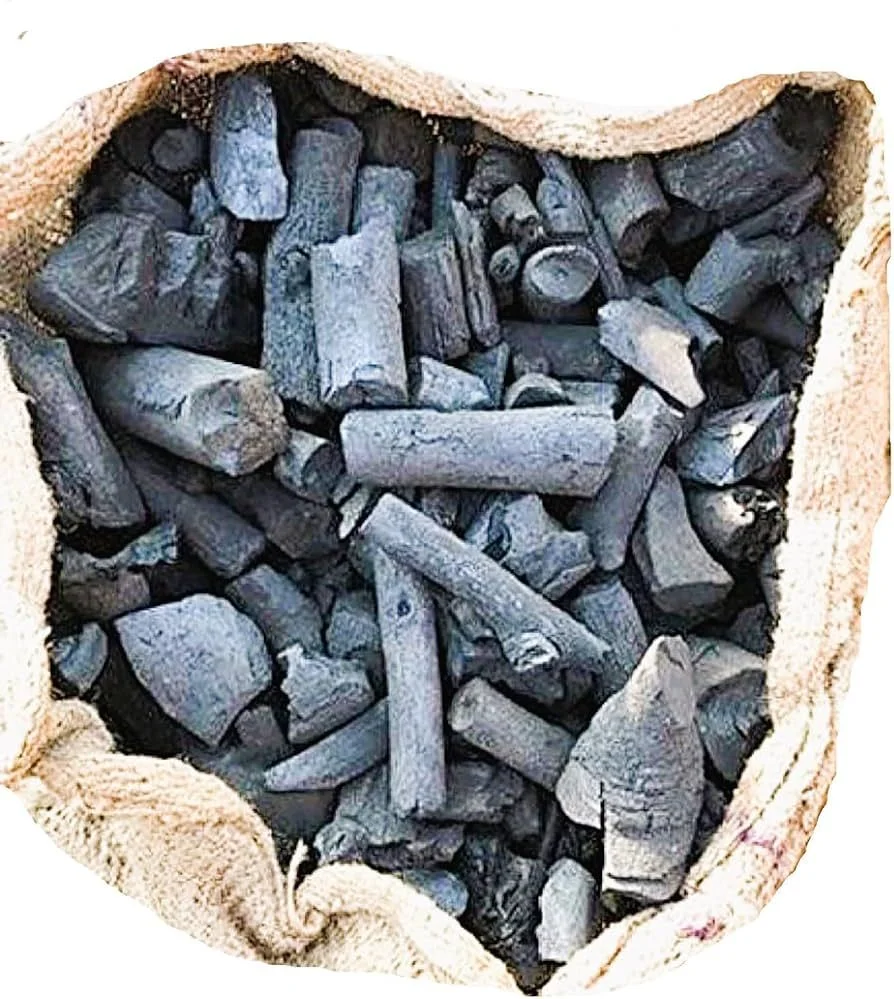
Quantum Business Management Group is based in Australia and currently lists five active products for export. The catalogue includes Jetfuel A1 (HS 2710.19, aviation turbine fuel), Urea (HS 3102.10, 46 % nitrogen fertilizer), Diesel (HS 2710.19, ultra‑low‑sulfur petroleum diesel), Wood Pellets (HS 4401.31, 100 % natural ash wood) and Textiles (HS 5208.39, cotton‑linen blend). Each entry specifies the HS code and material type as supplied by the company, providing clear tariff classification for customs processing. The supplier’s “top categories” also reference related sectors such as aviation supplies and fertilizers, aligning with the five listed items.

The listed products cover four distinct commodity groups: petroleum fuels, nitrogen fertilizer, renewable biomass fuel and blended textiles. Both Jetfuel A1 and Diesel fall under the HS 2710 family for refined petroleum products, while Urea is classified under HS 3102 for nitrogenous fertilizers. Wood Pellets are recorded under HS 4401 for wood waste and wood charcoal, and the textile blend is placed in HS 5208 for woven fabrics of cotton or other vegetable fibres. This structure allows buyers to locate the relevant tariff lines and anticipate the documentation required for import.

Product Range and Specialties of Quantum Business Management Group

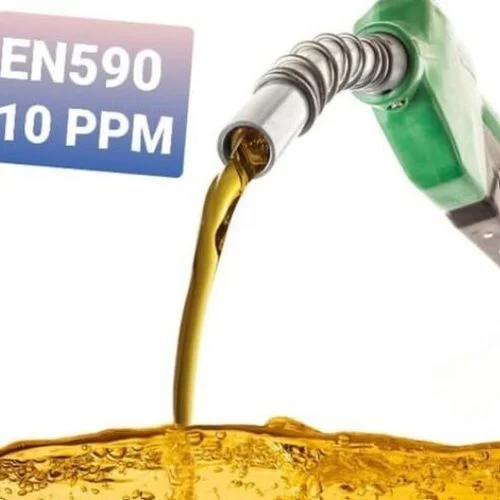
Quantum Business Management Group’s catalogue shows Jetfuel A1 meeting the ASTM D1655 specification, typically required to have a flash point ≥38 °C, freezing point ≤‑47 °C and sulfur ≤30 ppm. Diesel is listed as ultra‑low‑sulfur diesel (ULSD) complying with EN 590, which limits sulfur to 10 ppm and mandates a cetane number ≥51. Urea is supplied at 46 % nitrogen, the standard grade for agricultural use, and is usually shipped as granular granules meeting ISO 9001 quality management practices. Wood Pellets are described as 100 % natural ash wood, commonly produced to a moisture content ≤10 % and a calorific value of 16 - 18 MJ kg⁻¹, meeting EN 15284 specifications. The textile product is a cotton‑linen blend, generally offered in a GSM range of 150 - 200 and conforming to ISO 105‑C06 colourfastness standards.

Trade and Export Information - Quantum Business Management Group

Australian exporters of refined petroleum fuels such as Jetfuel A1 and Diesel typically serve markets in East Asia, the Middle East and Europe, where the HS 2710 code triggers strict compliance with ASTM or EN fuel standards and may require a Certificate of Origin and a third‑party inspection report (e.g., SGS or Bureau Veritas). Urea from Australia is commonly shipped to South‑East Asian and African agricultural markets; imports under HS 3102 often require a fertilizer analysis certificate and compliance with the International Fertilizer Association (IFA) guidelines. Wood Pellets are increasingly exported to the EU and Japan for biomass heating, with the HS 4401 code subject to EU Renewable Energy Directive verification and moisture‑content testing. Textile blends classified under HS 5208 are usually destined for North American and European apparel manufacturers, who frequently request compliance with Oeko‑Tex Standard 100 and a fabric composition test. Buyers generally request FOB or CIF terms, with bulk shipments in ISO tanks for fuels, 25 kg bags for Urea, 1 ton bulk bags for pellets and 40‑ft containers for textiles.

Typical logistics for these commodities involve temperature‑controlled ISO tanks for Jetfuel A1 and Diesel, sealed 25 kg bags for Urea, bulk‑bag or 20 ft container loads for Wood Pellets, and woven‑fabric bales or rolled packs for textiles. Australian export regulations mandate the completion of an Export Declaration, and many importers require pre‑shipment laboratory analysis (e.g., fuel flash point, sulfur content, nitrogen content, calorific value or fabric GSM) to satisfy customs and quality‑assurance protocols.

Sourcing from Quantum Business Management Group - Buyer Guidance

When sourcing Jetfuel A1 or Diesel from Quantum Business Management Group, buyers should request the latest fuel quality test report, an ASTM D1655 or EN 590 compliance certificate, and a loading‑port inspection report. For Urea, a fertilizer analysis certificate confirming 46 % nitrogen, moisture level and particle size distribution should be obtained before contract finalisation. Wood Pellet purchasers need a moisture‑content test, calorific value report and a phytosanitary certificate to meet EU or Asian import rules. Textile buyers should ask for a fabric composition certificate, GSM measurement, colourfastness test results and, where applicable, an Oeko‑Tex Standard 100 declaration.

Frequently Asked Questions About Quantum Business Management Group

What HS codes are used for the products listed by Quantum Business Management Group?

Jetfuel A1 and Diesel are classified under HS 2710.19, Urea under HS 3102.10, Wood Pellets under HS 4401.31 and Textiles under HS 5208.39.

Which quality standards apply to the Jetfuel A1 offered?

Jetfuel A1 is expected to meet ASTM D1655 specifications, including a flash point of at least 38 °C, freezing point ≤‑47 °C and sulfur content ≤30 ppm.

What certification documents should I request for the Urea product?

Request a fertilizer analysis certificate showing 46 % nitrogen, moisture content, particle size, and an ISO 9001 quality‑management statement if available.

Are there typical moisture or calorific value requirements for the Wood Pellets?

Australian wood pellets for export usually have moisture ≤10 % and a calorific value of 16 - 18 MJ kg⁻¹, verified by a third‑party laboratory report.

What are the common textile specifications for the cotton‑linen blend?

Buyers normally ask for GSM (150 - 200), fibre composition percentage, colourfastness (ISO 105‑C06) and any Oeko‑Tex Standard 100 compliance.

What incoterms are most frequently used for these product categories?

Exporters from Australia often use FOB or CIF terms; fuels are shipped in ISO tanks, Urea in 25 kg bags, pellets in bulk bags or containers, and textiles in 40‑ft containers.

Which certifications are typically required by importers for these goods?

Importers commonly require fuel test certificates (ASTM or EN), fertilizer analysis reports, phytosanitary certificates for biomass, and Oeko‑Tex or ISO 9001 for textiles.

What packaging formats are standard for each product?

Jetfuel A1 and Diesel are loaded into ISO tanks, Urea is packed in 25 kg polypropylene bags, Wood Pellets are supplied in bulk bags (1 ton) or 20‑ft containers, and Textiles are shipped in bales or rolled packs within 40‑ft containers.


Featured Products from this Supplier

Other Suppliers in Primary Category

Top Trusted Suppliers

Related Products

Trending in Parent Category

More Suppliers in Category

Related Products

Other Suppliers

EximNext
7.1K+ live requirements
Register Free🎁 Reach global buyers
Post Requirement
🌍 Trusted by 225K+ businesses in 200+ countries|
7.1K+ active requirements right now
✉️ [email protected]
|
Sell on EximNextPost Requirement
EximNext
AgricultureApparelConstructionElectronicFoodHomeIndustrialMineralsMiscellaneous
🔥 Deals|✨ AI Match|🏭 Suppliers|📋 Buy Leads|💰 Trade Finance
7.1K+ live RFQs·194.8K+ suppliers
🎁 Reach global buyers →
EximNext
EximNext
Register Free
🎁 Reach global buyers
Sign In
📋Post Requirement💬Get Quotes✨AI Match📋RFQ Marketplace
All Categories
Services & Tools
🏭Supplier Directory🔥Today's Deals💰Trade Finance
Sell on EximNext →
AboutContactBlogHelp
Agriculture & Food  ·  Australia
5
products listed

Quantum Business Management Group

⚓ Harbor
Country flag , AustraliaNew supplier / no reviews yet
🛡️
59/100
Trust Score

Quantum Business Management Group Product Catalog

Showing 5 of 5 products
View all products →
Textiles
⚓ Harbor
Textiles
Contact
MOQ: 1 Unit
Wood Pellets
⚓ Harbor
Wood Pellets
Contact
MOQ: 1 Unit
Diesel
⚓ Harbor
Diesel
Contact
MOQ: 1 Unit
Urea
⚓ Harbor
Urea
Contact
MOQ: 1 Unit
Jetfuel A1
⚓ Harbor
Jetfuel A1
Contact
MOQ: 1 Unit

About Quantum Business Management Group - Multi‑Category Supplier in Australia

Quantum Business Management Group is based in Australia and currently lists five active products for export. The catalogue includes Jetfuel A1 (HS 2710.19, aviation turbine fuel), Urea (HS 3102.10, 46 % nitrogen fertilizer), Diesel (HS 2710.19, ultra‑low‑sulfur petroleum diesel), Wood Pellets (HS 4401.31, 100 % natural ash wood) and Textiles (HS 5208.39, cotton‑linen blend). Each entry specifies the HS code and material type as supplied by the company, providing clear tariff classification for customs processing. The supplier’s “top categories” also reference related sectors such as aviation supplies and fertilizers, aligning with the five listed items.

The listed products cover four distinct commodity groups: petroleum fuels, nitrogen fertilizer, renewable biomass fuel and blended textiles. Both Jetfuel A1 and Diesel fall under the HS 2710 family for refined petroleum products, while Urea is classified under HS 3102 for nitrogenous fertilizers. Wood Pellets are recorded under HS 4401 for wood waste and wood charcoal, and the textile blend is placed in HS 5208 for woven fabrics of cotton or other vegetable fibres. This structure allows buyers to locate the relevant tariff lines and anticipate the documentation required for import.

Product Range and Specialties of Quantum Business Management Group

Quantum Business Management Group’s catalogue shows Jetfuel A1 meeting the ASTM D1655 specification, typically required to have a flash point ≥38 °C, freezing point ≤‑47 °C and sulfur ≤30 ppm. Diesel is listed as ultra‑low‑sulfur diesel (ULSD) complying with EN 590, which limits sulfur to 10 ppm and mandates a cetane number ≥51. Urea is supplied at 46 % nitrogen, the standard grade for agricultural use, and is usually shipped as granular granules meeting ISO 9001 quality management practices. Wood Pellets are described as 100 % natural ash wood, commonly produced to a moisture content ≤10 % and a calorific value of 16 - 18 MJ kg⁻¹, meeting EN 15284 specifications. The textile product is a cotton‑linen blend, generally offered in a GSM range of 150 - 200 and conforming to ISO 105‑C06 colourfastness standards.

Trade and Export Information - Quantum Business Management Group

Australian exporters of refined petroleum fuels such as Jetfuel A1 and Diesel typically serve markets in East Asia, the Middle East and Europe, where the HS 2710 code triggers strict compliance with ASTM or EN fuel standards and may require a Certificate of Origin and a third‑party inspection report (e.g., SGS or Bureau Veritas). Urea from Australia is commonly shipped to South‑East Asian and African agricultural markets; imports under HS 3102 often require a fertilizer analysis certificate and compliance with the International Fertilizer Association (IFA) guidelines. Wood Pellets are increasingly exported to the EU and Japan for biomass heating, with the HS 4401 code subject to EU Renewable Energy Directive verification and moisture‑content testing. Textile blends classified under HS 5208 are usually destined for North American and European apparel manufacturers, who frequently request compliance with Oeko‑Tex Standard 100 and a fabric composition test. Buyers generally request FOB or CIF terms, with bulk shipments in ISO tanks for fuels, 25 kg bags for Urea, 1 ton bulk bags for pellets and 40‑ft containers for textiles.

Typical logistics for these commodities involve temperature‑controlled ISO tanks for Jetfuel A1 and Diesel, sealed 25 kg bags for Urea, bulk‑bag or 20 ft container loads for Wood Pellets, and woven‑fabric bales or rolled packs for textiles. Australian export regulations mandate the completion of an Export Declaration, and many importers require pre‑shipment laboratory analysis (e.g., fuel flash point, sulfur content, nitrogen content, calorific value or fabric GSM) to satisfy customs and quality‑assurance protocols.

Sourcing from Quantum Business Management Group - Buyer Guidance

When sourcing Jetfuel A1 or Diesel from Quantum Business Management Group, buyers should request the latest fuel quality test report, an ASTM D1655 or EN 590 compliance certificate, and a loading‑port inspection report. For Urea, a fertilizer analysis certificate confirming 46 % nitrogen, moisture level and particle size distribution should be obtained before contract finalisation. Wood Pellet purchasers need a moisture‑content test, calorific value report and a phytosanitary certificate to meet EU or Asian import rules. Textile buyers should ask for a fabric composition certificate, GSM measurement, colourfastness test results and, where applicable, an Oeko‑Tex Standard 100 declaration.

Frequently Asked Questions About Quantum Business Management Group

What HS codes are used for the products listed by Quantum Business Management Group?

Jetfuel A1 and Diesel are classified under HS 2710.19, Urea under HS 3102.10, Wood Pellets under HS 4401.31 and Textiles under HS 5208.39.

Which quality standards apply to the Jetfuel A1 offered?

Jetfuel A1 is expected to meet ASTM D1655 specifications, including a flash point of at least 38 °C, freezing point ≤‑47 °C and sulfur content ≤30 ppm.

What certification documents should I request for the Urea product?

Request a fertilizer analysis certificate showing 46 % nitrogen, moisture content, particle size, and an ISO 9001 quality‑management statement if available.

Are there typical moisture or calorific value requirements for the Wood Pellets?

Australian wood pellets for export usually have moisture ≤10 % and a calorific value of 16 - 18 MJ kg⁻¹, verified by a third‑party laboratory report.

What are the common textile specifications for the cotton‑linen blend?

Buyers normally ask for GSM (150 - 200), fibre composition percentage, colourfastness (ISO 105‑C06) and any Oeko‑Tex Standard 100 compliance.

What incoterms are most frequently used for these product categories?

Exporters from Australia often use FOB or CIF terms; fuels are shipped in ISO tanks, Urea in 25 kg bags, pellets in bulk bags or containers, and textiles in 40‑ft containers.

Which certifications are typically required by importers for these goods?

Importers commonly require fuel test certificates (ASTM or EN), fertilizer analysis reports, phytosanitary certificates for biomass, and Oeko‑Tex or ISO 9001 for textiles.

What packaging formats are standard for each product?

Jetfuel A1 and Diesel are loaded into ISO tanks, Urea is packed in 25 kg polypropylene bags, Wood Pellets are supplied in bulk bags (1 ton) or 20‑ft containers, and Textiles are shipped in bales or rolled packs within 40‑ft containers.

About Quantum Business Management Group - Multi‑Category Supplier in Australia

Quantum Business Management Group is based in Australia and currently lists five active products for export. The catalogue includes Jetfuel A1 (HS 2710.19, aviation turbine fuel), Urea (HS 3102.10, 46 % nitrogen fertilizer), Diesel (HS 2710.19, ultra‑low‑sulfur petroleum diesel), Wood Pellets (HS 4401.31, 100 % natural ash wood) and Textiles (HS 5208.39, cotton‑linen blend). Each entry specifies the HS code and material type as supplied by the company, providing clear tariff classification for customs processing. The supplier’s “top categories” also reference related sectors such as aviation supplies and fertilizers, aligning with the five listed items.

The listed products cover four distinct commodity groups: petroleum fuels, nitrogen fertilizer, renewable biomass fuel and blended textiles. Both Jetfuel A1 and Diesel fall under the HS 2710 family for refined petroleum products, while Urea is classified under HS 3102 for nitrogenous fertilizers. Wood Pellets are recorded under HS 4401 for wood waste and wood charcoal, and the textile blend is placed in HS 5208 for woven fabrics of cotton or other vegetable fibres. This structure allows buyers to locate the relevant tariff lines and anticipate the documentation required for import.

Product Range and Specialties of Quantum Business Management Group

Quantum Business Management Group’s catalogue shows Jetfuel A1 meeting the ASTM D1655 specification, typically required to have a flash point ≥38 °C, freezing point ≤‑47 °C and sulfur ≤30 ppm. Diesel is listed as ultra‑low‑sulfur diesel (ULSD) complying with EN 590, which limits sulfur to 10 ppm and mandates a cetane number ≥51. Urea is supplied at 46 % nitrogen, the standard grade for agricultural use, and is usually shipped as granular granules meeting ISO 9001 quality management practices. Wood Pellets are described as 100 % natural ash wood, commonly produced to a moisture content ≤10 % and a calorific value of 16 - 18 MJ kg⁻¹, meeting EN 15284 specifications. The textile product is a cotton‑linen blend, generally offered in a GSM range of 150 - 200 and conforming to ISO 105‑C06 colourfastness standards.

Trade and Export Information - Quantum Business Management Group

Australian exporters of refined petroleum fuels such as Jetfuel A1 and Diesel typically serve markets in East Asia, the Middle East and Europe, where the HS 2710 code triggers strict compliance with ASTM or EN fuel standards and may require a Certificate of Origin and a third‑party inspection report (e.g., SGS or Bureau Veritas). Urea from Australia is commonly shipped to South‑East Asian and African agricultural markets; imports under HS 3102 often require a fertilizer analysis certificate and compliance with the International Fertilizer Association (IFA) guidelines. Wood Pellets are increasingly exported to the EU and Japan for biomass heating, with the HS 4401 code subject to EU Renewable Energy Directive verification and moisture‑content testing. Textile blends classified under HS 5208 are usually destined for North American and European apparel manufacturers, who frequently request compliance with Oeko‑Tex Standard 100 and a fabric composition test. Buyers generally request FOB or CIF terms, with bulk shipments in ISO tanks for fuels, 25 kg bags for Urea, 1 ton bulk bags for pellets and 40‑ft containers for textiles.

Typical logistics for these commodities involve temperature‑controlled ISO tanks for Jetfuel A1 and Diesel, sealed 25 kg bags for Urea, bulk‑bag or 20 ft container loads for Wood Pellets, and woven‑fabric bales or rolled packs for textiles. Australian export regulations mandate the completion of an Export Declaration, and many importers require pre‑shipment laboratory analysis (e.g., fuel flash point, sulfur content, nitrogen content, calorific value or fabric GSM) to satisfy customs and quality‑assurance protocols.

Sourcing from Quantum Business Management Group - Buyer Guidance

When sourcing Jetfuel A1 or Diesel from Quantum Business Management Group, buyers should request the latest fuel quality test report, an ASTM D1655 or EN 590 compliance certificate, and a loading‑port inspection report. For Urea, a fertilizer analysis certificate confirming 46 % nitrogen, moisture level and particle size distribution should be obtained before contract finalisation. Wood Pellet purchasers need a moisture‑content test, calorific value report and a phytosanitary certificate to meet EU or Asian import rules. Textile buyers should ask for a fabric composition certificate, GSM measurement, colourfastness test results and, where applicable, an Oeko‑Tex Standard 100 declaration.

Frequently Asked Questions About Quantum Business Management Group
What HS codes are used for the products listed by Quantum Business Management Group?
Jetfuel A1 and Diesel are classified under HS 2710.19, Urea under HS 3102.10, Wood Pellets under HS 4401.31 and Textiles under HS 5208.39.
Which quality standards apply to the Jetfuel A1 offered?
Jetfuel A1 is expected to meet ASTM D1655 specifications, including a flash point of at least 38 °C, freezing point ≤‑47 °C and sulfur content ≤30 ppm.
What certification documents should I request for the Urea product?
Request a fertilizer analysis certificate showing 46 % nitrogen, moisture content, particle size, and an ISO 9001 quality‑management statement if available.
Are there typical moisture or calorific value requirements for the Wood Pellets?
Australian wood pellets for export usually have moisture ≤10 % and a calorific value of 16 - 18 MJ kg⁻¹, verified by a third‑party laboratory report.
What are the common textile specifications for the cotton‑linen blend?
Buyers normally ask for GSM (150 - 200), fibre composition percentage, colourfastness (ISO 105‑C06) and any Oeko‑Tex Standard 100 compliance.
What incoterms are most frequently used for these product categories?
Exporters from Australia often use FOB or CIF terms; fuels are shipped in ISO tanks, Urea in 25 kg bags, pellets in bulk bags or containers, and textiles in 40‑ft containers.
Which certifications are typically required by importers for these goods?
Importers commonly require fuel test certificates (ASTM or EN), fertilizer analysis reports, phytosanitary certificates for biomass, and Oeko‑Tex or ISO 9001 for textiles.
What packaging formats are standard for each product?
Jetfuel A1 and Diesel are loaded into ISO tanks, Urea is packed in 25 kg polypropylene bags, Wood Pellets are supplied in bulk bags (1 ton) or 20‑ft containers, and Textiles are shipped in bales or rolled packs within 40‑ft containers.

Quantum Business Management Group
Country flag Australia
⚓ HarborAgriculture & Food
59/100
Trust Score
5
Products
✓ Free to contact — no commission
✓ Escrow payment available
✓ Verified business identity
Compare more suppliers
Post a requirement — get 10 quotes free
Let verified suppliers compete for your business. Free, fast, no commitment.
Due Diligence
Verify this supplier's real shipping history.
Every shipment, every buyer, every port. Trade data that can't be faked.
Run due diligence →
Discover More

Related Suppliers & Products

Explore similar suppliers, related products and trending categories

Featured Products from this Supplier

Other Suppliers in Primary Category

Top Trusted Suppliers

Related Products

Trending in Parent Category

More Suppliers in Category

Stay ahead in global trade
Weekly market insights & new supplier alerts.
EximNext
Exim Next is a leading global B2B marketplace, connecting over 220,000 registered suppliers and buyers across 200+ countries. As a trusted import export marketplace, it serves as the essential B2B portal for businesses worldwide, empowering them to expand their international reach. With Exim Next, businesses can trade smarter and grow faster.
SECURE PAYMENTS
VISAMastercardPayPalSWIFTL/CEscrow
Follow us
© 2026 EximNext