Ashoka Health Care — Verified Wholesaler & Wholesale Supplier
About Ashoka Health Care - Ayurvedic and Herbal Product Supplier in India
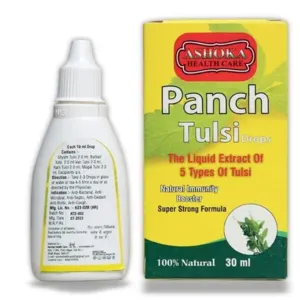
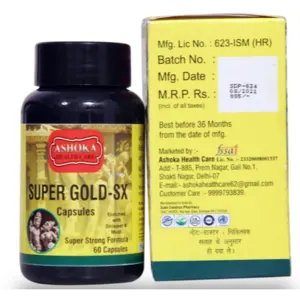
Ashoka Health Care is a supplier based in North Delhi, in the state of Delhi, India, with an active catalogue of 5 products spanning Ayurvedic formulations, herbal drops, capsules, oils and dried botanicals. The listed items cut across several distinct HS code families, including steviol glycoside preparations under HS 2938.90, finished Ayurvedic dosage forms under HS 3004.90, anhydrous milk fat and butter oil under HS 0405.90, and dried medicinal plant material under HS 1211.90. The supplier's top-level category tags also reference Sunflower Oil, Miswak, Dhoti, Beet Sugar, Licorice, Stevia, Mustard Oil and Sweeteners, indicating a broader trading interest in agro and wellness commodities alongside the core Ayurvedic line. The profile states activity in bulk supply both within India and to overseas buyers, with the named flagship items being Tulsi drops, Stevia drops, sugar control capsules, Super Gold-SX capsules and Super Gold-SX oil.
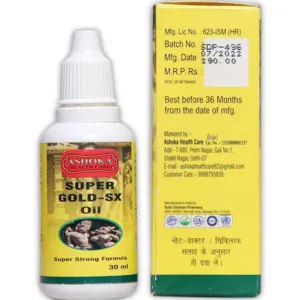
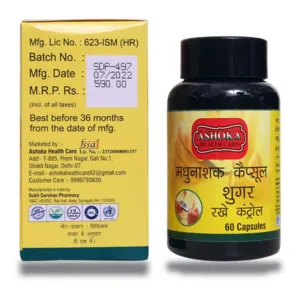
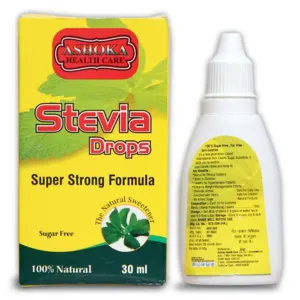
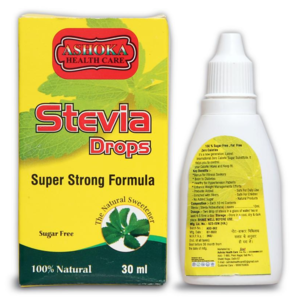
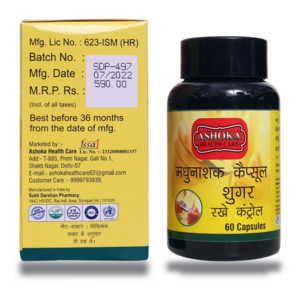
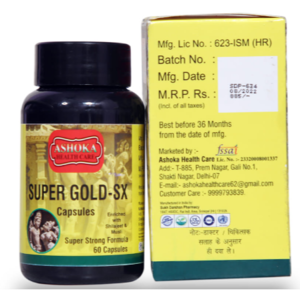
The five products in the active catalogue each carry a specific material specification. The Stevia Drops are formulated from Steviol Glycosides with a Rebaudioside A (Reb-A) content declared at 80 to 98 percent, placing them in the high-purity sweetener tier typical of food and beverage applications. The Madhu Nashak Capsule is an Ayurvedic herbal blend built around Gymnema sylvestre and Momordica charantia (bitter gourd) extracts, marketed for blood sugar management support. Super Gold SX Oil is listed under HS 0405.90 as anhydrous milk fat / butter oil (AMF/Ghee), while the Super Gold SX capsule uses a gold compound formulation in a gelatin or plant-based shell. Panch Tulsi is supplied as dried blended leaves of Ocimum tenuiflorum and related Tulsi species, classified under HS 1211.90 as dried medicinal plant material.
Product Range and Specialties of Ashoka Health Care
The Ashoka Health Care catalogue sits at the intersection of three trade segments: natural high-intensity sweeteners, classical Ayurvedic dosage forms, and dairy/anhydrous fat ingredients. Stevia Drops based on Rebaudioside A in the 80 to 98 percent range align with the food-grade Reb-A grades that international buyers typically specify for tabletop sweeteners, beverages and sugar-reduced formulations; lower purity grades (Reb-A 40 to 60 percent) are more common in mass-market blends, so a 95 percent plus Reb-A specification is what buyers usually request for premium applications. Madhu Nashak and Super Gold SX capsules fall under HS 3004.90, which covers medicaments in measured doses, and follow the Ayurvedic churna/extract-and-encapsulate format common across Indian herbal exporters, with Gymnema, Momordica charantia, Pterocarpus marsupium, Momordica, fenugreek and chromium picolinate being the most frequently cited botanicals for glycaemic support formulations. The Super Gold SX Oil entry under HS 0405.90 corresponds to anhydrous milk fat (AMF) and ghee, a dairy commodity traded globally in 15 to 25 kg tin or drum packs, with typical specifications including a minimum milk fat content of 99.8 percent, moisture below 0.1 percent and a Reichert value reflecting the dairy origin. Panch Tulsi (dried Ocimum leaves) under HS 1211.90 is a raw botanical used in herbal tea blends, Ayurvedic churnas and essential oil distillation, with buyers typically requesting moisture content below 10 percent, total ash limits and freedom from adulteration with non-Ocimum species.
Across the broader top-category tags, Sunflower Oil and Mustard Oil align with HS 1507 and HS 1514 respectively, the two edible oil grades most commonly exported from India in flexitank and 15 to 25 litre retail packs. Beet Sugar falls under HS 1701.91, with ICUMSA 45 being the standard refined white grade demanded by food and beverage importers, though ICUMSA 100 and 150 are also traded for industrial use. Licorice root and extract (Glycyrrhiza glabra) sits in HS 1302 and HS 1704.90 depending on form, with glycyrrhizin content typically specified at 5 to 20 percent for extracts. Miswak (Salvadora persica chewing sticks) and Dhoti (cotton woven garment) round out the listed categories, with dhoti fabric typically traded in 60 to 120 GSM cotton, counts of 60s to 80s, and lengths of 4 to 6 metres.
Trade and Export Information - Ashoka Health Care
India is one of the world's principal exporters of Ayurvedic and herbal products, stevia preparations, and anhydrous milk fat, with North Delhi and the broader National Capital Region functioning as a major wholesale and formulation hub. Steviol glycoside preparations under HS 2938.90 are typically exported to food and beverage manufacturers in the United States, the European Union, Japan, South Korea and the Gulf Cooperation Council states, where regulatory acceptance of high-purity Reb-A (95 percent and above) is well established. Ayurvedic capsules and herbal dosage forms under HS 3004.90 are commonly shipped to South-East Asia, the Middle East, Africa, the CIS countries and the European Union's complementary medicine market, with the United Arab Emirates and Saudi Arabia being particularly large destinations for Indian Ayurvedic lines. Anhydrous milk fat under HS 0405.90 is a globally traded dairy commodity, with India exporting to confectionery, bakery and recombined dairy processors in the Middle East, Africa and South-East Asia, usually in 15 to 25 kg food-grade tin containers or 190 kg steel drums. Dried Tulsi and other medicinal botanicals under HS 1211.90 are typically supplied to herbal extract manufacturers, tea blenders and essential oil processors in Europe, North America and Japan.
For buyers sourcing these categories, the certifications and documents most commonly required include a Certificate of Analysis (COA) with Reb-A percentage for stevia products, a phytosanitary certificate for dried botanicals, a health certificate and HACCP / ISO 22000 coverage for dairy-derived AMF, and a Drug License or AYUSH manufacturing licence for Ayurvedic dosage forms. Steviol glycoside exports to the EU additionally require compliance with EU Regulation 1333/2008 on food additives and a purity statement meeting JECFA specifications, while shipments to the United States fall under FDA 21 CFR 172.804 for stevia extract. Ayurvedic capsules exported as food supplements rather than medicines generally require a free sale certificate, product specification sheet, and stability data. Standard Indian export packaging for liquid drops is 30 ml to 100 ml amber glass or PET bottles in corrugated shippers, capsules are typically packed in 60 to 500 count HDPE bottles or blister packs in cartons, and AMF is shipped in sealed food-grade tins with nitrogen flushing for shelf life of 12 to 18 months. Incoterms commonly used by Indian herbal and dairy exporters are FOB Mumbai/Mundra/Nhava Sheva, CIF and CFR, with sea freight in 20 ft reefer containers for temperature-sensitive items and 40 ft dry containers for shelf-stable capsules and dried herbs.
Sourcing from Ashoka Health Care - Buyer Guidance
Buyers sourcing from Ashoka Health Care should treat the listed catalogue as a starting point and confirm several technical and regulatory details before placing a bulk order. For Stevia Drops, request the exact Rebaudioside A percentage (the catalogue states 80 to 98 percent, so clarify which grade is on offer), the carrier liquid (typically demineralised water or glycerine base), the caloric and carbohydrate profile, and a COA covering heavy metals, residual solvents and microbial limits. For the Madhu Nashak and Super Gold SX capsules under HS 3004.90, ask for the full ingredient declaration with extract ratios, the capsule shell composition (gelatin versus HPMC/plant-based), a stability study summary, and confirmation of AYUSH manufacturing licence coverage. For Super Gold SX Oil under HS 0405.90, request the milk fat percentage (AMF should be 99.8 percent minimum), moisture and free fatty acid values, the Reichert-Polenske value, and a veterinary/health certificate for dairy export. For Panch Tulsi under HS 1211.90, request moisture content (typically below 10 percent), total ash, microbial load and confirmation that the material is single-origin Ocimum tenuiflorum rather than a multi-species blend with adulterants.
In practice, the most useful pre-shipment verifications for these categories are: a third-party pre-shipment inspection (SGS, Bureau Veritas or Intertek) covering labelling, net weight and visual defects; a COA matched to the buyer's own specification sheet; and, where applicable, a sample shipment of 1 to 5 kg for laboratory confirmation before the full container is booked. For stevia and Ayurvedic capsules, buyers should also confirm whether the product is positioned as a food, a food supplement or an Ayurvedic medicine, since this determines labelling, claims and import documentation in the destination market. Lead times for Indian herbal and dairy exporters typically run 15 to 30 days for finished stock items and 30 to 60 days for custom formulations, with MOQs commonly starting at one 20 ft container (roughly 15 to 20 MT for dried herbs, 8 to 12 MT for liquid drops in cartons, and 16 to 18 MT for AMF in tins).
Frequently Asked Questions About Ashoka Health Care
What product categories does Ashoka Health Care list?
The active catalogue contains 5 products across Ayurvedic dosage forms, herbal sweeteners, dairy fat and dried botanicals: Stevia Drops (HS 2938.90), Madhu Nashak Capsule (HS 3004.90), Super Gold SX Oil / AMF (HS 0405.90), Super Gold SX Capsule (HS 3004.90) and Panch Tulsi dried leaves (HS 1211.90). Broader category tags on the profile also reference Sunflower Oil, Mustard Oil, Beet Sugar, Licorice, Miswak, Dhoti and Sweeteners.
What stevia purity grade is offered in the Stevia Drops?
The catalogue lists Rebaudioside A content in the 80 to 98 percent range. Buyers should confirm the exact Reb-A percentage on offer, the carrier liquid, and a Certificate of Analysis covering heavy metals, residual solvents and microbial limits before ordering.
Which certifications should a buyer request for the Ayurvedic capsules?
Request a current AYUSH manufacturing licence, a Drug License where the product is positioned as an Ayurvedic medicine, a free sale certificate for food-supplement positioning, full ingredient declaration with extract ratios, and stability data. For export to the EU, also confirm compliance with the relevant food supplement directive and labelling rules.
What specifications apply to the Super Gold SX Oil listed under HS 0405.90?
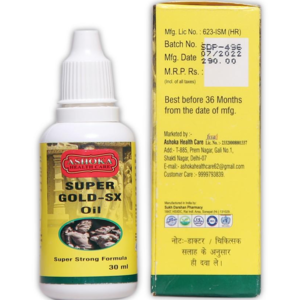
Super Gold SX Oil is listed as anhydrous milk fat / butter oil (AMF/Ghee). Typical AMF specifications include a minimum 99.8 percent milk fat, moisture below 0.1 percent, low free fatty acids and a Reichert value consistent with dairy origin. Confirm the exact values on the supplier's COA and request a health certificate for dairy export.
What documents are typically required for dried Panch Tulsi exports?
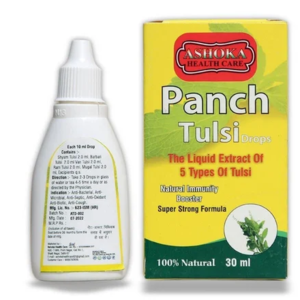
For dried Ocimum tenuiflorum under HS 1211.90, buyers usually require a phytosanitary certificate, a COA covering moisture (commonly below 10 percent), total ash and microbial load, and confirmation of single-species origin. Fumigation certificate and an aflatoxin test report are also commonly requested by EU and Gulf buyers.
What is the typical MOQ and lead time for orders from North Delhi?
For stock herbal and Ayurvedic items, Indian exporters typically work to a one 20 ft container MOQ, roughly 15 to 20 MT for dried botanicals and 8 to 12 MT for bottled drops. Lead times are usually 15 to 30 days for in-stock items and 30 to 60 days for custom formulations or private-label runs.
Which Incoterms and shipping methods are standard for these goods?
Indian exporters of herbal and dairy products most commonly quote FOB Mumbai, Mundra or Nhava Sheva, with CIF and CFR also standard. Stevia drops and AMF are typically shipped in 20 ft reefer containers for temperature stability, while capsules and dried Tulsi usually move in 40 ft dry containers.
Can Ashoka Health Care supply the broader categories listed in its profile tags?
The profile tags reference Sunflower Oil, Mustard Oil, Beet Sugar, Licorice, Miswak and Dhoti alongside the active Ayurvedic catalogue. Buyers interested in these additional categories should confirm current availability, grade (for example ICUMSA 45 for beet sugar, fabric GSM and count for dhoti) and HS code, since they fall outside the 5 active catalogue items.




 North Delhi, India