Van Aroma — Verified Manufacturer & Wholesale Supplier
About Van Aroma - Fragrances & Incense Supplier in Indonesia
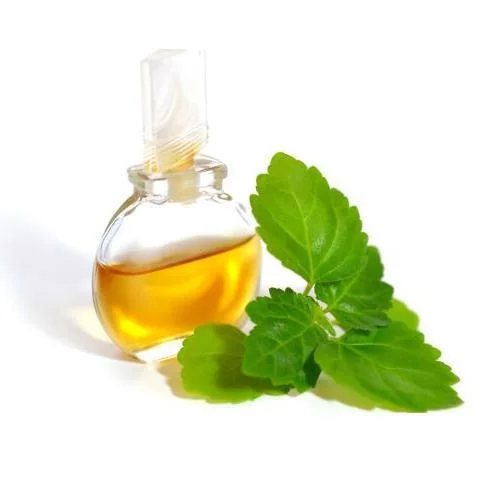
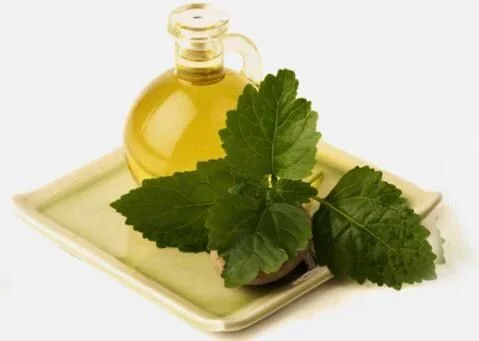
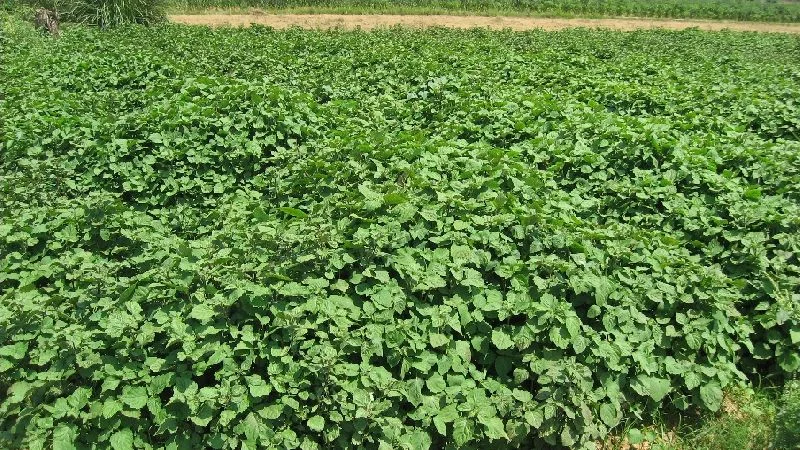
Indonesia, West Java, is the base of Van Aroma which lists ten active products in its catalogue. The listed items belong to essential oil and related fragrance categories and are recorded under HS chapter 33 (HS code 3301.29) for most oils, with a single entry under HS code 2909.29 for a clove‑derived isoeugenol product. The catalogue includes eugenol USP at 99.5 % purity, citronella Java oil, several grades of clove leaf and bud oil, nutmeg oil, ginger oil, and three variants of patchouli oil distinguished by acid value and iron content. All products are described with their material type and specific HS code as provided in the source data.
The product set covers typical raw materials used in aromatherapy, fragrance blending, and flavor formulation. Van Aroma’s portfolio reflects common industry groupings such as citrus, woody, and spicy essential oils, each falling under the 3301.29 HS classification that customs authorities associate with natural aromatic extracts. The presence of a 2909.29 entry indicates a partially refined clove oil component, a category usually subject to separate tariff treatment.
Product Range and Specialties of Van Aroma
The catalogue presents ten distinct essential oil products, each identified by a product code and material description. Typical industry practice for these oils includes specifying purity (e.g., eugenol USP 99.5 %), acid value (e.g., patchouli oil < 5 % or < 8 % acid), and metal content (iron‑free specification). Buyers often look for GC‑MS or HPLC certificates that confirm the listed purity and compositional limits. In the broader market, patchouli oil is graded by acid value and color, clove oil by eugenol content, and citronella or lemongrass oils by citronellal or citral percentages respectively. Standard packaging for such oils ranges from 1 L glass bottles to 25 kg drums, with moisture content typically below 0.1 % for stable storage.
Industry standards for essential oils also reference International Fragrance Association (IFRA) safety parameters and, where applicable, organic certification schemes. While Van Aroma’s profile notes an organic supplier tier, buyers should verify any organic or Fair‑Trade claims against recognized certificates such as USDA Organic or EU Organic.
Trade and Export Information - Van Aroma
Indonesia is a major exporter of tropical essential oils, and customs data shows that HS 3301.29 products flow primarily to the United States, European Union, Japan, and the Middle East for use in perfumery, cosmetics, and food flavoring. Export logistics typically involve 20‑ft or 40‑ft containers packed in sealed drums or bulk tankers, with temperature‑controlled handling recommended for volatile oils. Commonly required certifications for Indonesian essential oils include FSSC 22000 (held by Van Aroma), ISO 9001, and GMP compliance, while buyers often request a Certificate of Origin and phytosanitary certificates for organic or food‑grade applications. The 2909.29 clove oil entry is classified under “Other vegetable oils and fats” and may be subject to additional inspection for residual solvents under EU REACH or US FDA regulations.
Customs authorities in importing regions frequently inspect for correct HS coding, accurate declaration of acid value, and compliance with anti‑adulteration standards. Packaging must meet UN 21 standards for hazardous liquids when the oil’s flash point is below 60 °C, and safety data sheets (SDS) are normally required for all shipments.
Sourcing from Van Aroma - Buyer Guidance
When sourcing from Van Aroma, buyers should request a recent Certificate of Analysis that details purity, acid value, and metal content for each oil. For organic‑labeled items, an up‑to‑date organic certification and a traceability report are advisable. Because essential oils are volatile, confirm that the supplier provides a full Safety Data Sheet and specifies the packaging material (glass versus steel) to avoid degradation during transit.
Verify that the HS codes on the commercial invoice match the product descriptions; mismatches can trigger customs delays. Typical minimum order quantities for bulk essential oils range from 100 kg to 1 ton, depending on the oil and packaging option, and lead times are often 4‑6 weeks after sample approval. Requesting a sample batch with accompanying GC‑MS data helps validate the oil’s aromatic profile before committing to larger volumes.
Frequently Asked Questions About Van Aroma
What essential oil products does Van Aroma list in its catalogue?
Van Aroma lists ten products, including eugenol USP 99.5 %, citronella Java oil, clove leaf oil (85 % grade), clove bud oil, nutmeg oil, isoeugenol trans 92 %, fresh ginger oil, and three patchouli oil variants differentiated by acid value and iron content, all classified under HS 3301.29 except the isoeugenol which uses HS 2909.29.
Which certifications does Van Aroma hold?
The supplier’s profile states that it holds FSSC 22000 certification. Buyers should also confirm any additional certifications such as ISO 9001, GMP, or organic certificates that may be required for their specific market.
What documentation should a buyer request before placing an order?
Request a current Certificate of Analysis, Safety Data Sheet, Certificate of Origin, and, if applicable, organic certification. For the clove‑derived isoeugenol, a solvent‑residue test report may also be required.
What are typical packaging options for these essential oils?
Standard packaging includes 1 L glass bottles for small batches, 25 kg steel drums for larger volumes, and bulk tank containers for shipments exceeding 1 ton. All packaging must meet UN 21 standards for flammable liquids when the oil’s flash point is low.
What are common minimum order quantities and lead times?
Bulk essential oils usually have MOQ of 100 kg to 1 ton, with lead times of 4‑6 weeks after sample approval and receipt of required certifications.
Which markets typically import Indonesian essential oils?
Key import regions are the United States, European Union, Japan, and the Middle East, where the oils are used in perfumery, cosmetics, and food flavoring industries.
Are there specific quality parameters buyers should verify?
Buyers should verify purity percentages (e.g., eugenol USP 99.5 %), acid value limits for patchouli oil (< 5 % or < 8 %), metal content (iron‑free specifications), and moisture content below 0.1 %.
How are HS codes used for customs clearance of these products?
HS 3301.29 covers natural essential oils and fragrance preparations, while HS 2909.29 applies to clove‑derived isoeugenol. Accurate HS coding on invoices and packing lists is essential to avoid customs delays and ensure correct tariff treatment.





 , Indonesia