PT Zona Indo Karya — Verified Supplier
About PT Zona Indo Karya - Multi‑Product Supplier in Indonesia
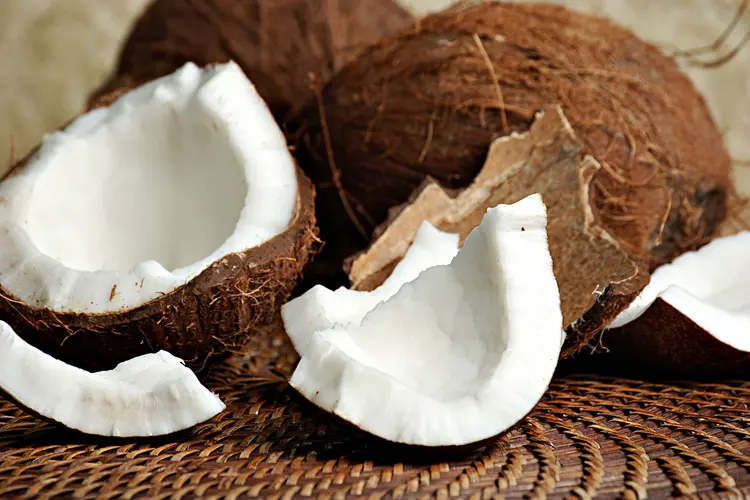
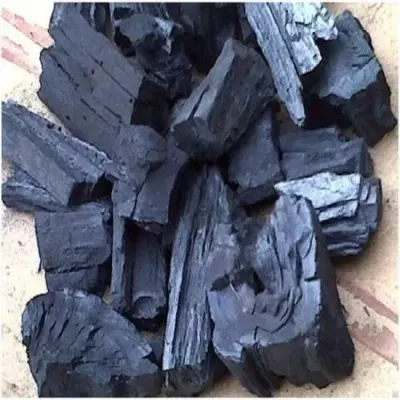
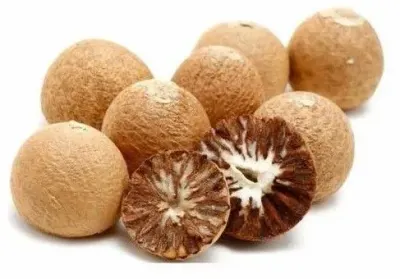
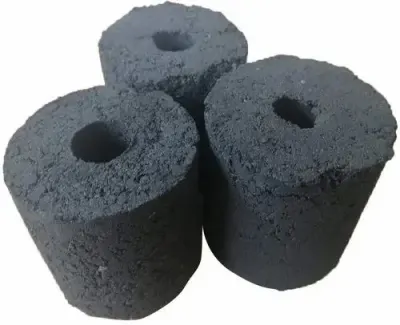
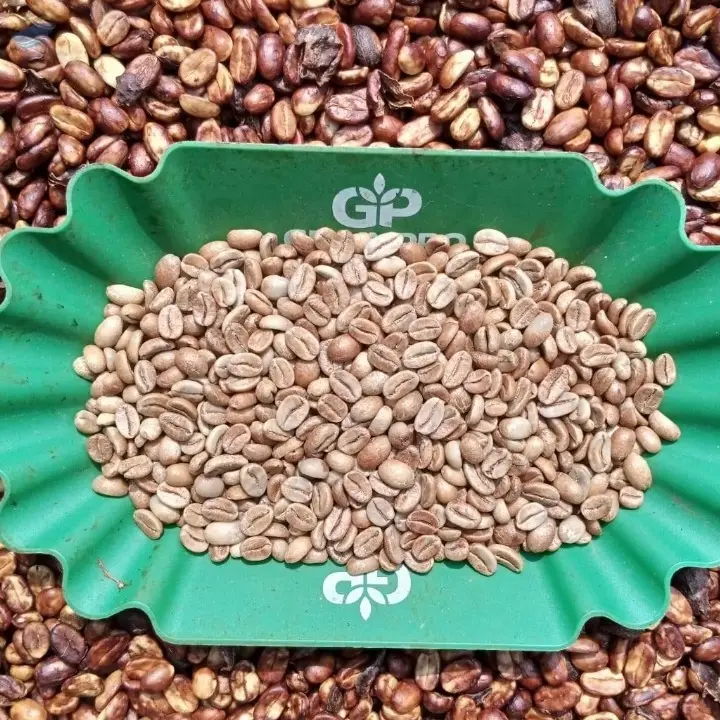
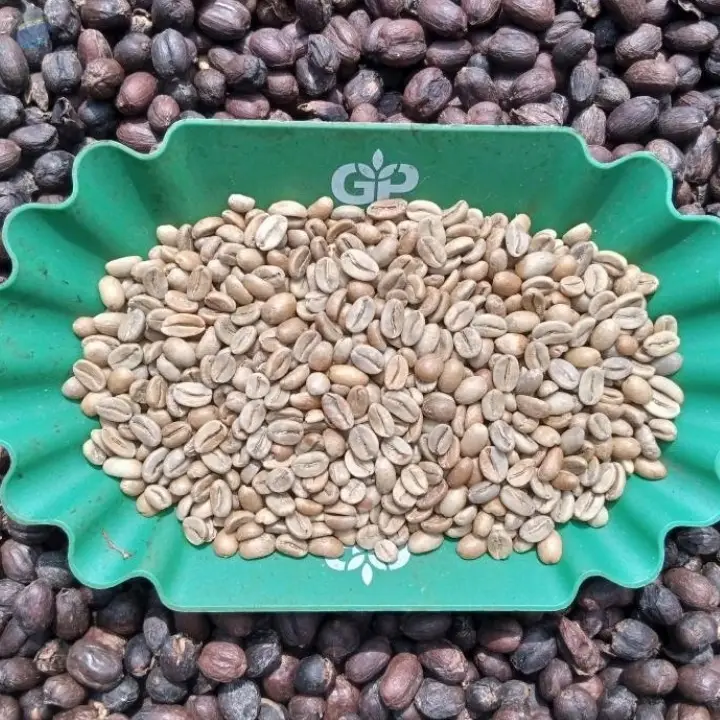
PT Zona Indo Karya operates out of Indonesia and lists ten active products across a variety of agro‑industrial categories. The catalogue includes cocoa, coffee, coconut palm sugar, betel nut, a range of spices, coconut and several forms of charcoal such as briquette, wood and coconut‑shell charcoal, as well as cocopeat for horticultural use. Each entry is identified by its generic product name without detailed sub‑specifications in the supplied data. The supplier positions itself as an exporter for both domestic and international markets, focusing on items produced by micro, small and medium enterprises in Indonesia.
The listed products cover both raw agricultural commodities (e.g., cocoa beans, coffee beans, betel nut) and processed goods (e.g., palm sugar, dehydrated spices, various charcoals). No HS codes or certification claims are provided in the source facts, so the description remains limited to the product titles and the total count of ten items. The supplier’s stated focus is on enabling Indonesian producers to reach overseas buyers, which implies handling of export documentation and logistics for the listed categories.
Product Range and Specialties of PT Zona Indo Karya
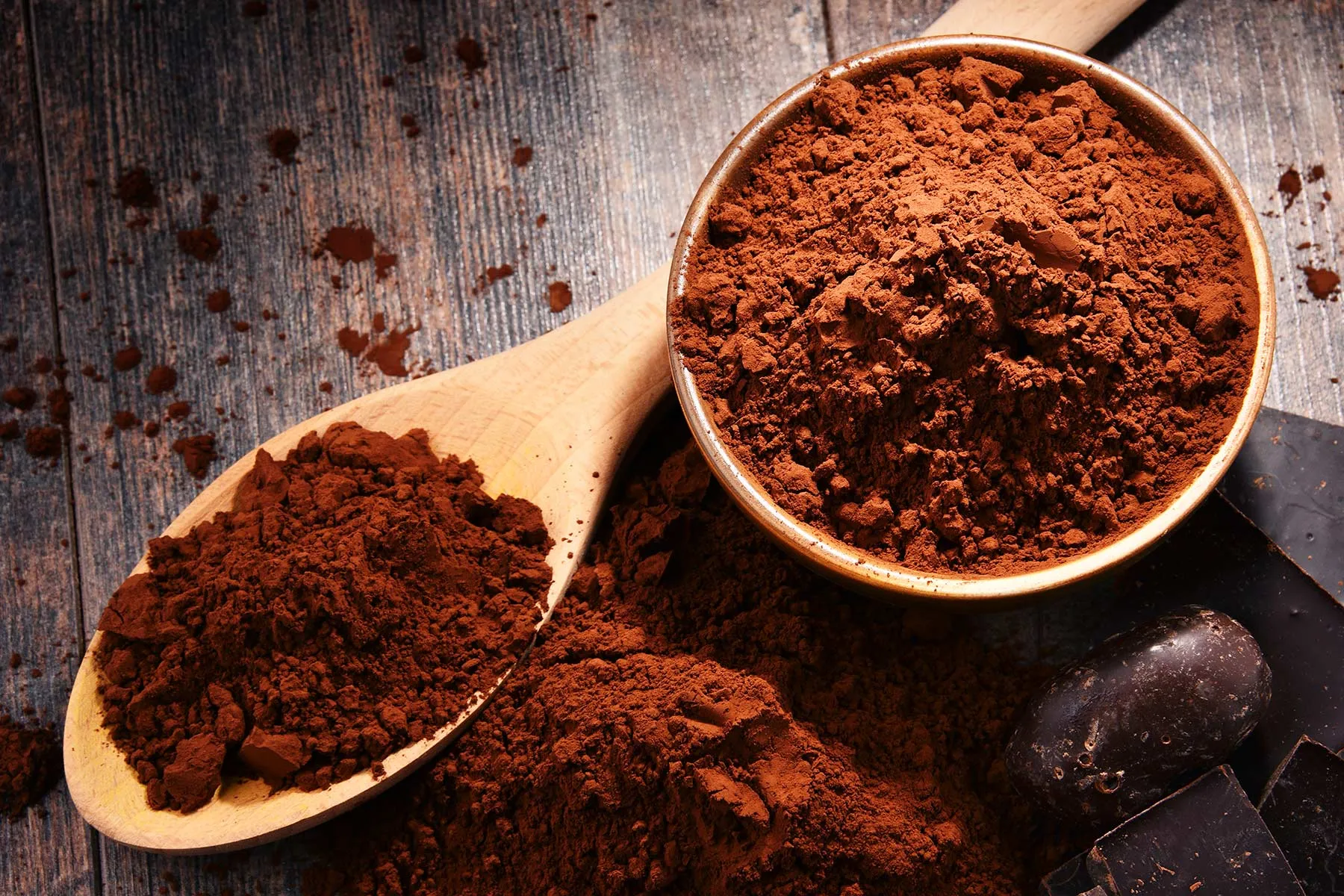
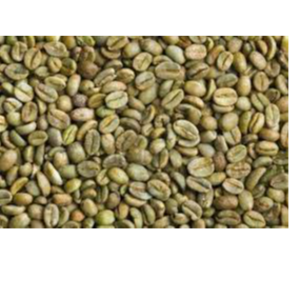
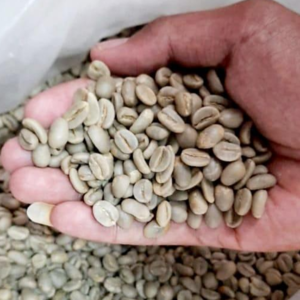
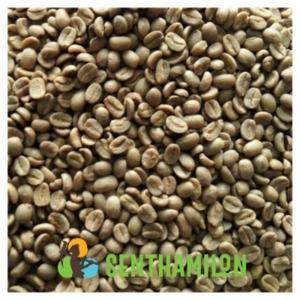
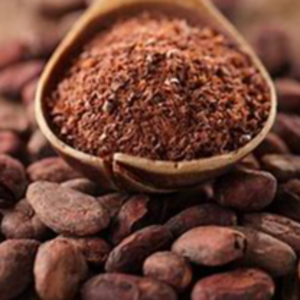
The catalogue spans major Indonesian export commodities. Cocoa is typically graded by the International Cocoa Organization using ICUMSA numbers, with ICUMSA 45 representing a premium white bean and ICUMSA 70 a common commercial grade. Coffee from Indonesia is usually classified as Arabica (grade 1‑3) or Robusta (grade 1‑2) with moisture limits around 12 % and a cupping score that buyers reference. Coconut palm sugar is sold as a granulated or solid block product, often requiring a moisture content below 8 % and a sucrose purity of 95 % or higher. Charcoal products such as briquette, wood and coconut‑shell charcoal are measured by calorific value (typically 5 000 - 7 500 kcal kg⁻¹) and ash content (under 5 %). Spices are generally dried to a moisture level below 12 % and may be offered in whole or ground forms. Cocopeat is a horticultural substrate with a typical bulk density of 120 - 150 kg m⁻³ and a pH range of 5.5 - 6.5.
Trade and Export Information - PT Zona Indo Karya
Indonesia is a major supplier of cocoa, coffee, spices and charcoal to regions including the European Union, United States, China and the Middle East. Buyers of these commodities usually require compliance with food safety schemes such as ISO 22000, HACCP or the EU’s General Food Law, and may request phytosanitary certificates for raw plant material. Charcoal exporters often need to demonstrate compliance with the International Maritime Organization’s MARPOL regulations for solid bulk cargoes and may provide fire‑safety test reports. Typical packaging includes jute bags (50 kg) for cocoa and coffee, bulk drums for palm sugar, and woven polypropylene bags (25 kg) for spices and charcoal. Freight is commonly arranged on 20 ft or 40 ft containers, with CIF or FOB terms used in Indonesian export contracts.
Sourcing from PT Zona Indo Karya - Buyer Guidance
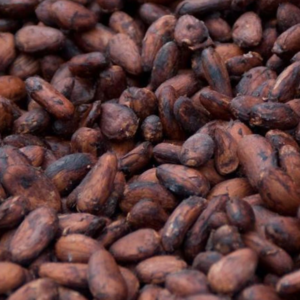
When sourcing from PT Zona Indo Karya, buyers should request the latest laboratory analysis for each commodity, such as ICUMSA grading for cocoa, moisture and ash content for charcoal, and sucrose purity for palm sugar. Photographic samples or physical samples of spices, betel nut and cocopeat help verify grain size, color and bulk density. Buyers are advised to confirm that the supplier can provide phytosanitary certificates, origin certificates and any applicable food‑safety audit reports before shipment. Clarify packaging options, container loading plans and the Incoterm that will govern transport to avoid unexpected handling charges.
Frequently Asked Questions About PT Zona Indo Karya
What grades of cocoa does PT Zona Indo Karya offer?
The supplier lists cocoa without a specific grade, so buyers should ask for the ICUMSA number and a recent moisture analysis to determine suitability.
Can I obtain a moisture and ash report for the charcoal products?
Yes, request a test certificate showing calorific value, moisture (typically under 10 %) and ash content (usually below 5 %).
What certifications are available for the coffee and spices?
The facts do not list certifications; buyers should ask for ISO 22000, HACCP or any national food‑safety audit reports that the supplier can provide.
What packaging sizes are used for coconut palm sugar?
Coconut palm sugar is commonly packed in 25 kg or 50 kg polypropylene bags; confirm the exact size with the supplier.
Is a phytosanitary certificate required for betel nut exports?
International buyers typically require a phytosanitary certificate for raw plant products, so request this document before shipment.
What is the typical lead time for a full container load of coffee?
Lead times for Indonesian coffee usually range from 30 to 45 days after order confirmation, depending on harvest season and container availability.
How are spices usually packed for export?
Spices are generally packed in 25 kg woven polypropylene bags, sealed to protect against moisture, and stacked in standard 20 ft or 40 ft containers.
Can I receive a sample of cocopeat before placing a bulk order?
Suppliers often provide a small sample (e.g., 5 kg) of cocopeat for testing bulk density and pH; ask PT Zona Indo Karya to arrange a sample shipment.




 , Indonesia