PT Sionchem Global Indo — Supplier
About PT Sionchem Global Indo - Coconut Oil Supplier in Indonesia
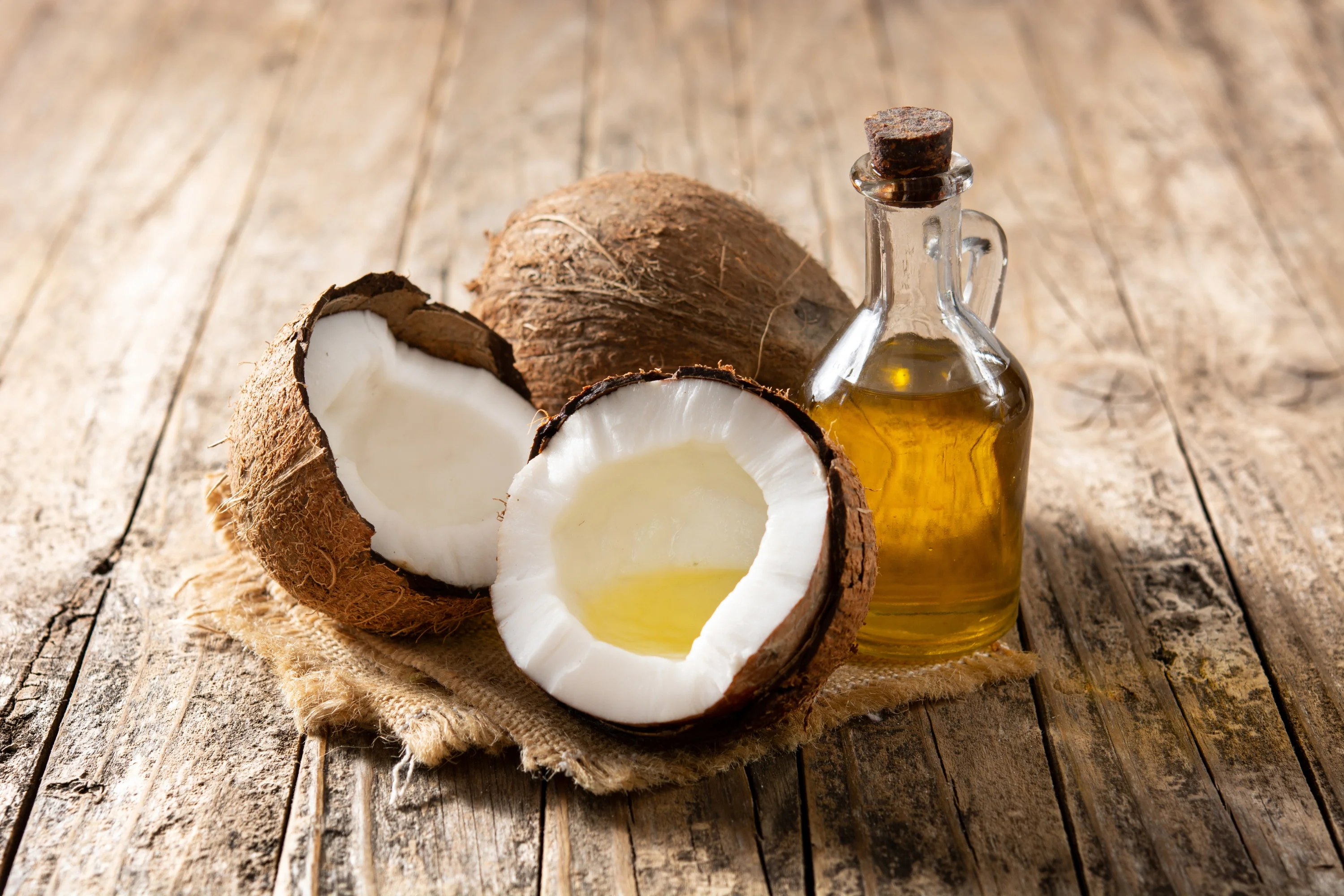
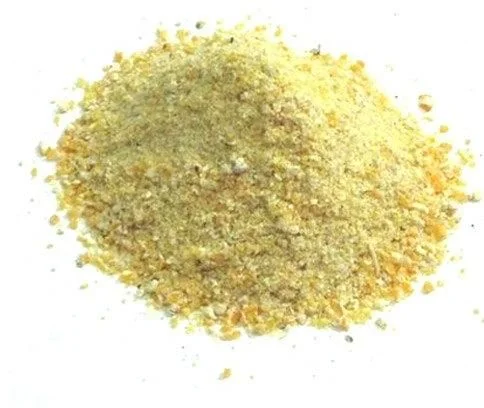
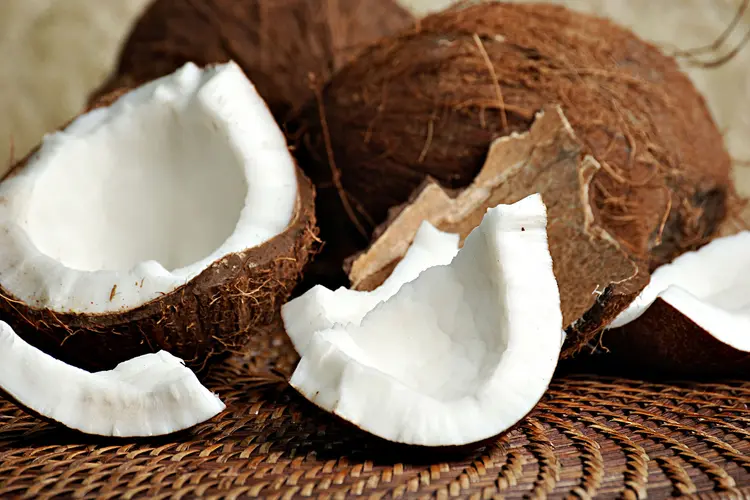
Indonesia hosts PT Sionchem Global Indo, which currently lists six active products across its catalogue. The company’s portfolio covers coconut oil variants, a specialty tamanu essential oil, copra meal, and coconut fiber. Listed items include Refined, Bleached and Deodorized (RBD) Coconut Oil, Crude Coconut Oil, Hydrogenated Coconut Oil, Pure Natural Tamanu Oil, Copra Meal and Coconut Fiber. These products belong to HS code families such as 1515 for edible coconut oils, 1207 for copra and related meals, and 4602 for coir fibers. The supplier is classified in the harbor trust tier, indicating a mid‑level verification status.
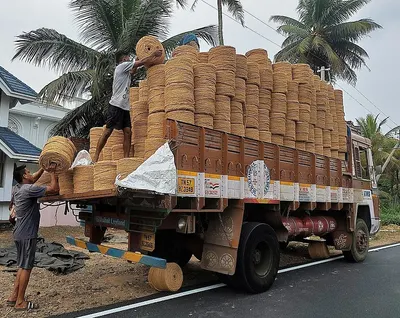
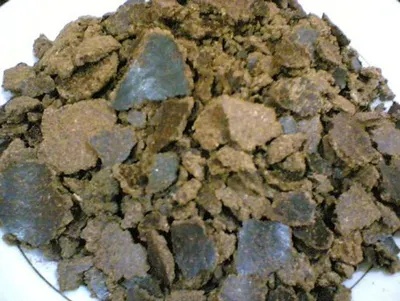
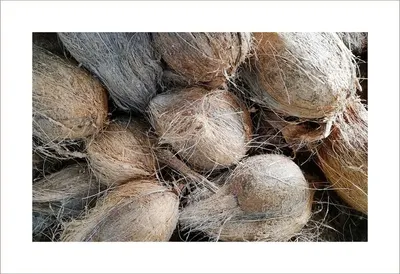
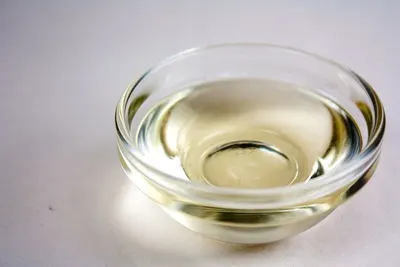
The coconut oil line comprises both refined and crude grades, which are typical inputs for food processing and industrial applications. The hydrogenated variant is used where higher melting points are required, for example in confectionery or cosmetics. Tamanu oil is positioned as a natural essential oil extracted from the fruit kernels. Copra meal is presented as a protein‑rich by‑product of oil extraction, while coconut fiber is supplied for horticultural and geotextile uses. All six items are sourced from Indonesia, a country that contributes a large share of global coconut product exports.
Product Range and Specialties of PT Sionchem Global Indo
PT Sionchem Global Indo lists RBD coconut oil, crude coconut oil and hydrogenated coconut oil, each typically measured by free fatty acid (FFA) below 0.1 %, moisture under 0.02 % and peroxide value below 5 meq O₂/kg. Hydrogenated coconut oil commonly has a melting point between 35 °C and 45 °C, suitable for solid fat applications. Pure natural tamanu oil is usually sold with a minimum purity of 95 % as verified by gas chromatography‑mass spectrometry (GC‑MS). Copra meal generally contains 22‑24 % crude protein and 5‑6 % moisture, making it a standard feed ingredient. Coconut fiber (coir) is supplied in grades of 15‑30 mm length with moisture content 6‑8 % and bulk density around 0.12 t/m³, used in growing media and erosion control. These specifications reflect common industry grades for the respective product families.
Trade and Export Information - PT Sionchem Global Indo
Indonesia ranks among the top global exporters of coconut products, with the European Union, United States and Middle Eastern markets accounting for the majority of shipment volumes. HS Chapter 15 (specifically 1515) covers edible coconut oils, while HS 1207 applies to copra and copra meal, and HS 4602 to coir and coconut fibers. Buyers typically request certifications such as ISO 9001, HACCP, Halal, Kosher and, where applicable, organic certification to satisfy import regulations. Standard export packaging includes 20‑ft and 40‑ft containers, bulk bags (up to 1 ton) for meal and fiber, and 200 L drums for liquid oils. Common Incoterms are FOB Jakarta port or CIF destination, with freight forwarding services accustomed to handling bulk oil and fiber cargoes.
Sourcing from PT Sionchem Global Indo - Buyer Guidance
When sourcing coconut oil, request a Certificate of Analysis (CoA) showing FFA, peroxide value, moisture and iodine value, and verify compliance with the buyer’s specification limits. For hydrogenated oil, ask for a melt‑point test report and confirmation of the hydrogenation level. Essential oil buyers should obtain a GC‑MS report confirming the presence of key constituents such as calophyllolide in tamanu oil and request a purity statement of at least 95 %. Copra meal purchasers need a proximate analysis indicating protein, fat, fiber and moisture percentages, together with a mycotoxin test if the target market requires it. For coconut fiber, request a sample to check fiber length distribution, moisture content and bulk density, and confirm that the material meets any relevant phytosanitary standards for the importing country.
Frequently Asked Questions About PT Sionchem Global Indo
What HS codes are applicable to the products offered by PT Sionchem Global Indo?
Coconut oils fall under HS 1515, copra and copra meal under HS 1207, and coconut fiber (coir) under HS 4602. Each product is classified according to its primary use and physical form.
Which quality parameters should I verify for RBD coconut oil?
Check the free fatty acid content (≤0.1 %), peroxide value (≤5 meq O₂/kg), moisture (≤0.02 %), and iodine value (typically 6‑8). A CoA should document these values.
Is a Halal certification required for the coconut oil products?
Halal certification is commonly requested by buyers in Muslim‑majority markets. The supplier can provide Halal documentation if it has been obtained; otherwise buyers should request it before placing an order.
What typical packaging is used for copra meal shipments?
Copra meal is usually packed in 1‑ton bulk bags or jumbo bags for container loading, with liners to protect against moisture. Containers are sealed according to standard export practices.
How is the purity of Pure Natural Tamanu Oil verified?
Purity is verified by a GC‑MS analysis that identifies the characteristic terpenoids and confirms a minimum of 95 % oil content. The supplier should supply the analytical report with each batch.
What are the common lead times for these products?
Lead times depend on production scheduling and shipping mode but typically range from 30 to 45 days from order confirmation to shipment for bulk oil and fiber products.
Which certifications are commonly required for coconut fiber imports?
Importers often require phytosanitary certificates, ISO 9001 quality system certification, and, for certain applications, FSC or organic certification. Buyers should confirm the specific certification needs of their destination market.
Can I request a sample before placing a full order?
Yes, suppliers usually provide a small sample of oil, essential oil or fiber for laboratory testing. Samples are sent under agreed Incoterms, often DAP to the buyer’s address, with the cost typically borne by the buyer.




 , Indonesia