PT Santoso Corp. International — Supplier
About PT Santoso Corp. International - Spice & Food Products Supplier in Indonesia
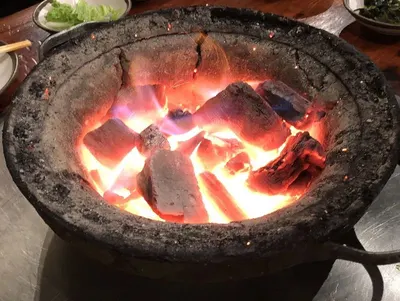
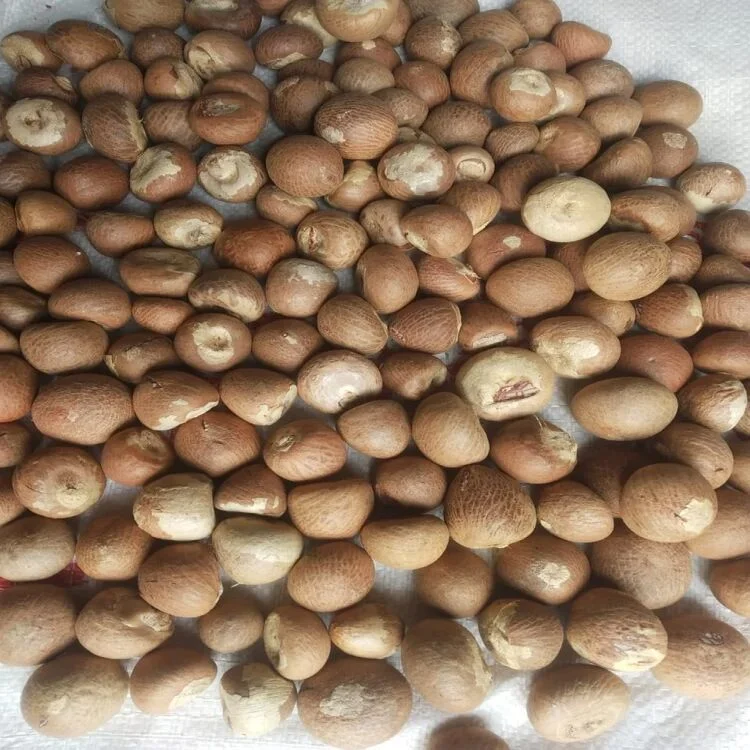
PT Santoso Corp. International operates from Indonesia and currently lists twelve active products in its catalogue. The portfolio spans coffee, a range of spices, fresh ginger, seafood items, and ancillary products such as betel nuts and charcoal briquettes. Each entry is recorded under the relevant HS‑code families used for customs classification, for example betel nuts are listed with HS code 0802.90 as dried Areca catechu. The supplier’s trust tier is recorded as “harbor”, indicating a mid‑level verification status within the platform’s risk model.
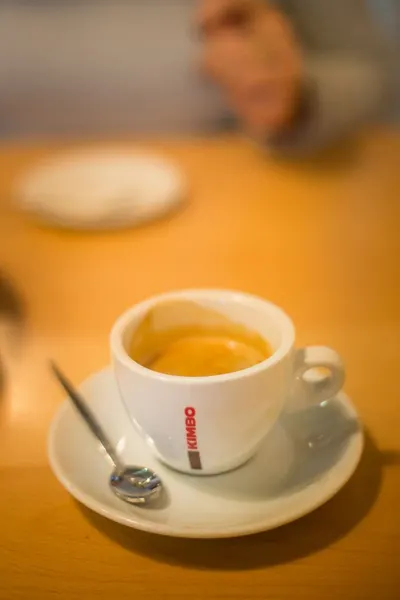
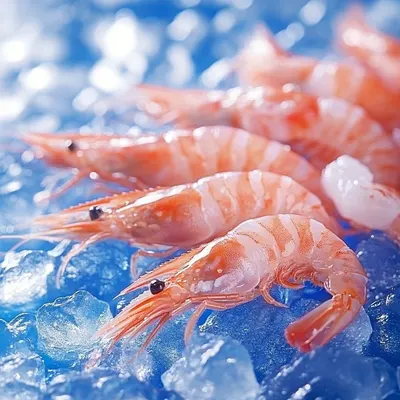
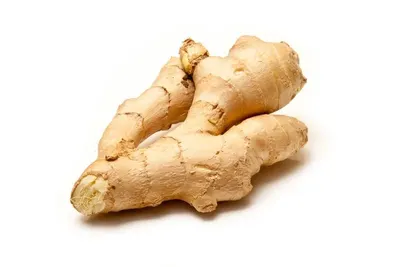
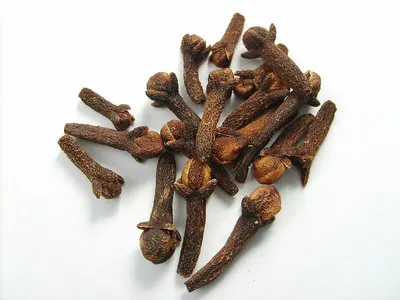
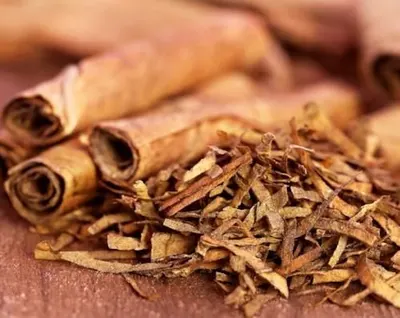
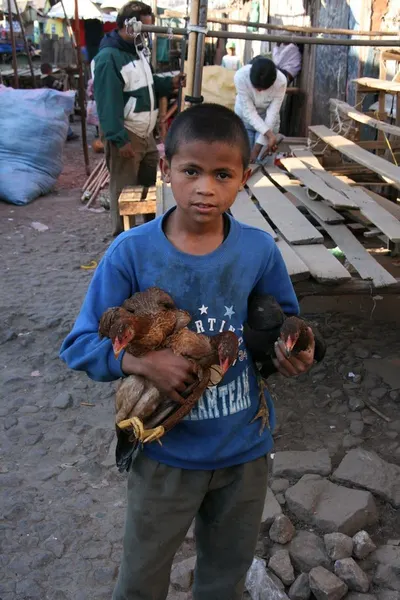
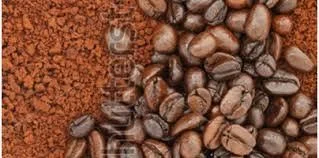
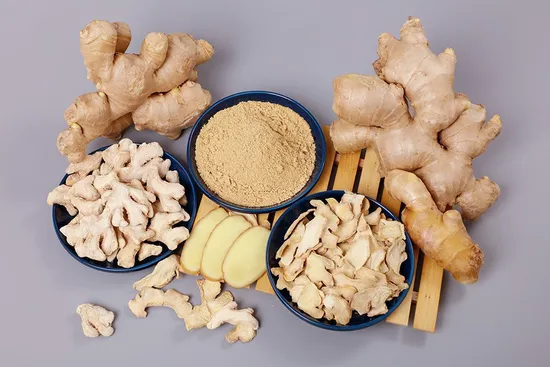
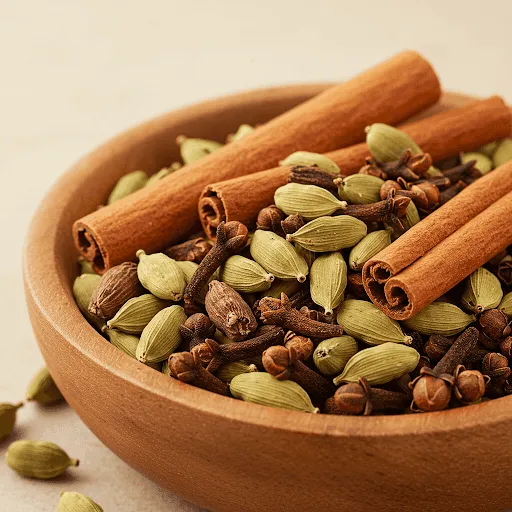
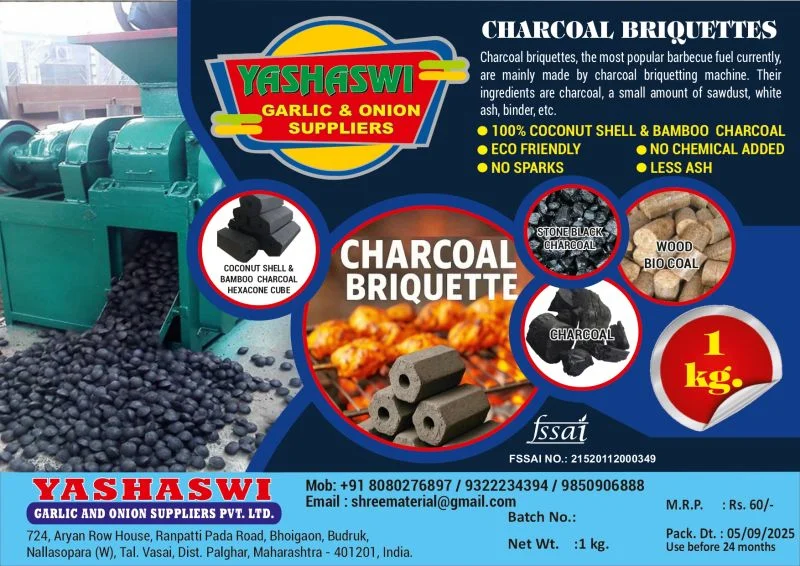
The catalogue includes Robusta and Arabica coffee, generic seafood, ginger, clove, black pepper, cardamom, turmeric, vanilla, betel nuts, briquette charcoals, cinnamon and chicken feet. Products are described by their generic category rather than specific grades, allowing buyers to request detailed specifications during quotation. The presence of both spice and marine product lines reflects Indonesia’s diversified agricultural export base. No additional certifications are listed in the supplied data, so buyers should verify compliance with standard import requirements.
Product Range and Specialties of PT Santoso Corp. International
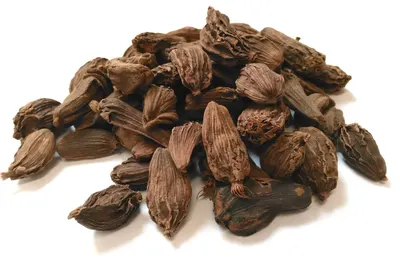
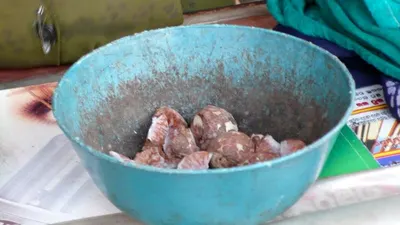
The product list covers major Indonesian export commodities. Coffee is offered without a stated grade, but the market typically distinguishes Robusta as grade 2‑3 and Arabica as grade 1‑2 based on cup score and defect count. Spices such as black pepper, cardamom, cloves, cinnamon and turmeric are usually exported in 25 kg jute bags with moisture limits of 12 % for pepper and 10 % for turmeric, and a curcumin content of 3‑5 % for turmeric is common. Fresh ginger is shipped in 20 ft containers on wooden pallets, while seafood items follow chilled logistics in insulated containers. Betel nuts (HS 0802.90) are dried and packed in 500 kg bulk bags, and charcoal briquettes are typically palletized for bulk shipment.
Trade and Export Information - PT Santoso Corp. International
Indonesia is a global supplier of coffee and spices, with the European Union, United States and Middle East representing the largest import markets. HS‑code 0901 (coffee) and 0905‑0909 (spice family) are the primary tariff headings for these goods, and customs inspections often require phytosanitary certificates and, where applicable, ISO 22000 or HACCP compliance. Seafood exports fall under HS 0307 and usually demand a health certificate, temperature‑controlled containers and compliance with the Codex Alimentarius standards. Buyers of betel nuts and charcoal briquettes commonly request a certificate of origin and a material safety data sheet. Indonesian exporters typically use FOB or CIF Incoterms, with container loads ranging from 20 ft (≈18 metric t) to 40 ft (≈34 metric t) depending on product density.
Sourcing from PT Santoso Corp. International - Buyer Guidance
When sourcing coffee, request cupping scores, moisture content (≤12 %) and a recent laboratory analysis for mycotoxins. For spices, ask for moisture analysis, foreign matter limits (≤0.5 %), and, if required by the destination market, a pesticide residue report conforming to EU Maximum Residue Limits. Seafood shipments should be accompanied by a health certificate, a temperature log, and an inspection report from the Indonesian National Agency of Drug and Food Control. Betel nuts buyers normally verify the HS‑code declaration, request a phytosanitary certificate and confirm that the nuts are free from mold (moisture ≤8 %). Charcoal briquettes should be supplied with a material safety data sheet and a calorific value test (typically ≥7 000 kcal kg‑1). In all cases, obtain a signed certificate of origin and, where possible, a third‑party lab report to validate the supplier’s product claims before finalizing the order.
Frequently Asked Questions About PT Santoso Corp. International
What HS codes are used for the products listed by PT Santoso Corp. International?
The supplier provides HS code 0802.90 for betel nuts; other products fall under standard tariff headings such as 0901 for coffee, 0905‑0909 for spices, 0307 for seafood, 0207 for chicken feet, and 2403 for charcoal briquettes.
Does PT Santoso Corp. International hold any food safety certifications?
No certifications are listed in the supplied data. Buyers should request ISO 22000, HACCP or other relevant certificates directly from the supplier before purchase.
What packaging formats are typical for the listed spices?
Indonesian spice exporters usually pack black pepper, cardamom, cloves, cinnamon and turmeric in 25 kg jute bags or 50 kg polypropylene bags, sealed in moisture‑proof liners for container loading.
How is the coffee quality verified for export?
Standard verification includes moisture content not exceeding 12 %, a cup score (Robusta 70‑80, Arabica 80‑90) and a laboratory report for mycotoxins and pesticide residues.
What documents are required for importing the seafood items?
Importers typically need a health certificate, a temperature log for the chilled shipment, a phytosanitary certificate and a bill of lading indicating the HS code 0307.
Are samples available for the vanilla and turmeric products?
Suppliers of Indonesian vanilla and turmeric commonly provide small‑quantity samples (e.g., 500 g of vanilla beans or 1 kg of turmeric powder) together with a lab analysis sheet showing moisture and curcumin content.
What are the typical minimum order quantities (MOQ) for the spice range?
MOQs often start at 500 kg per spice variety for bulk shipments, with larger volumes (1‑2 metric t) preferred for container loading efficiency.
Which Incoterms are most frequently used for these exports?
Exporters from Indonesia generally use FOB Jakarta port or CIF destination, depending on the buyer’s preference and the product’s temperature‑sensitivity.




 , Indonesia