PT. Ocean Beans Indonesia — Verified Supplier
About PT. Ocean Beans Indonesia - Coffee Beans Supplier in Indonesia
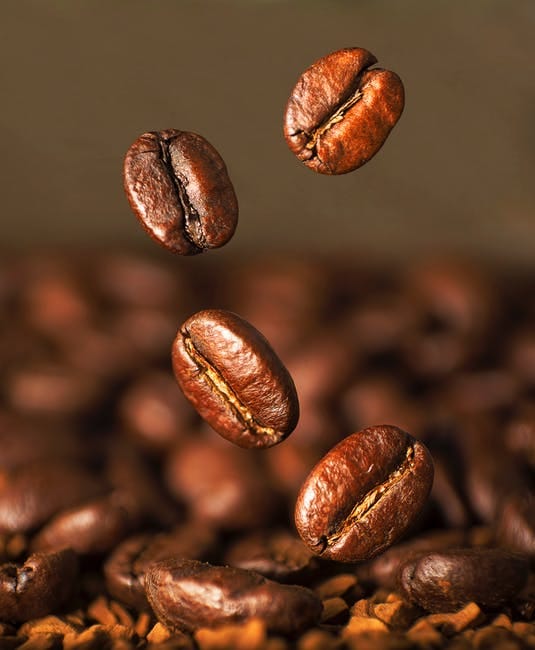
Indonesia lists twelve distinct green coffee bean SKUs under PT. Ocean Beans Indonesia. The catalogue enumerates Arabica Gayo beans processed as Full Washed, Red Honey, Wine, Peaberry, Wet Hulled, Specialty, Black Honey, Longberry, Natural, Natural Fermented, Luwak Full Washed and Conventional formats. Each entry is a separate product line that reflects a specific post‑harvest treatment and cup‑profile target. All items fall under HS chapter 0901 for unroasted coffee beans, the standard customs classification for green coffee. The supplier’s focus on the Gayo highland region aligns with the recognized altitude‑dependent flavor development of Arabica beans.
The product set is limited to green Arabica beans, without any roasted or instant variants. Processing methods such as washed, honey and natural affect moisture levels, which typically range from 10 % to 12 % for the listed beans. The Luwak variant indicates beans that have passed through the civet digestive system, a niche category within specialty coffee. No additional product families or certifications are mentioned in the supplied data.
Product Range and Specialties of PT. Ocean Beans Indonesia
The twelve SKUs cover the full spectrum of processing styles common to Indonesian Arabica Gayo coffee. Full washed beans are fermented and washed to a low residual sugar level, while red and black honey beans retain varying amounts of mucilage, producing higher sweetness and body. The natural and natural fermented lines are dried with the fruit intact, often resulting in fruitier notes and a moisture content near the upper end of the 10‑12 % range. Peaberry beans are smaller, typically 12‑13 mm in diameter, and are valued for their uniform roast development. Luwak full washed beans combine the traditional washed method with the unique enzymatic action of the civet, creating a distinct flavor profile that commands specialty grading such as SCA scores above 80.
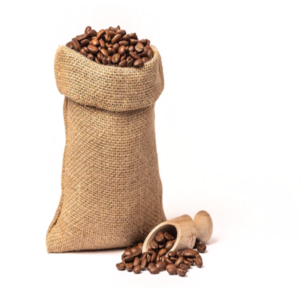
Industry practice for green coffee includes packaging in 60 kg jute or sisal bags, graded by cup score, moisture content, and defect count per 300 g sample. Buyers often request information on altitude of cultivation (usually 1,200‑1,500 m for Gayo), varietal purity and any organic or fair‑trade status, even if such certifications are not listed for this supplier.
Trade and Export Information - PT. Ocean Beans Indonesia
Indonesia ranks among the world’s top coffee exporters, supplying roughly 7 % of global green coffee output. The primary import markets for Indonesian Arabica are the European Union, United States, Japan and the Middle East, where specialty coffee consumption is growing. HS code 0901.21 covers Arabica coffee beans, and customs authorities in importing countries frequently require a phytosanitary certificate and a certificate of origin for each shipment. Typical export logistics involve loading 20‑ft containers with 25‑30 bags per pallet, yielding 12‑15 tons per container, shipped on CIF terms to major ports such as Rotterdam, New York, and Tokyo.
Buyers commonly request documentation such as a laboratory moisture test, a cupping report, and any third‑party certifications (e.g., Organic, Fairtrade, Rainforest Alliance) that may apply to the lot. Indonesian export regulations mandate compliance with the Ministry of Trade’s export licensing procedures and the presence of a valid phytosanitary certificate issued by the Plant Quarantine Service. Freight forwarders usually handle container loading to preserve bag integrity and to meet the standard 40 kg weight limit per bag for HS 0901.
Sourcing from PT. Ocean Beans Indonesia - Buyer Guidance
When sourcing from PT. Ocean Beans Indonesia, buyers should obtain a recent cupping score sheet that details aroma, acidity, body and after‑taste for the specific processing method. A moisture analysis report (target 10‑12 %) and a defect count per 300 g sample are standard quality checkpoints for green coffee. Requesting a traceability statement that identifies the farm or cooperative within the Gayo highlands helps verify origin claims.
Sample orders typically start at a single 60 kg bag, allowing buyers to conduct their own sensory evaluation before committing to larger volumes. Minimum order quantities for full container loads are generally set at two 20‑ft containers (approximately 24 tons) unless the supplier confirms smaller batch handling. Verify packaging condition, bag labeling (origin, processing method, net weight) and ensure the shipment includes the required phytosanitary and origin certificates before finalizing the purchase.
Frequently Asked Questions About PT. Ocean Beans Indonesia
What processing methods are available for the Arabica Gayo beans listed by PT. Ocean Beans Indonesia?
The catalogue includes Full Washed, Red Honey, Black Honey, Wine, Natural, Natural Fermented, Wet Hulled, Peaberry, Longberry, Specialty, Luwak Full Washed and Conventional processing, each producing distinct flavor characteristics.
How many green coffee SKUs does the supplier currently list?
Twelve distinct green coffee bean products are listed, all under the Arabica Gayo variety.
Which HS code applies to these green coffee beans?
All listed beans fall under HS Chapter 0901 for unroasted coffee beans, commonly classified as 0901.21 for Arabica.
What documentation should a buyer request before purchasing?
Buyers should ask for a recent cupping report, moisture content analysis, defect count per 300 g, phytosanitary certificate, and a certificate of origin.
Are any certifications mentioned for these coffee beans?
No specific certifications are listed in the supplier data; buyers should confirm whether the lot holds Organic, Fairtrade or other third‑party certifications if required.
What is the typical packaging format for the beans?
Green coffee from Indonesia is usually packed in 60 kg jute or sisal bags, stacked on pallets for container loading.
What are the common import markets for Indonesian Gayo coffee?
Major import destinations include the European Union, United States, Japan and Middle Eastern countries that source specialty Arabica.
What are the usual lead times and minimum order quantities?
Sample orders can be placed with a single 60 kg bag; full container shipments generally require a minimum of two 20‑ft containers, with lead times ranging from 30 to 45 days depending on production scheduling and freight arrangements.




 , Indonesia