PT. Kokopian Kopi Indonesia — Supplier

About PT. Kokopian Kopi Indonesia - Coffee Beans Supplier in Indonesia

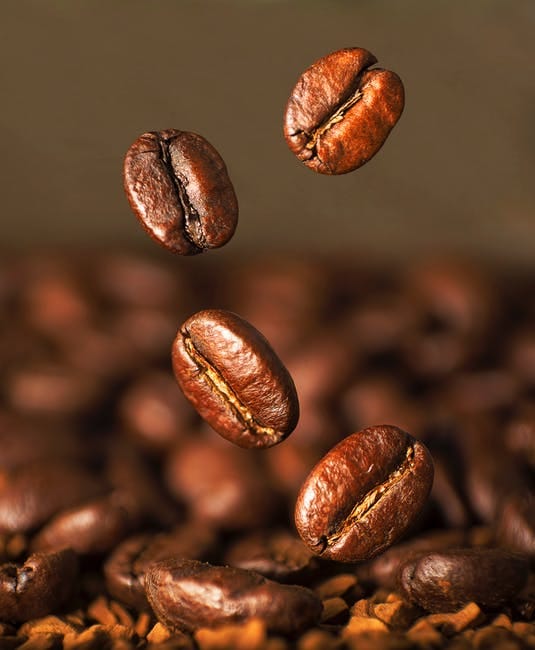
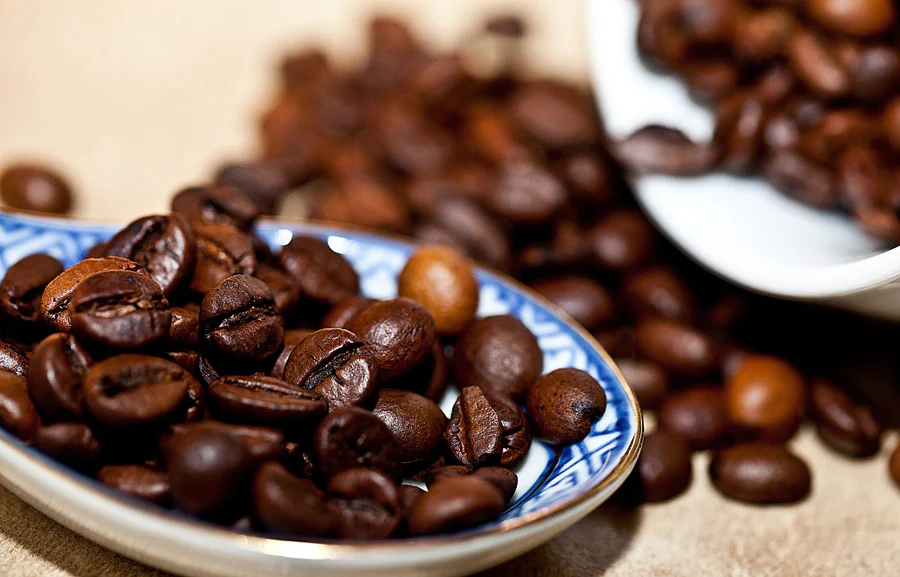
Indonesia hosts PT. Kokopian Kopi Indonesia, which currently lists five distinct coffee‑bean products in its catalogue. The catalogue includes an Arabica Kintamani Bali Grade 1 (full‑washed) offering, three Robusta variants sourced from Temanggung (Fine, Commercial and Premium grades), and a Flores Bajawa Grade 1 product. Each entry is recorded under the HS‑code family for coffee beans (Chapter 09), reflecting the supplier’s focus on raw green bean exports. The active product count of five indicates a narrowly focused but diversified coffee‑bean portfolio that spans both Arabica and Robusta origins. The supplier’s product set covers two Indonesian coffee‑growing regions: Bali’s Kintamani area and Central Java’s Temanggung district, as well as the Flores island. All items are described by grade level rather than by specific bean size or moisture content, which aligns with typical Indonesian export listings where grade descriptors (Grade 1, Fine, Commercial, Premium) convey quality tiers. The catalogue does not cite any certifications, so buyers should verify compliance with industry standards independently.

Product Range and Specialties of PT. Kokopian Kopi Indonesia

The Arabica Kintamani Bali Grade 1 is a full‑washed Arabica bean traditionally grown at 1,200‑1,500 m altitude. In the industry, Grade 1 Arabica from this region commonly exhibits a moisture content of 10‑12 % and a cup score of 80 + on the SCAA scale. The Robusta Temanggung grades follow a similar moisture range but differ in cup scores: Fine Grade typically scores 70‑75, Commercial Grade 65‑70, and Premium Grade 75‑80. Flores Bajawa Grade 1 beans are often processed either natural or semi‑washed, with typical bean size of 15‑18 mm and moisture around 11 %. Buyers of Indonesian coffee beans frequently request additional specifications such as bean density (kg per 60 kg bag), defect count (broken beans per 100 g), and caffeine content. The catalogue’s focus on grade levels matches standard export practice where buyers select beans based on these quantitative parameters rather than brand positioning.

Trade and Export Information - PT. Kokopian Kopi Indonesia

Indonesia ranks among the top four global coffee exporters, with the majority of shipments classified under HS 0901 (coffee beans, whether or not roasted). Arabica varieties are recorded under sub‑heading 0901.10 and Robusta under 0901.20. Typical destination markets include the United States, the European Union, Japan, and South Korea, where specialty coffee roasters source beans for both retail and commercial blends. Export logistics for green coffee beans usually involve 60 kg jute bags stacked in 20‑foot containers (approximately 250 bags per container) or 40‑foot containers (up to 500 bags). Common Incoterms are FOB or CIF, with buyers often requiring ISO 22000 or HACCP compliance, and many importers request third‑party certifications such as Fairtrade, Rainforest Alliance, or USDA Organic depending on the end‑use. While PT. Kokopian Kopi Indonesia does not list specific certifications, buyers should request documentation confirming compliance with these standards before shipment.

Sourcing from PT. Kokopian Kopi Indonesia - Buyer Guidance

When sourcing from PT. Kokopian Kopi Indonesia, request a recent cupping report that includes SCAA scores, moisture analysis, and defect counts for each grade. Verify the origin certificate for Kintamani, Temanggung, and Flores to ensure traceability, and ask for a phytosanitary certificate and a certificate of analysis that confirms compliance with ISO 22000 or HACCP if required by the importing country. Confirm packaging details such as 60 kg jute bags, the number of bags per container, and the intended Incoterm (FOB or CIF). Request a sample shipment of at least 5 kg per grade to evaluate flavor profile and physical attributes before committing to a full container order. Ensure that any requested certifications (Fairtrade, Organic, Rainforest Alliance) are provided by an accredited third‑party body.

Frequently Asked Questions About PT. Kokopian Kopi Indonesia

What coffee varieties does PT. Kokopian Kopi Indonesia offer?

The supplier lists Arabica Kintamani Bali Grade 1 (full‑washed) and four Robusta grades from Temanggung (Fine, Commercial, Premium) plus Flores Bajawa Grade 1, all classified under HS 0901.

How are the coffee beans graded?

Grades are indicated as Grade 1 for Arabica and Flores, and as Fine, Commercial, or Premium for Robusta. In the industry these grades correspond to specific cup scores, moisture ranges (10‑12 %), and defect limits.

Which certifications should a buyer request?

Buyers typically request ISO 22000 or HACCP compliance, and may also ask for Fairtrade, Rainforest Alliance, or USDA Organic certificates depending on market requirements.

What packaging format is used for export?

Green beans are commonly packed in 60 kg jute bags, which are stacked in 20‑foot or 40‑foot containers for international shipment.

What HS code applies to these products?

All listed coffee beans fall under HS Chapter 09, specifically HS 0901 (coffee beans, whether or not roasted).

What documentation is needed before ordering?

A buyer should obtain a recent cupping report, moisture analysis, phytosanitary certificate, and a certificate of analysis confirming food‑safety standards.

Which markets commonly import Indonesian coffee beans?

Major importers include the United States, the European Union, Japan, and South Korea, which source beans for both specialty and commercial roasting.

What is the typical lead time for a container order?

Lead times generally range from 4 to 6 weeks from order confirmation to shipment, depending on sample approval and container availability.


Featured Products from this Supplier

Other Suppliers in Primary Category

Related Products

Trending in Parent Category

More Suppliers in Category

Related Products

Other Suppliers

EximNext
7.2K+ live requirements
Register Free🎁 Reach global buyers
Post Requirement
🌍 Trusted by 225K+ businesses in 200+ countries|
7.2K+ active requirements right now
✉️ [email protected]
|
Sell on EximNextPost Requirement
EximNext
AgricultureApparelConstructionElectronicFoodHomeIndustrialMineralsMiscellaneous
🔥 Deals|✨ AI Match|🏭 Suppliers|📋 Buy Leads|💰 Trade Finance
7.2K+ live RFQs·194.8K+ suppliers
🎁 Reach global buyers →
EximNext
EximNext
Register Free
🎁 Reach global buyers
Sign In
📋Post Requirement💬Get Quotes✨AI Match📋RFQ Marketplace
All Categories
Services & Tools
🏭Supplier Directory🔥Today's Deals💰Trade Finance
Sell on EximNext →
AboutContactBlogHelp
Agriculture & Food  ·  Indonesia
5
products listed

PT. Kokopian Kopi Indonesia

⚓ Harbor
Country flag , IndonesiaNew supplier / no reviews yet
🛡️
54/100
Trust Score

PT. Kokopian Kopi Indonesia Product Catalog

Showing 5 of 5 products
View all products →
Robusta Temanggung (Commercial Grade)
⚓ Harbor
Robusta Temanggung (Commercial Grade)
Contact
MOQ: 1 Unit
Robusta Temanggung (Premium Grade)
⚓ Harbor
Robusta Temanggung (Premium Grade)
Contact
MOQ: 1 Unit
Flores Bajawa (Grade 1)
⚓ Harbor
Flores Bajawa (Grade 1)
Contact
MOQ: 1 Unit
Arabica Kintamani Bali Grade 1 (fullwashed)/kG
⚓ Harbor
Arabica Kintamani Bali Grade 1 (fullwashed)/kG
Contact
MOQ: 1 Unit
Robusta Temanggung (Fine Grade)
⚓ Harbor
Robusta Temanggung (Fine Grade)
Contact
MOQ: 1 Unit

About PT. Kokopian Kopi Indonesia - Coffee Beans Supplier in Indonesia

Indonesia hosts PT. Kokopian Kopi Indonesia, which currently lists five distinct coffee‑bean products in its catalogue. The catalogue includes an Arabica Kintamani Bali Grade 1 (full‑washed) offering, three Robusta variants sourced from Temanggung (Fine, Commercial and Premium grades), and a Flores Bajawa Grade 1 product. Each entry is recorded under the HS‑code family for coffee beans (Chapter 09), reflecting the supplier’s focus on raw green bean exports. The active product count of five indicates a narrowly focused but diversified coffee‑bean portfolio that spans both Arabica and Robusta origins. The supplier’s product set covers two Indonesian coffee‑growing regions: Bali’s Kintamani area and Central Java’s Temanggung district, as well as the Flores island. All items are described by grade level rather than by specific bean size or moisture content, which aligns with typical Indonesian export listings where grade descriptors (Grade 1, Fine, Commercial, Premium) convey quality tiers. The catalogue does not cite any certifications, so buyers should verify compliance with industry standards independently.

Product Range and Specialties of PT. Kokopian Kopi Indonesia

The Arabica Kintamani Bali Grade 1 is a full‑washed Arabica bean traditionally grown at 1,200‑1,500 m altitude. In the industry, Grade 1 Arabica from this region commonly exhibits a moisture content of 10‑12 % and a cup score of 80 + on the SCAA scale. The Robusta Temanggung grades follow a similar moisture range but differ in cup scores: Fine Grade typically scores 70‑75, Commercial Grade 65‑70, and Premium Grade 75‑80. Flores Bajawa Grade 1 beans are often processed either natural or semi‑washed, with typical bean size of 15‑18 mm and moisture around 11 %. Buyers of Indonesian coffee beans frequently request additional specifications such as bean density (kg per 60 kg bag), defect count (broken beans per 100 g), and caffeine content. The catalogue’s focus on grade levels matches standard export practice where buyers select beans based on these quantitative parameters rather than brand positioning.

Trade and Export Information - PT. Kokopian Kopi Indonesia

Indonesia ranks among the top four global coffee exporters, with the majority of shipments classified under HS 0901 (coffee beans, whether or not roasted). Arabica varieties are recorded under sub‑heading 0901.10 and Robusta under 0901.20. Typical destination markets include the United States, the European Union, Japan, and South Korea, where specialty coffee roasters source beans for both retail and commercial blends. Export logistics for green coffee beans usually involve 60 kg jute bags stacked in 20‑foot containers (approximately 250 bags per container) or 40‑foot containers (up to 500 bags). Common Incoterms are FOB or CIF, with buyers often requiring ISO 22000 or HACCP compliance, and many importers request third‑party certifications such as Fairtrade, Rainforest Alliance, or USDA Organic depending on the end‑use. While PT. Kokopian Kopi Indonesia does not list specific certifications, buyers should request documentation confirming compliance with these standards before shipment.

Sourcing from PT. Kokopian Kopi Indonesia - Buyer Guidance

When sourcing from PT. Kokopian Kopi Indonesia, request a recent cupping report that includes SCAA scores, moisture analysis, and defect counts for each grade. Verify the origin certificate for Kintamani, Temanggung, and Flores to ensure traceability, and ask for a phytosanitary certificate and a certificate of analysis that confirms compliance with ISO 22000 or HACCP if required by the importing country. Confirm packaging details such as 60 kg jute bags, the number of bags per container, and the intended Incoterm (FOB or CIF). Request a sample shipment of at least 5 kg per grade to evaluate flavor profile and physical attributes before committing to a full container order. Ensure that any requested certifications (Fairtrade, Organic, Rainforest Alliance) are provided by an accredited third‑party body.

Frequently Asked Questions About PT. Kokopian Kopi Indonesia

What coffee varieties does PT. Kokopian Kopi Indonesia offer?

The supplier lists Arabica Kintamani Bali Grade 1 (full‑washed) and four Robusta grades from Temanggung (Fine, Commercial, Premium) plus Flores Bajawa Grade 1, all classified under HS 0901.

How are the coffee beans graded?

Grades are indicated as Grade 1 for Arabica and Flores, and as Fine, Commercial, or Premium for Robusta. In the industry these grades correspond to specific cup scores, moisture ranges (10‑12 %), and defect limits.

Which certifications should a buyer request?

Buyers typically request ISO 22000 or HACCP compliance, and may also ask for Fairtrade, Rainforest Alliance, or USDA Organic certificates depending on market requirements.

What packaging format is used for export?

Green beans are commonly packed in 60 kg jute bags, which are stacked in 20‑foot or 40‑foot containers for international shipment.

What HS code applies to these products?

All listed coffee beans fall under HS Chapter 09, specifically HS 0901 (coffee beans, whether or not roasted).

What documentation is needed before ordering?

A buyer should obtain a recent cupping report, moisture analysis, phytosanitary certificate, and a certificate of analysis confirming food‑safety standards.

Which markets commonly import Indonesian coffee beans?

Major importers include the United States, the European Union, Japan, and South Korea, which source beans for both specialty and commercial roasting.

What is the typical lead time for a container order?

Lead times generally range from 4 to 6 weeks from order confirmation to shipment, depending on sample approval and container availability.

About PT. Kokopian Kopi Indonesia - Coffee Beans Supplier in Indonesia

Indonesia hosts PT. Kokopian Kopi Indonesia, which currently lists five distinct coffee‑bean products in its catalogue. The catalogue includes an Arabica Kintamani Bali Grade 1 (full‑washed) offering, three Robusta variants sourced from Temanggung (Fine, Commercial and Premium grades), and a Flores Bajawa Grade 1 product. Each entry is recorded under the HS‑code family for coffee beans (Chapter 09), reflecting the supplier’s focus on raw green bean exports. The active product count of five indicates a narrowly focused but diversified coffee‑bean portfolio that spans both Arabica and Robusta origins. The supplier’s product set covers two Indonesian coffee‑growing regions: Bali’s Kintamani area and Central Java’s Temanggung district, as well as the Flores island. All items are described by grade level rather than by specific bean size or moisture content, which aligns with typical Indonesian export listings where grade descriptors (Grade 1, Fine, Commercial, Premium) convey quality tiers. The catalogue does not cite any certifications, so buyers should verify compliance with industry standards independently.

Product Range and Specialties of PT. Kokopian Kopi Indonesia

The Arabica Kintamani Bali Grade 1 is a full‑washed Arabica bean traditionally grown at 1,200‑1,500 m altitude. In the industry, Grade 1 Arabica from this region commonly exhibits a moisture content of 10‑12 % and a cup score of 80 + on the SCAA scale. The Robusta Temanggung grades follow a similar moisture range but differ in cup scores: Fine Grade typically scores 70‑75, Commercial Grade 65‑70, and Premium Grade 75‑80. Flores Bajawa Grade 1 beans are often processed either natural or semi‑washed, with typical bean size of 15‑18 mm and moisture around 11 %. Buyers of Indonesian coffee beans frequently request additional specifications such as bean density (kg per 60 kg bag), defect count (broken beans per 100 g), and caffeine content. The catalogue’s focus on grade levels matches standard export practice where buyers select beans based on these quantitative parameters rather than brand positioning.

Trade and Export Information - PT. Kokopian Kopi Indonesia

Indonesia ranks among the top four global coffee exporters, with the majority of shipments classified under HS 0901 (coffee beans, whether or not roasted). Arabica varieties are recorded under sub‑heading 0901.10 and Robusta under 0901.20. Typical destination markets include the United States, the European Union, Japan, and South Korea, where specialty coffee roasters source beans for both retail and commercial blends. Export logistics for green coffee beans usually involve 60 kg jute bags stacked in 20‑foot containers (approximately 250 bags per container) or 40‑foot containers (up to 500 bags). Common Incoterms are FOB or CIF, with buyers often requiring ISO 22000 or HACCP compliance, and many importers request third‑party certifications such as Fairtrade, Rainforest Alliance, or USDA Organic depending on the end‑use. While PT. Kokopian Kopi Indonesia does not list specific certifications, buyers should request documentation confirming compliance with these standards before shipment.

Sourcing from PT. Kokopian Kopi Indonesia - Buyer Guidance

When sourcing from PT. Kokopian Kopi Indonesia, request a recent cupping report that includes SCAA scores, moisture analysis, and defect counts for each grade. Verify the origin certificate for Kintamani, Temanggung, and Flores to ensure traceability, and ask for a phytosanitary certificate and a certificate of analysis that confirms compliance with ISO 22000 or HACCP if required by the importing country. Confirm packaging details such as 60 kg jute bags, the number of bags per container, and the intended Incoterm (FOB or CIF). Request a sample shipment of at least 5 kg per grade to evaluate flavor profile and physical attributes before committing to a full container order. Ensure that any requested certifications (Fairtrade, Organic, Rainforest Alliance) are provided by an accredited third‑party body.

Frequently Asked Questions About PT. Kokopian Kopi Indonesia
What coffee varieties does PT. Kokopian Kopi Indonesia offer?
The supplier lists Arabica Kintamani Bali Grade 1 (full‑washed) and four Robusta grades from Temanggung (Fine, Commercial, Premium) plus Flores Bajawa Grade 1, all classified under HS 0901.
How are the coffee beans graded?
Grades are indicated as Grade 1 for Arabica and Flores, and as Fine, Commercial, or Premium for Robusta. In the industry these grades correspond to specific cup scores, moisture ranges (10‑12 %), and defect limits.
Which certifications should a buyer request?
Buyers typically request ISO 22000 or HACCP compliance, and may also ask for Fairtrade, Rainforest Alliance, or USDA Organic certificates depending on market requirements.
What packaging format is used for export?
Green beans are commonly packed in 60 kg jute bags, which are stacked in 20‑foot or 40‑foot containers for international shipment.
What HS code applies to these products?
All listed coffee beans fall under HS Chapter 09, specifically HS 0901 (coffee beans, whether or not roasted).
What documentation is needed before ordering?
A buyer should obtain a recent cupping report, moisture analysis, phytosanitary certificate, and a certificate of analysis confirming food‑safety standards.
Which markets commonly import Indonesian coffee beans?
Major importers include the United States, the European Union, Japan, and South Korea, which source beans for both specialty and commercial roasting.
What is the typical lead time for a container order?
Lead times generally range from 4 to 6 weeks from order confirmation to shipment, depending on sample approval and container availability.

PT. Kokopian Kopi Indonesia
Country flag Indonesia
⚓ HarborAgriculture & Food
54/100
Trust Score
5
Products
✓ Free to contact — no commission
✓ Escrow payment available
✓ Verified business identity
Compare more suppliers
Post a requirement — get 10 quotes free
Let verified suppliers compete for your business. Free, fast, no commitment.
Due Diligence
Verify this supplier's real shipping history.
Every shipment, every buyer, every port. Trade data that can't be faked.
Run due diligence →
Discover More

Related Suppliers & Products

Explore similar suppliers, related products and trending categories

Featured Products from this Supplier

Other Suppliers in Primary Category

Related Products

Trending in Parent Category

More Suppliers in Category

Stay ahead in global trade
Weekly market insights & new supplier alerts.
EximNext
Exim Next is a leading global B2B marketplace, connecting over 220,000 registered suppliers and buyers across 200+ countries. As a trusted import export marketplace, it serves as the essential B2B portal for businesses worldwide, empowering them to expand their international reach. With Exim Next, businesses can trade smarter and grow faster.
SECURE PAYMENTS
VISAMastercardPayPalSWIFTL/CEscrow
Follow us
© 2026 EximNext