Agriculture›
 Apparel and fashion accessories›
 Construction & real estate›💡Electronic & Electrical›🍎Food & Beverages›🛋️Home furnishing & supplies›⚗️Industrial goods & chemical›🪨Minerals & metals›📦Miscellaneous›Agriculture›Apparel and fashion accessories›Construction & real estate›💡Electronic & Electrical›🍎Food & Beverages›🛋️Home furnishing & supplies›⚗️Industrial goods & chemical›🪨Minerals & metals›📦Miscellaneous›
PT Jasa Semesta Transportindo
⚓ Harbor , IndonesiaNew supplier / no reviews yet
PT Jasa Semesta Transportindo Product Catalog

About PT Jasa Semesta Transportindo - Plywood Supplier in Indonesia
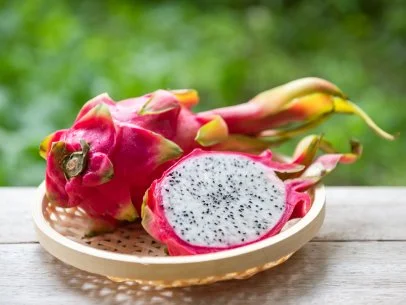
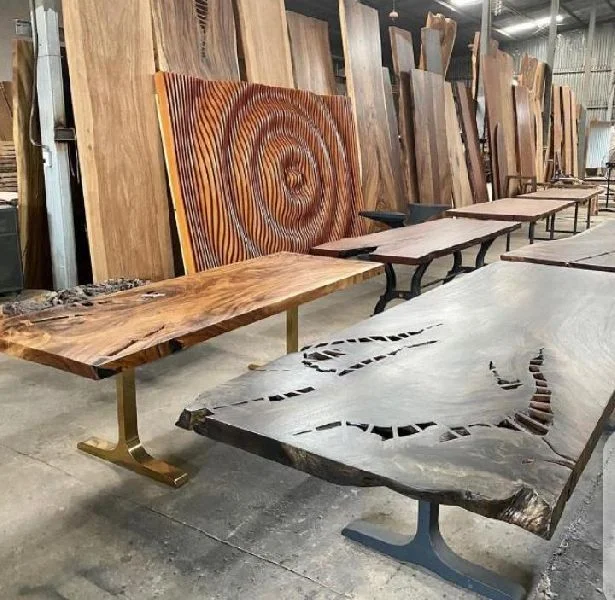
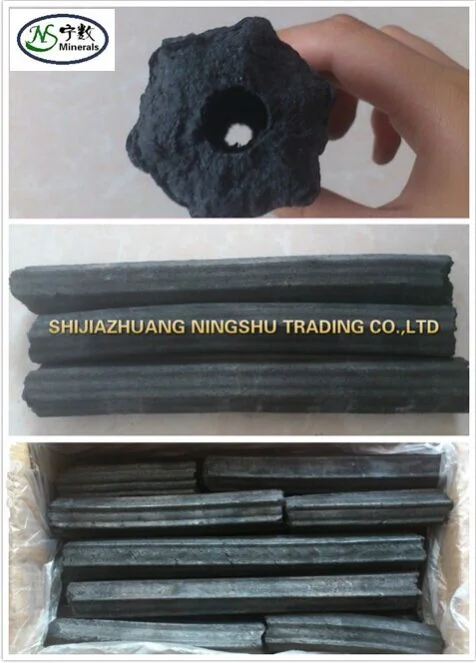
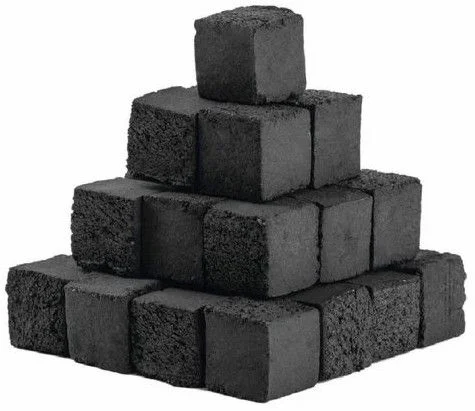
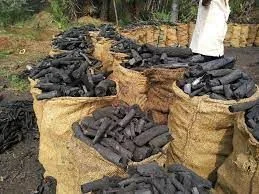
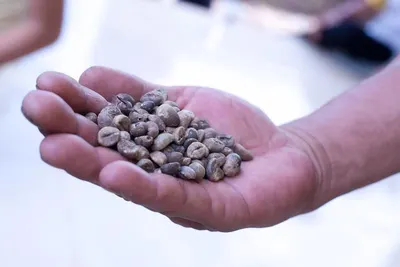
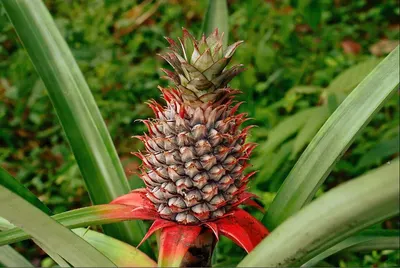
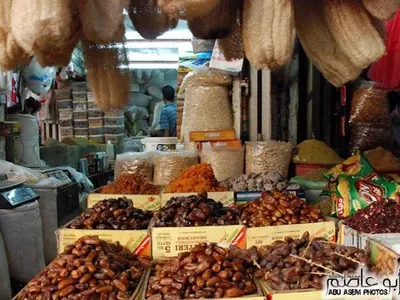
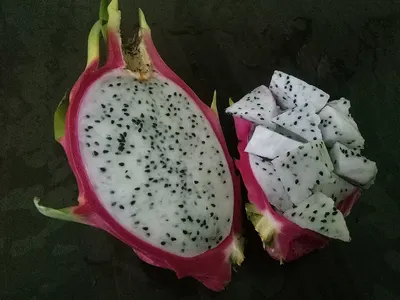
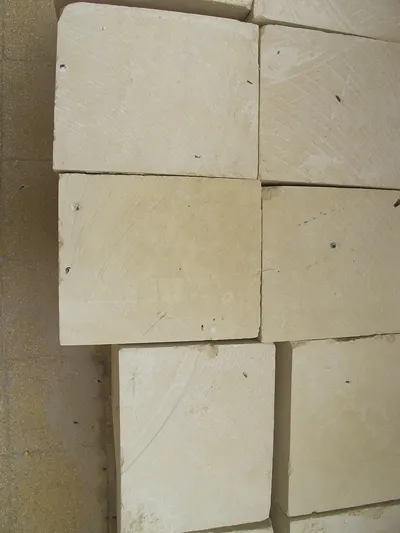
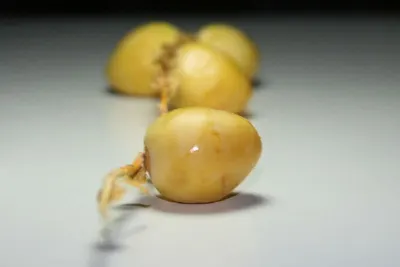
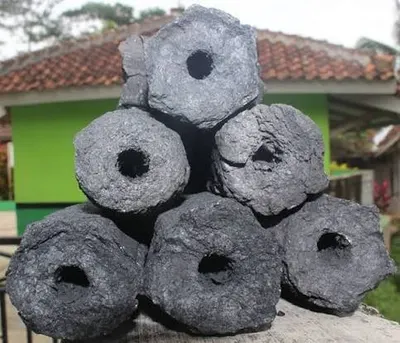
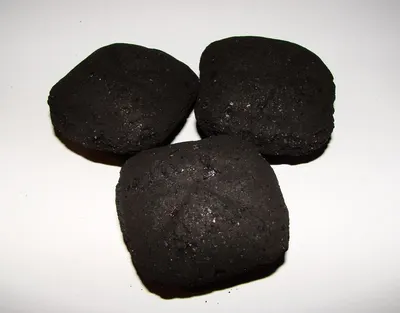
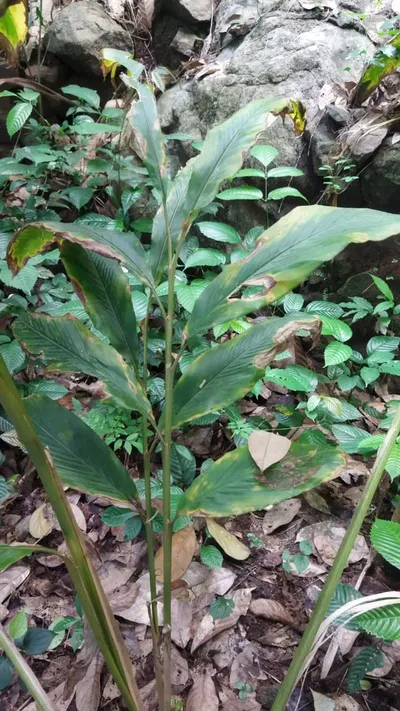
Indonesia, with a catalogue of 19 active products, PT Jasa Semesta Transportindo lists items across several agricultural and wood product categories. The catalogue includes spices such as cinnamon, black cardamom and cloves, edible oils and kernels like palm oil, palm kernel shell and virgin coconut oil, as well as coconut derivatives (semi‑husked coconut, coconut shell charcoal, coconut briquette charcoal, sawdust charcoal briquettes). Wood products comprise plywood, blockboard and barecore, while fruit offerings cover dragon fruit, mangosteen and pineapples. A coffee line is present, notably green Arabica beans classified under HS code 0901.11, alongside generic coffee beans and Robusta beans. The supplier is tagged with a harbor trust tier, indicating established logistics capability.
The product list also references raw timber items such as plywood and blockboard, which fall under HS chapter 44, and a range of tropical fruits that are typically exported in refrigerated containers. Spices and coffee are grouped under HS chapter 09, while oil and kernel products align with HS chapters 15 and 18. Each entry reflects a distinct commodity rather than a processed blend, allowing buyers to target specific grades and specifications. The inclusion of both bulk commodities (e.g., palm kernel shell) and value‑added items (e.g., virgin coconut oil) shows a diversified export portfolio.
Product Range and Specialties of PT Jasa Semesta Transportindo
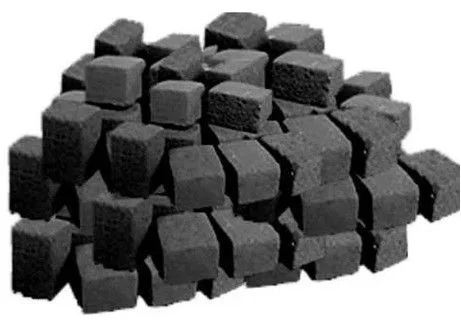
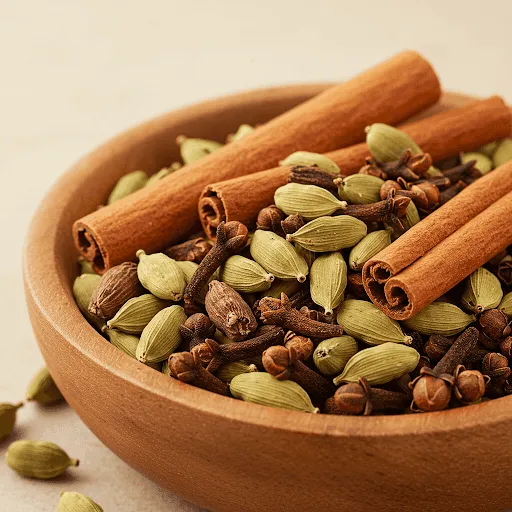
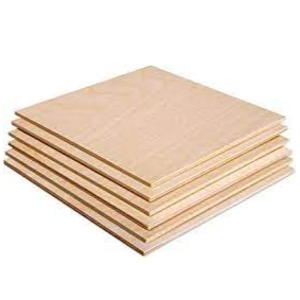
The catalogue covers three main clusters: wood products (plywood, blockboard, barecore), spice and fruit commodities (cinnamon, black cardamom, cloves, dragon fruit, mangosteen, pineapples) and oil‑related goods (palm oil, palm kernel shell, copra, virgin coconut oil, semi‑husked coconut). In the plywood segment, Indonesian exporters typically supply grades such as MR (moisture resistant) and BWR (boiling water resistant) with thicknesses from 6 mm to 25 mm and a standard panel size of 1220 mm × 2440 mm. Spice grades often reference whole‑seed size (cardamom 6‑8 mm, cloves >6 mm) and moisture limits below 12 % for cardamom and 6 % for cloves. Palm oil shipments usually meet free fatty acid (FFA) levels under 0.1 % and iodine values between 95‑110. Virgin coconut oil is commonly exported with peroxide values below 10 meq kg⁻¹ and free fatty acid content under 0.1 %. Coffee Arabica beans classified under HS 0901.11 are generally screened at 12‑15 mm, contain 10‑12 % moisture and are graded by cup quality and defect count. Charcoal products such as coconut shell charcoal and sawdust briquettes are measured by bulk density (0.4‑0.5 t m⁻³) and ash content below 5 %.
Industry standards for these commodities include ISO 9001 quality management, HACCP for food safety, and where applicable Kosher or Halal certification. Buyers often request laboratory analysis reports confirming moisture, FFA, peroxide value, ash content and particle size distribution, especially for oils, spices and charcoal. Packaging conventions are bulk bags of 1 ton for palm kernel shell, 20‑ft containers for plywood panels, and refrigerated containers (30 °C) for tropical fruits.
Frequently Asked Questions About PT Jasa Semesta Transportindo
What wood product grades does PT Jasa Semesta Transportindo offer?
The supplier lists plywood, blockboard and barecore, which are typically supplied in MR and BWR grades with thicknesses from 6 mm to 25 mm and standard panel dimensions of 1220 mm × 2440 mm.
Are phytosanitary certificates available for the spice and fruit items?
Indonesian exporters generally provide phytosanitary certificates for spices such as cinnamon, black cardamom and cloves, as well as for tropical fruits like dragon fruit, mangosteen and pineapples. Buyers should request the current certificate before shipment.
Which quality tests are standard for the palm oil and virgin coconut oil?
Standard tests include free fatty acid (FFA) level below 0.1 % for palm oil, peroxide value below 10 meq kg⁻¹ for virgin coconut oil, and moisture content under 0.1 %. Lab reports confirming these parameters are commonly required.
What HS code is used for the coffee Arabica beans?
The coffee Arabica beans are classified under HS code 0901.11, which covers green coffee beans of the Arabica variety.
How is coconut shell charcoal typically packaged for export?
Coconut shell charcoal is usually packed in bulk bags of 1 ton or in 20‑ft containers, with specifications for ash content below 5 % and bulk density around 0.4‑0.5 t m⁻³.
IndonesiaRelated Suppliers & Products
Explore similar suppliers, related products and trending categories