Kego Co., Ltd. — Verified Supplier
About Kego Co., Ltd. - Plywood Supplier in Viet Nam
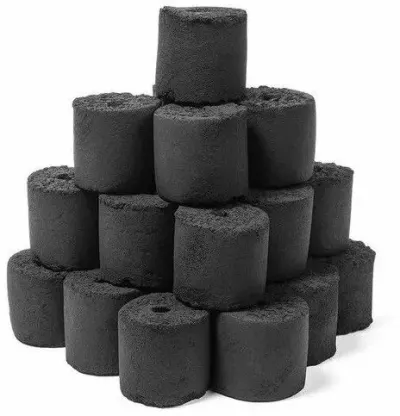
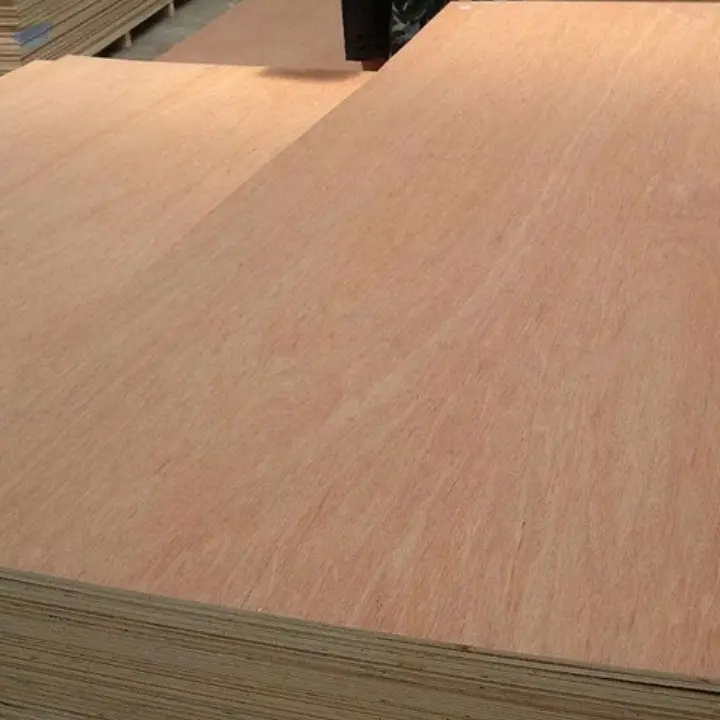
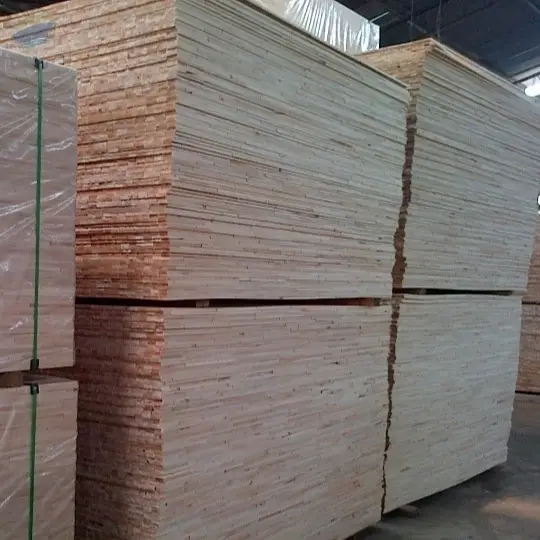
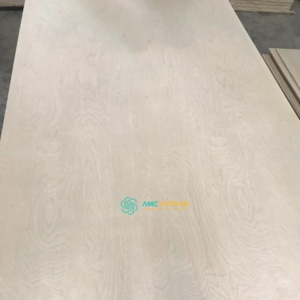
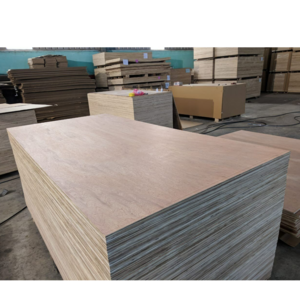
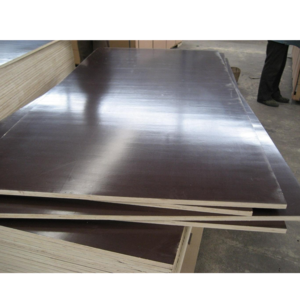
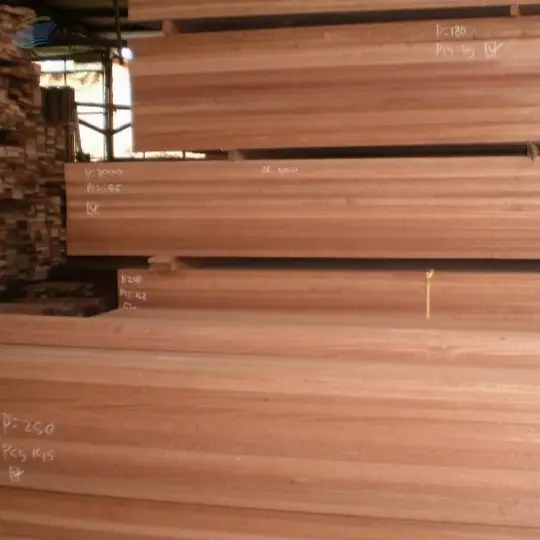
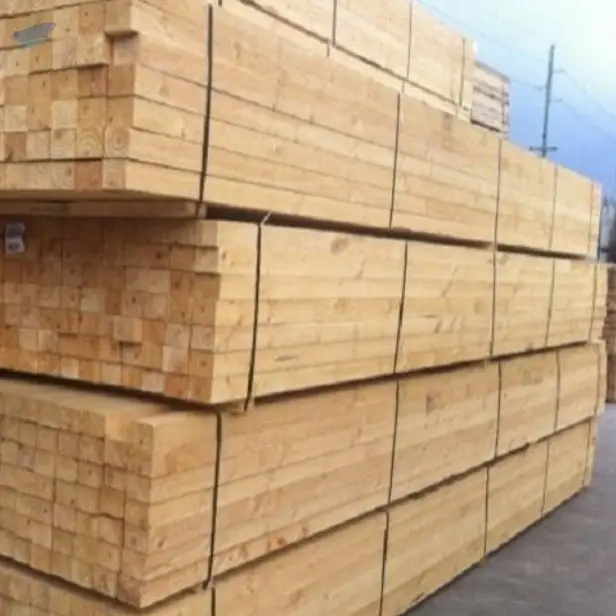
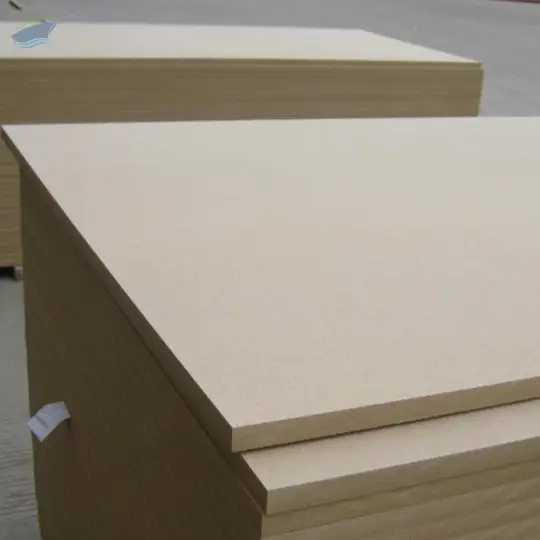
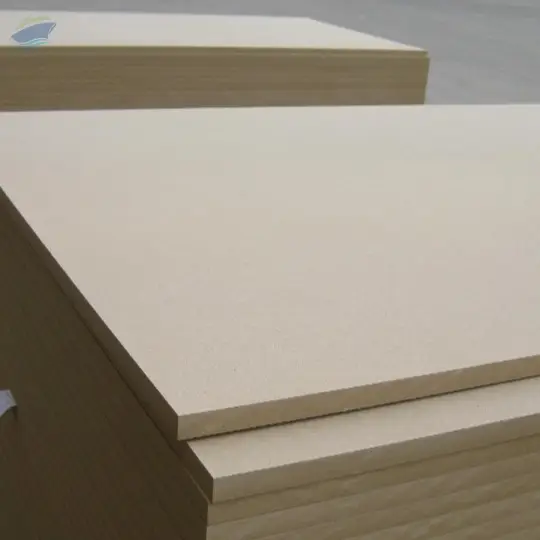
Vietnam is the origin country for Kego Co., Ltd., which currently lists 15 active products on its catalogue. The company's catalogue covers four main categories: plywood, veneer, briquette and other wooden products. Products include various core veneers (Vietnam, eucalyptus, acacia), multiple plywood types (commercial, furniture, packing, Bintangor‑faced, Okoume‑faced, film‑faced), wood pellets, sawdust charcoal, and wooden broom handles. Each item is identified by its material description without additional HS code data. The supplier is categorized as an imported tier with a harbor trust tier.
The listed veneer items are described as core veneer for plywood, indicating they are intended for use as the inner layers in multi‑layer panels. Plywood entries specify the intended application - commercial, furniture, packing, or specific face veneers such as Bintangor and Okoume - showing a focus on both structural and decorative panels. The charcoal and pellet entries reflect the company's involvement in biomass fuel products, while the broom handle reflects a simple wooden hardware item. All 15 products are presented without explicit size, thickness, or moisture specifications in the source data.
Product Range and Specialties of Kego Co., Ltd.
Kego Co., Ltd.’s catalogue includes core veneers made from Vietnamese, eucalyptus and acacia species. In the plywood industry, core veneers are usually graded by face quality (e.g., A, B, C) and bonded with phenolic or melamine resins to meet moisture content of 8‑12 % for interior panels. Typical veneer thickness ranges from 0.6 mm to 1.2 mm, and veneer grades such as MR (Medium‑grade) or BWR (Better‑than‑W) are common for structural plywood.
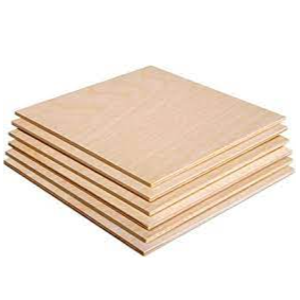
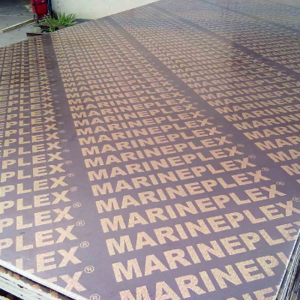
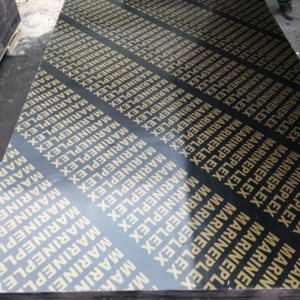
The plywood lineup comprises commercial, furniture, packing, Bintangor‑faced, Okoume‑faced and film‑faced variants. Commercial plywood is often produced to ISO 12407 standard with grades like C‑C, while furniture plywood targets higher surface quality (A‑A) and lower void content. Packing plywood may be specified to meet moisture resistance for export packaging. Bintangor and Okoume face veneers are valued for their light weight and aesthetic appearance in interior applications. Wood pellets and sawdust charcoal are typically produced to meet ISO 17225 standards, with pellet diameters of 6 - 8 mm and calorific values above 16 MJ/kg, and charcoal moisture below 10 %.
Trade and Export Information - Kego Co., Ltd.
Vietnam is a major exporter of hardwood veneers and plywood to East Asia, the Middle East and Europe. Buyers usually import these panels in 20‑ft or 40‑ft containers, palletized and wrapped to protect face veneers. Standard Incoterms such as FOB Ho Chi Minh City or CIF Shanghai are frequently applied. Export documentation often includes phytosanitary certificates, commercial invoices, packing lists and, where required, a certificate of origin.
Biomass products such as wood pellets and sawdust charcoal are shipped in bulk bags or bulk containers, with moisture content and calorific value documented on a test report. International buyers typically request compliance with ISO 17225‑2 for pellets and ISO 17225‑1 for charcoal, as well as any regional emission standards. Sustainable sourcing claims are often verified through FSC or PEFC certificates for wood‑based products, and buyers may also ask for laboratory analysis confirming ash content and particle size distribution.
Sourcing from Kego Co., Ltd. - Buyer Guidance
When sourcing veneer or plywood from Kego Co., Ltd., buyers should request material safety data sheets, veneer grade certificates, and moisture content test results that align with ISO 12407 or EN 636 standards. Samples of face‑veneer panels are useful to assess surface grading, while a small batch of core veneer can confirm bonding quality and dimensional stability.
For wood pellets and charcoal, buyers should obtain recent calorific value and moisture content reports, as well as any relevant ISO 17225 test certificates. Verifying FSC or PEFC chain‑of‑custody documentation helps ensure compliance with sustainability requirements. Confirm packaging details - e.g., 25 kg bags for pellets or 20 kg bags for charcoal - and clarify lead times, which typically range from 2 to 6 weeks after order confirmation depending on production scheduling.
Frequently Asked Questions About Kego Co., Ltd.
What types of veneer does Kego Co., Ltd. offer?
The supplier lists core veneer made from Vietnamese wood, eucalyptus and acacia, all intended for use as the inner layers of plywood panels.
Which plywood grades are available?
The catalogue includes commercial, furniture, packing, Bintangor‑faced, Okoume‑faced and film‑faced plywood, covering typical grades from C‑C for structural use to A‑A for high‑finish applications.
How are wood pellets packaged for export?
Wood pellets are generally packed in 25 kg polypropylene bags, palletized, and shipped in standard 20‑ft or 40‑ft containers with moisture and calorific value test reports attached.
What certifications should a buyer request for the wood products?
Buyers commonly request FSC or PEFC chain‑of‑custody certificates, ISO 12407 for plywood, EN 636 for veneer, and ISO 17225 test reports for pellets and charcoal.
What is the typical lead time for plywood orders?
Lead times usually range from 2 weeks for standard commercial plywood to 6 weeks for specialty face‑veneer panels, depending on production scheduling and order size.
Are sample pieces available for the veneer and plywood?
Yes, the supplier can provide small veneer sheets and a limited number of plywood panels for quality evaluation before a full order is placed.
What documentation is required for customs clearance of the biomass products?
Exporters normally provide a commercial invoice, packing list, phytosanitary certificate, and ISO 17225 test report indicating moisture content and calorific value.




 , Viet Nam