Agriculture›
 Apparel and fashion accessories›
 Construction & real estate›💡Electronic & Electrical›🍎Food & Beverages›🛋️Home furnishing & supplies›⚗️Industrial goods & chemical›🪨Minerals & metals›📦Miscellaneous›Agriculture›Apparel and fashion accessories›Construction & real estate›💡Electronic & Electrical›🍎Food & Beverages›🛋️Home furnishing & supplies›⚗️Industrial goods & chemical›🪨Minerals & metals›📦Miscellaneous›
Shanghai Qin Ge Ceramic & Building Co., Ltd.
⚓ Harbor , ChinaNew supplier / no reviews yet
Shanghai Qin Ge Ceramic & Building Co., Ltd. Product Catalog
About Shanghai Qin Ge Ceramic & Building Co., Ltd. - Plywood Supplier in China
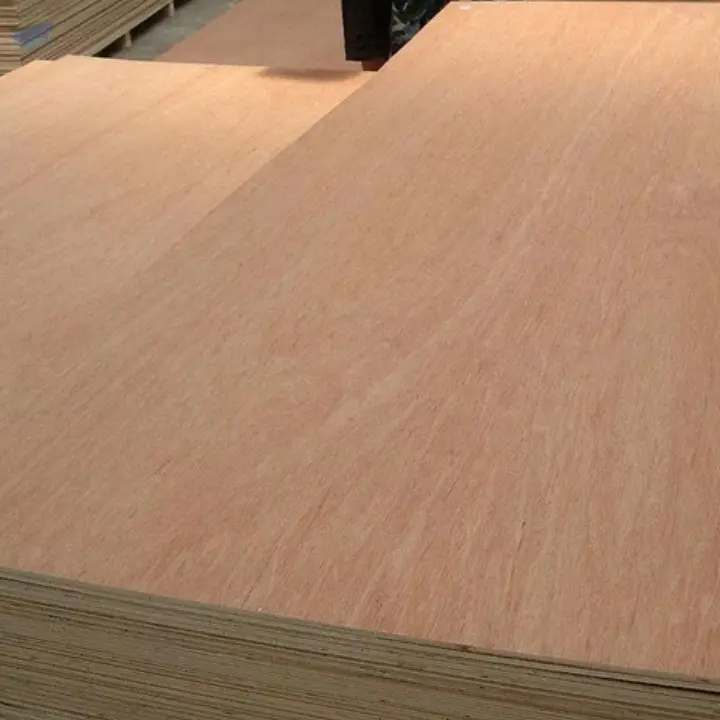
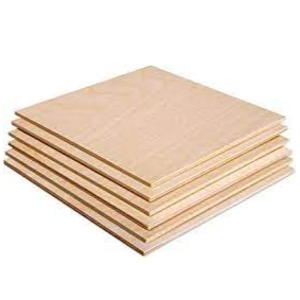
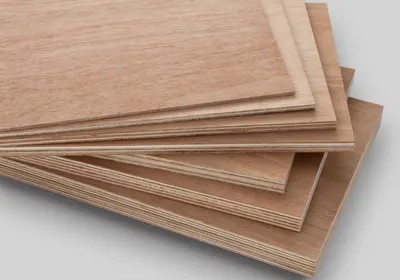
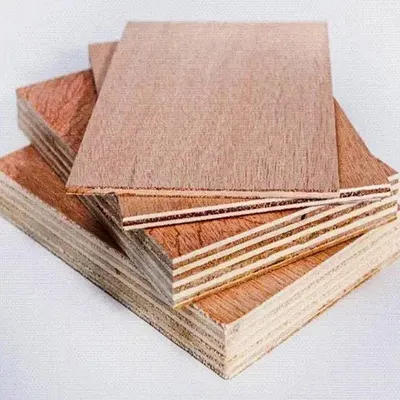
Based in Shanghai, China, Shanghai Qin Ge Ceramic & Building Co., Ltd. currently lists 18 distinct wood‑based products in its online catalogue. The portfolio is centred on plywood variants and includes a blockboard offering, reflecting the supplier’s focus on engineered wood panels. All items are described by thickness and surface treatment, such as 12 mm black film‑faced plywood or 21 mm brown film‑faced plywood. The catalogue also contains specialty marine plywood, pine plywood, okoume plywood and a generic film‑faced plywood line. The supplier is classified as an imported tier with a harbor trust rating.
The listed products fall under the broader HS chapter 44 for wood and articles of wood, which is the standard customs classification for plywood and blockboard. In the global market, film‑faced plywood is often supplied in thicknesses ranging from 9 mm to 21 mm with moisture content between 8 % and 12 %. Marine plywood typically meets BS 1088 or equivalent standards for water resistance, while okoume plywood is valued for its low density and is frequently used in laminates. Chinese exporters of these panels usually ship them in 8 ft × 4 ft sheets, packed in bundles or on pallets for container loading. Buyers in construction, furniture manufacturing and marine applications commonly request test reports for shear strength, formaldehyde emission (E0/E1) and dimensional stability.
Product Range and Specialties of Shanghai Qin Ge Ceramic & Building Co., Ltd.
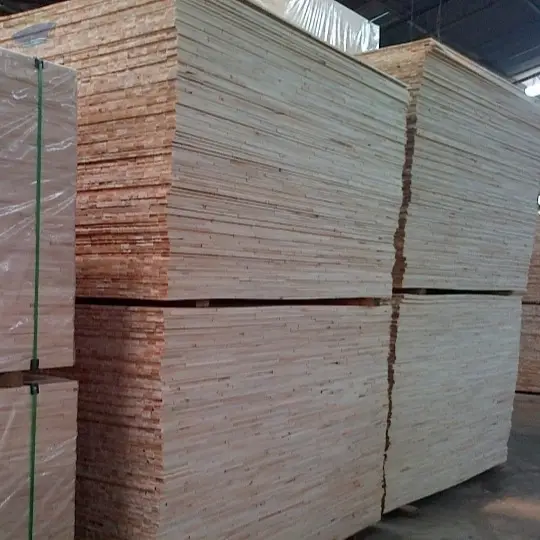
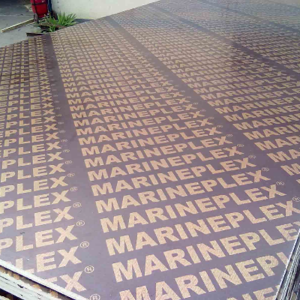
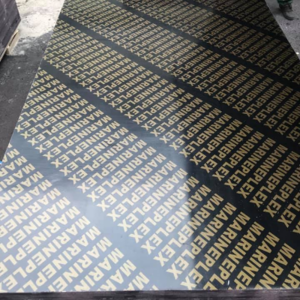
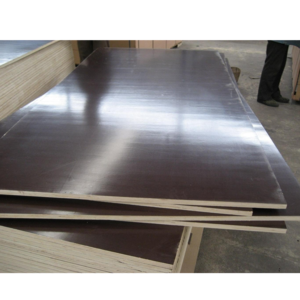
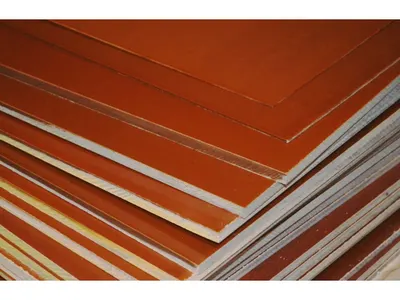
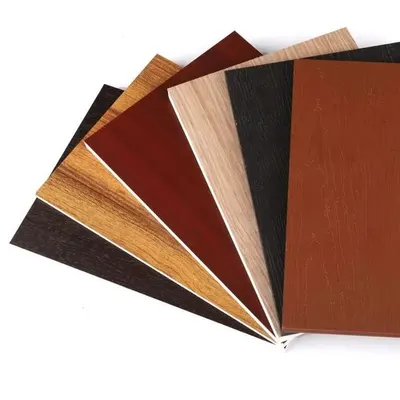
The catalogue enumerates several film‑faced plywood variants distinguished by thickness (9 mm, 12 mm, 15 mm, 18 mm, 21 mm) and colour (black, brown). It also lists birch, poplar, pine, okoume and marine plywood, together with a generic blockboard product. In the plywood industry, film‑faced panels are typically produced with a melamine‑impregnated paper overlay that provides moisture resistance and a smooth finish. Standard grades for interior plywood include C‑type veneers for low‑cost applications, while B‑type or A‑type veneers are used for higher‑grade furniture. Marine plywood must meet minimum water‑resistance specifications, usually a minimum of 8 mm core thickness and a formaldehyde emission limit of 0.5 mg/L (E1). Blockboard generally consists of a soft‑wood core sandwiched between two veneer skins, with typical board dimensions of 2440 mm × 1220 mm.
Frequently Asked Questions About Shanghai Qin Ge Ceramic & Building Co., Ltd.
What thicknesses are available for film‑faced plywood?
The supplier lists film‑faced plywood in 9 mm, 12 mm, 15 mm, 18 mm and 21 mm increments. Each thickness is offered in both black and brown film finishes.
Does the supplier provide marine‑grade plywood?
Yes, marine plywood is listed as a separate product. Typical marine plywood conforms to water‑resistance standards such as BS 1088, with a minimum core thickness of 8 mm.
Which wood species are covered in the catalogue?
The catalogue includes birch, poplar, pine, okoume and a generic blockboard that uses a soft‑wood core with veneer skins.
What documentation should a buyer request before placing an order?
Buyers should request a mill test report, a phytosanitary certificate, and, if required, FSC or PEFC chain‑of‑custody documentation. ISPM 15 treatment proof is needed for wooden pallets.
What are the typical packaging and container loading options?
Sheets are usually packed in bundles or on pallets sized for 8 ft × 4 ft panels. A 20‑foot container typically accommodates 12‑14 pallets, while a 40‑foot container can hold roughly double that volume.
ChinaRelated Suppliers & Products
Explore similar suppliers, related products and trending categories