PT GLOBALINDO MEGA AROMA — Verified Supplier
About PT GLOBALINDO MEGA AROMA - Essential Oil Supplier in Indonesia
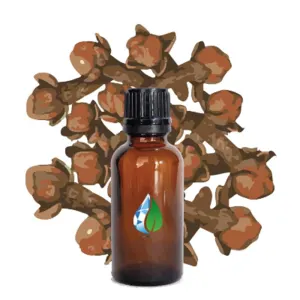
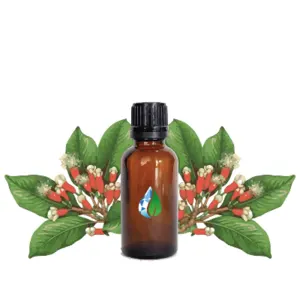
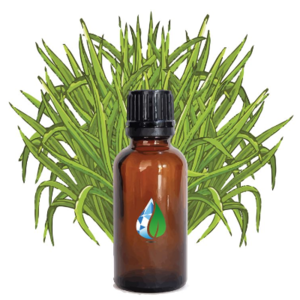
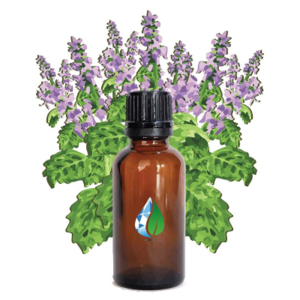
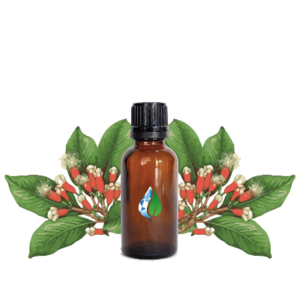
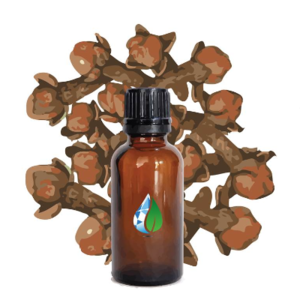
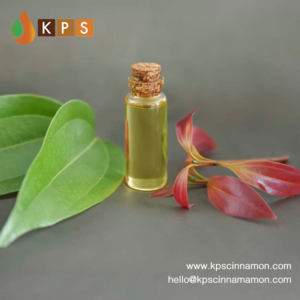
PT GLOBALINDO MEGA AROMA, located in Sumatera Barat, Indonesia, offers a diverse range of essential oils, with an active product count of 5. The company's product catalogue includes Citronella Oil, Patchouli Oil, Cananga Oil, Clove Leaf Oil, and Clove Bud Oil, all classified under the HS code 3301.29, except for Clove Leaf Oil which is classified under 3301.29.60. These products are derived from various plant materials, including leaves, stems, flowers, and buds.
The essential oils offered by PT GLOBALINDO MEGA AROMA cater to different industries, including aromatherapy, cosmetics, and pharmaceuticals. Indonesia, being a major producer of essential oils, has a well-established export market for these products. Exporters of essential oils from Indonesia typically adhere to international quality standards and regulations, ensuring the products meet the required specifications and safety standards.
Product Range and Specialties of PT GLOBALINDO MEGA AROMA
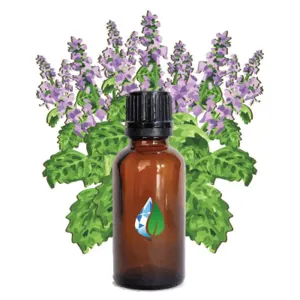
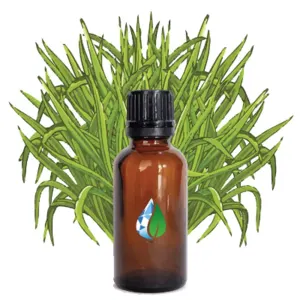
PT GLOBALINDO MEGA AROMA's product range encompasses various types of essential oils, each with its unique characteristics and applications. For instance, Citronella Oil, classified under HS code 3301.29, is derived from the leaves of the citronella plant and is commonly used in insect repellents and perfumes. Patchouli Oil, also classified under HS code 3301.29, is obtained from the leaves and stems of the patchouli plant and is often used in aromatherapy and skincare products.
Buyers of essential oils typically require specific quality grades and standards, such as GC/MS testing and ISO 9001:2015 certification. The products are usually packaged in glass bottles or aluminum containers, with quantities ranging from a few kilograms to several tons, often shipped in 20 ft or 40 ft containers.
Trade and Export Information - PT GLOBALINDO MEGA AROMA
Exporters of essential oils from Indonesia, like PT GLOBALINDO MEGA AROMA, usually export their products to regions such as Europe, North America, and Asia, where there is a high demand for aromatherapy and cosmetic products. The HS code 3301.29 is commonly used for essential oils, and exporters must comply with relevant regulations, such as those related to packaging, labeling, and customs clearance. Incoterms, such as FOB or CIF, are often used in international trade of essential oils, and buyers should be aware of the terms and conditions of the sale.
The Indonesian government has implemented regulations to ensure the quality and safety of essential oils exported from the country. Exporters must obtain necessary permits and certificates, such as the Phytosanitary Certificate, to ensure compliance with international standards. Buyers should request these documents and verify the authenticity of the products before making a purchase.
Sourcing from PT GLOBALINDO MEGA AROMA - Buyer Guidance
When sourcing essential oils from PT GLOBALINDO MEGA AROMA, buyers should request samples and test reports to verify the quality and specifications of the products. It is also essential to confirm the packaging, labeling, and shipping terms, including the Incoterms and the expected lead time. Buyers should be aware of the MOQ and the payment terms, and ensure that they comply with the regulations and standards of their country.
Buyers should also verify the certifications and documents required for the import of essential oils, such as the Certificate of Origin and the Commercial Invoice. Requesting these documents and verifying their authenticity can help ensure a smooth and compliant transaction. Additionally, buyers should be aware of the typical quality parameters and tests for essential oils, such as GC/MS testing and organoleptic evaluation, to ensure that the products meet their requirements.
Frequently Asked Questions About PT GLOBALINDO MEGA AROMA
What is the product range of PT GLOBALINDO MEGA AROMA?
PT GLOBALINDO MEGA AROMA offers a range of essential oils, including Citronella Oil, Patchouli Oil, Cananga Oil, Clove Leaf Oil, and Clove Bud Oil. These products are derived from various plant materials and are classified under different HS codes.
What are the typical quality standards for essential oils?
Essential oils typically require specific quality grades and standards, such as GC/MS testing and ISO 9001:2015 certification. Buyers should request these certifications and test reports to verify the quality of the products.
How are essential oils typically packaged and shipped?
Essential oils are usually packaged in glass bottles or aluminum containers, with quantities ranging from a few kilograms to several tons. They are often shipped in 20 ft or 40 ft containers, and the Incoterms, such as FOB or CIF, should be clearly specified.
What documents should buyers request when sourcing essential oils?
Buyers should request documents such as the Certificate of Origin, Commercial Invoice, and Phytosanitary Certificate to ensure compliance with international standards and regulations. They should also verify the authenticity of these documents.
What is the typical lead time for essential oil shipments?
The lead time for essential oil shipments can vary depending on the supplier, the destination, and the mode of transport. Buyers should confirm the expected lead time with the supplier to plan their production and inventory accordingly.
How can buyers verify the quality of essential oils?
Buyers can verify the quality of essential oils by requesting samples and test reports, and by conducting organoleptic evaluations and GC/MS testing. They should also verify the certifications and documents required for the import of essential oils.
What are the typical MOQ and payment terms for essential oil purchases?
The MOQ and payment terms for essential oil purchases can vary depending on the supplier and the buyer's requirements. Buyers should confirm these terms with the supplier to ensure a smooth and compliant transaction.
What regulations should buyers be aware of when importing essential oils?
Buyers should be aware of the regulations and standards of their country, as well as international regulations, such as those related to packaging, labeling, and customs clearance. They should also verify the certifications and documents required for the import of essential oils.




 , Indonesia