PT. Credosindo Mandiri — Verified Supplier
About PT. Credosindo Mandiri - Coffee Beans Supplier in Indonesia
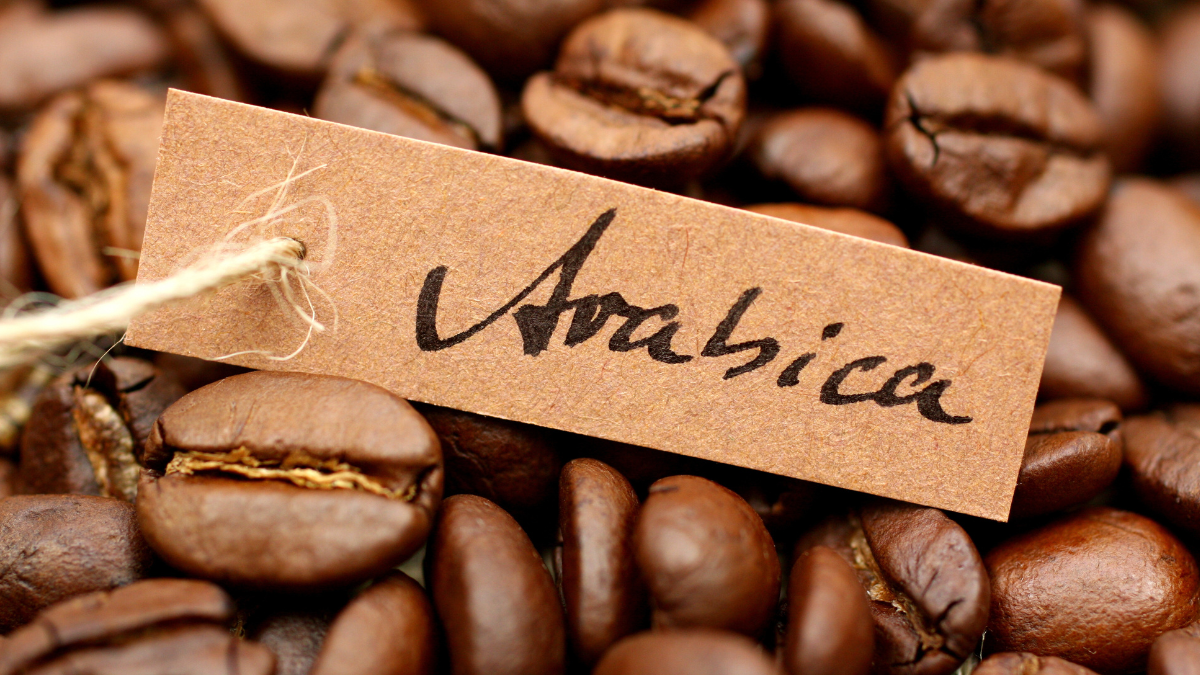
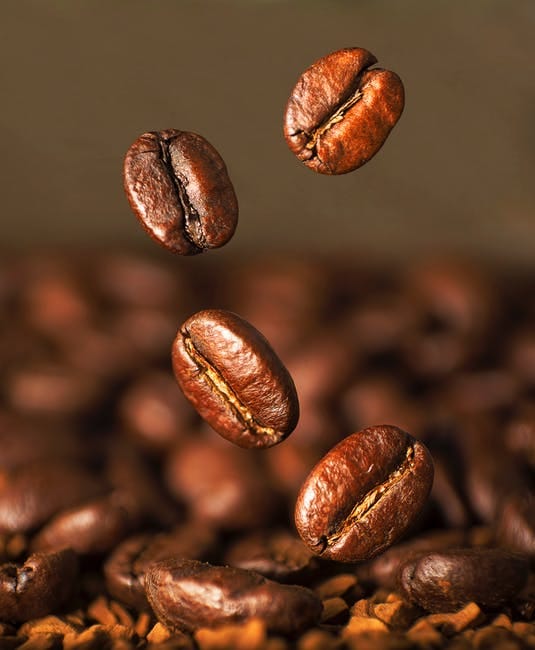
PT. Credosindo Mandiri is an Indonesian supplier operating from Indonesia with 6 active product listings, all concentrated in a single category: green coffee beans from the Minang (Minangkabau) growing region of West Sumatra. The catalogue covers a focused line of Minang Arabica coffees processed by four different post-harvest methods: Natural, Honey, Full Washed and Semi Washed, plus two washed-process grades (Grade 1 and Grade 2). All six listings are positioned as specialty-grade Minang Arabica, reflecting the typical single-origin, high-elevation Arabica profile that West Sumatran smallholders and processors are known for in the global green coffee trade. The supplier's offering sits within the Indonesian specialty Arabica segment, where coffees are conventionally classified by screen size, defect count, moisture content, processing method and cupping score. Minang Arabica, grown in the Bukit Barisan highlands around 1,000-1,500 m above sea level, is generally traded as washed, semi-washed, honey or natural preparations. Buyers evaluating this catalogue should expect each lot to be defined by its processing route and grade tier rather than by blend composition, since all six items are single-origin Minang Arabica. The product count of 6 indicates a narrow but vertically specialized range, which is typical of origin-focused Indonesian coffee exporters that concentrate on one terroir rather than broad multi-origin sourcing.
Product Range and Specialties of PT. Credosindo Mandiri
The 6-item catalogue is built entirely around Minang Arabica and is organized along two axes: processing method (Natural, Honey, Full Washed, Semi Washed) and grade tier (Specialty, Grade 1, Grade 2). Four of the six listings are labeled Specialty Minang Arabica, each differentiated by post-harvest processing: Natural (dried in cherry with full mucilage contact), Honey (partial mucilage retained during drying), Full Washed (fully demucilaged and washed) and Semi Washed (mechanically demucilaged with partial washing). The remaining two listings are washed-process Minang Arabica graded Grade 1 and Grade 2, which in Indonesian green coffee convention corresponds to the standard export classification where Grade 1 typically allows 0-11 secondary defects per 300 g sample and Grade 2 allows 12-25, with screen sizes commonly 15-17 for Grade 1 and 13-15 for Grade 2. In the broader specialty Arabica trade, the natural, honey and washed preparations seen here correspond to the three dominant processing families used by specialty roasters, each producing a distinct cup profile: natural tends toward berry, fermented and tropical-fruit notes, honey delivers syrupy body with restrained acidity, and washed coffees give cleaner, brighter acidity with more transparent origin character. Minang Arabica, like other Indonesian Arabicas from Gayo, Mandheling and Lintong, is conventionally cupped at moisture contents of 10-12%, with water activity below 0.60 for export stability and screen sizes typically 14-18. Buyers comparing the six listings should treat the Specialty tier as the cup-score-driven selection (commonly targeted at 80+ SCA points) and the Grade 1 / Grade 2 tier as the commercial washed grade defined by defect count and physical appearance.
Trade and Export Information - PT. Credosindo Mandiri
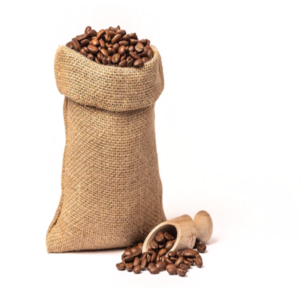
Green coffee falls under HS code 0901 (Coffee, whether or not roasted or decaffeinated; coffee husks and skins; coffee substitutes containing coffee in any proportion), with unroasted, non-decaffeinated Arabica specifically classified under HS 0901.11. Indonesian green coffee exporters typically ship in 60 kg jute or grain-pro bags inside a containerized 20 ft load of around 17-19 tonnes, with FCL shipments commonly arranged on CIF or FOB terms to roasters, importers and green coffee traders. The principal destination regions for Indonesian Arabica are the United States, Japan, Germany, Italy, the United Kingdom, Australia and South Korea, with growing volumes into the Middle East and China; specialty single-origin lots in particular tend to move through small-lot importers and direct-trade roasters rather than bulk commodity channels. For the Minang Arabica category, buyers and importers typically require a phytosanitary certificate issued by the Indonesian Agricultural Quarantine Agency (Barantan), a certificate of origin (Form E or preferential origin where applicable), and a quality analysis covering moisture, water activity, screen size, defect count and cup score. Specialty buyers additionally request SCA cupping reports and often traceability documentation back to the producer group or cooperative, while commercial Grade 1 and Grade 2 buyers focus on ICO or SNI compliance and physical grading sheets. Indonesian green coffee exports are also subject to the country's national standard SNI 01-3547 for ground or whole roasted coffee and the underlying green coffee grading rules used by the Ministry of Trade, which exporters commonly reference even when the final sale contract is governed by the buyer's destination standards.
Sourcing from PT. Credosindo Mandiri - Buyer Guidance
Sourcing from PT. Credosindo Mandiri should be approached as a single-origin Minang Arabica procurement rather than a broad Indonesian coffee basket, since the entire catalogue is concentrated on this one region and processing style. Before confirming any order, a buyer should request the current crop lot's moisture content (target 10-12%), water activity (below 0.60), screen size distribution, defect count against the relevant grade, and an SCA cupping score sheet for the specific lot, not a generic origin profile. For the Specialty tier, ask for processing details (drying days, fermentation method, patio versus mechanical drying) and storage history; for Grade 1 and Grade 2, request the grading sheet and a pre-shipment sample of at least 200 g. Verifications that carry real weight in this category include a recent phytosanitary certificate, a copy of the exporter's registration with Indonesia's Ministry of Trade, and the ability to nominate an independent third-party inspection (such as SGS, Sucafina or a buyer-chosen Q-grader) at the warehouse prior to container stuffing. Buyers should also confirm packaging (60 kg bags, container lining, and whether GrainPro or similar hermetic liners are used), the Incoterms offered, and the lead time between order confirmation and FOB or CIF shipment, since Indonesian coffee logistics typically involve inland trucking from West Sumatra to the port of Padang or, for re-export, through Belawan or Jakarta. A harbor-tier supplier with a 6-lot, single-origin catalogue is best treated as a focused origin source where lot-level documentation and pre-shipment sampling are the primary quality safeguards.
Frequently Asked Questions About PT. Credosindo Mandiri
What product categories does PT. Credosindo Mandiri supply?
The supplier lists 6 active products, all in the green coffee beans category, specifically Minang Arabica from West Sumatra in natural, honey, full washed and semi washed preparations, plus Grade 1 and Grade 2 washed Minang Arabica.
Which HS code applies to the Minang Arabica coffee in this catalogue?
Green, non-decaffeinated Arabica coffee is classified under HS 0901.11 (Coffee, not roasted, not decaffeinated), within the broader HS 0901 chapter covering coffee, coffee husks and skins.
What is the difference between the Specialty and Grade 1 / Grade 2 listings?
The Specialty listings are differentiated by processing method (Natural, Honey, Full Washed, Semi Washed) and are typically targeted at cup scores of 80+ SCA points, while Grade 1 and Grade 2 are washed-process commercial grades defined by defect count per 300 g and screen size under Indonesian grading convention.
Which documents and certifications should be requested with an order?
Buyers should request a phytosanitary certificate from Indonesia's Barantan, a certificate of origin, the exporter's commercial documents, an SCA cupping report for the specific lot, and a grading sheet showing moisture, water activity, screen size and defect count.
What are typical packaging and shipping norms for Minang Arabica?
Green Arabica from West Sumatra is conventionally shipped in 60 kg jute or grain-pro bags, with a 20 ft container typically holding around 17-19 tonnes, often under FOB or CIF terms via the port of Padang or trans-shipment through Belawan or Jakarta.
What quality parameters should be confirmed before shipment?
Confirm moisture content of 10-12%, water activity below 0.60, screen size distribution, defect count against the declared grade, and an SCA cupping score for the exact lot, ideally verified through a pre-shipment sample and independent inspection.
Which regions typically import Indonesian Minang Arabica?
Indonesian Arabica is typically imported by the United States, Japan, Germany, Italy, the United Kingdom, Australia and South Korea, with specialty single-origin lots usually going to small-lot importers and direct-trade roasters rather than bulk channels.
How can a buyer verify the supplier before placing a first order?
Request the exporter's Indonesian business registration, recent phytosanitary and origin certificates from prior shipments, a current crop sample of at least 200 g per lot, and the option to appoint a third-party inspector or Q-grader at the warehouse prior to container stuffing.




 , Indonesia