Promotion Industries — Supplier
About Promotion Industries - Slag Supplier in Ukraine
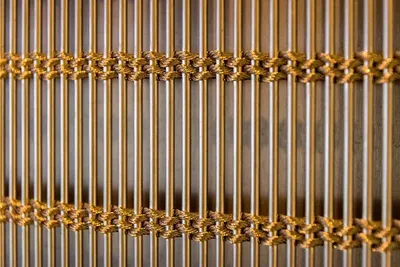
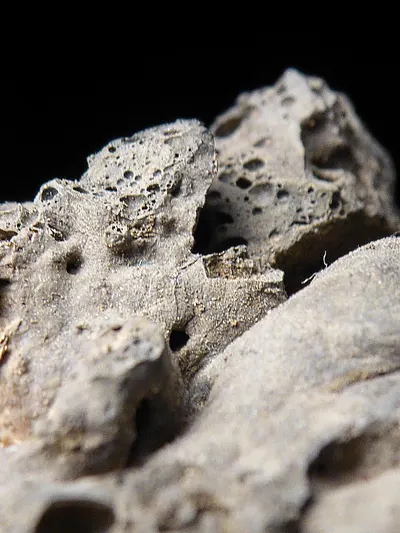
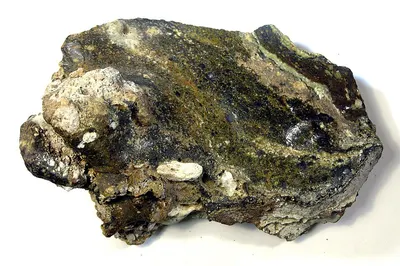
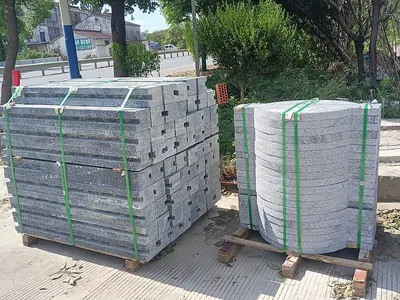
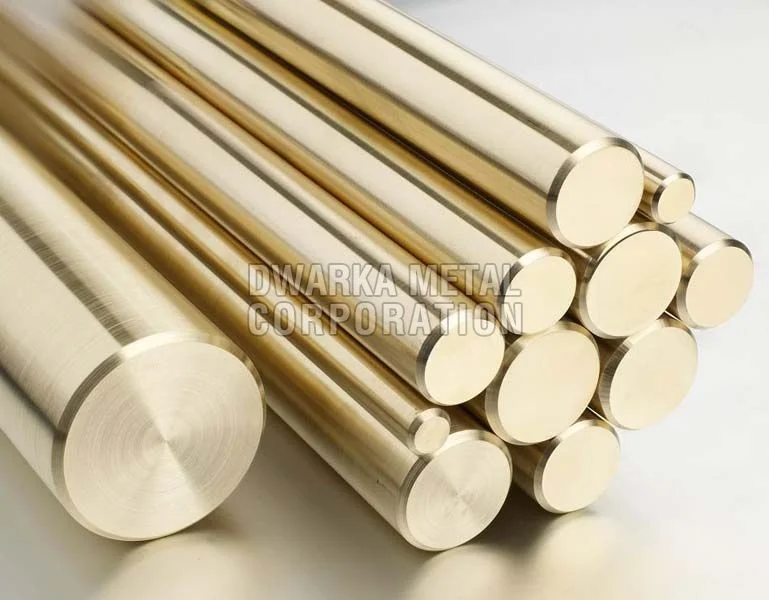
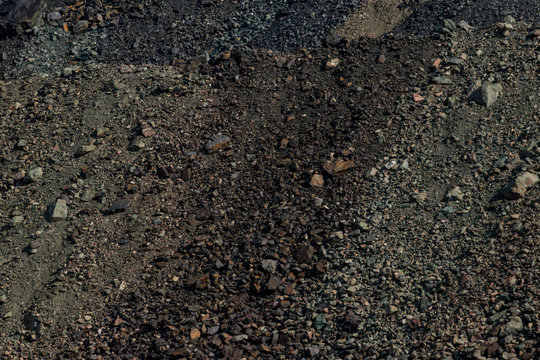
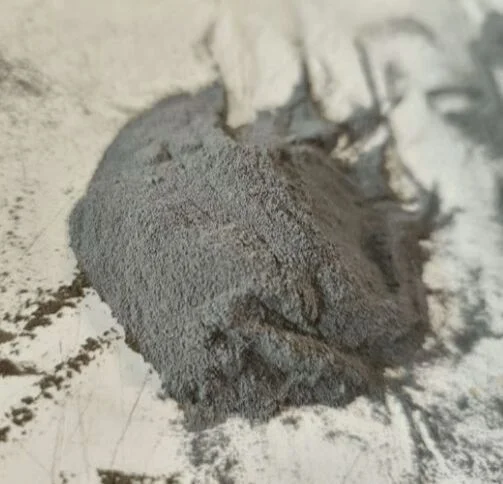
Promotion Industries is based in Ukraine and currently lists five active products on its catalogue. The company's top categories include slag, brass rods, sunflower oil, and building stone products such as blocks, tiles and slabs. Each product entry provides the HS‑code family and material composition where applicable. The supplier's catalogue covers both metal alloys and construction aggregates as well as edible oil. The information is organized by product type rather than by volume or capacity. The brass rod offering is described as a drawn round rod with a 200 mm diameter, classified under HS code 7403.21 and made from a CuZn40 alloy containing 59.5‑61.5 % copper and the balance zinc with a maximum of 0.3 % lead. Two slag‑related items are listed: blast furnace slag for road construction (HS 2517.10) and crushed stone derived from the same slag (HS 2618.00). The oil line comprises refined and non‑refined sunflower oil, while the stone line includes granite tile plates classified under HS 6802.93. All entries specify the primary material, allowing buyers to match them with standard industry specifications.
Product Range and Specialties of Promotion Industries
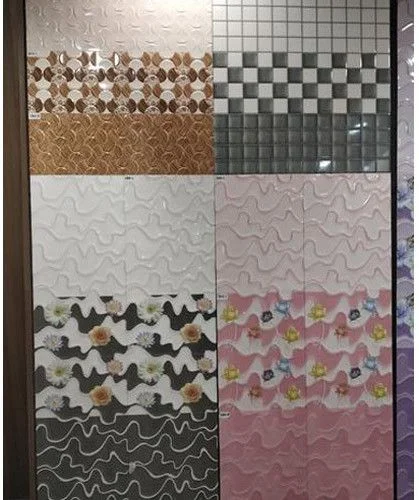
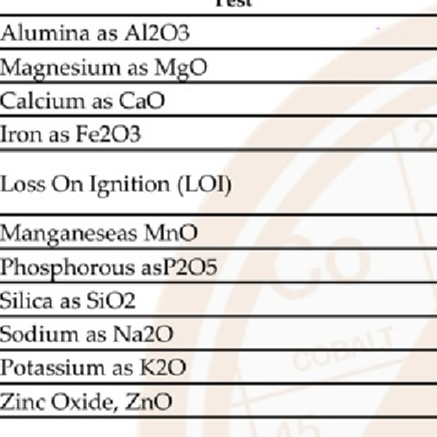
The catalogue lists a drawn brass rod (200 mm diameter) of CuZn40 alloy, blast furnace slag for road construction, crushed stone produced from that slag, refined and non‑refined sunflower oil, and granite tile plates. In the metal alloy market, brass rods of this composition are typically supplied to meet ASTM B229 specifications, with tensile strengths of 300‑400 MPa and dimensional tolerances of ±0.2 mm. Road‑construction slag is usually evaluated for CaO content (45‑55 %), SiO₂ (10‑20 %), and free‑lime percentage, and conforms to EN 13108‑1 grade A for aggregate use. Sunflower oil grades are commonly identified by ICUMSA color (45 for refined, 70‑80 for crude) and by acidic value below 0.5 % for refined oil. Granite tile plates are generally offered in 300 × 300 mm or 600 × 600 mm sizes, thickness 10‑30 mm, and must satisfy ISO 13006 water absorption limits of less than 0.5 %. These industry benchmarks help buyers align the supplier’s offerings with typical project requirements.
Trade and Export Information - Promotion Industries
Ukraine exports construction aggregates such as blast furnace slag and crushed stone primarily to EU member states, the Middle East, and Central Asian markets, where the HS‑code families 2517 and 2618 are routinely used in customs declarations. Slag for road construction often requires compliance with EN 13108‑1 and may be inspected under the EU’s REACH framework for heavy‑metal content. Brass rods under HS 7403.21 are commonly shipped in 20‑ft or 40‑ft containers with wooden pallets, and buyers frequently request ISO 9001 or ISO 14001 certification to verify quality and environmental management. Sunflower oil from Ukraine is a major export to the EU, North Africa and the CIS, and imports typically demand ISO 22000, HACCP, and a phytosanitary certificate. Granite tiles (HS 6802.93) are shipped in bulk or on pallets, with packaging that protects against chipping; buyers often look for compliance with the European Technical Assessment (ETA) for natural stone. Standard Incoterms used include CIF or FOB, and freight forwarders usually arrange container loading according to the weight limits set for each HS code.
Sourcing from Promotion Industries - Buyer Guidance
When sourcing the brass rod, request a mill test certificate that details the exact Cu/Zn ratio, tensile strength, hardness, and conformity to ASTM B229. For slag and crushed stone, obtain a material safety data sheet (MSDS) and a chemical analysis report confirming CaO, SiO₂, and free‑lime percentages, as well as any ISO 9001 quality certificates the supplier can provide. Sunflower oil buyers should ask for a recent laboratory analysis covering free fatty acid (FFA) value, peroxide number, and ICUMSA color grade, together with a phytosanitary certificate and, if required, an ISO 22000 or HACCP audit report. For granite tile plates, request dimensions, thickness tolerance, water absorption test results per ISO 13006, and a compliance statement with any applicable European stone standards. Verify that the HS codes listed match the product description on the commercial invoice and that packaging meets the destination country’s import regulations.
Frequently Asked Questions About Promotion Industries
What HS code is used for the drawn brass rod and why is it important?
The brass rod is listed under HS code 7403.21, which covers drawn copper‑base alloy rods. Including this code on the commercial invoice ensures correct tariff treatment and compliance with customs regulations.
Which certifications are commonly required for Ukrainian blast furnace slag used in road construction?
Buyers typically request an ISO 9001 quality management certificate and proof of compliance with EN 13108‑1 for slag aggregates. Ask the supplier to provide these documents before confirming the order.
How can I verify the quality of the sunflower oil offered?
Request a recent analytical report that includes free fatty acid content, peroxide value, and the ICUMSA color grade (e.g., ICUMSA 45 for refined oil). These parameters are standard indicators of oil purity and oxidative stability.
What are the standard dimensions and water‑absorption limits for granite tile plates?
Granite tiles are usually supplied in 300 × 300 mm or 600 × 600 mm formats with thicknesses between 10 mm and 30 mm. They must meet a water‑absorption limit of less than 0.5 % according to ISO 13006.
What packaging is typical for the crushed stone derived from blast furnace slag?
Crushed stone from slag is commonly shipped in bulk using open‑top containers or in 20‑ft containers with internal liners to prevent moisture ingress. Packaging follows the weight specifications associated with HS code 2618.00.
What documentation should I request before ordering the brass rods?
Ask for a mill test certificate that details the alloy composition, tensile strength, and hardness, as well as a conformity statement to ASTM B229. These documents confirm that the product meets standard mechanical and chemical specifications.




 , Ukraine