Tukosupreme Ltd. — Verified Manufacturer & Wholesale Supplier
About Tukosupreme Ltd. - Edible and Cosmetic Oils Supplier in United Kingdom
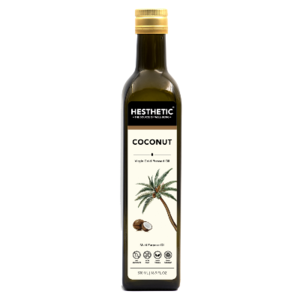
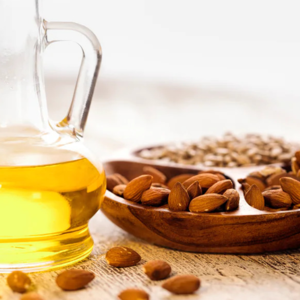
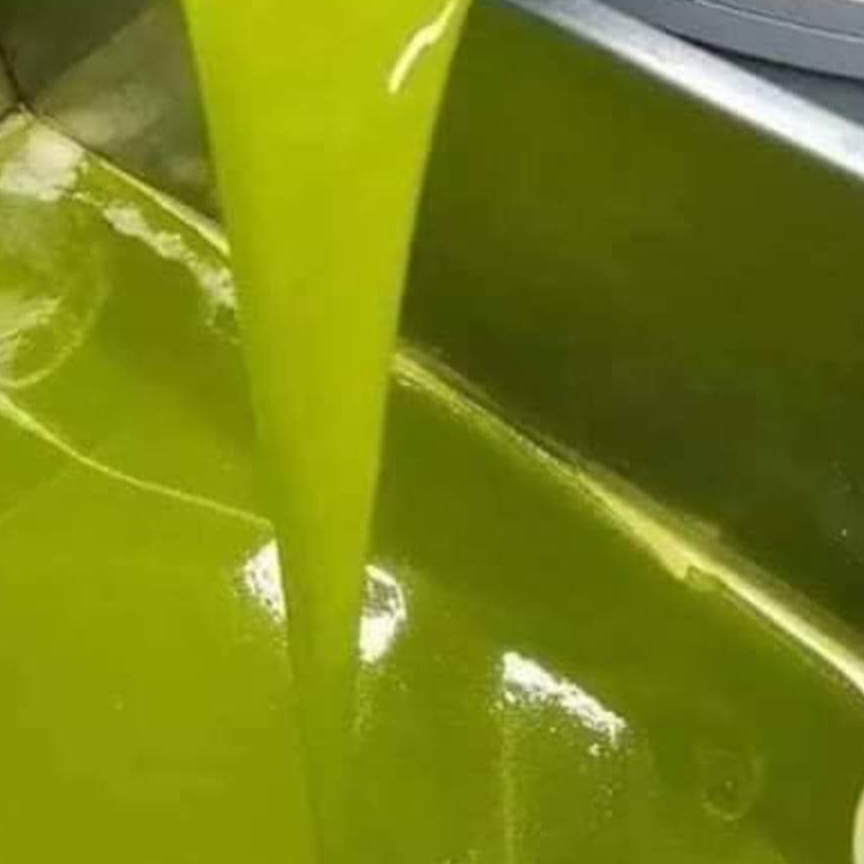
United Kingdom‑based Tukosupreme Ltd. lists ten active products that are sourced primarily from Kenya and marketed for edible and cosmetic applications. The catalogue includes virgin coconut oil (HS 1513.11), macadamia oil (HS 1515.29), avocado oil (HS 1515.90), sesame oil (HS 1515.19), papaya oil (HS 1515.90), baobab oil (HS 1515.90), almond oil (HS 1515.90), moringa seed oil (HS 1515.49), shea butter (HS 1515.90) and tea‑tree raw wood (HS 4403.95). Each entry specifies the material source, such as cold‑pressed coconut‑derived oil or refined sesame seed oil, and the HS‑code family reflects the standard commodity classification for vegetable oils and related raw wood.
The supplier’s top‑category list references coconut, macadamia, sesame, peanut, butter, olive, sunflower and avocado oils, indicating a focus on high‑value niche oils used in food processing and personal‑care formulations. Although the current catalogue does not contain olive, sunflower or peanut oils, the existing ten items represent a mix of virgin, cold‑pressed and refined vegetable oils together with a natural vegetable fat (shea butter) and a raw wood material for essential‑oil extraction.
Product Range and Specialties of Tukosupreme Ltd.
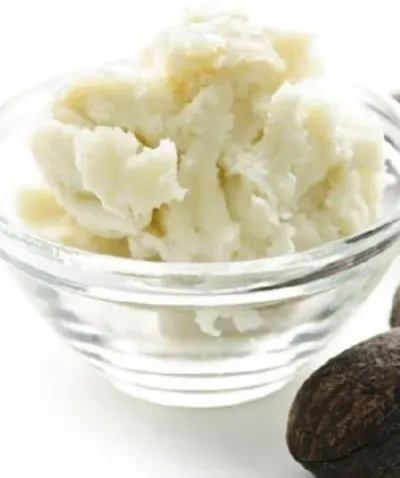
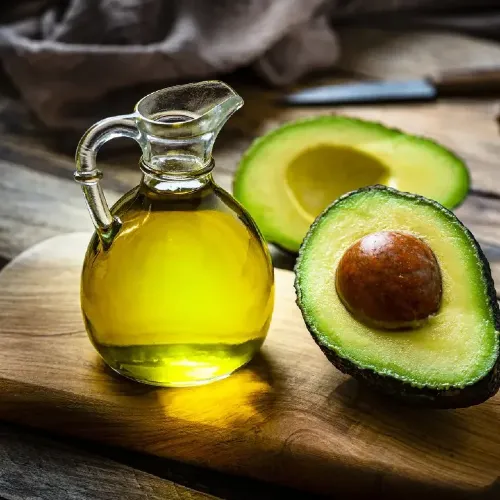
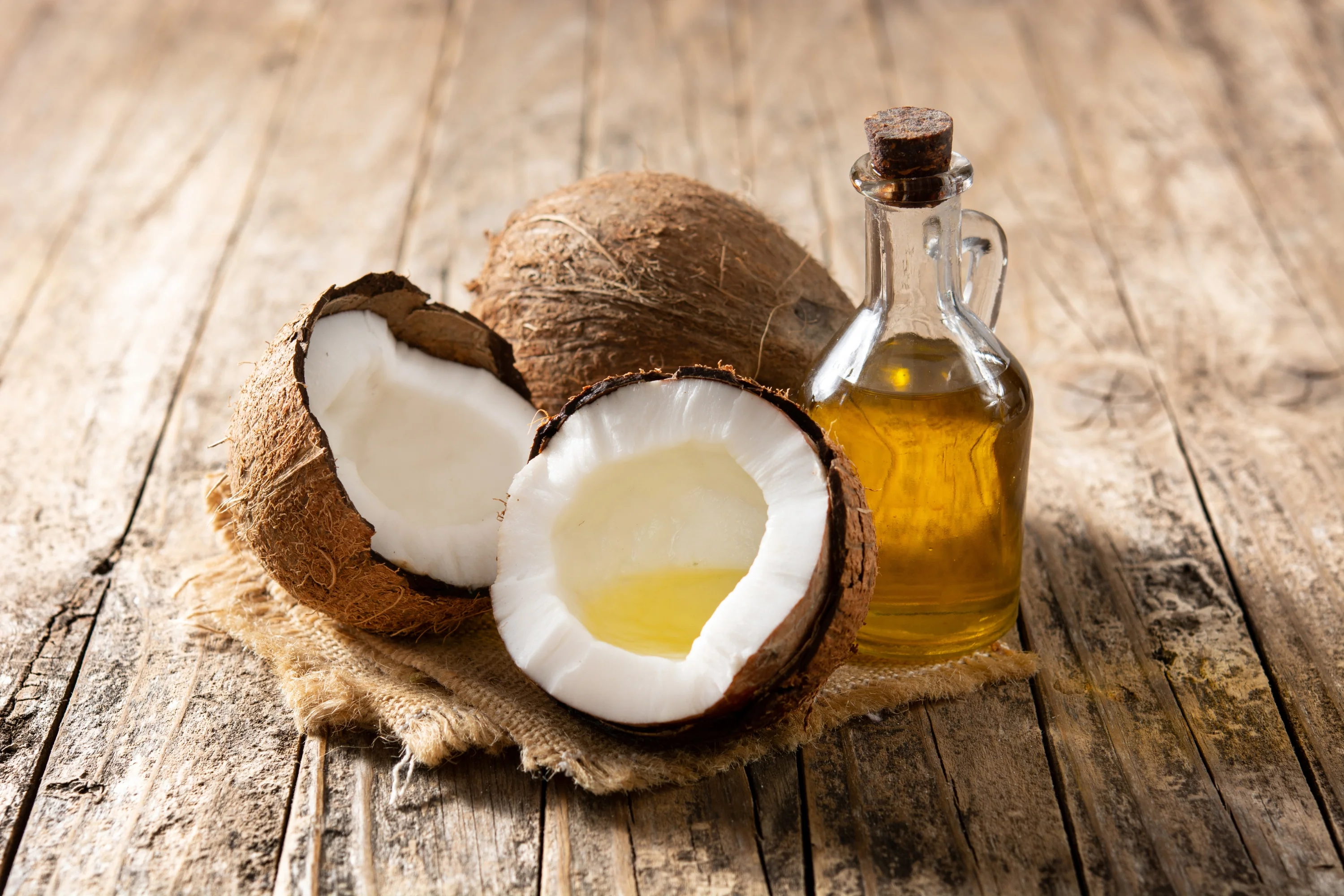
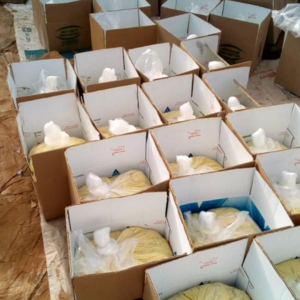
The product range comprises virgin coconut oil (cold‑pressed, typically extra‑virgin with free‑fatty‑acid < 0.1 % and moisture < 0.2 %), macadamia nut oil (refined food‑grade, iodine value 50‑70 g I₂/100 g, peroxide < 5 meq O₂/kg), avocado oil (cold‑pressed, peroxide < 10 meq O₂/kg, smoke point ≈ 210 °C), refined sesame seed oil (iodine value 100‑115 g I₂/100 g, smoke point ≈ 210 °C), papaya seed oil, baobab seed oil, sweet almond oil and moringa seed oil (all classified under HS 1515.90/1515.49 and commonly sold with FFA < 0.1 % and peroxide < 10 meq O₂/kg). Shea butter is a 100 % natural vegetable fat (HS 1515.90) frequently supplied in bulk or 25 kg blocks, while tea‑tree raw wood (HS 4403.95) is used for distillation of essential oil. Typical packaging includes 200 L steel drums, 25 kg polyethylene bags and 1 L retail bottles, allowing shipment in 20‑ft containers that can hold roughly 10‑12 tonnes of oil.
Industry standards for these categories often require ISO 22000 food‑safety management, EU organic certification for certified products, and REACH registration for cosmetic‑grade oils. Buyers commonly request a Certificate of Analysis confirming free‑fatty‑acid, peroxide, iodine value, moisture content and microbiological limits. The HS‑code families 1513 and 1515 cover the majority of edible vegetable oils, while 4403 applies to raw wood destined for essential‑oil production.
Trade and Export Information - Tukosupreme Ltd.
The United Kingdom imports the listed oils primarily from Kenya, a major producer of tropical seed and fruit oils. Exporters of HS 1513 and HS 1515 products from East Africa typically ship to the European Union, the Middle East, North America and South‑East Asia, where food manufacturers, cosmetics firms and nutraceutical companies source high‑value niche oils. Standard export documentation includes a commercial invoice, packing list, certificate of origin and, where applicable, an organic‑certification certificate.
Customs authorities often check that the HS code matches the product description and that the shipment complies with EU REACH or US FDA regulations for edible and cosmetic oils. Buyers frequently require FOB or CIF terms; containers are loaded with 200 L drums or bulk tanker trucks for 20‑ft or 40‑ft containers. Typical certifications requested by importers are ISO 9001/ISO 22000, EU organic (Regulation 834/2007) and a recent analysis report meeting Codex Alimentarius limits for peroxide and free‑fatty‑acid values.
Sourcing from Tukosupreme Ltd. - Buyer Guidance
When sourcing from Tukosupreme Ltd., request a full Certificate of Analysis for each oil, confirming free‑fatty‑acid, peroxide, iodine value, moisture and any microbiological limits. Ask for a copy of the organic‑certification (if required) and a certificate of origin confirming Kenyan provenance, as well as proof of REACH registration for cosmetic‑grade oils destined for the EU market.
Verify that the HS code on the commercial invoice aligns with the product material (e.g., 1513.11 for virgin coconut oil). Typical minimum order quantities range from 500 kg to 1 tonne per oil, with lead times of 30‑45 days from order confirmation to shipment. Request a sample batch (5‑10 L) before finalizing the order to confirm sensory attributes, smoke point and compliance with the buyer’s specification sheet.
Frequently Asked Questions About Tukosupreme Ltd.
What HS codes are used for the oils listed by Tukosupreme Ltd.?
The catalogue assigns HS 1513.11 to virgin coconut oil, HS 1515.29 to macadamia oil, HS 1515.19 to sesame oil, HS 1515.49 to moringa seed oil and HS 1515.90 to avocado, papaya, baobab, almond, shea butter and other vegetable oils. Tea‑tree raw wood is classified under HS 4403.95.
Which quality parameters should I check for the virgin coconut oil?
Buyers typically verify that the oil meets extra‑virgin standards with free‑fatty‑acid < 0.1 %, moisture < 0.2 %, peroxide value < 5 meq O₂/kg and that a Certificate of Analysis is provided.
Are the listed oils suitable for cosmetic formulations?
Macadamia, avocado, almond, moringa seed and shea butter are commonly used in cosmetic blends; buyers should request a cosmetic‑grade Certificate of Analysis and confirm REACH registration before use.
What packaging options are available for bulk orders?
Standard bulk packaging includes 200 L steel drums, 25 kg polyethylene bags and 1 L retail bottles. Larger shipments are typically consolidated in 20‑ft containers holding up to 12 tonnes of oil.
What certifications are commonly required for these products?
Importers often ask for ISO 22000 or ISO 9001 food‑safety certificates, EU organic certification where applicable, and a recent Certificate of Analysis. REACH compliance is required for cosmetic‑grade oils sold to the European market.
What are the typical lead times and minimum order quantities?
Lead times are generally 30‑45 days from order confirmation. Minimum order quantities usually start at 500 kg per oil, though larger volumes may be negotiated for repeat buyers.
How can I request a sample before placing a full order?
Buyers can request a 5‑10 L sample of any listed oil; the supplier will ship the sample in a sealed container with accompanying analytical data for verification.
Which regions most frequently import these Kenyan‑origin oils?
Key import markets include the European Union, the United States, the Middle East and South‑East Asian countries, where food processors, cosmetics manufacturers and nutraceutical firms source specialty tropical oils.




 , United Kingdom