Sydenham Enterprises Limited — Verified Distributor & Wholesale Supplier
About Sydenham Enterprises Limited - Sunflower Oil Supplier in Kenya
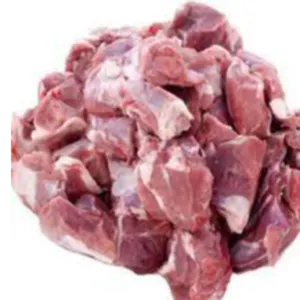
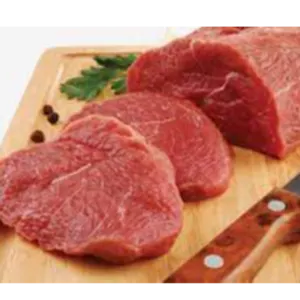
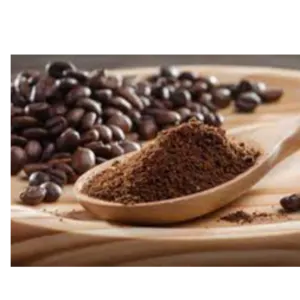
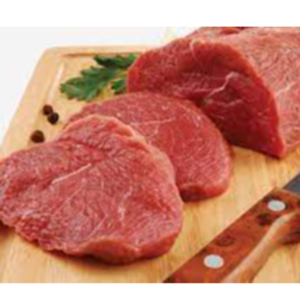
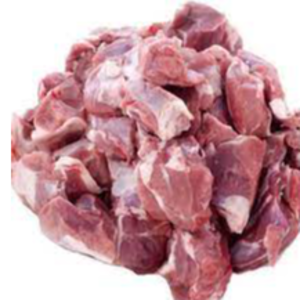
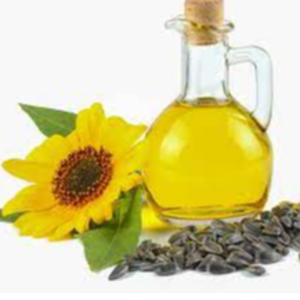
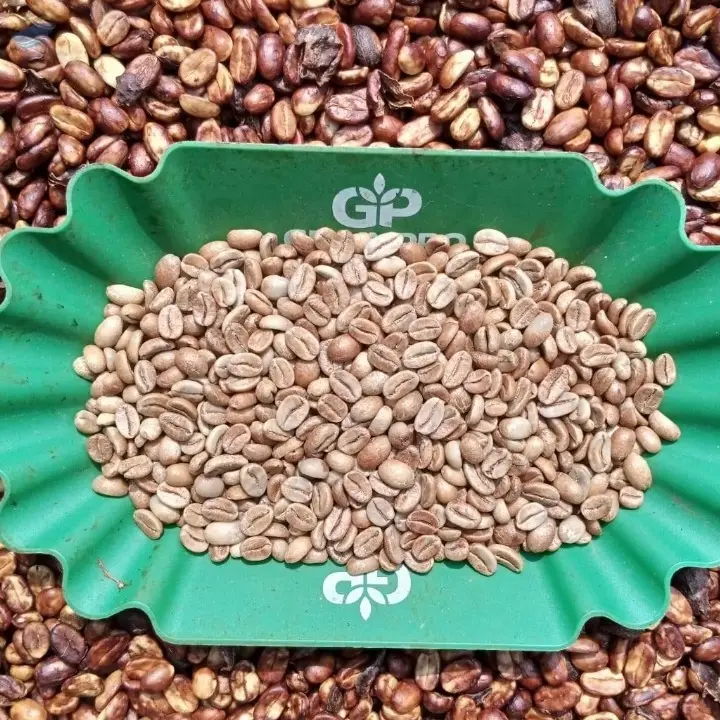
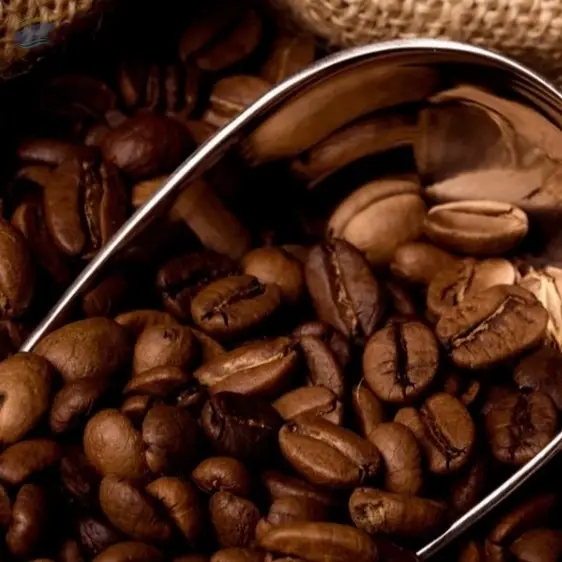
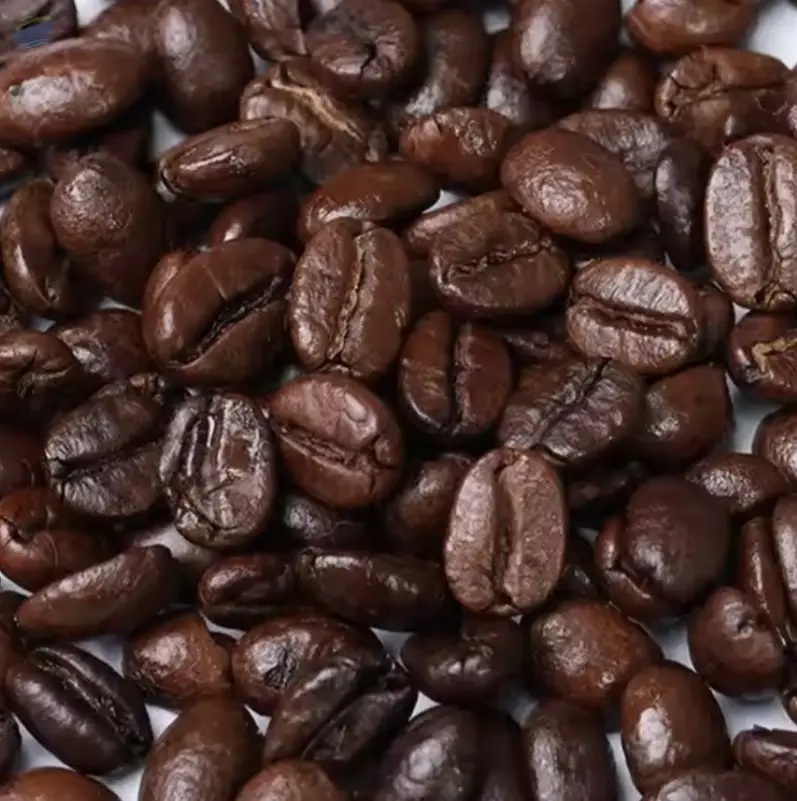
Kenya, located in East Africa, is the origin of Sydenham Enterprises Limited, which lists six active products in its catalogue. The company offers roasted coffee beans (HS 0901.21), black tea leaves (HS 0902.40), cooked preserved beef (HS 1602.50), fresh or frozen mutton (HS 0204.50), refined canola oil (HS 1514.19) and refined sunflower oil (HS 1512.11). Each entry is identified by its HS code and material description as recorded in the supplier’s catalogue. The product set covers both agricultural commodities and edible oils, reflecting the range of Kenyan export commodities. The catalogue does not include additional categories beyond those six items.
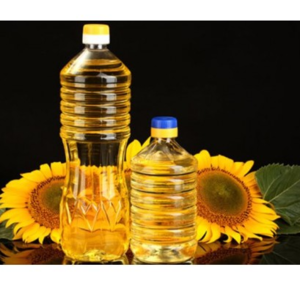
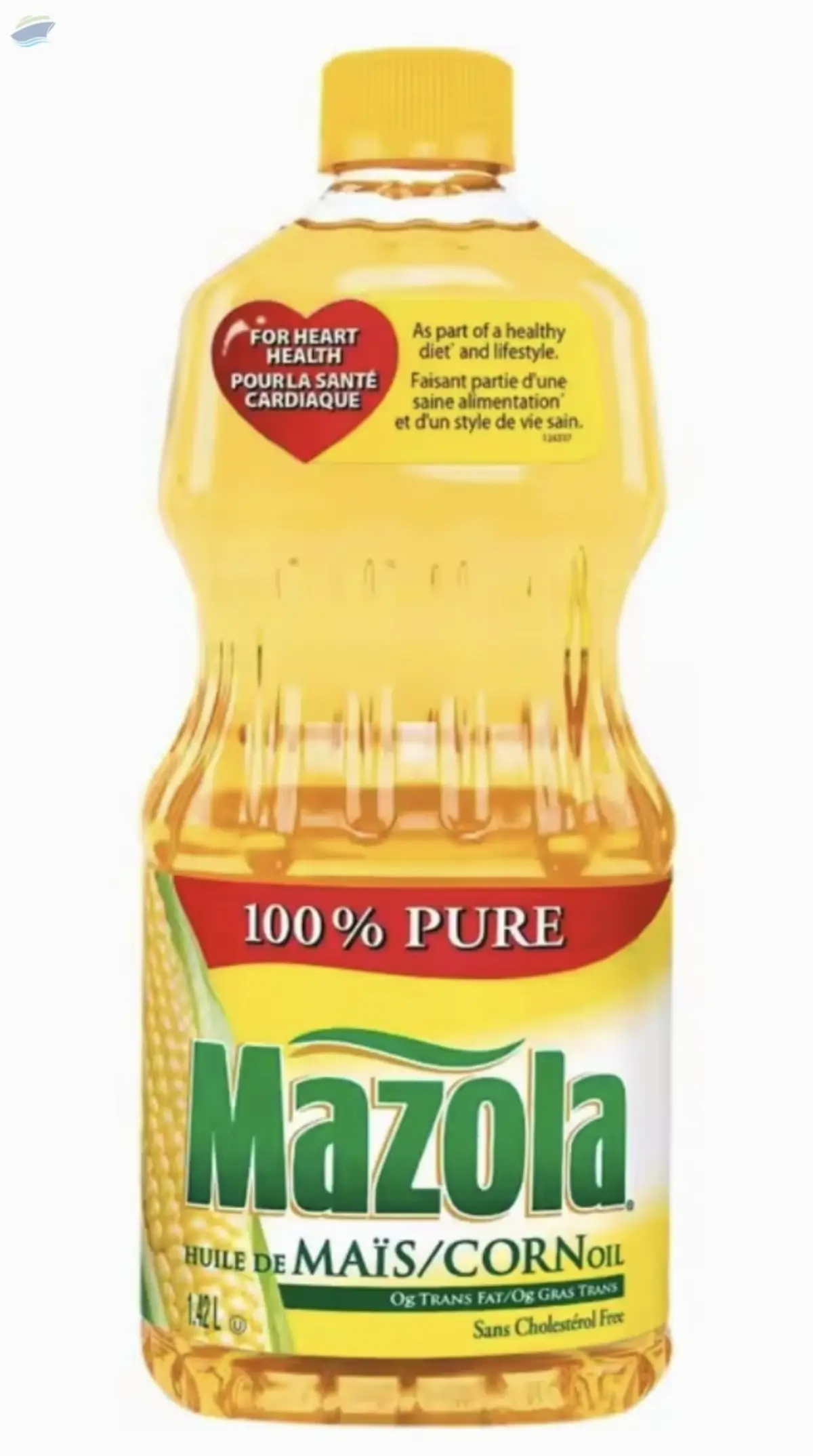
The primary category highlighted for the supplier is Sunflower Oil, classified under HS chapter 15 as refined sunflower seed oil. In addition to sunflower oil, the supplier also lists canola oil, both derived from oilseed crops cultivated in Kenya’s high‑yield regions. The meat segment comprises cooked beef and fresh or frozen mutton, while the beverage segment includes roasted coffee beans and black tea leaves. All products are presented with their respective HS codes, enabling buyers to reference standard customs classifications. No further product lines are mentioned in the provided data.
Product Range and Specialties of Sydenham Enterprises Limited
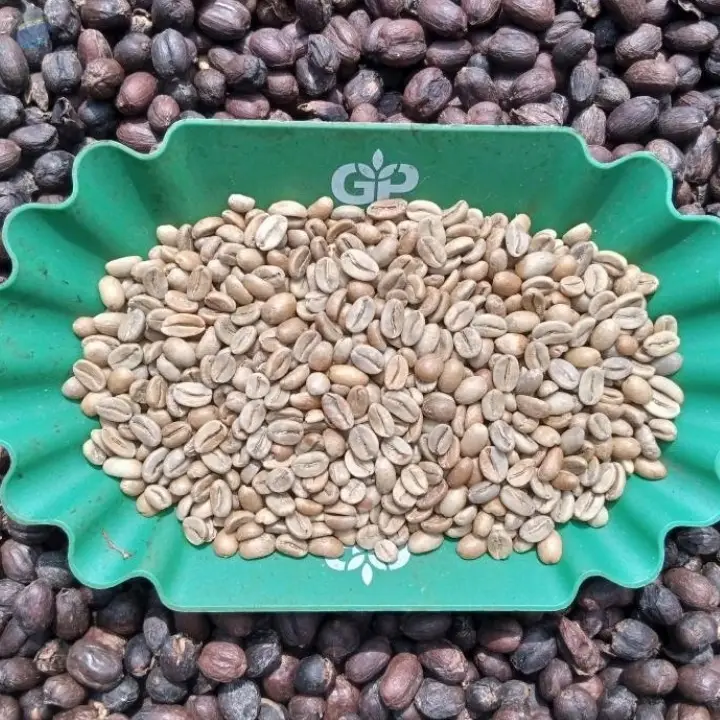
Sydenham Enterprises Limited’s catalogue includes roasted Arabica or Robusta coffee beans, typically graded 80 + on the Specialty Coffee Association scale, with moisture content below 12 % and aflatoxin limits of 5 µg kg‑1 for most import markets. Black tea leaves are generally sold as fully oxidised grade, with leaf size in the range of 5‑15 mm, moisture under 12 % and permissible pesticide residues defined by EU maximum residue limits. Refined sunflower and canola oils are usually filtered, free‑fatty‑acid (FFA) content under 0.5 %, peroxide value below 10 meq O₂ kg‑1, and iodine values around 120‑130 for sunflower and 100‑110 for canola, matching common specifications for bulk edible oil trade. Cooked preserved beef is commonly packed in vacuum‑sealed trays or bulk cans, with a shelf life of 12‑18 months and compliance to HACCP and ISO 22000 food‑safety standards; fresh or frozen mutton is typically supplied in insulated 20 kg cartons or frozen blocks with temperature control at - 18 °C or lower. These specifications represent the typical grades and material attributes buyers encounter for each product class in international trade.
Trade and Export Information - Sydenham Enterprises Limited
Kenya is a recognized exporter of coffee, tea, edible oils and meat to the European Union, the United States, the Middle East and East Asian markets. HS chapter 09 products such as coffee (0901) and tea (0902) are subject to phytosanitary certification, origin‑country certificates of analysis and, where applicable, organic certification under EU Regulation 834/2007. Edible oils under HS 1512 and 1514 usually require a Certificate of Analysis confirming free‑fatty‑acid, peroxide and iodine values, as well as compliance with EU pesticide residue limits and US FDA food‑safety requirements. Meat products classified under HS 0204 and 1602 must be accompanied by a veterinary health certificate, a KEPHIS phytosanitary inspection report, and often an ISO 22000 or HACCP audit report for processed beef. Typical export logistics involve loading bulk oil in 20‑ft or 40‑ft containers on 20‑metric‑tonne pallets, coffee and tea in jute or polypropylene bags of 60‑kg capacity, and meat in refrigerated containers (reefers) with temperature monitoring. Common Incoterms used by Kenyan exporters include FOB Mombasa and CIF to destination ports, with buyers frequently arranging pre‑shipment inspections through third‑party agencies to satisfy import‑country regulatory bodies.
Sourcing from Sydenham Enterprises Limited - Buyer Guidance
When sourcing from Sydenham Enterprises Limited, buyers should request a current Certificate of Analysis for each commodity, specifying moisture, FFA, peroxide, iodine values for oils, and aflatoxin or pesticide residue data for coffee and tea. For meat, a veterinary health certificate, a recent KEPHIS phytosanitary inspection report and evidence of HACCP or ISO 22000 compliance are standard prerequisites. Verify that the HS codes provided (0901.21, 0902.40, 1602.50, 0204.50, 1514.19, 1512.11) match the intended product description and that packaging (e.g., 60‑kg jute bags for coffee, 20‑kg insulated cartons for mutton) meets the buyer’s handling requirements. Typical minimum order quantities are 500 kg for refined oils, 200 kg for coffee beans, 100 kg for tea leaves and 1 tonne for frozen meat, with lead times ranging from 30 to 45 days after order confirmation and receipt of payment documentation.
Frequently Asked Questions About Sydenham Enterprises Limited
What product categories does Sydenham Enterprises Limited list in its catalogue?
The catalogue contains roasted coffee beans (HS 0901.21), black tea leaves (HS 0902.40), cooked preserved beef (HS 1602.50), fresh or frozen mutton (HS 0204.50), refined canola oil (HS 1514.19) and refined sunflower oil (HS 1512.11).
What certifications should a buyer request for the coffee and tea products?
Buyers should request a Certificate of Analysis covering moisture, aflatoxin limits and pesticide residues, and, if organic claims are made, an organic certification compliant with EU or US standards. Additionally, a phytosanitary certificate issued by Kenyan authorities is commonly required for import.
Are there specific packaging formats for the meat products?
Cooked beef is typically supplied in vacuum‑sealed trays or bulk cans, while fresh or frozen mutton is shipped in insulated 20 kg cartons or frozen blocks, all designed for temperature‑controlled transport. Packaging must meet the importing country’s hygiene and labeling regulations.
What are the typical minimum order quantities and lead times for the oil products?
Refined sunflower and canola oils are usually ordered in increments of 500 kg, with a standard lead time of 30‑45 days from order confirmation, depending on container availability and customs clearance.
Which international standards are commonly required for the edible oil quality?
Buyers commonly require compliance with free‑fatty‑acid levels below 0.5 %, peroxide values under 10 meq O₂ kg‑1 and iodine values within the range of 100‑130, as defined by Codex Alimentarius and EU food‑safety regulations.
How are the coffee and tea shipments typically packed for export?
Coffee beans are usually packed in 60‑kg jute or polypropylene bags, while black tea leaves are shipped in 25‑kg kraft paper bags, both placed on standard 20‑ft pallets suitable for container loading.
What Incoterms does the supplier commonly use for shipments?
Sydenham Enterprises Limited commonly offers FOB Mombasa, allowing the buyer to arrange main carriage, as well as CIF to major destination ports where the supplier handles freight and insurance to the port of entry.




 , Kenya