Promakar Flour Mills — Supplier

About Promakar Flour Mills - Flour Supplier in Nigeria

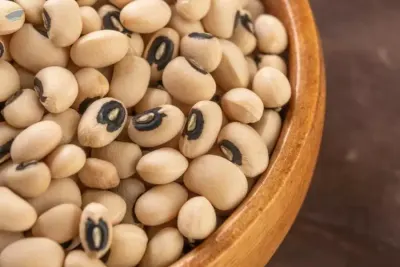
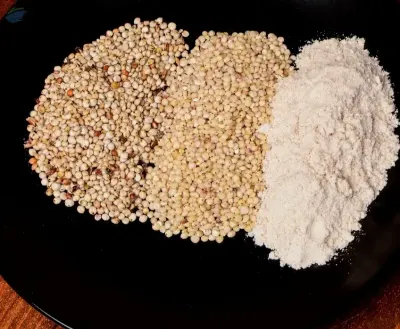
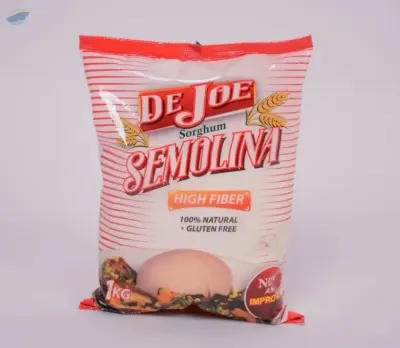
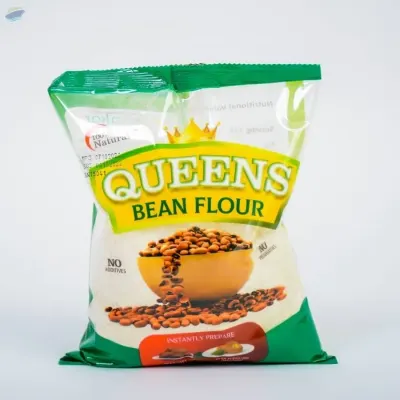
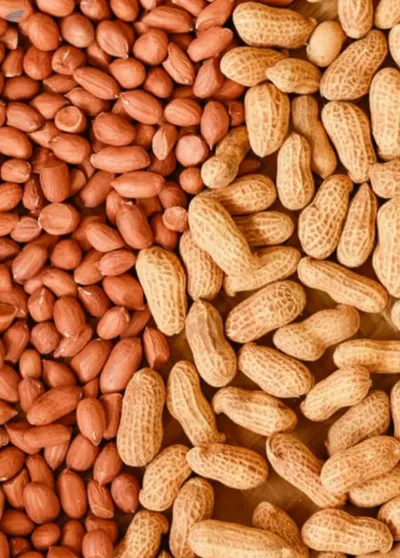
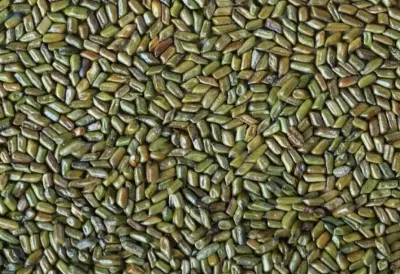
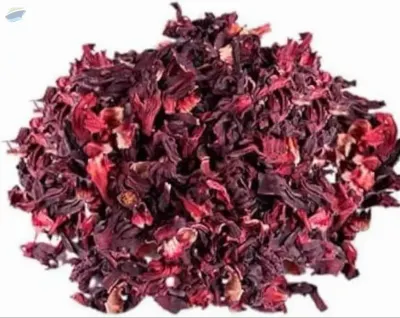
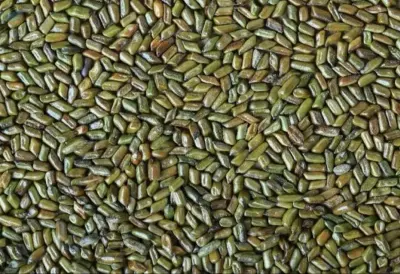
Promakar Flour Mills, located in Nigeria, specifically in Ilorin, Kwara State, has an active product count of 10. The company lists a variety of products including Soybean, Black Eyed Peas, Sorghum, Sorghum Flour, Cowpea Flour, Peanuts, Cassia Tora Seeds, Dried Hibiscus Flower, Jue Ming Zi, and Sesame seed. These products fall under the top categories of Flour, Soybean, Peas, Sorghum, Peanuts, Agriculture Seeds, Hibiscus, and Oil Seeds. Exporters of flour and grains from Nigeria typically ship their goods to regions such as West Africa, Europe, and Asia, where they are in high demand.

The products listed by Promakar Flour Mills are categorized under HS code families that are commonly used for grains and seeds. For instance, Soybean and Peanuts are usually classified under the HS code 1201 and 1202, respectively. Buyers of these products usually require specifications such as moisture content, purity, and packaging. In the case of flour, buyers may require certifications such as NAFDAC accreditation, which Promakar Flour Mills has obtained.

Product Range and Specialties of Promakar Flour Mills

The product range of Promakar Flour Mills includes various types of grains and seeds. For example, their Sorghum Flour is likely to meet the standards of the International Commission for Uniform Methods of Sugar Analysis (ICUMSA), while their Peanuts may conform to the standards of the American Peanut Council. The company also lists Cowpea Flour, which is a common ingredient in West African cuisine. The typical grades and specifications for these products include parameters such as protein content, fiber content, and grain size.

Buyers of these products should be aware of the typical quality parameters and tests that are commonly used in the industry. For instance, the quality of Sorghum Flour can be determined by its protein content, ash content, and moisture content. Similarly, the quality of Peanuts can be evaluated based on their aflatoxin content, moisture content, and impurity level.

Trade and Export Information - Promakar Flour Mills

Exporters of grains and seeds from Nigeria, like Promakar Flour Mills, typically export their goods to regions with high demand for these products. The HS code families used for these products, such as 1201 and 1202, are commonly required for customs clearance and regulatory compliance. Buyers of these products should be aware of the relevant regulatory requirements, such as phytosanitary certificates and certificates of origin, which are usually required for international trade.

The logistics and packaging of these products are also crucial. For example, grains and seeds are usually shipped in 20 or 40-foot containers, and the packaging should be designed to prevent moisture and pest damage. The Incoterms used for these shipments, such as FOB or CIF, should be clearly specified in the sales contract.

Sourcing from Promakar Flour Mills - Buyer Guidance

Buyers sourcing from Promakar Flour Mills should request specifications, samples, and test reports to verify the quality of the products. They should also confirm the packaging, shipping, and logistics arrangements to ensure that the products are delivered in good condition. Additionally, buyers should be aware of the typical certifications and documents required for these products, such as NAFDAC accreditation and phytosanitary certificates.

Buyers should also verify the MOQ and lead time for each product to plan their procurement schedule accordingly. They should also be aware of the common quality parameters and tests used in the industry to evaluate the quality of the products. By requesting the right specifications, samples, and test reports, buyers can ensure that they are sourcing quality products from Promakar Flour Mills.

Frequently Asked Questions About Promakar Flour Mills

What is the product range of Promakar Flour Mills?

Promakar Flour Mills lists a variety of products including Soybean, Black Eyed Peas, Sorghum, Sorghum Flour, Cowpea Flour, Peanuts, Cassia Tora Seeds, Dried Hibiscus Flower, Jue Ming Zi, and Sesame seed.

What are the typical quality parameters for Sorghum Flour?

The quality of Sorghum Flour can be determined by its protein content, ash content, and moisture content. Buyers should request specifications and test reports to verify these parameters.

What is the common packaging for grains and seeds?

Grains and seeds are usually shipped in 20 or 40-foot containers, and the packaging should be designed to prevent moisture and pest damage.

What certifications are required for grains and seeds exported from Nigeria?

Buyers should confirm the relevant regulatory requirements, such as phytosanitary certificates and certificates of origin, which are usually required for international trade.

What is the MOQ for each product?

Buyers should verify the MOQ for each product to plan their procurement schedule accordingly.

How can buyers evaluate the quality of Peanuts?

The quality of Peanuts can be evaluated based on their aflatoxin content, moisture content, and impurity level. Buyers should request specifications and test reports to verify these parameters.

What are the common Incoterms used for shipments of grains and seeds?

The Incoterms used for these shipments, such as FOB or CIF, should be clearly specified in the sales contract.

What documents should buyers request from Promakar Flour Mills?

Buyers should request specifications, samples, test reports, and certifications such as NAFDAC accreditation and phytosanitary certificates to verify the quality of the products.


Featured Products from this Supplier

Other Suppliers in Primary Category

Top Trusted Suppliers

Related Products

Trending in Parent Category

More Suppliers in Category

Related Products

Other Suppliers

EximNext
7.1K+ live requirements
Register Free🎁 Reach global buyers
Post Requirement
🌍 Trusted by 225K+ businesses in 200+ countries|
7.1K+ active requirements right now
✉️ [email protected]
|
Sell on EximNextPost Requirement
EximNext
AgricultureApparelConstructionElectronicFoodHomeIndustrialMineralsMiscellaneous
🔥 Deals|✨ AI Match|🏭 Suppliers|📋 Buy Leads|💰 Trade Finance
7.1K+ live RFQs·194.8K+ suppliers
🎁 Reach global buyers →
EximNext
EximNext
Register Free
🎁 Reach global buyers
Sign In
📋Post Requirement💬Get Quotes✨AI Match📋RFQ Marketplace
All Categories
Services & Tools
🏭Supplier Directory🔥Today's Deals💰Trade Finance
Sell on EximNext →
AboutContactBlogHelp
Agriculture & Food  ·  Nigeria
10
products listed

Promakar Flour Mills

⚓ Harbor
Country flag , NigeriaNew supplier / no reviews yet
🛡️
56/100
Trust Score

Promakar Flour Mills Product Catalog

Showing 10 of 10 products
View all products →
Soybean
⚓ Harbor
Soybean
Contact
MOQ: 1 Unit
Black Eyed Peas
⚓ Harbor
Black Eyed Peas
Contact
MOQ: 1 Unit
Sorghum
⚓ Harbor
Sorghum
Contact
MOQ: 1 Unit
Sorghum Flour
⚓ Harbor
Sorghum Flour
Contact
MOQ: 1 Unit
Cowpea Flour
⚓ Harbor
Cowpea Flour
Contact
MOQ: 1 Unit
Peanuts
⚓ Harbor
Peanuts
Contact
MOQ: 1 Unit
Cassia Tora Seeds
⚓ Harbor
Cassia Tora Seeds
Contact
MOQ: 1 Unit
Dried Hibiscus Flower
⚓ Harbor
Dried Hibiscus Flower
Contact
MOQ: 1 Unit
Jue Ming Zi
⚓ Harbor
Jue Ming Zi
Contact
MOQ: 1 Unit
Sesame seed
⚓ Harbor
Sesame seed
Contact
MOQ: 1 Unit

About Promakar Flour Mills - Flour Supplier in Nigeria

Promakar Flour Mills, located in Nigeria, specifically in Ilorin, Kwara State, has an active product count of 10. The company lists a variety of products including Soybean, Black Eyed Peas, Sorghum, Sorghum Flour, Cowpea Flour, Peanuts, Cassia Tora Seeds, Dried Hibiscus Flower, Jue Ming Zi, and Sesame seed. These products fall under the top categories of Flour, Soybean, Peas, Sorghum, Peanuts, Agriculture Seeds, Hibiscus, and Oil Seeds. Exporters of flour and grains from Nigeria typically ship their goods to regions such as West Africa, Europe, and Asia, where they are in high demand.

The products listed by Promakar Flour Mills are categorized under HS code families that are commonly used for grains and seeds. For instance, Soybean and Peanuts are usually classified under the HS code 1201 and 1202, respectively. Buyers of these products usually require specifications such as moisture content, purity, and packaging. In the case of flour, buyers may require certifications such as NAFDAC accreditation, which Promakar Flour Mills has obtained.

Product Range and Specialties of Promakar Flour Mills

The product range of Promakar Flour Mills includes various types of grains and seeds. For example, their Sorghum Flour is likely to meet the standards of the International Commission for Uniform Methods of Sugar Analysis (ICUMSA), while their Peanuts may conform to the standards of the American Peanut Council. The company also lists Cowpea Flour, which is a common ingredient in West African cuisine. The typical grades and specifications for these products include parameters such as protein content, fiber content, and grain size.

Buyers of these products should be aware of the typical quality parameters and tests that are commonly used in the industry. For instance, the quality of Sorghum Flour can be determined by its protein content, ash content, and moisture content. Similarly, the quality of Peanuts can be evaluated based on their aflatoxin content, moisture content, and impurity level.

Trade and Export Information - Promakar Flour Mills

Exporters of grains and seeds from Nigeria, like Promakar Flour Mills, typically export their goods to regions with high demand for these products. The HS code families used for these products, such as 1201 and 1202, are commonly required for customs clearance and regulatory compliance. Buyers of these products should be aware of the relevant regulatory requirements, such as phytosanitary certificates and certificates of origin, which are usually required for international trade.

The logistics and packaging of these products are also crucial. For example, grains and seeds are usually shipped in 20 or 40-foot containers, and the packaging should be designed to prevent moisture and pest damage. The Incoterms used for these shipments, such as FOB or CIF, should be clearly specified in the sales contract.

Sourcing from Promakar Flour Mills - Buyer Guidance

Buyers sourcing from Promakar Flour Mills should request specifications, samples, and test reports to verify the quality of the products. They should also confirm the packaging, shipping, and logistics arrangements to ensure that the products are delivered in good condition. Additionally, buyers should be aware of the typical certifications and documents required for these products, such as NAFDAC accreditation and phytosanitary certificates.

Buyers should also verify the MOQ and lead time for each product to plan their procurement schedule accordingly. They should also be aware of the common quality parameters and tests used in the industry to evaluate the quality of the products. By requesting the right specifications, samples, and test reports, buyers can ensure that they are sourcing quality products from Promakar Flour Mills.

Frequently Asked Questions About Promakar Flour Mills

What is the product range of Promakar Flour Mills?

Promakar Flour Mills lists a variety of products including Soybean, Black Eyed Peas, Sorghum, Sorghum Flour, Cowpea Flour, Peanuts, Cassia Tora Seeds, Dried Hibiscus Flower, Jue Ming Zi, and Sesame seed.

What are the typical quality parameters for Sorghum Flour?

The quality of Sorghum Flour can be determined by its protein content, ash content, and moisture content. Buyers should request specifications and test reports to verify these parameters.

What is the common packaging for grains and seeds?

Grains and seeds are usually shipped in 20 or 40-foot containers, and the packaging should be designed to prevent moisture and pest damage.

What certifications are required for grains and seeds exported from Nigeria?

Buyers should confirm the relevant regulatory requirements, such as phytosanitary certificates and certificates of origin, which are usually required for international trade.

What is the MOQ for each product?

Buyers should verify the MOQ for each product to plan their procurement schedule accordingly.

How can buyers evaluate the quality of Peanuts?

The quality of Peanuts can be evaluated based on their aflatoxin content, moisture content, and impurity level. Buyers should request specifications and test reports to verify these parameters.

What are the common Incoterms used for shipments of grains and seeds?

The Incoterms used for these shipments, such as FOB or CIF, should be clearly specified in the sales contract.

What documents should buyers request from Promakar Flour Mills?

Buyers should request specifications, samples, test reports, and certifications such as NAFDAC accreditation and phytosanitary certificates to verify the quality of the products.

About Promakar Flour Mills - Flour Supplier in Nigeria

Promakar Flour Mills, located in Nigeria, specifically in Ilorin, Kwara State, has an active product count of 10. The company lists a variety of products including Soybean, Black Eyed Peas, Sorghum, Sorghum Flour, Cowpea Flour, Peanuts, Cassia Tora Seeds, Dried Hibiscus Flower, Jue Ming Zi, and Sesame seed. These products fall under the top categories of Flour, Soybean, Peas, Sorghum, Peanuts, Agriculture Seeds, Hibiscus, and Oil Seeds. Exporters of flour and grains from Nigeria typically ship their goods to regions such as West Africa, Europe, and Asia, where they are in high demand.

The products listed by Promakar Flour Mills are categorized under HS code families that are commonly used for grains and seeds. For instance, Soybean and Peanuts are usually classified under the HS code 1201 and 1202, respectively. Buyers of these products usually require specifications such as moisture content, purity, and packaging. In the case of flour, buyers may require certifications such as NAFDAC accreditation, which Promakar Flour Mills has obtained.

Product Range and Specialties of Promakar Flour Mills

The product range of Promakar Flour Mills includes various types of grains and seeds. For example, their Sorghum Flour is likely to meet the standards of the International Commission for Uniform Methods of Sugar Analysis (ICUMSA), while their Peanuts may conform to the standards of the American Peanut Council. The company also lists Cowpea Flour, which is a common ingredient in West African cuisine. The typical grades and specifications for these products include parameters such as protein content, fiber content, and grain size.

Buyers of these products should be aware of the typical quality parameters and tests that are commonly used in the industry. For instance, the quality of Sorghum Flour can be determined by its protein content, ash content, and moisture content. Similarly, the quality of Peanuts can be evaluated based on their aflatoxin content, moisture content, and impurity level.

Trade and Export Information - Promakar Flour Mills

Exporters of grains and seeds from Nigeria, like Promakar Flour Mills, typically export their goods to regions with high demand for these products. The HS code families used for these products, such as 1201 and 1202, are commonly required for customs clearance and regulatory compliance. Buyers of these products should be aware of the relevant regulatory requirements, such as phytosanitary certificates and certificates of origin, which are usually required for international trade.

The logistics and packaging of these products are also crucial. For example, grains and seeds are usually shipped in 20 or 40-foot containers, and the packaging should be designed to prevent moisture and pest damage. The Incoterms used for these shipments, such as FOB or CIF, should be clearly specified in the sales contract.

Sourcing from Promakar Flour Mills - Buyer Guidance

Buyers sourcing from Promakar Flour Mills should request specifications, samples, and test reports to verify the quality of the products. They should also confirm the packaging, shipping, and logistics arrangements to ensure that the products are delivered in good condition. Additionally, buyers should be aware of the typical certifications and documents required for these products, such as NAFDAC accreditation and phytosanitary certificates.

Buyers should also verify the MOQ and lead time for each product to plan their procurement schedule accordingly. They should also be aware of the common quality parameters and tests used in the industry to evaluate the quality of the products. By requesting the right specifications, samples, and test reports, buyers can ensure that they are sourcing quality products from Promakar Flour Mills.

Frequently Asked Questions About Promakar Flour Mills
What is the product range of Promakar Flour Mills?
Promakar Flour Mills lists a variety of products including Soybean, Black Eyed Peas, Sorghum, Sorghum Flour, Cowpea Flour, Peanuts, Cassia Tora Seeds, Dried Hibiscus Flower, Jue Ming Zi, and Sesame seed.
What are the typical quality parameters for Sorghum Flour?
The quality of Sorghum Flour can be determined by its protein content, ash content, and moisture content. Buyers should request specifications and test reports to verify these parameters.
What is the common packaging for grains and seeds?
Grains and seeds are usually shipped in 20 or 40-foot containers, and the packaging should be designed to prevent moisture and pest damage.
What certifications are required for grains and seeds exported from Nigeria?
Buyers should confirm the relevant regulatory requirements, such as phytosanitary certificates and certificates of origin, which are usually required for international trade.
What is the MOQ for each product?
Buyers should verify the MOQ for each product to plan their procurement schedule accordingly.
How can buyers evaluate the quality of Peanuts?
The quality of Peanuts can be evaluated based on their aflatoxin content, moisture content, and impurity level. Buyers should request specifications and test reports to verify these parameters.
What are the common Incoterms used for shipments of grains and seeds?
The Incoterms used for these shipments, such as FOB or CIF, should be clearly specified in the sales contract.
What documents should buyers request from Promakar Flour Mills?
Buyers should request specifications, samples, test reports, and certifications such as NAFDAC accreditation and phytosanitary certificates to verify the quality of the products.

Promakar Flour Mills
Country flag Nigeria
⚓ HarborAgriculture & Food
56/100
Trust Score
10
Products
✓ Free to contact — no commission
✓ Escrow payment available
✓ Verified business identity
Compare more suppliers
Post a requirement — get 10 quotes free
Let verified suppliers compete for your business. Free, fast, no commitment.
Due Diligence
Verify this supplier's real shipping history.
Every shipment, every buyer, every port. Trade data that can't be faked.
Run due diligence →
Discover More

Related Suppliers & Products

Explore similar suppliers, related products and trending categories

Featured Products from this Supplier

Other Suppliers in Primary Category

Top Trusted Suppliers

Related Products

Trending in Parent Category

More Suppliers in Category

Stay ahead in global trade
Weekly market insights & new supplier alerts.
EximNext
Exim Next is a leading global B2B marketplace, connecting over 220,000 registered suppliers and buyers across 200+ countries. As a trusted import export marketplace, it serves as the essential B2B portal for businesses worldwide, empowering them to expand their international reach. With Exim Next, businesses can trade smarter and grow faster.
SECURE PAYMENTS
VISAMastercardPayPalSWIFTL/CEscrow
Follow us
© 2026 EximNext