Pooja Sales Agency — Verified Supplier
About Pooja Sales Agency - Dehydrated Spices Supplier in India
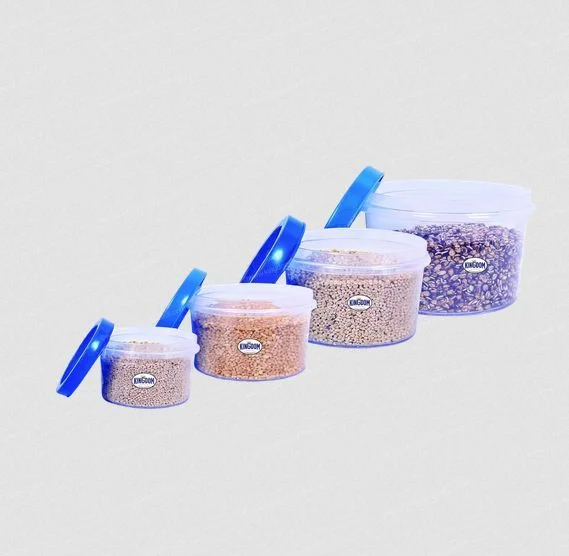
India is the origin country of Pooja Sales Agency, which lists 12 active food product entries in its catalogue. The supplier’s portfolio includes categories such as Dehydrated Spices, Indian Sweets & Namkeens, Biscuits, Pickles & Sauces, Candies, Pulses, Dry Fruits & Nuts, and Rice. Specific product types enumerated are Spices, Namkeen, Bakery Biscuits, Pickles, Candies, Mixed Containers, Pulses, Dry Fruits, Rice, Flour, Rusk and Soya. The catalogue groups these items under broad HS code families used for food commodities, for example HS chapter 09 for spices and HS chapter 19 for biscuits. The supplier is classified as an imported tier with a harbor trust tier.
Product Range and Specialties of Pooja Sales Agency
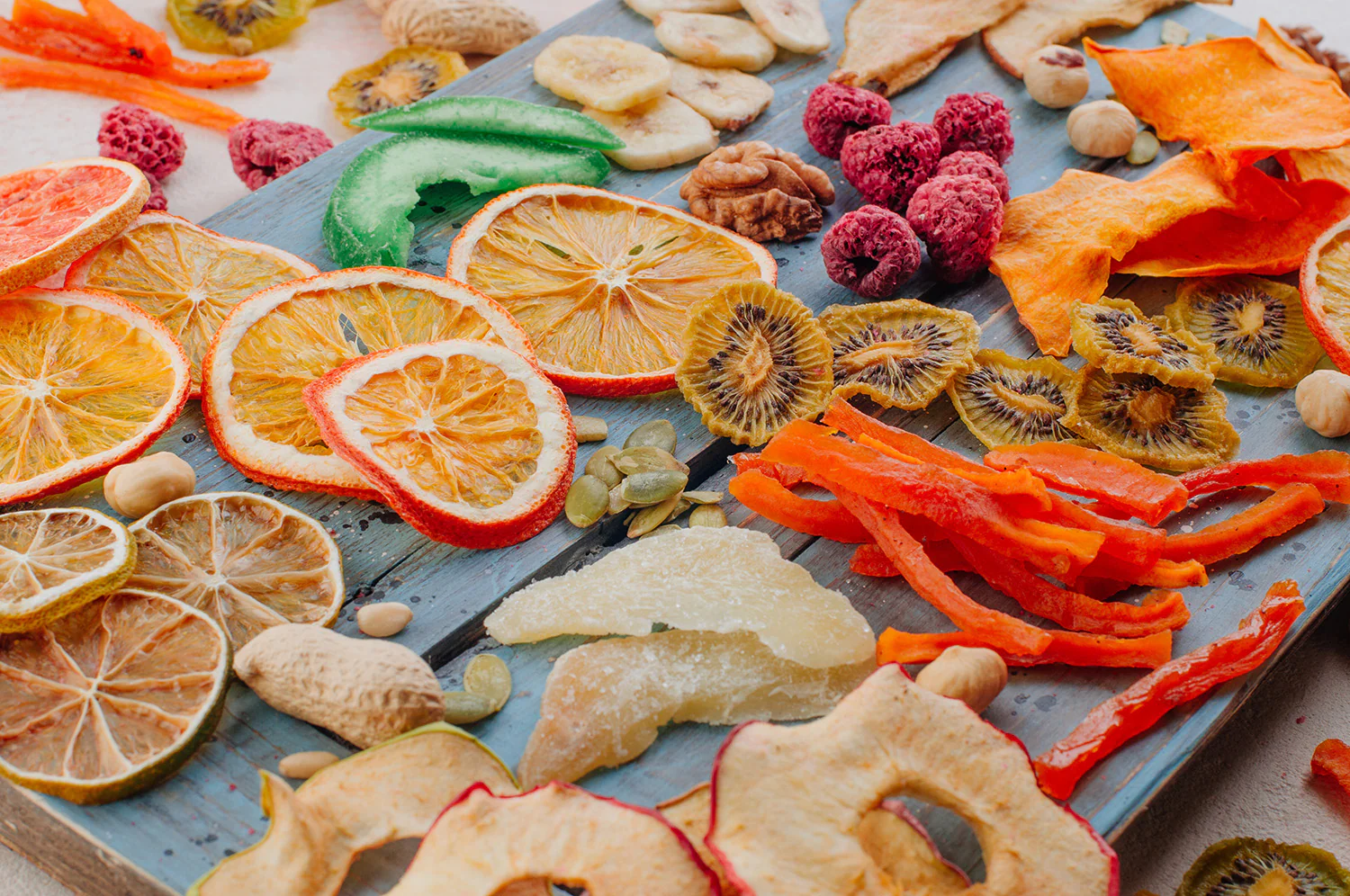
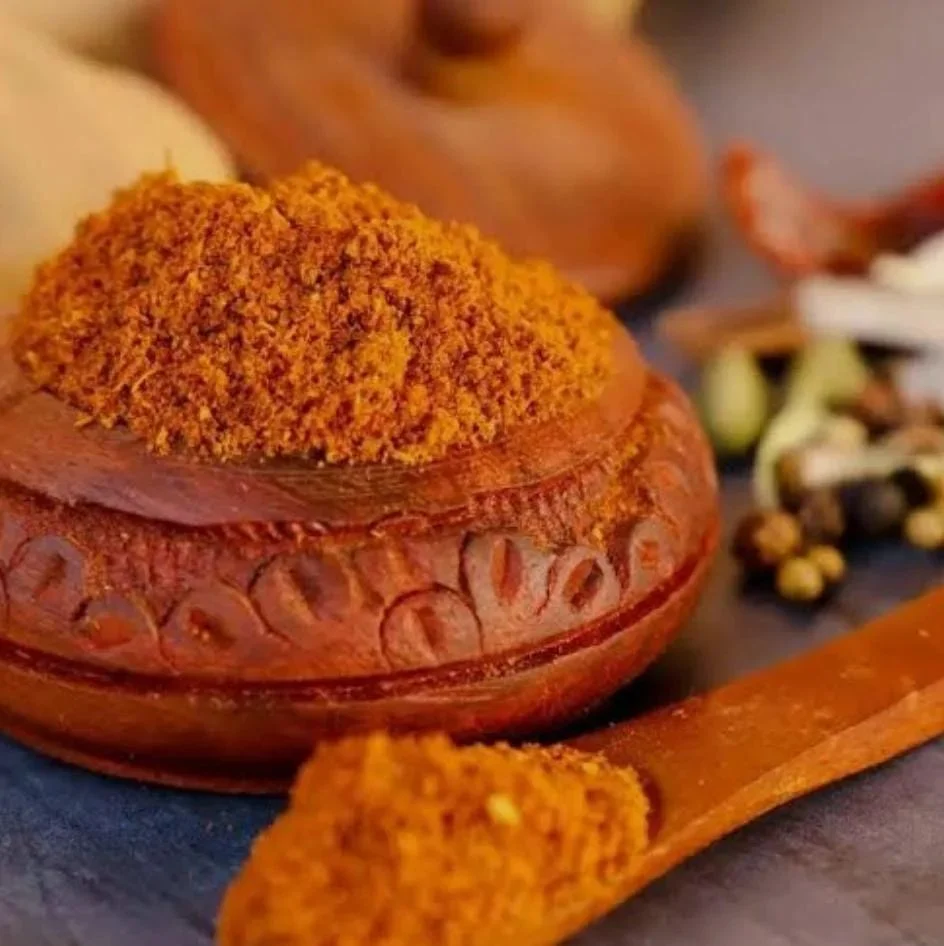
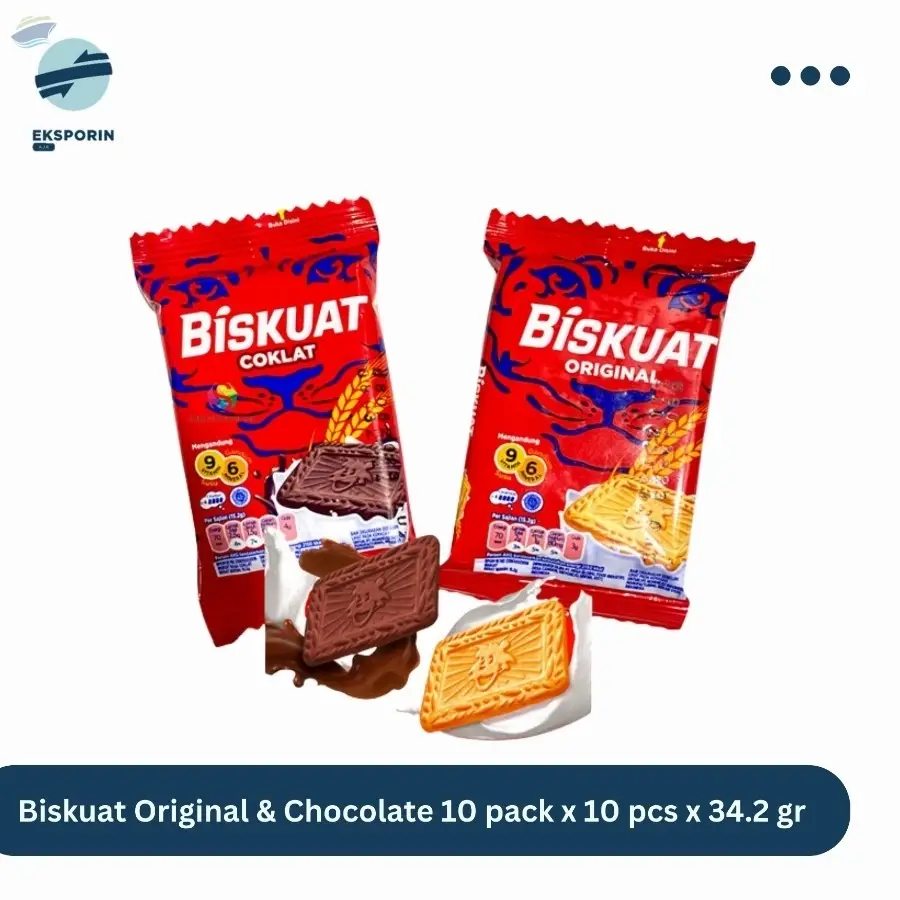
The catalogue includes Spices, which in trade are commonly sold in powdered or whole seed form and graded by purity, moisture content (usually below 12%) and volatile oil percentage. Indian sweets and namkeens such as traditional mithai or savory fried snacks are typically classified under HS 1704 and HS 1905, with quality checks on sugar content, texture and oil absorption. Bakery biscuits are produced in standard sizes ranging from 30 g to 200 g and are often tested for crumb structure and shelf‑life. Pickles and sauces fall under HS 2008 and are evaluated for acidity (pH 3.0‑4.5) and preservative levels. Candies are usually graded by sugar concentration and moisture, while pulses are assessed for size (e.g., 2‑5 mm), moisture (<12 %) and protein content (typically 20‑25 %). Dry fruits and nuts are inspected for aflatoxin limits and moisture below 5 %, and rice varieties are differentiated by grain length (long, medium, short) and moisture around 14 %.
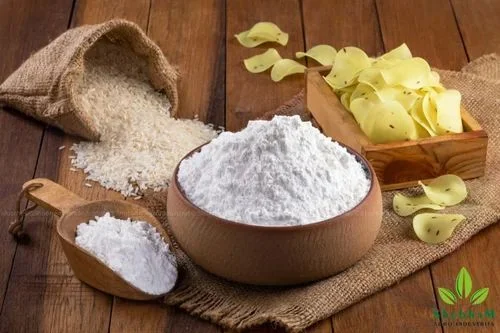
Flour products such as wheat flour are listed under HS 1101 and are commonly specified by ash content (0.5‑0.7 %) and gluten strength (W value 100‑150). Rusk, a twice‑baked bread product, is categorized with biscuits and examined for moisture (≤6 %) and texture uniformity. Soya items, which may include soy flakes or soy protein, fall under HS 1207 and are evaluated for protein percentage (40‑50 %) and oil content. These industry specifications provide a baseline for buyers to compare the supplier’s offerings against standard market grades.
Trade and Export Information - Pooja Sales Agency
Indian food commodities are exported globally, with major destinations in the Middle East, Europe, North America and Africa. Spices and pulses are frequently shipped in 20‑ft containers, often in jute or polypropylene bags of 25 kg, while processed items such as biscuits, pickles and candies are packed in cartons on pallets. HS chapter 09 (spices) and chapter 07 (pulses) typically require phytosanitary certificates and, for some spice blends, a certificate of origin to satisfy import regulator requirements. The Indian export framework also mandates compliance with the Food Safety and Standards Authority of India (FSSAI) standards, and many buyers request ISO 22000 or HACCP documentation for processed foods.
Buyers in the EU commonly reference the EU Food Information Regulation and may ask for a EU organic certificate if organic claims are made. In the United States, the FDA Food Facility Registration and prior notice are standard, and a USDA import permit may be needed for certain nuts. The supplier’s “harbor” trust tier suggests a moderate level of verification by the platform, so purchasers should request the specific certificates mentioned above. Typical incoterms used are FOB Indian ports such as Mumbai or Kandla, with subsequent freight to destination ports.
Sourcing from Pooja Sales Agency - Buyer Guidance
When sourcing from Pooja Sales Agency, buyers should request a detailed product specification sheet that lists moisture, purity, grain size or particle size, and any relevant test reports such as pesticide residue analysis for spices or aflatoxin results for nuts. For processed items like biscuits, pickles and candies, a HACCP plan, shelf‑life study and ingredient list compliant with the destination country’s labeling rules are essential.
Samples are usually supplied in 1 kg or 5 kg quantities for bulk commodities and in 500 g packs for confectionery, allowing verification of taste, texture and compliance with specifications. Verify that the supplier can provide the required certificates - for example FSSAI registration, ISO 22000, organic or fair‑trade certificates if claimed - before confirming the order. Confirm packaging details such as inner bag material, outer carton dimensions and whether the goods will be loaded in a 20‑ft or 40‑ft container under FOB terms.
Frequently Asked Questions About Pooja Sales Agency
What product categories does Pooja Sales Agency list in its catalogue?
The supplier lists twelve product entries: Spices, Namkeen, Bakery Biscuits, Pickles, Candies, Mixed Containers, Pulses, Dry Fruits, Rice, Flour, Rusk and Soya. These correspond to the broader categories of Dehydrated Spices, Indian Sweets & Namkeens, Biscuits, Pickles & Sauces, Candies, Pulses, Dry Fruits & Nuts and Rice.
Which HS code families are relevant for the supplier’s spice and pulse products?
Spices are generally classified under HS chapter 09 (e.g., HS 0904 for ground spices) and pulses under HS chapter 07 (e.g., HS 0713 for dried legumes). Importers typically reference these headings for duty assessment and regulatory compliance.
What quality parameters should I check for Indian dry fruits and nuts?
Key parameters include moisture content below 5 %, aflatoxin levels within the limits set by the destination country, and size grading by kernel dimension. A certificate of analysis confirming these values is standard practice.
What documentation is typically required for importing the supplier’s processed foods such as biscuits and pickles?
Buyers usually request the supplier’s FSSAI registration, a HACCP or ISO 22000 certificate, and a product specification sheet detailing ingredients, shelf‑life and packaging. A phytosanitary certificate may also be needed depending on the importing country’s regulations.
What sample sizes are commonly offered for bulk commodities versus confectionery?
Bulk commodities such as spices, pulses, rice and dry fruits are often sampled in 1 kg or 5 kg sealed bags. Confectionery items like candies and biscuits are typically provided in 500 g to 1 kg packs to allow sensory evaluation.
Which incoterms are usually applied to shipments from India for these food items?
FOB (Free on Board) from major Indian ports such as Mumbai, Kandla or Chennai is the most common term used by exporters of food commodities. Buyers then arrange ocean freight and insurance to the destination port.
What certifications are commonly expected from Indian food exporters in the spice and processed food segments?
Typical certifications include FSSAI registration, ISO 22000 or HACCP for processed foods, and organic certifications (e.g., NOP or EU organic) when organic claims are made. Exporters may also provide a Certificate of Origin and a Phytosanitary Certificate for fresh or minimally processed products.




 , India