Phaltan Taluka Krushivikas Shetkari producer company — Verified Supplier
About Phaltan Taluka Krushivikas Shetkari producer company - Fresh Produce Supplier in India
Located in Satara, Maharashtra, India, Phaltan Taluka Krushivikas Shetkari producer company lists seven active products in its catalogue. The active product count of 7 includes items across fresh fruit, fresh vegetables, dehydrated vegetables and grain commodities, each identified with a specific HS‑code family such as 0712 for onions, 0803 for bananas, 0804 for custard apple, 0810 for pomegranate, 1005 for maize, and 1201 for soybean. The supplier’s tier is marked as organic, indicating that at least part of its offering adheres to organic production standards as defined by Indian regulations.
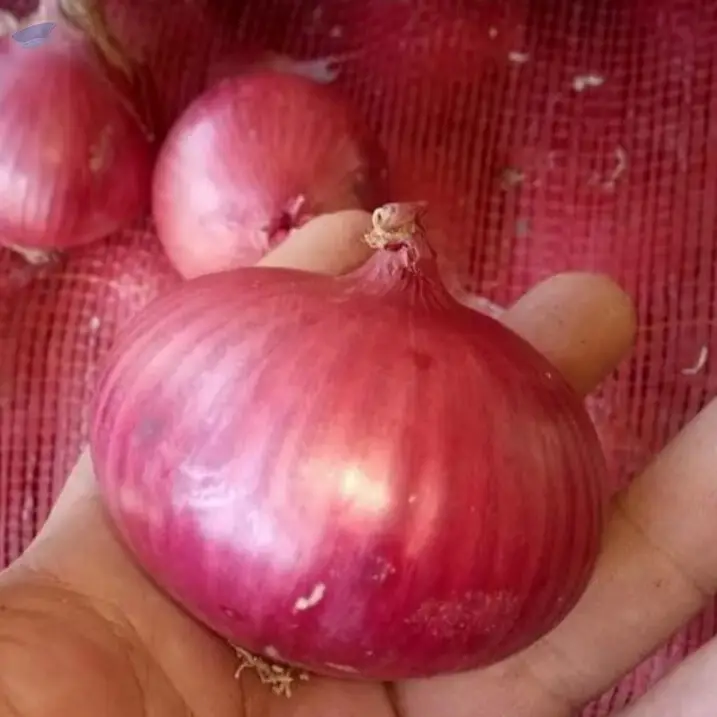
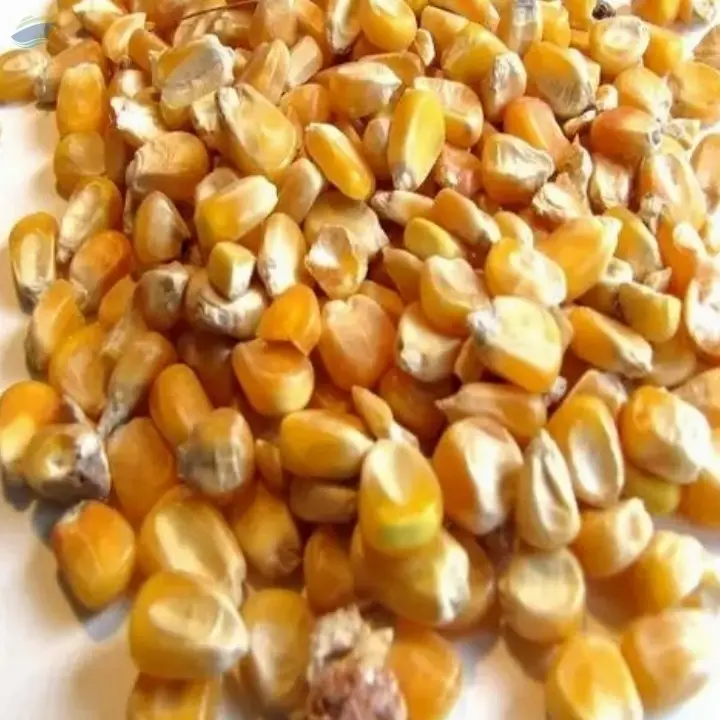
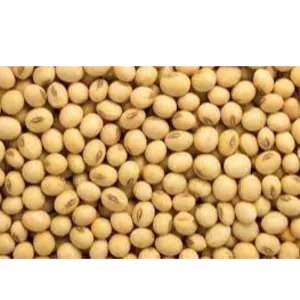
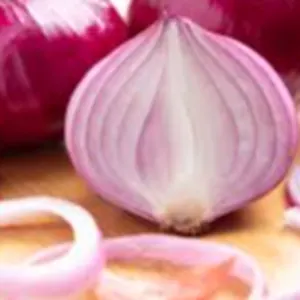
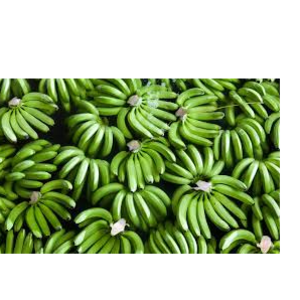
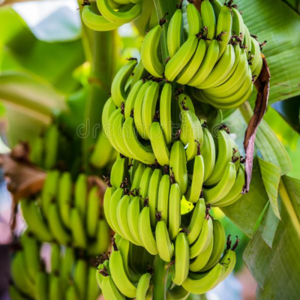
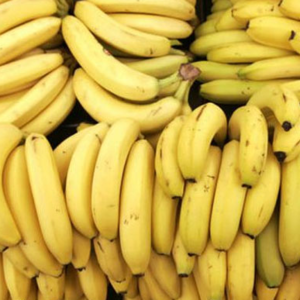
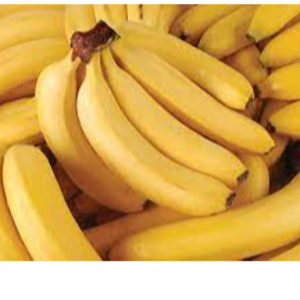
The catalogue enumerates dehydrated onion (HS 0712.30), yellow dent corn (HS 1005.90), non‑GMO yellow soybean (HS 1201.90), fresh whole pomegranate (HS 0810.90), fresh custard apple (HS 0804.50), fresh Cavendish banana (HS 0803.90) and dehydrated banana powder (HS 0803.10). Each entry specifies the botanical material, for example Allium cepa for onion or Musa acuminata for fresh banana, and the form of the product, ranging from fresh whole fruit to food‑grade powder. The HS codes place these items in the standard customs tariff chapters for vegetables, cereals, oilseeds and fresh fruit, which are widely used in international trade filings.
Product Range and Specialties of Phaltan Taluka Krushivikas Shetkari producer company
The product set covers fresh fruit (pomegranate, custard apple, Cavendish banana), fresh vegetables (onion), dehydrated vegetable (onion powder), cereal grain (yellow dent maize) and oilseed (non‑GMO soybean). In the global market, fresh bananas are typically graded A or B based on size (15‑20 cm) and Brix (18‑22 %). Pomegranates are commonly classified by seed percentage and skin integrity, with HS 0810 covering whole fruit of ≥250 g. Dehydrated onion powders are usually specified to a moisture content of ≤8 % and particle size below 500 µm. Maize exported under HS 1005 is often graded 0/1 with moisture ≤14 % and protein 9‑10 %. Non‑GMO soybean under HS 1201 is frequently required to meet protein content of 36‑38 % and oil content of 18‑20 % and is accompanied by a GMO‑free declaration.
Industry standards for these categories include ISO 22000 food safety management, HACCP plans for fresh produce, and phytosanitary certification for all plant material. Buyers commonly request lab reports confirming pesticide residues below Codex limits, moisture analysis for powders, and germination tests for seed‑grade soybeans. Packaging conventions are mesh bags (25‑50 kg) for dehydrated onion, bulk 20‑ft containers for maize and soybean, refrigerated 40‑ft containers (2‑3 °C) for fresh fruit, and food‑grade polypropylene sacks (25 kg) for banana powder.
Trade and Export Information - Phaltan Taluka Krushivikas Shetkari producer company
India ranks among the top exporters of fresh fruit, cereals and oilseeds, with major destinations in the Middle East, the European Union, the United States and Southeast Asia. HS 0712 (onions) and HS 0803 (bananas) are frequently shipped in refrigerated containers under CIF or FOB terms, while HS 1005 (maize) and HS 1201 (soybean) move in dry bulk in 20‑ft or 40‑ft containers. Exporters of dehydrated vegetable powders from India usually comply with FSSAI regulations and may obtain organic certification under NOP or India’s National Programme for Organic Production (NPOP) when applicable. Importing countries often require a phytosanitary certificate, a certificate of origin, and, for organic claims, a third‑party organic certificate. Typical inspection regimes involve pre‑export lab testing for moisture, aflatoxin (for maize and soybean) and pesticide residues, followed by customs inspection at the port of entry.
The logistical profile reflects the product forms: fresh fruit demands temperature‑controlled handling (2‑8 °C for bananas, 5‑10 °C for pomegranate), while dehydrated powders and grains are packed in moisture‑proof, food‑grade containers to prevent contamination. Indian exporters commonly use FOB Mumbai or Kolkata for bulk grains, and FOB Delhi or Chennai for fresh produce, allowing buyers to arrange their preferred freight forwarder. Standard Incoterms cited in Indian export contracts include FOB, CIF and DAP, with payment terms often linked to documentary credit.
Sourcing from Phaltan Taluka Krushivikas Shetkari producer company - Buyer Guidance
When sourcing from Phaltan Taluka Krushivikas Shetkari producer company, buyers should request a current phytosanitary certificate for each fresh or dehydrated plant product, and an organic certificate if the organic tier is relevant to the order. Lab analysis reports should include moisture content (e.g., ≤8 % for onion powder, ≤14 % for maize), pesticide residue levels compliant with Codex MRLs, and aflatoxin limits (<20 µg/kg for maize and soybean). For non‑GMO soybean, a GMO‑free declaration and a protein content test (36‑38 %) are standard verification items.
Sampling is advisable before full shipment; a 5 kg sample of dehydrated onion or banana powder can be used for moisture and microbial testing, while a 10 kg fresh fruit sample enables Brix and firmness assessment. Verify that the HS code on the commercial invoice matches the product description to avoid customs delays. Typical minimum order quantities are 10 metric tons for maize or soybean, 5 metric tons for dehydrated powders, and a 20‑ft refrigerated container (≈30 tons) for fresh fruit. Confirm packaging specifications - mesh bag weight for onion, polypropylene sack dimensions for powders, and refrigerated container temperature set‑points for fruit - before finalizing the purchase agreement.
Frequently Asked Questions About Phaltan Taluka Krushivikas Shetkari producer company
What HS codes are used for the products listed by Phaltan Taluka Krushivikas Shetkari producer company?
The catalogue assigns HS 0712.30 to dehydrated onion, HS 1005.90 to yellow dent corn, HS 1201.90 to non‑GMO soybean, HS 0810.90 to fresh pomegranate, HS 0804.50 to fresh custard apple, HS 0803.90 to fresh Cavendish banana, and HS 0803.10 to dehydrated banana powder.
Which certifications should a buyer request for these Indian exports?
Buyers should ask for a phytosanitary certificate for all plant‑based items, an organic certificate if the product is marketed as organic, and any relevant food‑safety certifications such as ISO 22000 or HACCP documentation that the exporter can provide.
What are the typical moisture limits for the dehydrated products?
Industry standards usually require moisture ≤8 % for dehydrated onion powder and ≤6 % for dehydrated banana powder, ensuring shelf stability and preventing microbial growth.
How is fresh banana usually packed for export?
Fresh Cavendish bananas are typically packed in refrigerated 40‑ft containers at 2‑8 °C, with the fruit stacked in ventilated cardboard boxes that protect against bruising and maintain airflow.
What quality tests are common for the maize and soybean shipments?
Maize shipments are commonly tested for moisture (≤14 %), protein (≈9‑10 %), and aflatoxin (<20 µg/kg). Soybean shipments are tested for moisture (≤13 %), protein (36‑38 %), oil content (18‑20 %), and a GMO‑free status.
What packaging is used for the dehydrated onion product?
Dehydrated onion is usually packed in food‑grade polypropylene sacks of 25 kg, sealed to a moisture barrier, and then placed inside a bulk container for sea freight.
Which markets typically import Indian fresh fruit and vegetables?
Key import markets include the United Arab Emirates, Saudi Arabia, the United Kingdom, Germany, the United States, and Japan, which often require phytosanitary clearance and compliance with local residue limits.
What are the usual Incoterms applied to these Indian exports?
Export contracts from India most commonly use FOB (Free on Board) at major ports such as Mumbai or Chennai, or CIF (Cost, Insurance, Freight) when the seller arranges shipping to the buyer’s destination port.




 Satara, India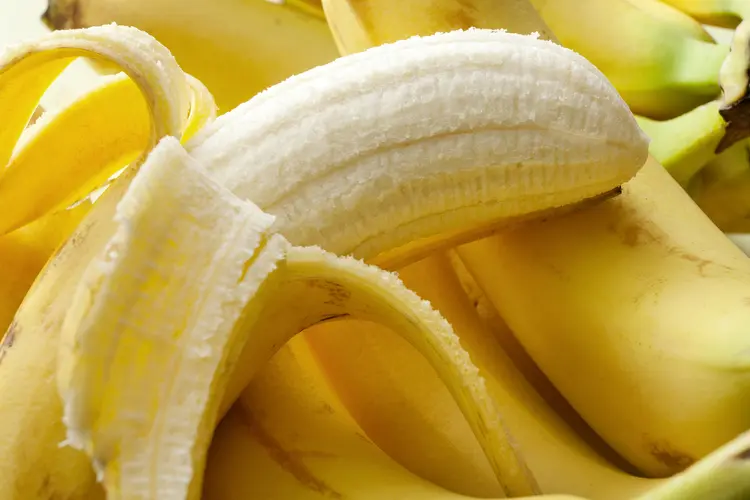



.jpg.png)