Pahini Tex — Supplier

About Pahini Tex - Textile Fabric & Raw Material Supplier in India

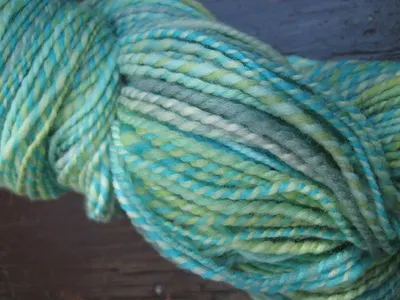
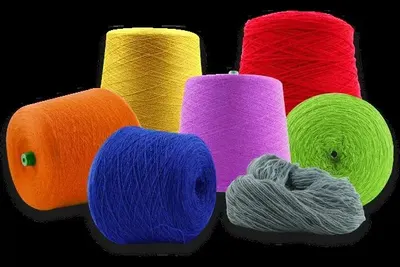
Pahini Tex is based in India and lists seven active products across yarn and fabric categories. The catalogue includes Viscose Spun Yarn, Polyester Spun Yarn, Polyester Fabric, Viscose Fabric, Net Fabric, Poly‑Cotton Fabric and Polyester Fabric Digital Print. Each product falls under the broader HS‑2 digit families for textiles, such as Chapter 54 for man‑made fibres (e.g., HS 5402 for yarn) and Chapter 62 for apparel fabrics (e.g., HS 6204). The supplier’s top categories cover spun yarns, polyester, viscose, cotton and digitally printed textiles, reflecting a diversified textile offering.

The product list shows a mix of raw yarns and finished fabrics, indicating that Pahini Tex can serve both upstream manufacturers and downstream apparel makers. With a focus on polyester and viscose fibres, the catalogue aligns with common Indian export strengths in synthetic and regenerated cellulosic textiles. No additional product specifications are supplied, but the presence of digital‑print polyester fabric points to capabilities in modern finishing processes.

Product Range and Specialties of Pahini Tex

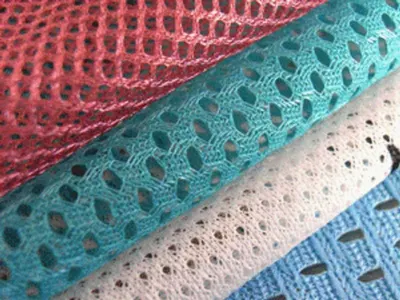
Pahini Tex’s catalogue contains two spun yarns - Viscose Spun Yarn and Polyester Spun Yarn - which are typically supplied in denier ranges from 40 to 150 denier for garment applications. In the fabric segment the company offers plain polyester fabric, viscose fabric, net fabric, a poly‑cotton blend and a polyester fabric with digital print. Industry standards for these items include polyester fabric weights between 120  -  250 g/m², viscose fabrics usually in the 140  -  200 g/m² range, and net fabrics measured by mesh count (e.g., 10 × 10 mm). Poly‑cotton blends are commonly graded by cotton content (e.g., 60%/40%) and finished with a smooth hand suitable for casual wear. Digital‑print polyester fabric is often evaluated by colour fastness (A‑rating) and print resolution (minimum 150 dpi).

Trade and Export Information - Pahini Tex

India ranks among the top global exporters of man‑made fibres and printed textiles, with major destinations in the European Union, United States, Middle East and Southeast Asia. Yarn shipments under HS 5402 are frequently inspected for fibre content compliance and moisture level (<0.5 %). Fabric exports under HS 6204 are subject to labelling of fibre composition and may require Oeko‑Tex Standard 100 or ISO 9001 certification for buyer confidence. Typical Incoterms used by Indian textile exporters include FOB Mumbai or CIF Dubai, and container loads often fill a 20‑ft container with 18‑20 metric tons of fabric. Buyers usually request a pre‑shipment sample and a test report confirming dimensional stability, colour fastness and shrinkage before final acceptance.

Sourcing from Pahini Tex - Buyer Guidance

When sourcing yarn or fabric from Pahini Tex, buyers should request a mill test certificate that details fibre composition, denier (for yarn) or GSM (for fabric), and any relevant colour‑fastness results. For digitally printed polyester fabric, a print‑sample and a colour‑fastness to washing (A‑rating) report are standard verification documents. It is prudent to confirm whether the supplier can provide Oeko‑Tex or ISO‑9001 compliance certificates, as these are commonly required by European and North American importers. Clarify packaging details - typically yarn is packed in polypropylene bags (25 kg) and fabrics in sealed, moisture‑proof poly‑bags - and verify container loading plans to avoid freight discrepancies.

Frequently Asked Questions About Pahini Tex

What types of yarn does Pahini Tex list in its catalogue?

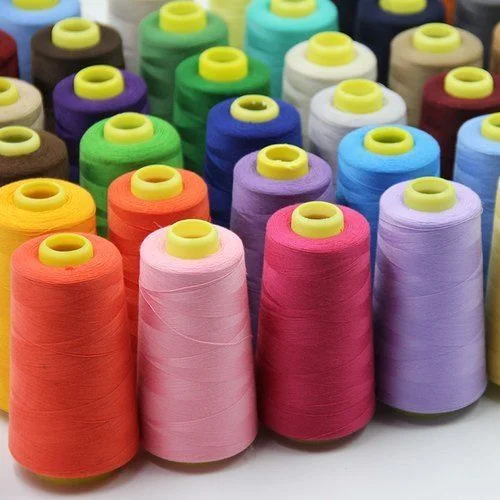
The catalogue includes Viscose Spun Yarn and Polyester Spun Yarn, both classified under the HS‑2 digit code 54 for man‑made fibres.

Which fabrics are offered by Pahini Tex?

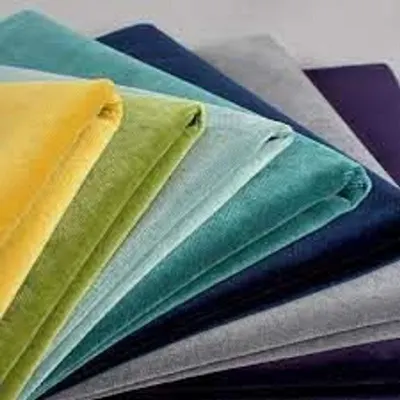
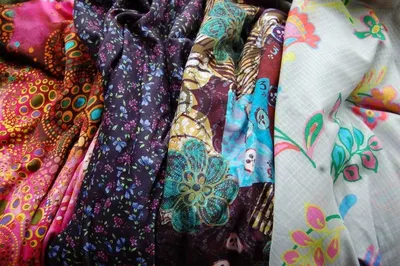
Pahini Tex offers Polyester Fabric, Viscose Fabric, Net Fabric, Poly‑Cotton Fabric and a Polyester Fabric with digital print, covering a range of GSM values and finishes.

Are there standard specifications buyers should check for these fabrics?

Typical specifications include fabric weight (GSM), fibre composition, colour‑fastness ratings for printed items, and mesh count for net fabric. Buyers usually request test reports covering these parameters.

What certifications are commonly required for Indian textile exports?

Importers often ask for Oeko‑Tex Standard 100, ISO 9001 quality management certificates, and a mill test certificate that details fibre content and physical properties.

How is the product usually packaged for shipment?

Yarn is generally packed in 25 kg polypropylene bags, while fabrics are folded, placed in sealed poly‑bags and palletised for container loading.

What Incoterms are typical for shipments from India?

Exporters from India frequently use FOB from ports such as Mumbai or Chennai, and CIF to regional hubs like Dubai, depending on buyer preference.

What documentation should a buyer request before placing an order?

Buyers should ask for a mill test certificate, any applicable Oeko‑Tex or ISO certificates, and a sample test report for colour fastness or shrinkage, especially for printed fabrics.

What are the usual lead times for these textile products?

Lead times vary by product but generally range from 30 to 45 days for yarn and 45 to 60 days for finished fabrics, allowing time for sample approval and quality testing.

Featured Products from this Supplier

Other Suppliers in Primary Category

Top Trusted Suppliers

Related Products

Trending in Parent Category

More Suppliers in Category

Related Products

Other Suppliers

EximNext
7.1K+ live requirements
Register Free🎁 Reach global buyers
Post Requirement
🌍 Trusted by 225K+ businesses in 200+ countries|
7.1K+ active requirements right now
✉️ [email protected]
|
Sell on EximNextPost Requirement
EximNext
AgricultureApparelConstructionElectronicFoodHomeIndustrialMineralsMiscellaneous
🔥 Deals|✨ AI Match|🏭 Suppliers|📋 Buy Leads|💰 Trade Finance
7.1K+ live RFQs·194.8K+ suppliers
🎁 Reach global buyers →
EximNext
EximNext
Register Free
🎁 Reach global buyers
Sign In
📋Post Requirement💬Get Quotes✨AI Match📋RFQ Marketplace
All Categories
Services & Tools
🏭Supplier Directory🔥Today's Deals💰Trade Finance
Sell on EximNext →
AboutContactBlogHelp
Apparel & Home  ·  India
7
products listed

Pahini Tex

⚓ Harbor
Country flag , IndiaNew supplier / no reviews yet
🛡️
54/100
Trust Score

Pahini Tex Product Catalog

Showing 7 of 7 products
View all products →
Viscose Spun Yarn
⚓ Harbor
Viscose Spun Yarn
Contact
MOQ: 1 Unit
Polyester Spun Yarn
⚓ Harbor
Polyester Spun Yarn
Contact
MOQ: 1 Unit
Polyester Fabric
⚓ Harbor
Polyester Fabric
Contact
MOQ: 1 Unit
Viscose Fabric
⚓ Harbor
Viscose Fabric
Contact
MOQ: 1 Unit
Net Fabric
⚓ Harbor
Net Fabric
Contact
MOQ: 1 Unit
Poly Cotton Fabric
⚓ Harbor
Poly Cotton Fabric
Contact
MOQ: 1 Unit
Polyester Fabric Digital Print
⚓ Harbor
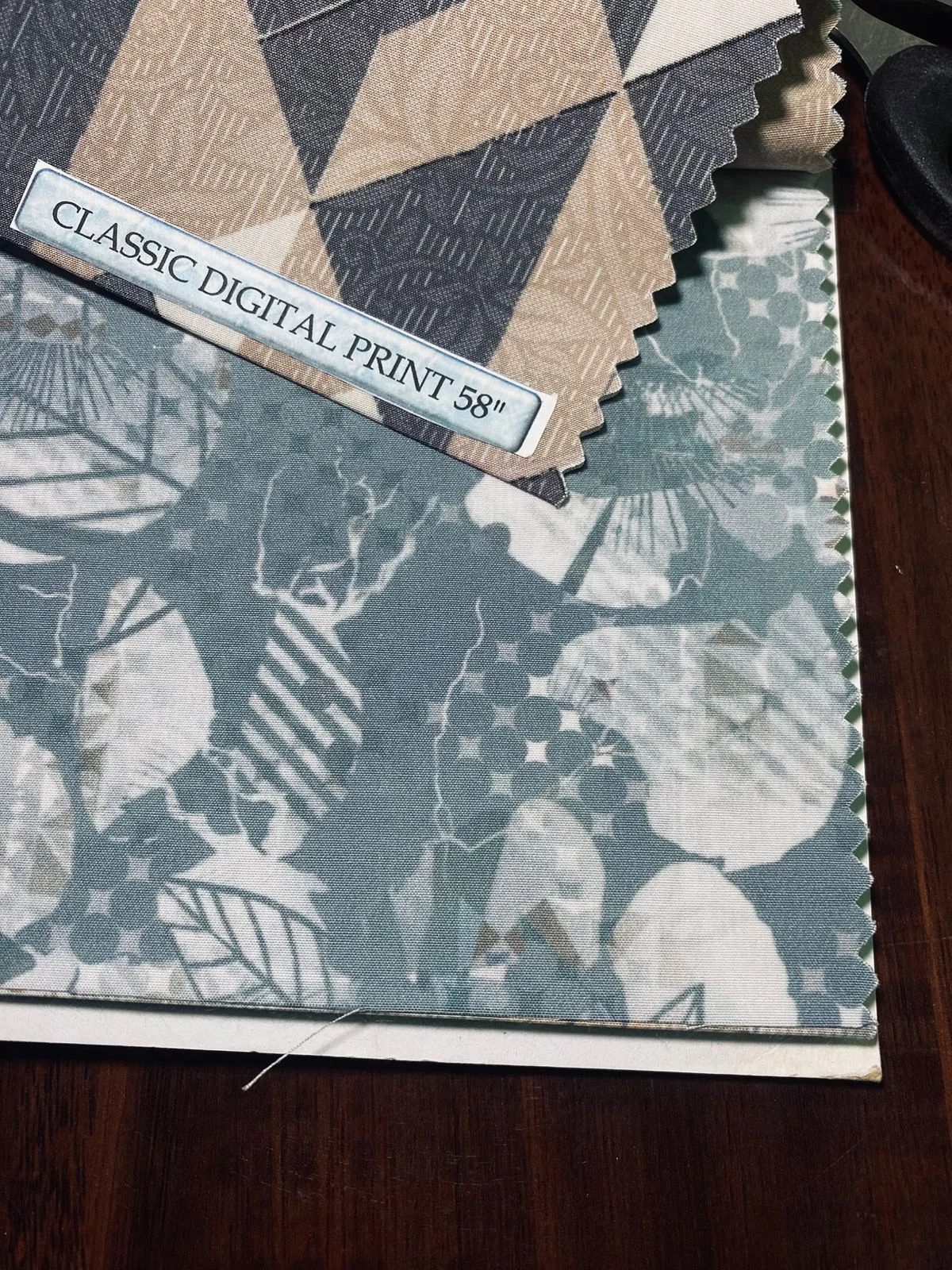
Polyester Fabric Digital Print
Contact
MOQ: 1 Unit

About Pahini Tex - Textile Fabric & Raw Material Supplier in India

Pahini Tex is based in India and lists seven active products across yarn and fabric categories. The catalogue includes Viscose Spun Yarn, Polyester Spun Yarn, Polyester Fabric, Viscose Fabric, Net Fabric, Poly‑Cotton Fabric and Polyester Fabric Digital Print. Each product falls under the broader HS‑2 digit families for textiles, such as Chapter 54 for man‑made fibres (e.g., HS 5402 for yarn) and Chapter 62 for apparel fabrics (e.g., HS 6204). The supplier’s top categories cover spun yarns, polyester, viscose, cotton and digitally printed textiles, reflecting a diversified textile offering.

The product list shows a mix of raw yarns and finished fabrics, indicating that Pahini Tex can serve both upstream manufacturers and downstream apparel makers. With a focus on polyester and viscose fibres, the catalogue aligns with common Indian export strengths in synthetic and regenerated cellulosic textiles. No additional product specifications are supplied, but the presence of digital‑print polyester fabric points to capabilities in modern finishing processes.

Product Range and Specialties of Pahini Tex

Pahini Tex’s catalogue contains two spun yarns - Viscose Spun Yarn and Polyester Spun Yarn - which are typically supplied in denier ranges from 40 to 150 denier for garment applications. In the fabric segment the company offers plain polyester fabric, viscose fabric, net fabric, a poly‑cotton blend and a polyester fabric with digital print. Industry standards for these items include polyester fabric weights between 120  -  250 g/m², viscose fabrics usually in the 140  -  200 g/m² range, and net fabrics measured by mesh count (e.g., 10 × 10 mm). Poly‑cotton blends are commonly graded by cotton content (e.g., 60%/40%) and finished with a smooth hand suitable for casual wear. Digital‑print polyester fabric is often evaluated by colour fastness (A‑rating) and print resolution (minimum 150 dpi).

Trade and Export Information - Pahini Tex

India ranks among the top global exporters of man‑made fibres and printed textiles, with major destinations in the European Union, United States, Middle East and Southeast Asia. Yarn shipments under HS 5402 are frequently inspected for fibre content compliance and moisture level (<0.5 %). Fabric exports under HS 6204 are subject to labelling of fibre composition and may require Oeko‑Tex Standard 100 or ISO 9001 certification for buyer confidence. Typical Incoterms used by Indian textile exporters include FOB Mumbai or CIF Dubai, and container loads often fill a 20‑ft container with 18‑20 metric tons of fabric. Buyers usually request a pre‑shipment sample and a test report confirming dimensional stability, colour fastness and shrinkage before final acceptance.

Sourcing from Pahini Tex - Buyer Guidance

When sourcing yarn or fabric from Pahini Tex, buyers should request a mill test certificate that details fibre composition, denier (for yarn) or GSM (for fabric), and any relevant colour‑fastness results. For digitally printed polyester fabric, a print‑sample and a colour‑fastness to washing (A‑rating) report are standard verification documents. It is prudent to confirm whether the supplier can provide Oeko‑Tex or ISO‑9001 compliance certificates, as these are commonly required by European and North American importers. Clarify packaging details - typically yarn is packed in polypropylene bags (25 kg) and fabrics in sealed, moisture‑proof poly‑bags - and verify container loading plans to avoid freight discrepancies.

Frequently Asked Questions About Pahini Tex

What types of yarn does Pahini Tex list in its catalogue?

The catalogue includes Viscose Spun Yarn and Polyester Spun Yarn, both classified under the HS‑2 digit code 54 for man‑made fibres.

Which fabrics are offered by Pahini Tex?

Pahini Tex offers Polyester Fabric, Viscose Fabric, Net Fabric, Poly‑Cotton Fabric and a Polyester Fabric with digital print, covering a range of GSM values and finishes.

Are there standard specifications buyers should check for these fabrics?

Typical specifications include fabric weight (GSM), fibre composition, colour‑fastness ratings for printed items, and mesh count for net fabric. Buyers usually request test reports covering these parameters.

What certifications are commonly required for Indian textile exports?

Importers often ask for Oeko‑Tex Standard 100, ISO 9001 quality management certificates, and a mill test certificate that details fibre content and physical properties.

How is the product usually packaged for shipment?

Yarn is generally packed in 25 kg polypropylene bags, while fabrics are folded, placed in sealed poly‑bags and palletised for container loading.

What Incoterms are typical for shipments from India?

Exporters from India frequently use FOB from ports such as Mumbai or Chennai, and CIF to regional hubs like Dubai, depending on buyer preference.

What documentation should a buyer request before placing an order?

Buyers should ask for a mill test certificate, any applicable Oeko‑Tex or ISO certificates, and a sample test report for colour fastness or shrinkage, especially for printed fabrics.

What are the usual lead times for these textile products?

Lead times vary by product but generally range from 30 to 45 days for yarn and 45 to 60 days for finished fabrics, allowing time for sample approval and quality testing.

About Pahini Tex - Textile Fabric & Raw Material Supplier in India

Pahini Tex is based in India and lists seven active products across yarn and fabric categories. The catalogue includes Viscose Spun Yarn, Polyester Spun Yarn, Polyester Fabric, Viscose Fabric, Net Fabric, Poly‑Cotton Fabric and Polyester Fabric Digital Print. Each product falls under the broader HS‑2 digit families for textiles, such as Chapter 54 for man‑made fibres (e.g., HS 5402 for yarn) and Chapter 62 for apparel fabrics (e.g., HS 6204). The supplier’s top categories cover spun yarns, polyester, viscose, cotton and digitally printed textiles, reflecting a diversified textile offering.

The product list shows a mix of raw yarns and finished fabrics, indicating that Pahini Tex can serve both upstream manufacturers and downstream apparel makers. With a focus on polyester and viscose fibres, the catalogue aligns with common Indian export strengths in synthetic and regenerated cellulosic textiles. No additional product specifications are supplied, but the presence of digital‑print polyester fabric points to capabilities in modern finishing processes.

Product Range and Specialties of Pahini Tex

Pahini Tex’s catalogue contains two spun yarns - Viscose Spun Yarn and Polyester Spun Yarn - which are typically supplied in denier ranges from 40 to 150 denier for garment applications. In the fabric segment the company offers plain polyester fabric, viscose fabric, net fabric, a poly‑cotton blend and a polyester fabric with digital print. Industry standards for these items include polyester fabric weights between 120  -  250 g/m², viscose fabrics usually in the 140  -  200 g/m² range, and net fabrics measured by mesh count (e.g., 10 × 10 mm). Poly‑cotton blends are commonly graded by cotton content (e.g., 60%/40%) and finished with a smooth hand suitable for casual wear. Digital‑print polyester fabric is often evaluated by colour fastness (A‑rating) and print resolution (minimum 150 dpi).

Trade and Export Information - Pahini Tex

India ranks among the top global exporters of man‑made fibres and printed textiles, with major destinations in the European Union, United States, Middle East and Southeast Asia. Yarn shipments under HS 5402 are frequently inspected for fibre content compliance and moisture level (<0.5 %). Fabric exports under HS 6204 are subject to labelling of fibre composition and may require Oeko‑Tex Standard 100 or ISO 9001 certification for buyer confidence. Typical Incoterms used by Indian textile exporters include FOB Mumbai or CIF Dubai, and container loads often fill a 20‑ft container with 18‑20 metric tons of fabric. Buyers usually request a pre‑shipment sample and a test report confirming dimensional stability, colour fastness and shrinkage before final acceptance.

Sourcing from Pahini Tex - Buyer Guidance

When sourcing yarn or fabric from Pahini Tex, buyers should request a mill test certificate that details fibre composition, denier (for yarn) or GSM (for fabric), and any relevant colour‑fastness results. For digitally printed polyester fabric, a print‑sample and a colour‑fastness to washing (A‑rating) report are standard verification documents. It is prudent to confirm whether the supplier can provide Oeko‑Tex or ISO‑9001 compliance certificates, as these are commonly required by European and North American importers. Clarify packaging details - typically yarn is packed in polypropylene bags (25 kg) and fabrics in sealed, moisture‑proof poly‑bags - and verify container loading plans to avoid freight discrepancies.

Frequently Asked Questions About Pahini Tex
What types of yarn does Pahini Tex list in its catalogue?
The catalogue includes Viscose Spun Yarn and Polyester Spun Yarn, both classified under the HS‑2 digit code 54 for man‑made fibres.
Which fabrics are offered by Pahini Tex?
Pahini Tex offers Polyester Fabric, Viscose Fabric, Net Fabric, Poly‑Cotton Fabric and a Polyester Fabric with digital print, covering a range of GSM values and finishes.
Are there standard specifications buyers should check for these fabrics?
Typical specifications include fabric weight (GSM), fibre composition, colour‑fastness ratings for printed items, and mesh count for net fabric. Buyers usually request test reports covering these parameters.
What certifications are commonly required for Indian textile exports?
Importers often ask for Oeko‑Tex Standard 100, ISO 9001 quality management certificates, and a mill test certificate that details fibre content and physical properties.
How is the product usually packaged for shipment?
Yarn is generally packed in 25 kg polypropylene bags, while fabrics are folded, placed in sealed poly‑bags and palletised for container loading.
What Incoterms are typical for shipments from India?
Exporters from India frequently use FOB from ports such as Mumbai or Chennai, and CIF to regional hubs like Dubai, depending on buyer preference.
What documentation should a buyer request before placing an order?
Buyers should ask for a mill test certificate, any applicable Oeko‑Tex or ISO certificates, and a sample test report for colour fastness or shrinkage, especially for printed fabrics.
What are the usual lead times for these textile products?
Lead times vary by product but generally range from 30 to 45 days for yarn and 45 to 60 days for finished fabrics, allowing time for sample approval and quality testing.

Pahini Tex
Country flag India
⚓ HarborApparel & Home
54/100
Trust Score
7
Products
✓ Free to contact — no commission
✓ Escrow payment available
✓ Verified business identity
Compare more suppliers
Post a requirement — get 10 quotes free
Let verified suppliers compete for your business. Free, fast, no commitment.
Due Diligence
Verify this supplier's real shipping history.
Every shipment, every buyer, every port. Trade data that can't be faked.
Run due diligence →
Discover More

Related Suppliers & Products

Explore similar suppliers, related products and trending categories

Featured Products from this Supplier

Other Suppliers in Primary Category

Top Trusted Suppliers

Related Products

Trending in Parent Category

More Suppliers in Category

Stay ahead in global trade
Weekly market insights & new supplier alerts.
EximNext
Exim Next is a leading global B2B marketplace, connecting over 220,000 registered suppliers and buyers across 200+ countries. As a trusted import export marketplace, it serves as the essential B2B portal for businesses worldwide, empowering them to expand their international reach. With Exim Next, businesses can trade smarter and grow faster.
SECURE PAYMENTS
VISAMastercardPayPalSWIFTL/CEscrow
Follow us
© 2026 EximNext