ozone naturals — Verified Supplier
About ozone naturals - Essential Oils Supplier in India
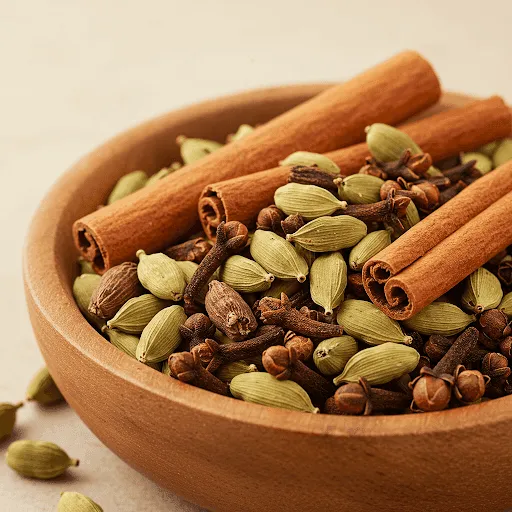
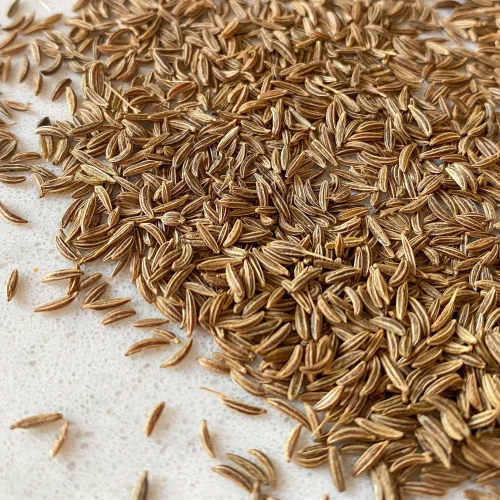
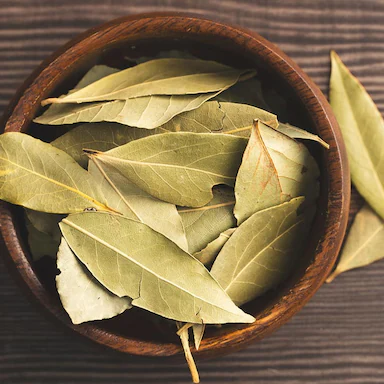
India, specifically the state of Haryana, is the base of ozone naturals, which currently lists 39 active products. The catalogue focuses on essential oils, oleoresins and CO2‑extracted plant extracts derived from spices and aromatic herbs. Products include Capsicum oleoresin, Fennel oleoresin, Ginger oil, Cardamom oil (CO2 extracted) and a range of other spice oleoresins such as Black pepper, Basil, Bay leaf, Coriander, Fenugreek and many more. Each item is classified under the broader HS chapters for vegetable oils and extracts, typically 3301‑3304. The supplier’s top categories are recorded as Essential Oils, Agriculture, Herbal Extracts, Spices, Plants & Plant Extracts and Black Cardamom.
Product Range and Specialties of ozone naturals
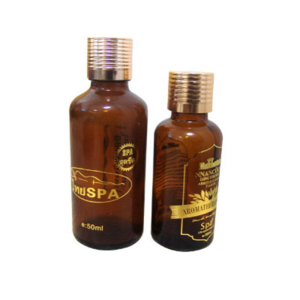
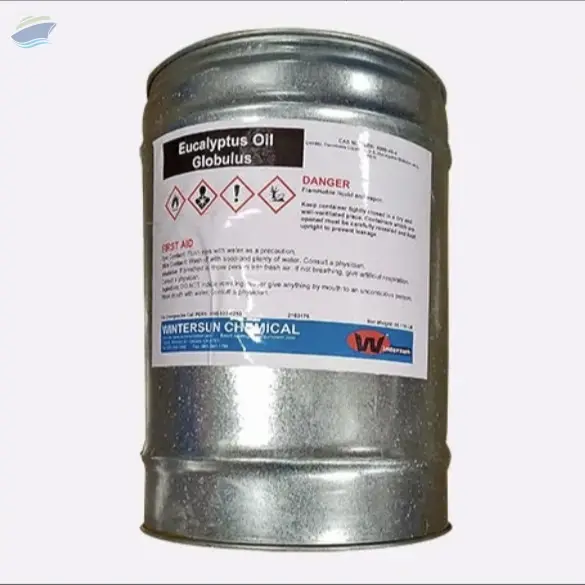
ozone naturals offers a portfolio of 30 listed oleoresins and CO2‑extracted oils covering common spice and herb sources. In the essential‑oil market, buyers usually request food‑grade (FD) or pharma‑grade specifications that meet ISO 9235, with GC‑MS chromatograms confirming key constituents such as eugenol in clove oil or piperine in black pepper oleoresin. Oleoresins are typically sold at a concentration of 30‑50 % active compounds and are tested for moisture content below 0.5 % and free fatty acid levels under 1 %. Standard packaging includes 200 L HDPE drums, 25 kg aluminum cans or 1 L amber glass bottles, each sealed to protect volatile components. Industry practice for CO2‑extracted oils emphasizes a high terpene retention, with typical purity above 95 % and a cloud point below 10 °C for ginger oil. Certifications such as ISO 9001 quality management, GMP for pharma, and organic certification (when applicable) are commonly sought, matching market demand for natural flavor systems used in foods, nutraceuticals and personal‑care formulations.
Trade and Export Information - ozone naturals
India is a major exporter of spice‑derived essential oils and oleoresins, with the European Union, United States and Middle East representing the largest demand centres. HS Chapter 33 (essential oils, perfumery, cosmetics, soap preparations) and Chapter 30 (coffee, tea, mate and spices) cover the tariff classifications for the products listed by ozone naturals. Buyers in these regions commonly require compliance with EU Regulation No 1334/2008 for food flavorings, US FDA GRAS status and phytosanitary certificates issued by the Indian Plant Quarantine authority.
Sourcing from ozone naturals - Buyer Guidance
When sourcing from ozone naturals, buyers should request a Certificate of Analysis that includes GC‑MS chromatograms, peroxide value, moisture content and any residual solvent limits. For CO2‑extracted oils, verification of the extraction method and a batch‑specific number helps traceability, and the buyer should confirm whether the product meets the required grade - food‑grade for culinary use or pharma‑grade for medicinal applications - supported by ISO 9235 or GMP documentation where needed.
Packaging specifications should be clarified: HDPE drums for bulk oleoresins, amber glass bottles for volatile oils, and any requirement for nitrogen flushing or tamper‑evident seals. Typical minimum order quantities range from 500 kg for oleoresin powders to 100 L for essential oils, with lead times of 4‑6 weeks after sample approval. Requesting a sample batch and a third‑party lab test before full‑scale purchase is standard practice to verify compliance with the buyer’s specifications.
Frequently Asked Questions About ozone naturals
How many active products does ozone naturals list?
ozone naturals lists 39 active products in its catalogue, covering a range of essential oils, oleoresins and CO2‑extracted extracts.
Which spice‑derived oleoresins are available from ozone naturals?
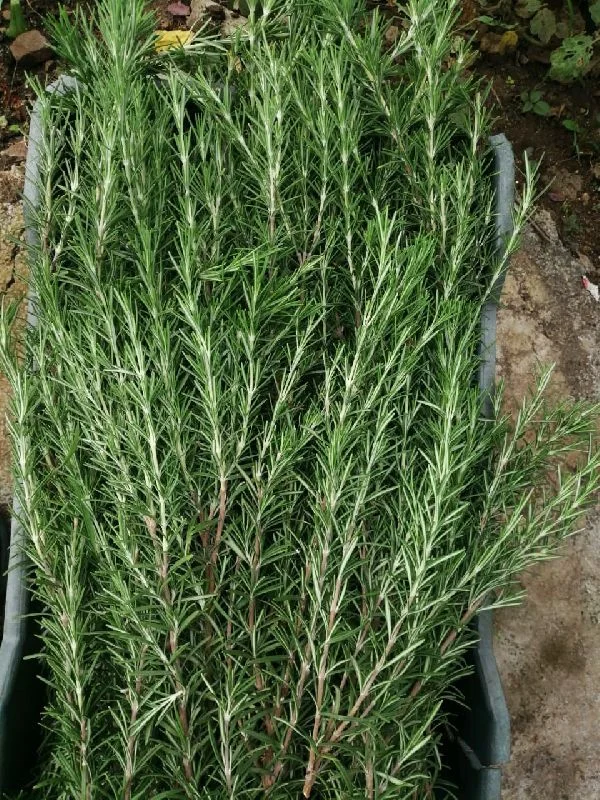
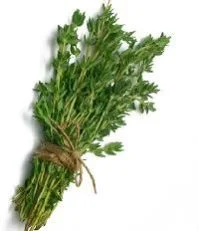
The catalogue includes oleoresins such as Capsicum, Fennel, Black Pepper, Basil, Bay Leaf, Coriander, Fenugreek, Lavender, Oregano, Rosemary, Thyme, White Pepper, Cinnamon, Vanilla, Marigold and several others, each identified by its botanical source.
What extraction methods are used for the oils?
Several oils are produced by supercritical CO2 extraction, indicated by “CO2 Extracted” in the product name, while others may be obtained by cold‑pressing or conventional solvent extraction.
Which HS code chapters apply to these products?
The products fall under HS Chapter 33 for essential oils and aromatic extracts and Chapter 30 for spice oleoresins, which are the standard tariff headings used in international trade.
What certifications should a buyer request?
Buyers typically request a Certificate of Analysis, GC‑MS profile and, depending on the intended use, ISO 9235 food‑grade compliance, GMP for pharmaceutical applications or ISO 9001 quality‑management certification.
What are the common packaging options?
Bulk oleoresins are usually shipped in 200 L HDPE drums or 25 kg aluminum cans, while essential oils are often packaged in 1 L amber glass bottles; both can be palletised for container loading.
What are typical lead times and minimum order quantities?
Lead times are generally 4‑6 weeks after sample approval, with minimum orders of about 500 kg for oleoresin powders and 100 L for essential oils, although exact figures depend on the specific product.




 , India