Ocean Pride — Supplier
About Ocean Pride - Frozen Seafood Supplier in India
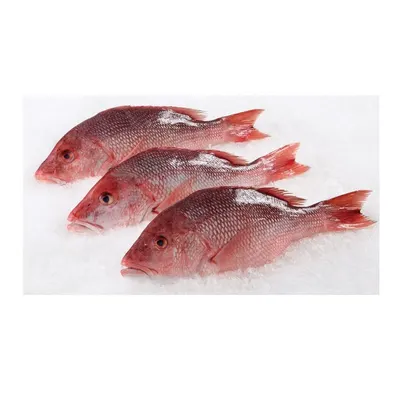
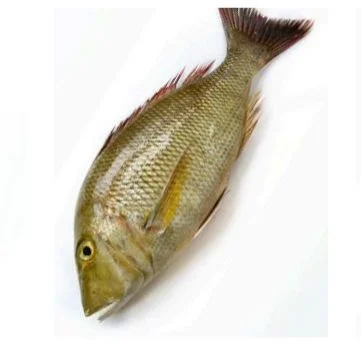
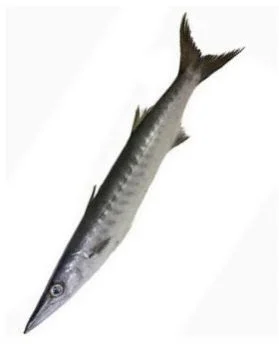
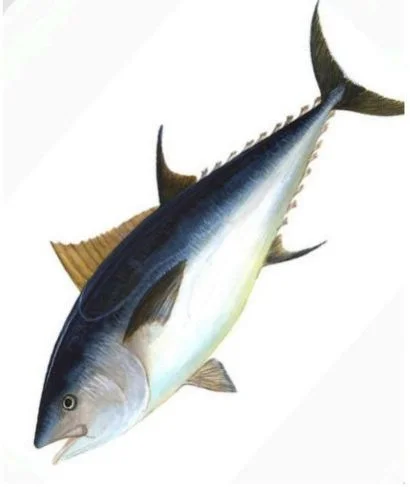
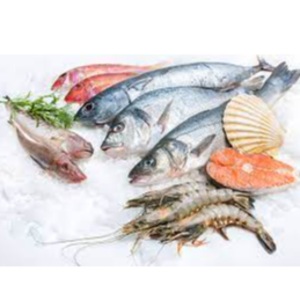
Ocean Pride is based in India, operating from coastal processing zones that handle a broad spectrum of marine products. The supplier lists 67 active products across frozen and fresh seafood categories. Its catalogue spans frozen tuna, ribbonfish, swordfish, various snapper species, and a selection of dried salted fish. Product families fall under HS chapter 03, with specific codes such as 0302.89 for fresh parrot fish and 0303.54 for whole seer fish. The range reflects both frozen and dried formats commonly demanded by international buyers.
The detailed product list includes sea‑frozen Skipjack Tuna, Yellowfin Tuna, pre‑cooked Skipjack and Bonito loins, and a variety of snapper and pomfret species. Three items provide HS codes: Fresh/Chilled Whole Parrot Fish (HS 0302.89), Pearl Spot karimeen (HS 0302.72), and Whole Seer Fish (HS 0303.54). Additional entries such as dry salted shark meat and dried beltfish illustrate the company's capability in value‑added preservation. All fish are processed according to standard cold‑chain practices, typically frozen at - 18 °C or dried to moisture levels below 12 %. The catalogue therefore offers a comprehensive selection for buyers seeking both bulk and specialty marine proteins.
Product Range and Specialties of Ocean Pride
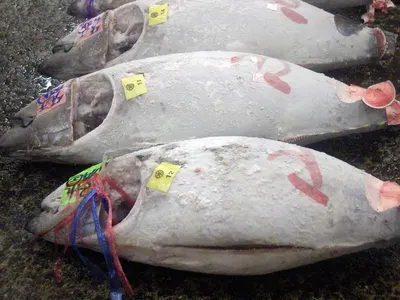
Ocean Pride’s frozen tuna portfolio includes Skipjack and Yellowfin loins, which in the industry are commonly graded according to the International Codex Standard for Fish (ICMSF) as Grade A when moisture is ≤ 68 % and total volatile nitrogen (TVN) is ≤ 30 mg/100 g. Pre‑cooked loins are usually vacuum‑packed in 10 kg or 20 kg blocks and flash‑frozen to preserve texture. Snapper and pomfret species are offered whole or filleted; standard fillet thickness ranges from 25 mm to 35 mm, and whole fish are often sized between 500 g and 1.5 kg. Dried salted products such as shark meat, beltfish, and trevally are typically cured to a residual moisture content of 10‑12 % and packed in 25 kg polypropylene bags. These specifications align with common BRC and ISO 22000 requirements for frozen and dried seafood. The fresh/chilled offerings like Parrot Fish, Pearl Spot, and Seer Fish are classified under HS 0302 and 0303 and are usually supplied on ice in 20 kg insulated boxes, with temperature maintained at 0 °C to 2 °C during transit. Industry practice for these high‑value species includes HACCP‑based handling, traceability tags, and compliance with maximum allowable levels for histamine and heavy metals, which are routinely verified through laboratory reports before shipment.
Trade and Export Information - Ocean Pride
India is among the top global exporters of frozen and chilled seafood, with the majority of shipments directed to the European Union, United States, Middle East, and Southeast Asian markets. HS chapter 03 codes used by Ocean Pride, such as 0302.89, 0302.72, and 0303.54, fall under the standard customs tariff for fresh or chilled fish and are subject to import inspections that verify compliance with EU Regulation 2023/1129 or US FDA seafood safety guidelines. Typical export containers are 20‑ft or 40‑ft refrigerated units (reefers) that maintain - 18 °C for frozen products and 0‑2 °C for chilled fish. Buyers importing Indian seafood commonly request BRC Global Standard for Food Safety, ISO 22000, and FSSAI certification, along with a Certificate of Origin and a Health Certificate issued by the Directorate General of Foreign Trade. Packaging standards include insulated ice boxes for chilled fish, vacuum‑sealed polyethylene bags for frozen loins, and moisture‑proof polypropylene bags for dried salted fish. Incoterms such as FOB Mumbai or CIF Dubai are frequently used, reflecting the established cold‑chain logistics infrastructure along India’s western coastline.
Sourcing from Ocean Pride - Buyer Guidance
Prospective buyers should request a product specification sheet that details moisture content, TVN, microbial limits (e.g., total plate count ≤ 10⁵ CFU/g), and heavy‑metal concentrations in accordance with Codex limits. For frozen tuna, a sample of a 10 kg vacuum‑packed block should be examined for ice crystal size and colour, while dried salted fish samples should be tested for residual salt and moisture. A laboratory analysis report covering histamine, mercury, and microbial safety is standard practice before confirming a contract. Buyers are advised to verify the supplier’s export documentation, including the Certificate of Origin, Health Certificate, and any third‑party audit reports (e.g., BRC or ISO). Confirmation of the cold‑chain integrity can be obtained through temperature loggers attached to reefers, and the presence of batch traceability labels facilitates recall management. Clarifying minimum order quantities - typically 1 MT for frozen loins and 0.5 MT for dried products - and lead times of 30‑45 days helps align production schedules.
Frequently Asked Questions About Ocean Pride
What product categories does Ocean Pride offer?
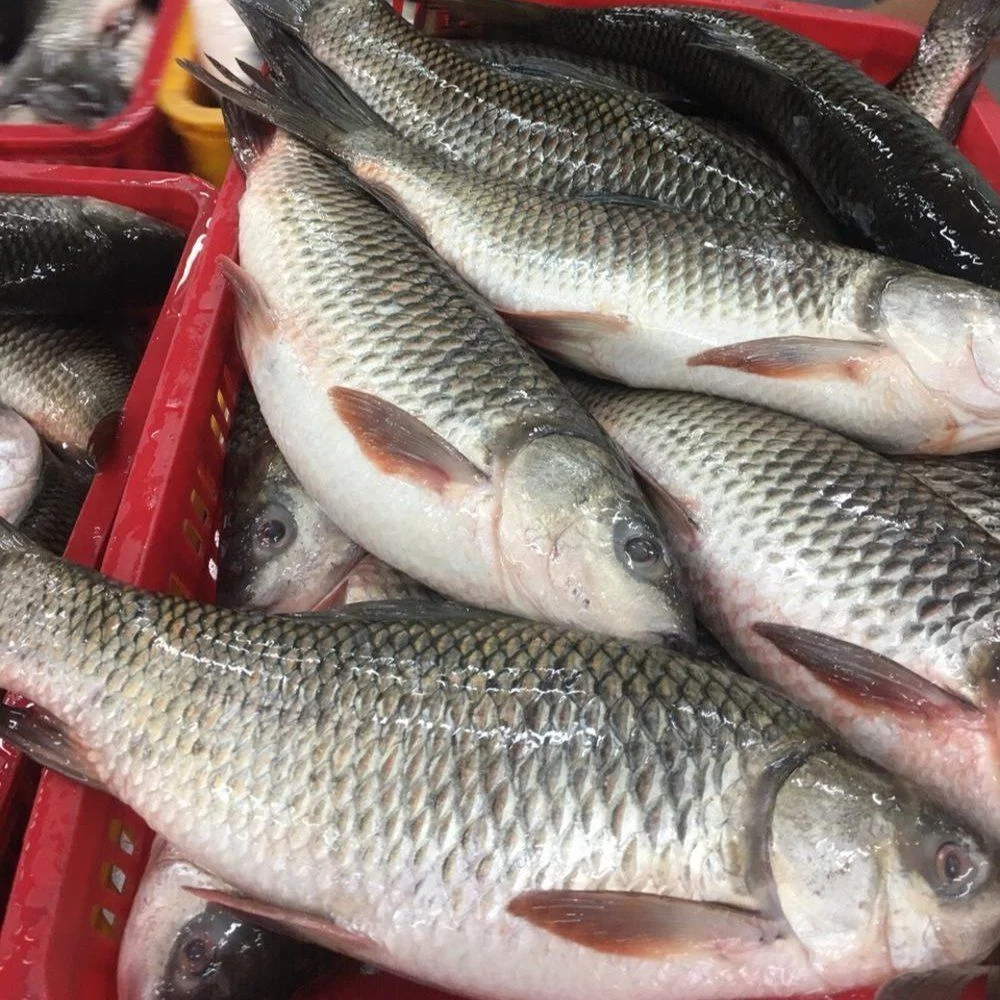
Ocean Pride lists 67 products covering frozen tuna loins, frozen ribbonfish, swordfish, a variety of snapper and pomfret species, and dried salted fish such as shark meat, beltfish and trevally. It also supplies fresh/chilled whole fish including parrot fish, pearl spot and seer fish.
Which HS codes are associated with Ocean Pride’s fresh fish?
The catalogue provides HS 0302.89 for fresh/parrot fish, HS 0302.72 for pearl spot (karimeen) and HS 0303.54 for whole seer fish. All other items fall under the broader HS chapter 03 for fish and seafood.
How are frozen tuna loins packaged for export?
Frozen tuna loins are typically vacuum‑sealed in 10 kg or 20 kg blocks, placed on pallets, and loaded into refrigerated containers that maintain - 18 °C throughout the shipment. The packaging complies with BRC and ISO 22000 standards for temperature control and hygiene.
What quality parameters should a buyer check for dried salted fish?
Key parameters include residual moisture ≤ 12 %, salt content between 12 % and 18 %, total plate count ≤ 10⁴ CFU/g, and compliance with Codex limits for heavy metals such as mercury (< 0.5 ppm). Laboratory certificates confirming these values are normally required before shipment.
Which certifications are commonly required for importing Indian seafood?
Importers usually request BRC Global Standard for Food Safety, ISO 22000, FSSAI approval, a Certificate of Origin and a Health Certificate. Buyers should confirm that these documents are available before finalising a purchase.
What are the typical shipment terms for Ocean Pride’s products?
Common Incoterms include FOB Mumbai for buyers arranging their own freight, and CIF Dubai or Singapore for those preferring the supplier to handle freight and insurance. These terms align with the established logistics network for Indian seafood exports.
What is the standard lead time and minimum order quantity?
Lead times range from 30 to 45 days after order confirmation, with minimum order quantities of approximately 1 metric tonne for frozen tuna loins and 0.5 metric tonne for dried salted fish products. Early confirmation of specifications helps meet the production schedule.




 , India