Nizona Corporation — Verified Manufacturer & Wholesale Supplier

About Nizona Corporation - Functional Foods Supplier in Japan

Japan, Mumbai suburban region, hosts Nizona Corporation with an active catalogue of 13 distinct products. The supplier lists items across functional foods, nutraceuticals, collagen-based beverages, and cosmetic skin‑care supplies, referencing categories such as Drinking Soda, Cosmetics & Beauty Products, Health Products, Beverages, Tea, Herbal Products, Slimming Tea and Pharmaceutical Packaging Boxes. Specific entries include IKIGEN Marine Collagen Peptide (graded “BP”), Nizen Probiotic Collagen Drink and Collagen Soda with Lychee, both recorded under HS code 2202.99, as well as Pineapple Soda Genki Ramune (HS 2202.10). The remaining soda variants and matcha teas are listed without HS codes but fall within the beverage HS chapter 22. The catalogue also mentions a Collagen + Hyaluronic Face Mask and Probiotic Green Smoothies, indicating a blend of ingestible and topical formulations.

The product set reflects Japanese‑origin manufacturing, with the collagen peptide described as 100 % fish collagen and the probiotic drink combining hydrolyzed collagen, Lactobacillus cultures and natural flavorings. Materials noted include carbonated water bases for flavored sodas and natural pineapple flavoring for the 2202.10 product. The supplier’s profile highlights flexibility in formulation and packaging, and an authorized distribution link with Nippi, Incorporated for collagen peptides. All listed items are positioned for export rather than domestic retail, aligning with typical B2B cataloguing practices.

Product Range and Specialties of Nizona Corporation

The catalogue presents three collagen‑infused beverages classified under HS 2202.99, a code covering other prepared drinks, non‑alcoholic, not elsewhere specified. Industry standards for collagen drinks usually require peptide purity above 95 %, molecular weight under 3 kDa, and microbiological limits of ≤10 CFU/g for contaminants. The Pineapple Soda (HS 2202.10) falls under the sub‑heading for fruit‑flavoured non‑alcoholic beverages, where typical specifications include total soluble solids between 10‑12 % and a carbonation level of 2‑3 volumes CO₂. Japanese matcha teas, though listed without HS codes, are generally classified under HS 0902 and are expected to meet catechin content of 30‑40 % and moisture below 5 %. The Collagen + Hyaluronic Face Mask aligns with HS 3304 (beauty or make‑up preparations) and commonly requires a hyaluronic acid concentration of 0.1‑0.5 % and collagen purity of at least 80 %. Probiotic Green Smoothies would be placed under HS 2106 (preparations of fruit, nuts or vegetables) with typical probiotic counts of 10⁸‑10⁹ CFU per serving.

Trade and Export Information - Nizona Corporation

Japanese exporters of functional food and beverage products such as collagen‑infused sodas typically target North American, European and Southeast Asian markets, where demand for health‑oriented drinks is strong. HS chapter 22 (Beverages) and chapter 33 (Essential oils and cosmetics) are routinely inspected by customs authorities for labeling accuracy, country‑of‑origin marking, and compliance with food safety regulations such as Japan’s Food Sanitation Act and the importing country’s FDA or EFSA requirements. Common certifications requested by importers include GMP, ISO 9001, and, for nutraceuticals, JAS (Japanese Agricultural Standards) or third‑party organic certifications. Packaging for 20 L beverage drums or 0.33 L glass bottles follows ISO 9001‑compatible standards, while face masks are often packed in sealed aluminum‑foil sachets to preserve moisture. Incoterms such as FOB Tokyo Port or CIF Shanghai are standard for Japanese exporters, with container loads ranging from 20‑ft (approximately 12 000 L of soda) to 40‑ft units for mixed product pallets.

Sourcing from Nizona Corporation - Buyer Guidance

Buyers should request a Certificate of Analysis for each collagen‑based product, confirming peptide purity, molecular weight distribution, heavy‑metal limits (e.g., lead < 0.1 ppm) and microbial counts. For probiotic drinks, a stability study and a viable count report are typical prerequisites. Verify that the beverage formulations meet the HS‑code specific labeling rules, including ingredient list, nutrition facts, and carbonated‑water content. Ask for GMP audit reports or ISO 9001 certificates to ensure production processes align with international food‑safety expectations. Sample quantities of 1 L for drinks or 10 g for face masks are common for preliminary testing, and lead times for custom‑formulated collagen beverages from Japan range from 45 to 70 days after sample approval.

Frequently Asked Questions About Nizona Corporation

What HS codes are used for Nizona Corporation’s collagen‑infused beverages?

The Nizen Probiotic Collagen Drink and Collagen Soda with Lychee are listed under HS 2202.99, which covers other prepared non‑alcoholic beverages not elsewhere specified. The Pineapple Soda Genki Ramune uses HS 2202.10 for fruit‑flavoured non‑alcoholic drinks.

Which certifications should I request before importing the collagen peptide product?

Request a Certificate of Analysis showing ≥95 % peptide purity, molecular weight <3 kDa, and heavy‑metal limits. Additionally, obtain the supplier’s GMP or ISO 9001 audit report and, if required by your market, a JAS or organic certification.

What typical specifications apply to the Collagen + Hyaluronic Face Mask?

Face masks in HS 3304 usually contain hyaluronic acid at 0.1‑0.5 % and collagen purity of at least 80 %. Moisture content should be below 10 % and the product must pass microbial limits of ≤100 CFU/g.

How are the soda products packaged for export?

Japanese soda variants are commonly packed in 0.33 L glass bottles or 20 L PET drums, sealed with tamper‑evident caps. Containers are loaded in 20‑ft or 40‑ft sea containers, with a typical load of 12 000 L per 20‑ft unit.

What sample sizes are practical for evaluating the probiotic green smoothies?

A 1 L sample per formulation is standard for sensory and microbiological testing. The sample should include the full ingredient list, including Lactobacillus strains, to verify viable counts.

What are the usual lead times for custom‑formulated collagen drinks from Japan?

Lead times generally range from 45 to 70 days after sample approval, depending on formulation changes, packaging design, and regulatory documentation preparation.

Which markets commonly import Japanese functional beverages like those offered by Nizona?

North America, the European Union and Southeast Asian countries such as Singapore, Malaysia and Thailand are primary importers of Japanese functional and collagen‑infused beverages.

What documentation is needed for customs clearance of the matcha green tea product?

A commercial invoice, packing list, Certificate of Origin, and, if the product is classified under HS 0902, a food safety compliance certificate (e.g., GMP) are typically required for customs clearance.


Other Suppliers in Drinking Soda

Top Trusted Suppliers

Related Products in Drinking Soda

Trending in Parent Category

More Suppliers in Parent Category

Related Products

Other Suppliers

EximNext
58.4K+ live requirements
Register Free🎁 5 free buy-lead credits
Post Requirement
🌍 Trusted by 224.4K+ businesses in 200+ countries|
58.4K+ active requirements right now
✉️ [email protected]
|
Sell on EximNextPost Requirement
EximNext
AgricultureApparelConstructionElectronicFoodHomeIndustrialMineralsMiscellaneous
🔥 Deals|✨ AI Match|🏭 Suppliers|📋 Buy Leads|💰 Trade Finance|⭐ Upgrade
58.4K+ live RFQs·194.4K+ suppliers
🎁 5 free credits →
EximNext
EximNext
Register Free
🎁 5 free buy-lead credits
Sign In
📋Post Requirement💬Get QuotesAI Match📋RFQ Marketplace
All Categories
Services & Tools
🏭Supplier Directory🔥Today's Deals💰Trade FinanceMembership
Sell on EximNext
AboutContactBlogHelp
Nizona Corporation

Nizona Corporation

🚢 Voyage
Country flag Mumbai suburban, Japan
🛡️
61/100
Trust Score

Nizona Corporation Product Catalog

Showing 12 of 14 products
View all products →
Probiotic Green Smoothies
🚢 Voyage
Probiotic Green Smoothies
Contact
MOQ: 1 Unit
Collagen + Hyaluronic Face Mask
🚢 Voyage
Collagen + Hyaluronic Face Mask
Contact
MOQ: 1 Unit
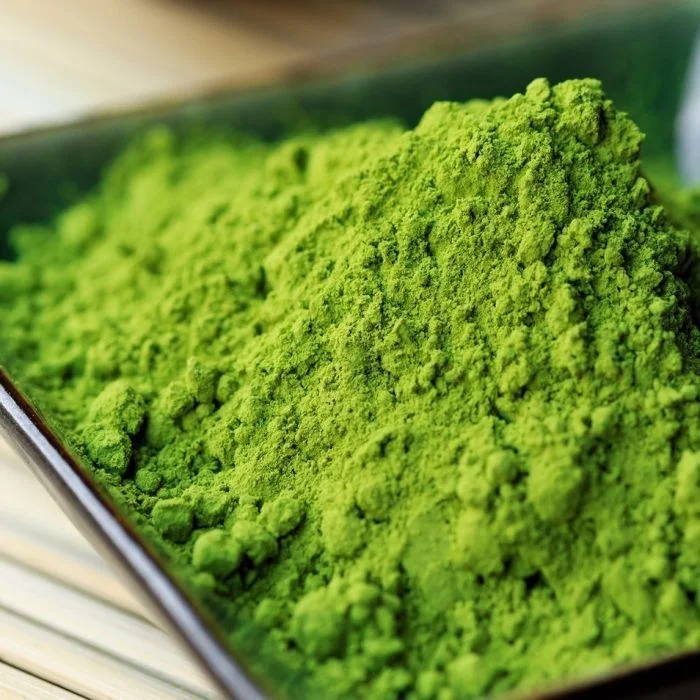
Matcha Geen Tea
🚢 Voyage
Matcha Geen Tea
Contact
MOQ: 1 Unit
Collagen Soda with Lychee (Genki Ramune Soda)
🚢 Voyage
Collagen Soda with Lychee (Genki Ramune Soda)
Contact
MOQ: 1 Unit
Matcha Green Tea  (HEALTHY Genki  Ramune Soda)
🚢 Voyage
Matcha Green Tea (HEALTHY Genki Ramune Soda)
Contact
MOQ: 1 Unit
Plain Soda (Japan)
🚢 Voyage
Plain Soda (Japan)
Contact
MOQ: 1 Unit
Pineapple Soda Genki Ramune (Japan)
🚢 Voyage
Pineapple Soda Genki Ramune (Japan)
Contact
MOQ: 1 Unit
Strawberry Soda Ramune (Japan)
🚢 Voyage
Strawberry Soda Ramune (Japan)
Contact
MOQ: 1 Unit
Melon Soda Ramune (Japan)
🚢 Voyage
Melon Soda Ramune (Japan)
Contact
MOQ: 1 Unit
Genki Ramune Orange Soda (Japan)
🚢 Voyage
Genki Ramune Orange Soda (Japan)
Contact
MOQ: 1 Unit
Blueberry Soda Ramune (JAPAN)
🚢 Voyage
Blueberry Soda Ramune (JAPAN)
Contact
MOQ: 1 Unit
Nizen Probiotic Collagen Drink
🚢 Voyage
Nizen Probiotic Collagen Drink
Contact
MOQ: 1 Unit

About Nizona Corporation - Functional Foods Supplier in Japan

Japan, Mumbai suburban region, hosts Nizona Corporation with an active catalogue of 13 distinct products. The supplier lists items across functional foods, nutraceuticals, collagen-based beverages, and cosmetic skin‑care supplies, referencing categories such as Drinking Soda, Cosmetics & Beauty Products, Health Products, Beverages, Tea, Herbal Products, Slimming Tea and Pharmaceutical Packaging Boxes. Specific entries include IKIGEN Marine Collagen Peptide (graded “BP”), Nizen Probiotic Collagen Drink and Collagen Soda with Lychee, both recorded under HS code 2202.99, as well as Pineapple Soda Genki Ramune (HS 2202.10). The remaining soda variants and matcha teas are listed without HS codes but fall within the beverage HS chapter 22. The catalogue also mentions a Collagen + Hyaluronic Face Mask and Probiotic Green Smoothies, indicating a blend of ingestible and topical formulations.

The product set reflects Japanese‑origin manufacturing, with the collagen peptide described as 100 % fish collagen and the probiotic drink combining hydrolyzed collagen, Lactobacillus cultures and natural flavorings. Materials noted include carbonated water bases for flavored sodas and natural pineapple flavoring for the 2202.10 product. The supplier’s profile highlights flexibility in formulation and packaging, and an authorized distribution link with Nippi, Incorporated for collagen peptides. All listed items are positioned for export rather than domestic retail, aligning with typical B2B cataloguing practices.

Product Range and Specialties of Nizona Corporation

The catalogue presents three collagen‑infused beverages classified under HS 2202.99, a code covering other prepared drinks, non‑alcoholic, not elsewhere specified. Industry standards for collagen drinks usually require peptide purity above 95 %, molecular weight under 3 kDa, and microbiological limits of ≤10 CFU/g for contaminants. The Pineapple Soda (HS 2202.10) falls under the sub‑heading for fruit‑flavoured non‑alcoholic beverages, where typical specifications include total soluble solids between 10‑12 % and a carbonation level of 2‑3 volumes CO₂. Japanese matcha teas, though listed without HS codes, are generally classified under HS 0902 and are expected to meet catechin content of 30‑40 % and moisture below 5 %. The Collagen + Hyaluronic Face Mask aligns with HS 3304 (beauty or make‑up preparations) and commonly requires a hyaluronic acid concentration of 0.1‑0.5 % and collagen purity of at least 80 %. Probiotic Green Smoothies would be placed under HS 2106 (preparations of fruit, nuts or vegetables) with typical probiotic counts of 10⁸‑10⁹ CFU per serving.

Trade and Export Information - Nizona Corporation

Japanese exporters of functional food and beverage products such as collagen‑infused sodas typically target North American, European and Southeast Asian markets, where demand for health‑oriented drinks is strong. HS chapter 22 (Beverages) and chapter 33 (Essential oils and cosmetics) are routinely inspected by customs authorities for labeling accuracy, country‑of‑origin marking, and compliance with food safety regulations such as Japan’s Food Sanitation Act and the importing country’s FDA or EFSA requirements. Common certifications requested by importers include GMP, ISO 9001, and, for nutraceuticals, JAS (Japanese Agricultural Standards) or third‑party organic certifications. Packaging for 20 L beverage drums or 0.33 L glass bottles follows ISO 9001‑compatible standards, while face masks are often packed in sealed aluminum‑foil sachets to preserve moisture. Incoterms such as FOB Tokyo Port or CIF Shanghai are standard for Japanese exporters, with container loads ranging from 20‑ft (approximately 12 000 L of soda) to 40‑ft units for mixed product pallets.

Sourcing from Nizona Corporation - Buyer Guidance

Buyers should request a Certificate of Analysis for each collagen‑based product, confirming peptide purity, molecular weight distribution, heavy‑metal limits (e.g., lead < 0.1 ppm) and microbial counts. For probiotic drinks, a stability study and a viable count report are typical prerequisites. Verify that the beverage formulations meet the HS‑code specific labeling rules, including ingredient list, nutrition facts, and carbonated‑water content. Ask for GMP audit reports or ISO 9001 certificates to ensure production processes align with international food‑safety expectations. Sample quantities of 1 L for drinks or 10 g for face masks are common for preliminary testing, and lead times for custom‑formulated collagen beverages from Japan range from 45 to 70 days after sample approval.

Frequently Asked Questions About Nizona Corporation

What HS codes are used for Nizona Corporation’s collagen‑infused beverages?

The Nizen Probiotic Collagen Drink and Collagen Soda with Lychee are listed under HS 2202.99, which covers other prepared non‑alcoholic beverages not elsewhere specified. The Pineapple Soda Genki Ramune uses HS 2202.10 for fruit‑flavoured non‑alcoholic drinks.

Which certifications should I request before importing the collagen peptide product?

Request a Certificate of Analysis showing ≥95 % peptide purity, molecular weight <3 kDa, and heavy‑metal limits. Additionally, obtain the supplier’s GMP or ISO 9001 audit report and, if required by your market, a JAS or organic certification.

What typical specifications apply to the Collagen + Hyaluronic Face Mask?

Face masks in HS 3304 usually contain hyaluronic acid at 0.1‑0.5 % and collagen purity of at least 80 %. Moisture content should be below 10 % and the product must pass microbial limits of ≤100 CFU/g.

How are the soda products packaged for export?

Japanese soda variants are commonly packed in 0.33 L glass bottles or 20 L PET drums, sealed with tamper‑evident caps. Containers are loaded in 20‑ft or 40‑ft sea containers, with a typical load of 12 000 L per 20‑ft unit.

What sample sizes are practical for evaluating the probiotic green smoothies?

A 1 L sample per formulation is standard for sensory and microbiological testing. The sample should include the full ingredient list, including Lactobacillus strains, to verify viable counts.

What are the usual lead times for custom‑formulated collagen drinks from Japan?

Lead times generally range from 45 to 70 days after sample approval, depending on formulation changes, packaging design, and regulatory documentation preparation.

Which markets commonly import Japanese functional beverages like those offered by Nizona?

North America, the European Union and Southeast Asian countries such as Singapore, Malaysia and Thailand are primary importers of Japanese functional and collagen‑infused beverages.

What documentation is needed for customs clearance of the matcha green tea product?

A commercial invoice, packing list, Certificate of Origin, and, if the product is classified under HS 0902, a food safety compliance certificate (e.g., GMP) are typically required for customs clearance.

About Nizona Corporation - Functional Foods Supplier in Japan

Japan, Mumbai suburban region, hosts Nizona Corporation with an active catalogue of 13 distinct products. The supplier lists items across functional foods, nutraceuticals, collagen-based beverages, and cosmetic skin‑care supplies, referencing categories such as Drinking Soda, Cosmetics & Beauty Products, Health Products, Beverages, Tea, Herbal Products, Slimming Tea and Pharmaceutical Packaging Boxes. Specific entries include IKIGEN Marine Collagen Peptide (graded “BP”), Nizen Probiotic Collagen Drink and Collagen Soda with Lychee, both recorded under HS code 2202.99, as well as Pineapple Soda Genki Ramune (HS 2202.10). The remaining soda variants and matcha teas are listed without HS codes but fall within the beverage HS chapter 22. The catalogue also mentions a Collagen + Hyaluronic Face Mask and Probiotic Green Smoothies, indicating a blend of ingestible and topical formulations.

The product set reflects Japanese‑origin manufacturing, with the collagen peptide described as 100 % fish collagen and the probiotic drink combining hydrolyzed collagen, Lactobacillus cultures and natural flavorings. Materials noted include carbonated water bases for flavored sodas and natural pineapple flavoring for the 2202.10 product. The supplier’s profile highlights flexibility in formulation and packaging, and an authorized distribution link with Nippi, Incorporated for collagen peptides. All listed items are positioned for export rather than domestic retail, aligning with typical B2B cataloguing practices.

Product Range and Specialties of Nizona Corporation

The catalogue presents three collagen‑infused beverages classified under HS 2202.99, a code covering other prepared drinks, non‑alcoholic, not elsewhere specified. Industry standards for collagen drinks usually require peptide purity above 95 %, molecular weight under 3 kDa, and microbiological limits of ≤10 CFU/g for contaminants. The Pineapple Soda (HS 2202.10) falls under the sub‑heading for fruit‑flavoured non‑alcoholic beverages, where typical specifications include total soluble solids between 10‑12 % and a carbonation level of 2‑3 volumes CO₂. Japanese matcha teas, though listed without HS codes, are generally classified under HS 0902 and are expected to meet catechin content of 30‑40 % and moisture below 5 %. The Collagen + Hyaluronic Face Mask aligns with HS 3304 (beauty or make‑up preparations) and commonly requires a hyaluronic acid concentration of 0.1‑0.5 % and collagen purity of at least 80 %. Probiotic Green Smoothies would be placed under HS 2106 (preparations of fruit, nuts or vegetables) with typical probiotic counts of 10⁸‑10⁹ CFU per serving.

Trade and Export Information - Nizona Corporation

Japanese exporters of functional food and beverage products such as collagen‑infused sodas typically target North American, European and Southeast Asian markets, where demand for health‑oriented drinks is strong. HS chapter 22 (Beverages) and chapter 33 (Essential oils and cosmetics) are routinely inspected by customs authorities for labeling accuracy, country‑of‑origin marking, and compliance with food safety regulations such as Japan’s Food Sanitation Act and the importing country’s FDA or EFSA requirements. Common certifications requested by importers include GMP, ISO 9001, and, for nutraceuticals, JAS (Japanese Agricultural Standards) or third‑party organic certifications. Packaging for 20 L beverage drums or 0.33 L glass bottles follows ISO 9001‑compatible standards, while face masks are often packed in sealed aluminum‑foil sachets to preserve moisture. Incoterms such as FOB Tokyo Port or CIF Shanghai are standard for Japanese exporters, with container loads ranging from 20‑ft (approximately 12 000 L of soda) to 40‑ft units for mixed product pallets.

Sourcing from Nizona Corporation - Buyer Guidance

Buyers should request a Certificate of Analysis for each collagen‑based product, confirming peptide purity, molecular weight distribution, heavy‑metal limits (e.g., lead < 0.1 ppm) and microbial counts. For probiotic drinks, a stability study and a viable count report are typical prerequisites. Verify that the beverage formulations meet the HS‑code specific labeling rules, including ingredient list, nutrition facts, and carbonated‑water content. Ask for GMP audit reports or ISO 9001 certificates to ensure production processes align with international food‑safety expectations. Sample quantities of 1 L for drinks or 10 g for face masks are common for preliminary testing, and lead times for custom‑formulated collagen beverages from Japan range from 45 to 70 days after sample approval.

Frequently Asked Questions About Nizona Corporation
What HS codes are used for Nizona Corporation’s collagen‑infused beverages?
The Nizen Probiotic Collagen Drink and Collagen Soda with Lychee are listed under HS 2202.99, which covers other prepared non‑alcoholic beverages not elsewhere specified. The Pineapple Soda Genki Ramune uses HS 2202.10 for fruit‑flavoured non‑alcoholic drinks.
Which certifications should I request before importing the collagen peptide product?
Request a Certificate of Analysis showing ≥95 % peptide purity, molecular weight <3 kDa, and heavy‑metal limits. Additionally, obtain the supplier’s GMP or ISO 9001 audit report and, if required by your market, a JAS or organic certification.
What typical specifications apply to the Collagen + Hyaluronic Face Mask?
Face masks in HS 3304 usually contain hyaluronic acid at 0.1‑0.5 % and collagen purity of at least 80 %. Moisture content should be below 10 % and the product must pass microbial limits of ≤100 CFU/g.
How are the soda products packaged for export?
Japanese soda variants are commonly packed in 0.33 L glass bottles or 20 L PET drums, sealed with tamper‑evident caps. Containers are loaded in 20‑ft or 40‑ft sea containers, with a typical load of 12 000 L per 20‑ft unit.
What sample sizes are practical for evaluating the probiotic green smoothies?
A 1 L sample per formulation is standard for sensory and microbiological testing. The sample should include the full ingredient list, including Lactobacillus strains, to verify viable counts.
What are the usual lead times for custom‑formulated collagen drinks from Japan?
Lead times generally range from 45 to 70 days after sample approval, depending on formulation changes, packaging design, and regulatory documentation preparation.
Which markets commonly import Japanese functional beverages like those offered by Nizona?
North America, the European Union and Southeast Asian countries such as Singapore, Malaysia and Thailand are primary importers of Japanese functional and collagen‑infused beverages.
What documentation is needed for customs clearance of the matcha green tea product?
A commercial invoice, packing list, Certificate of Origin, and, if the product is classified under HS 0902, a food safety compliance certificate (e.g., GMP) are typically required for customs clearance.

Nizona Corporation
Nizona Corporation
Country flag Mumbai suburban, Japan
🚢 Voyage
61/100
Trust Score
📦
14
Products
Free to contact — no commission
Escrow payment available
Verified business identity
Compare more suppliers
Post a requirement — get 10 quotes free
Let verified suppliers compete for your business. Free, fast, no commitment.
EximNext Verified Supplier
Business identity verified
Physical address confirmed
Financial history checked
Certifications authenticated
Trade references validated
Due Diligence
Verify this supplier's real shipping history.
Every shipment, every buyer, every port. Trade data that can't be faked.
Run due diligence →
Discover More

Related Suppliers & Products

Explore similar suppliers, related products and trending categories

Other Suppliers in Drinking Soda

Top Trusted Suppliers

Related Products in Drinking Soda

Trending in Parent Category

More Suppliers in Parent Category

Stay ahead in global trade
Weekly market insights & new supplier alerts.
EximNext
Exim Next is a leading global B2B marketplace, connecting over 205,000 verified suppliers and buyers across 200+ countries. As a trusted import export marketplace, it serves as the essential B2B portal for businesses worldwide, empowering them to expand their international reach. With Exim Next, businesses can trade smarter and grow faster.
SECURE PAYMENTS
VISAMastercardPayPalSWIFTL/CEscrow
Follow us
© 2026 EximNext