Fhup Prado Pawel Stasierski — Verified Manufacturer & Wholesale Supplier
About Fhup Prado Pawel Stasierski - Chocolate & Confectionery Supplier in Poland
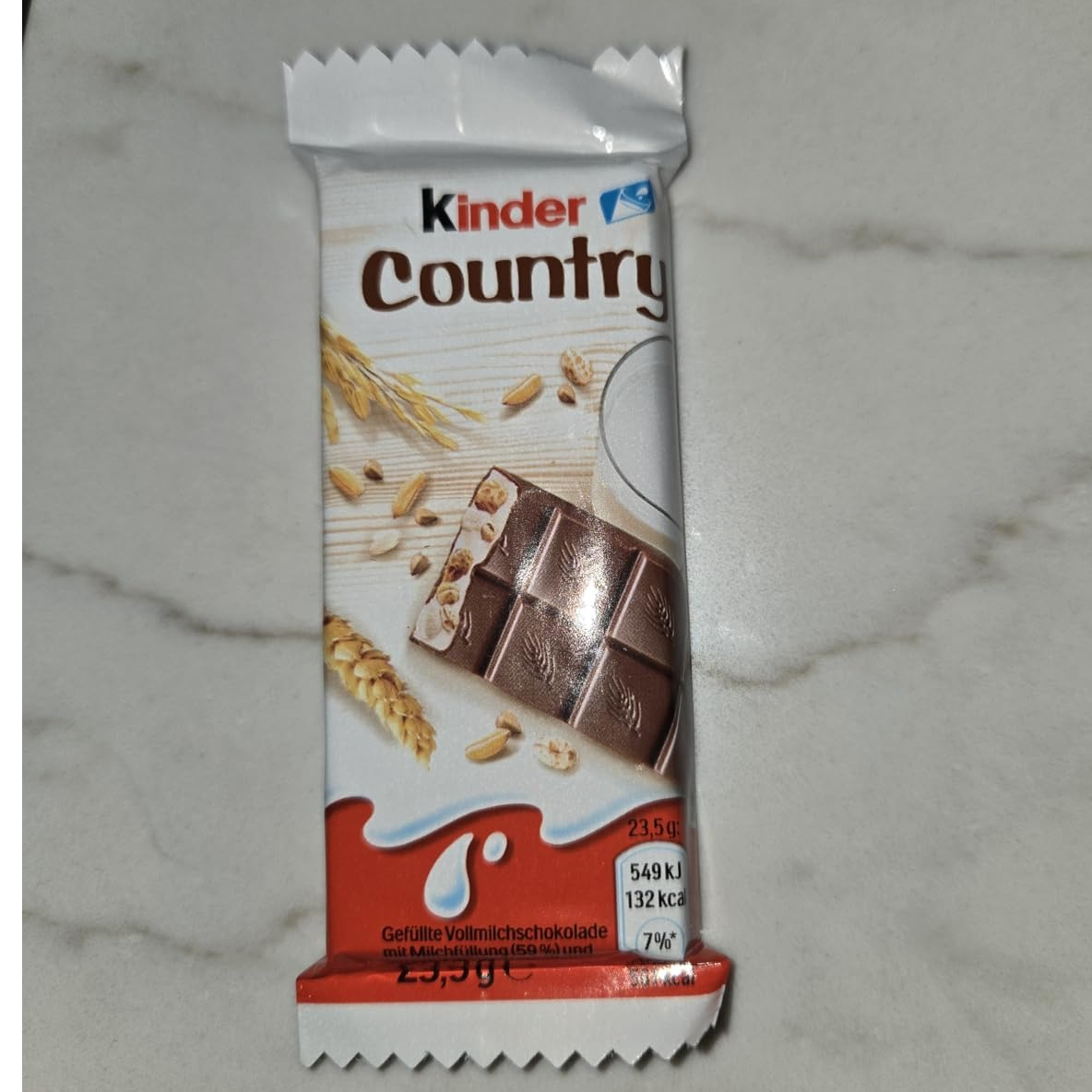
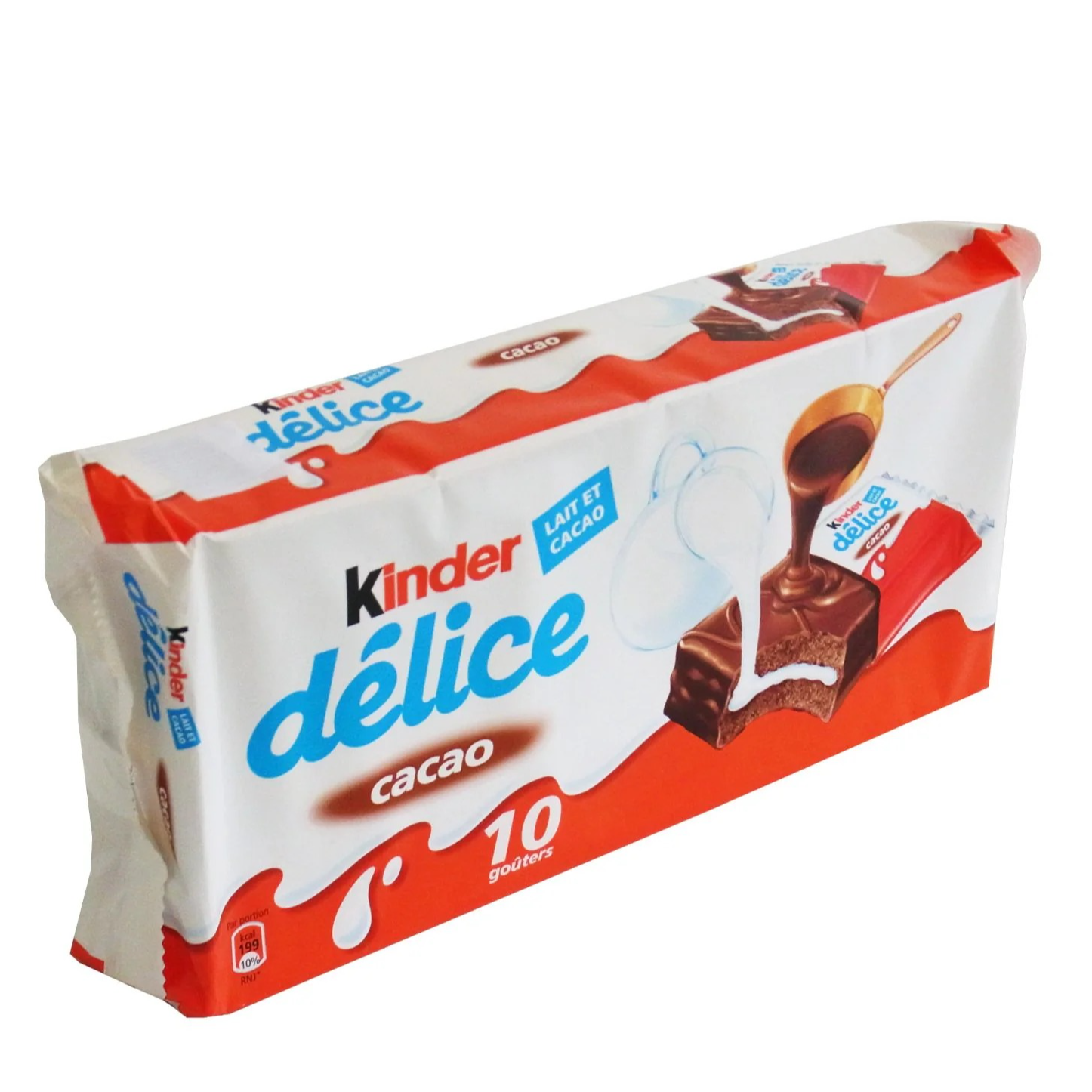
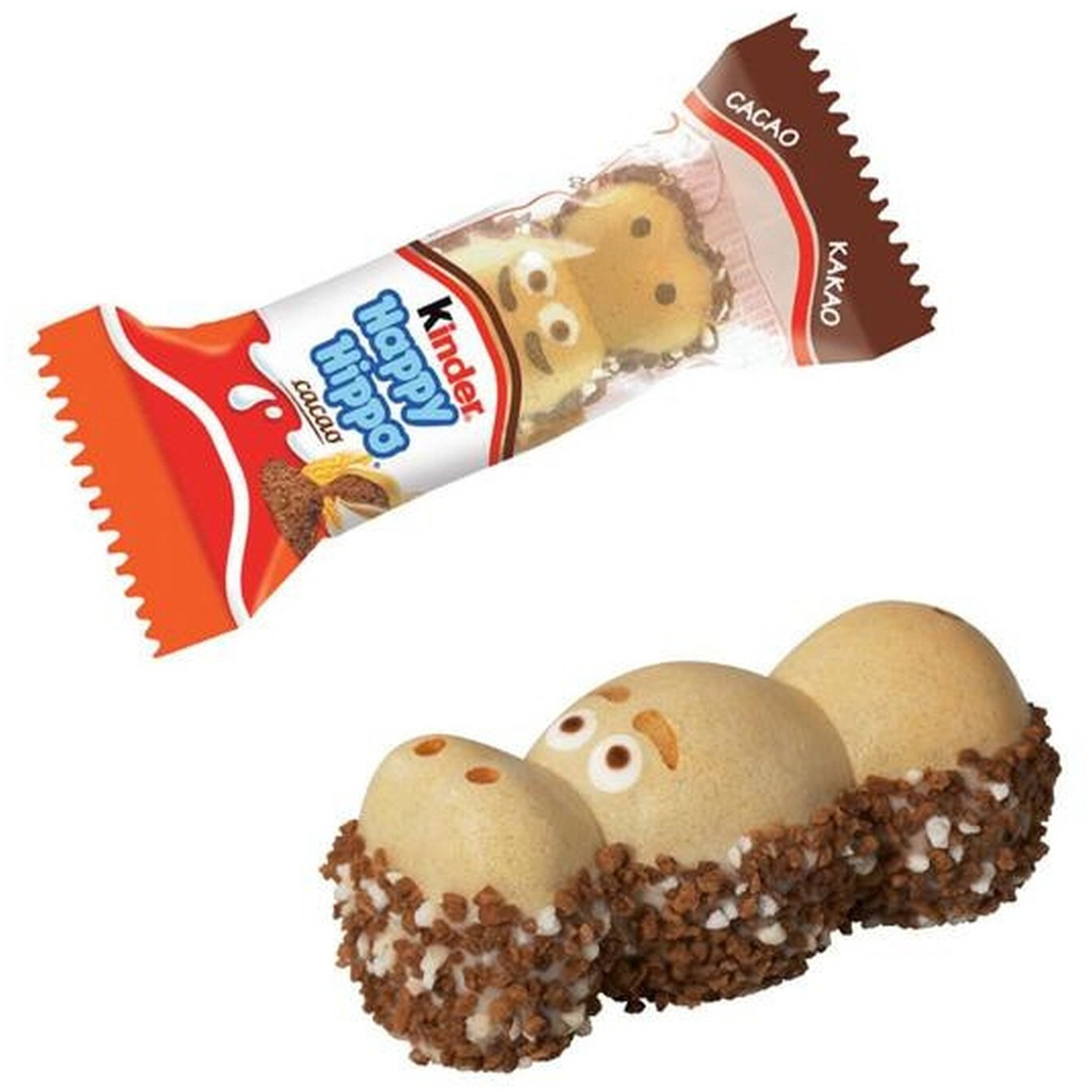
Poland, Mikstat hosts the headquarters of Fhup Prado Pawel Stasierski and the catalogue records 200 active products. The supplier lists items across the confectionery, chocolate, coffee and baby cloth diaper segments, reflecting the top categories reported such as Candies, Chocolate & Confectionery, Coffee and Baby Cloth Diapers. Each entry is paired with a specific HS code and material description, for example chocolate‑caramel mixes, wheat‑flour biscuits and coffee beans. The product set includes both branded wholesale assortments and generic bulk items, covering a range of sweet and beverage formats.
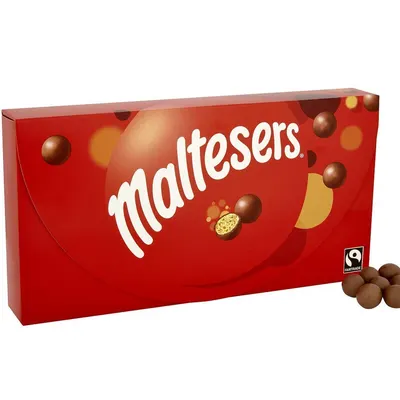
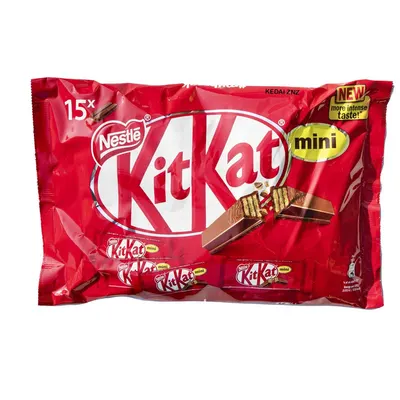
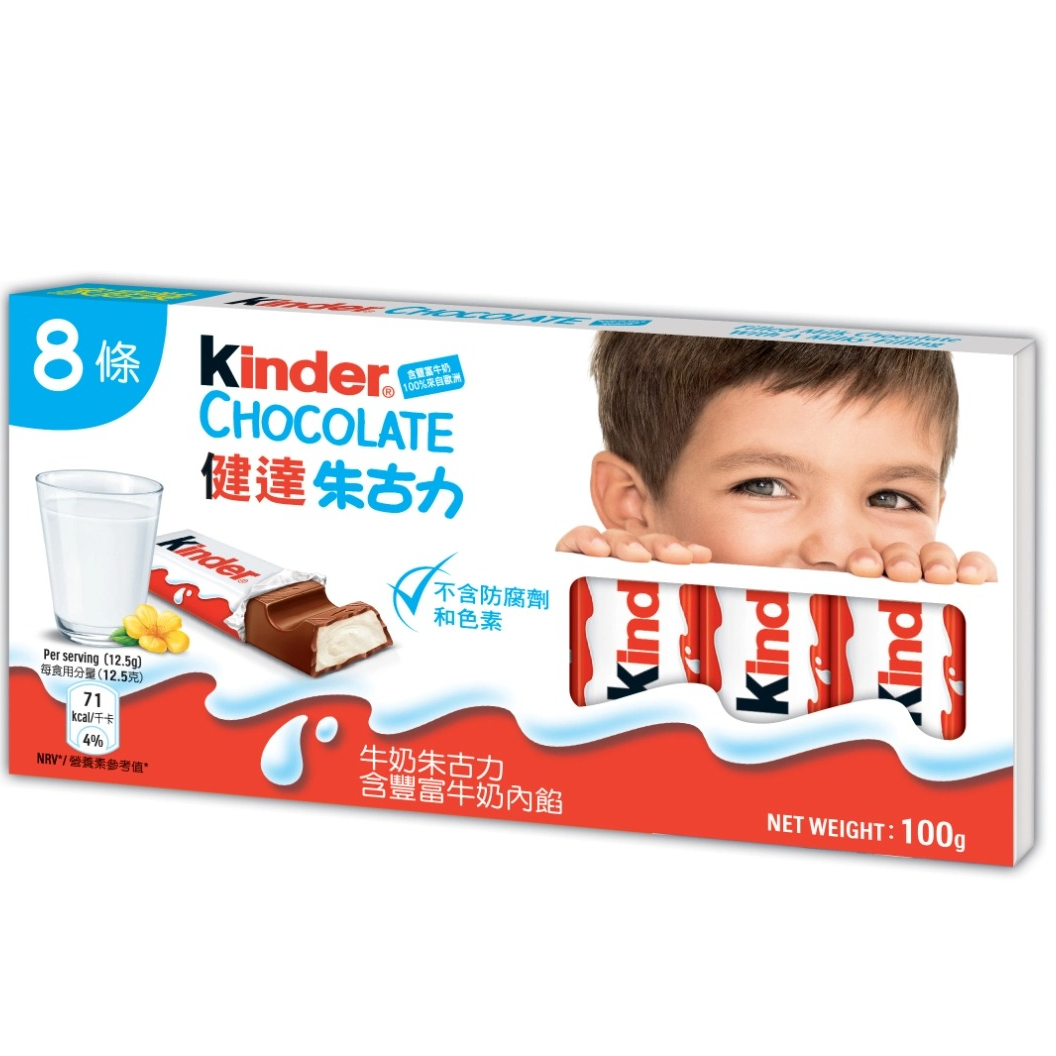
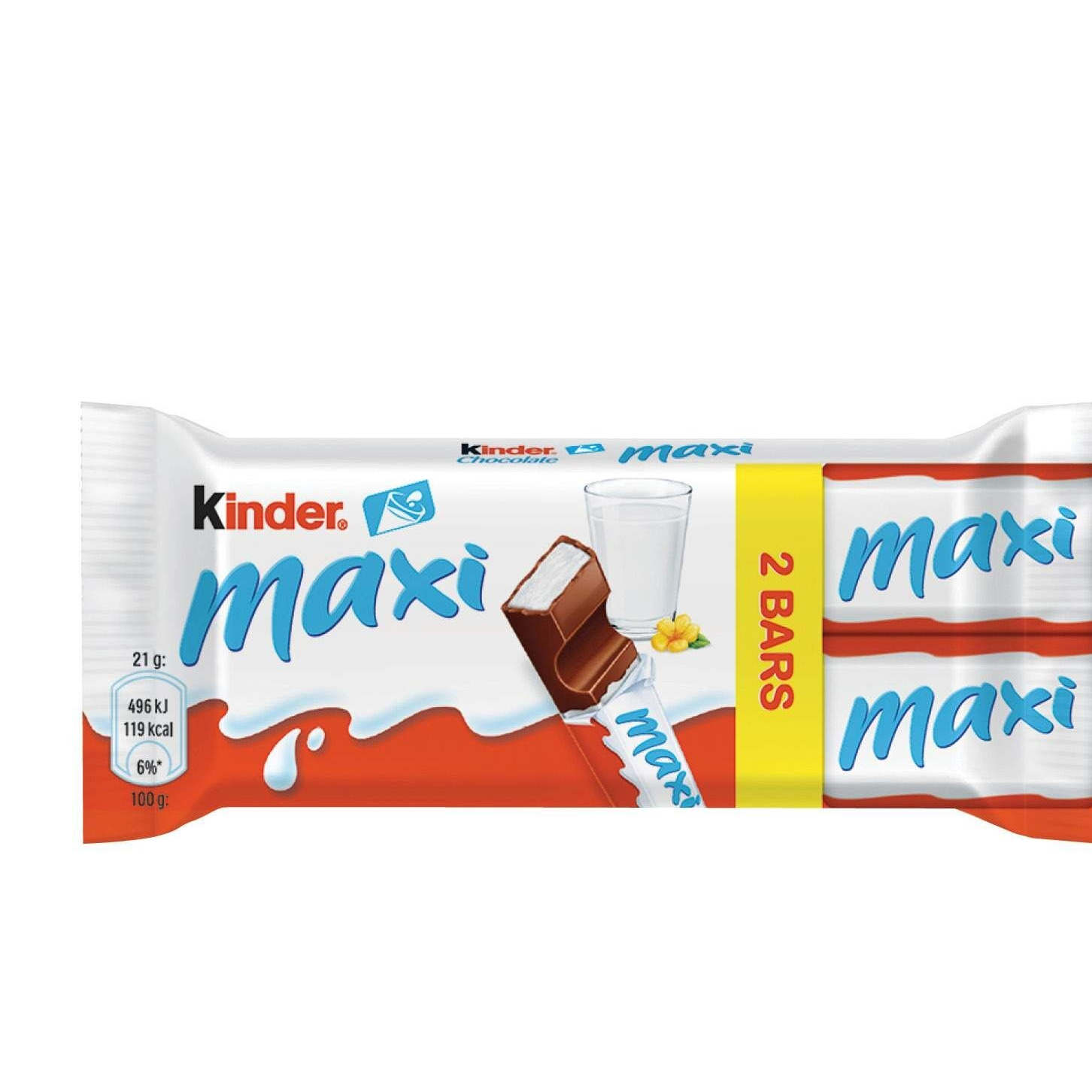
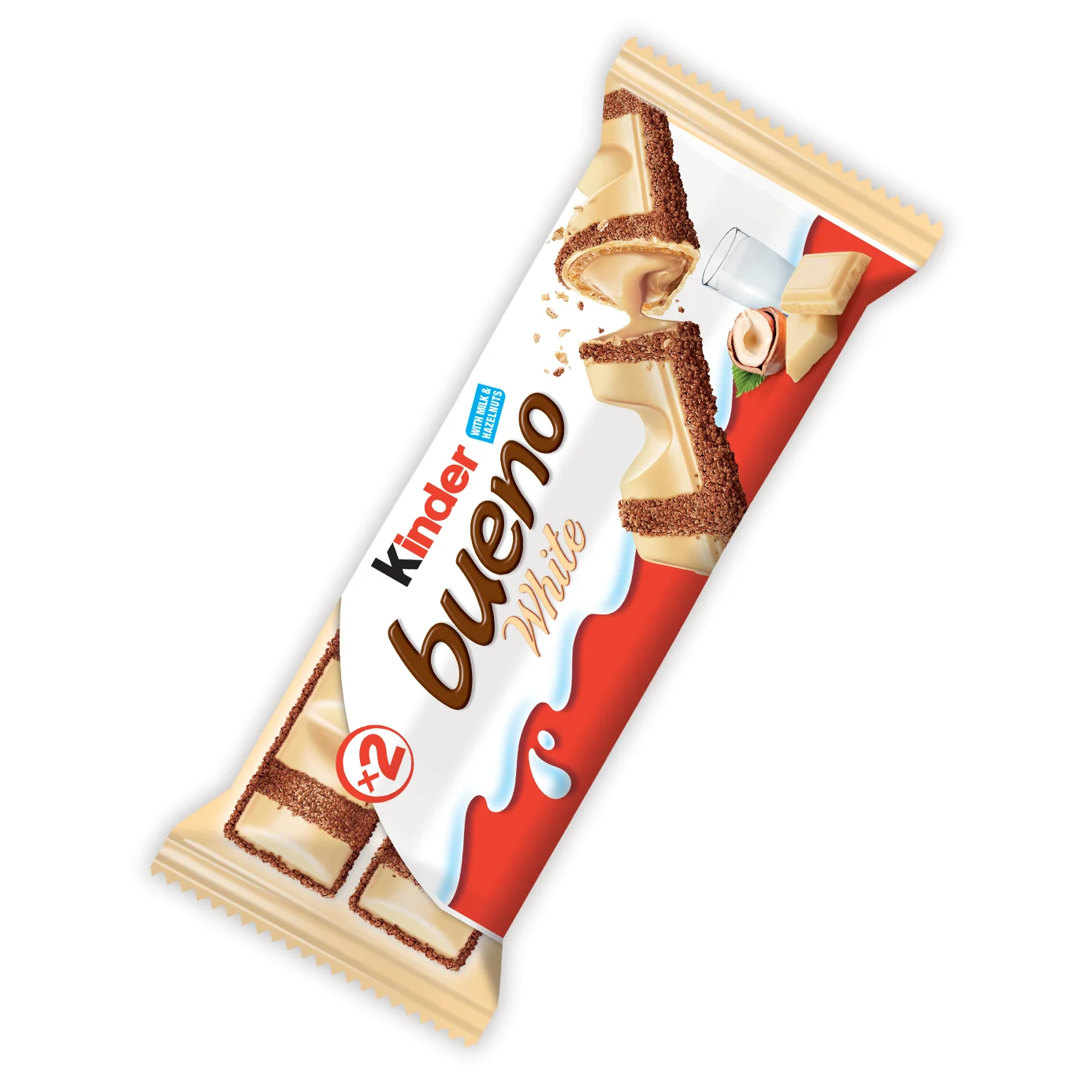
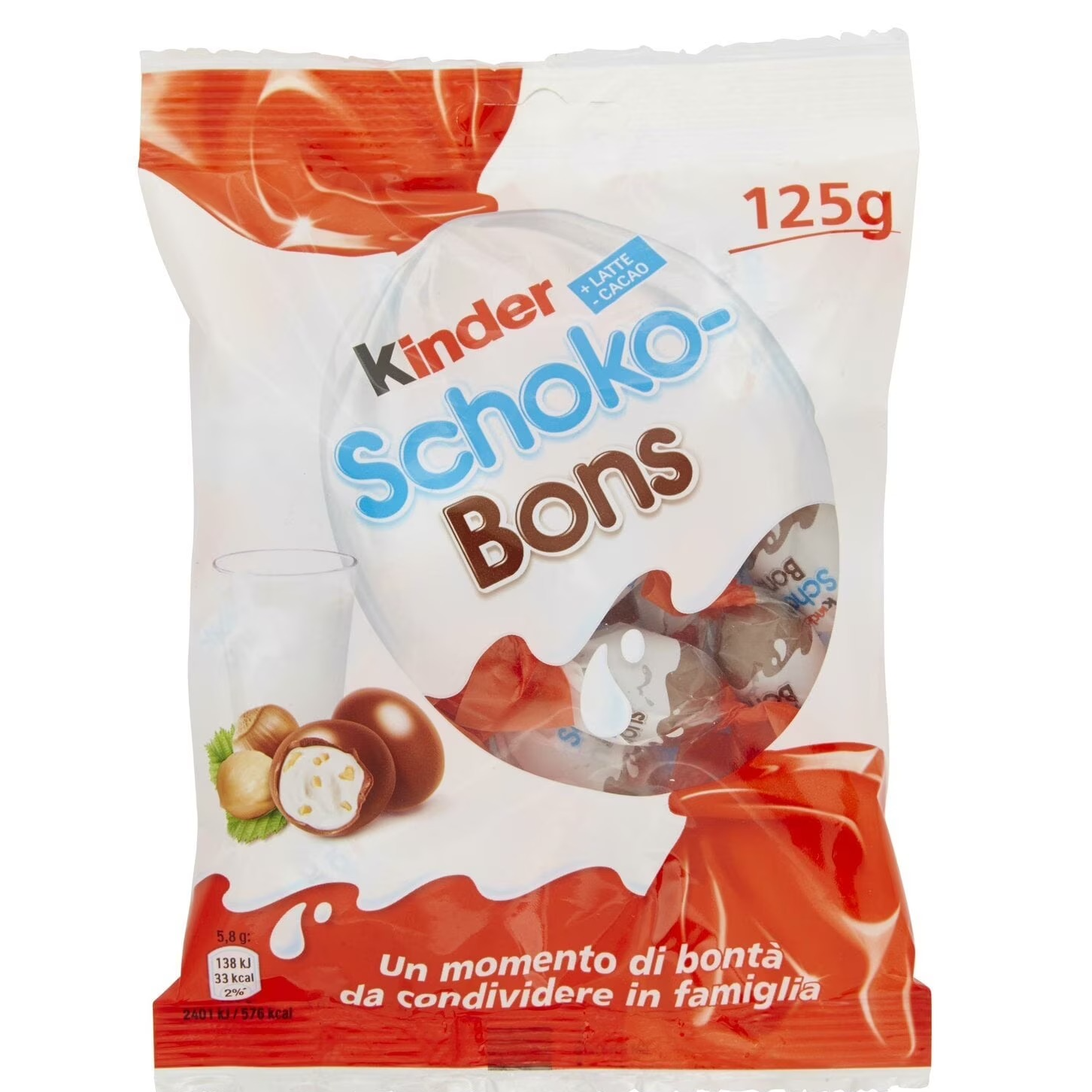
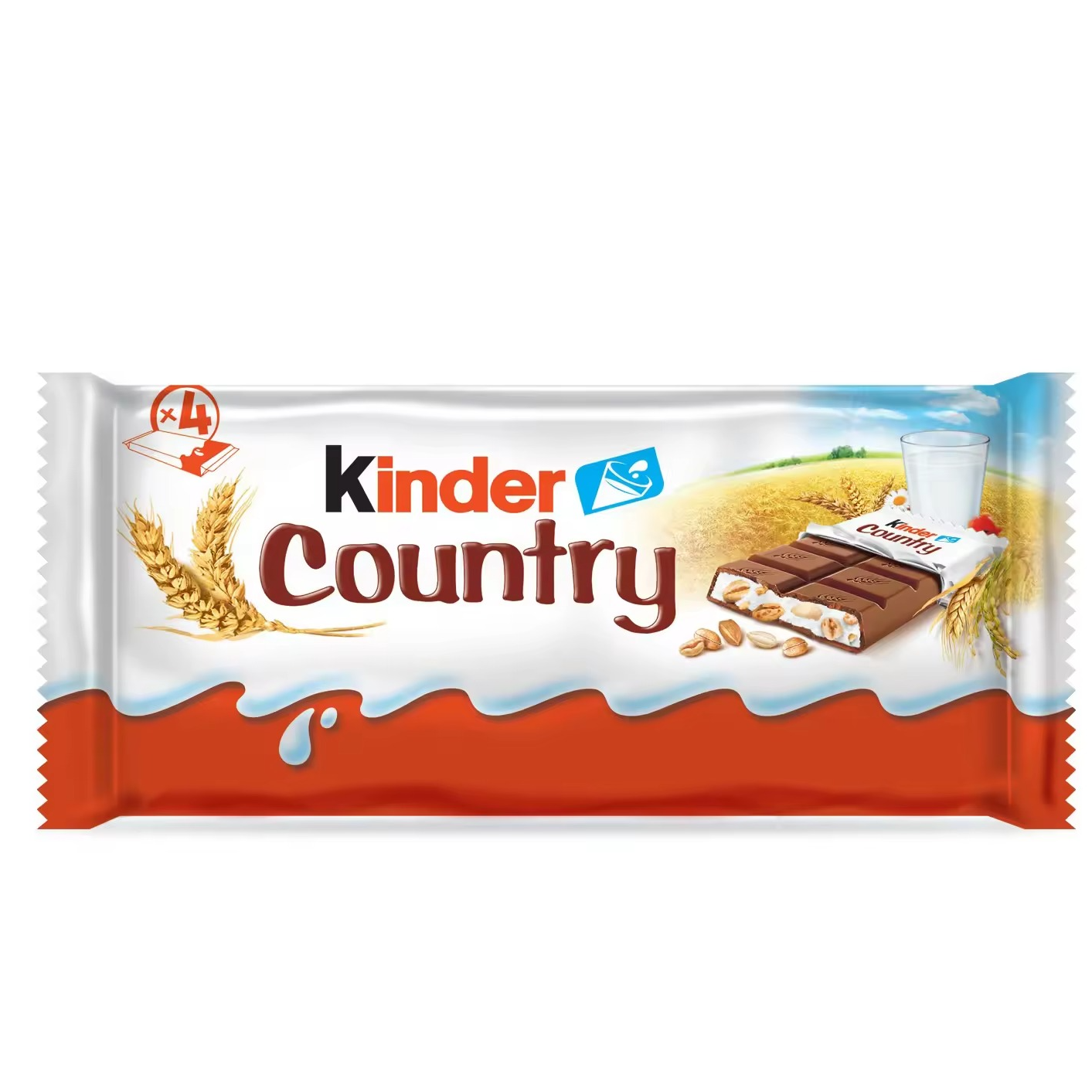
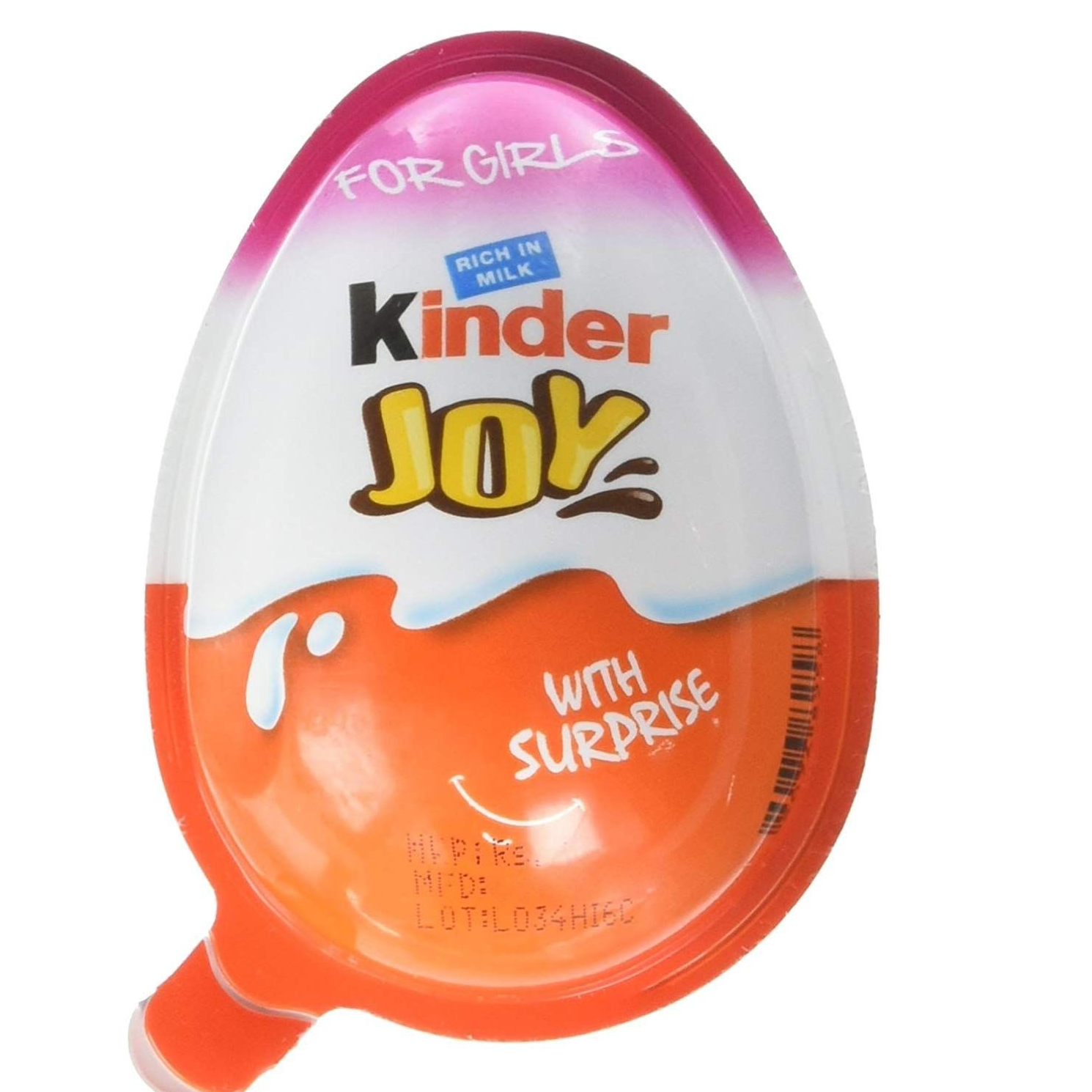
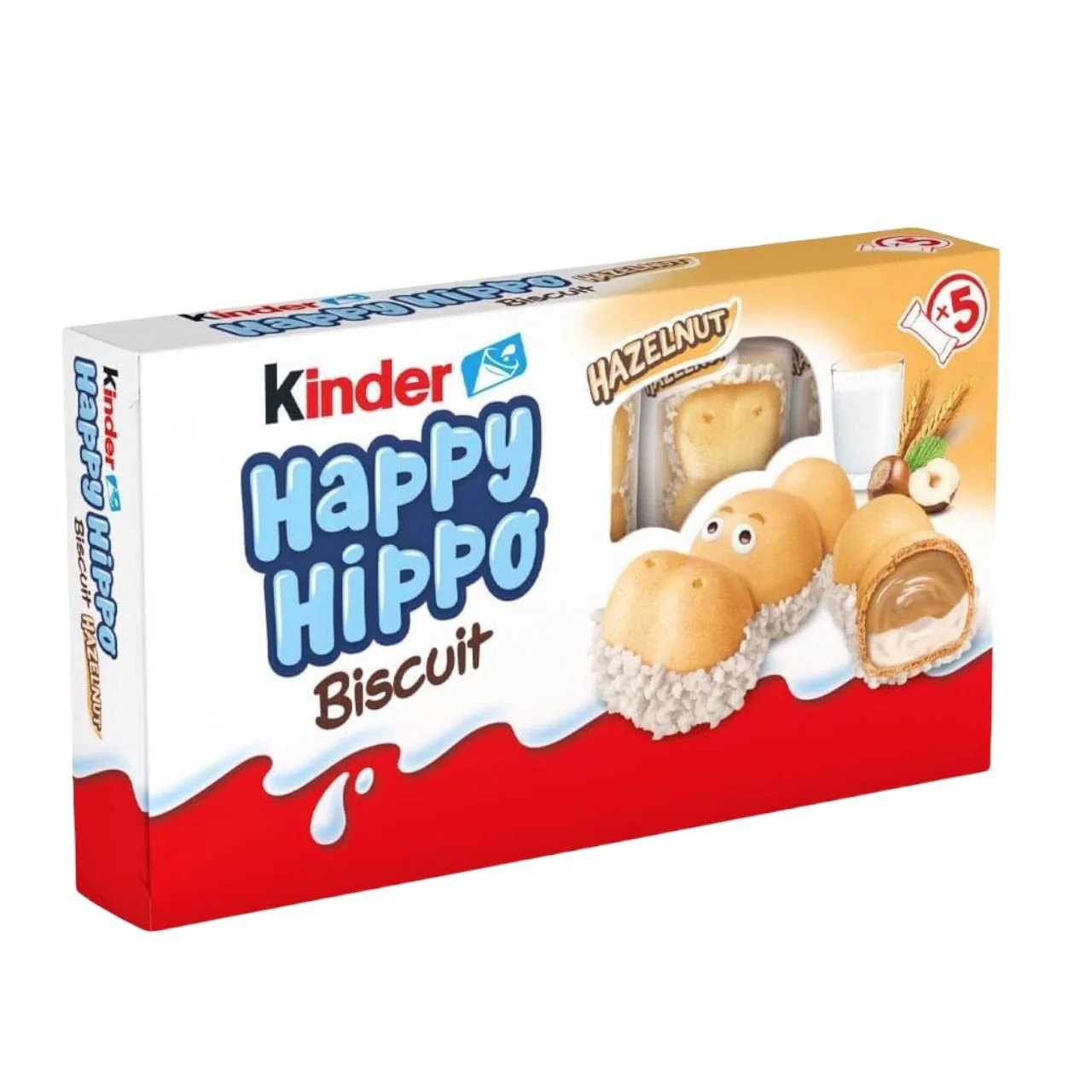
The catalogue contains entries such as "Wholesale Mars Twix Snickers Bounty Chocolates" (HS code 5000159602778, material Chocolate, Caramel), "Seasonal Promo Price Of TUC 100g" (HS code 437178003003, material Wheat flour) and "Milka Sensations Cookies" (HS code 1806.90, material Sugar, Cocoa butter, Lactose, Wheat flour, Milk fat, Sunflower oil, Rapeseed oil). Additional listings cover Kinder Joy surprise eggs (HS code 80974482), various coffee beans and ready‑to‑drink coffee variants (HS codes 80974482‑80974482977) and even infant cloth diapers. The HS codes span multiple tariff chapters, indicating a diversified product mix that includes confectionery (chapter 18), coffee (chapter 09) and textile hygiene goods (chapter 96).
Product Range and Specialties of Fhup Prado Pawel Stasierski
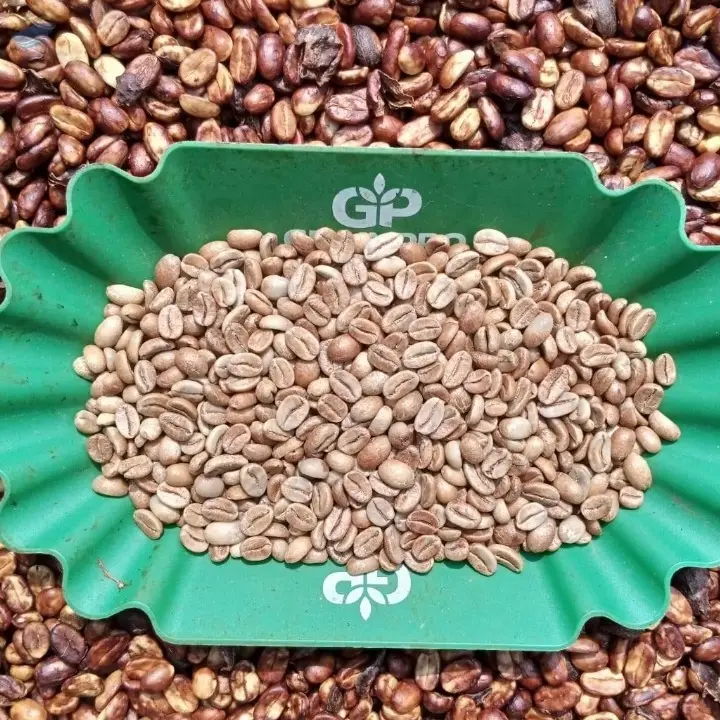
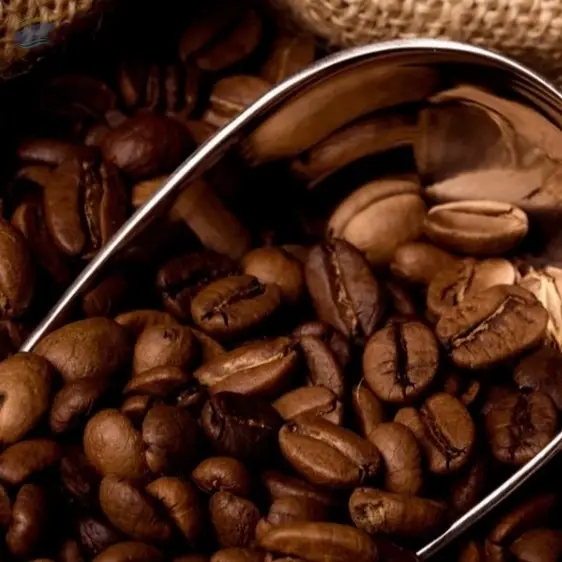
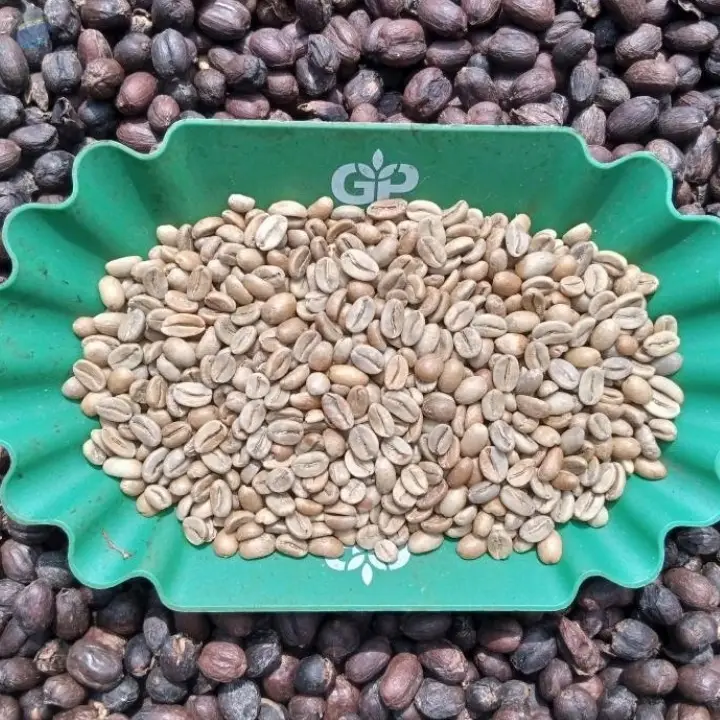
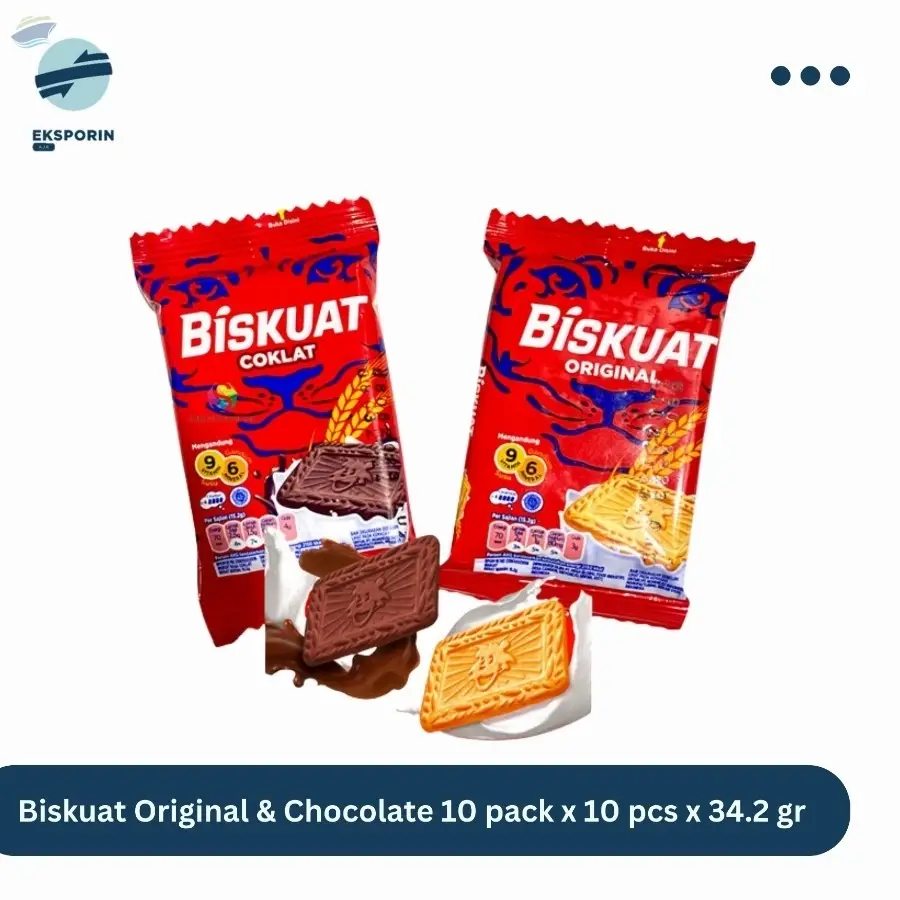
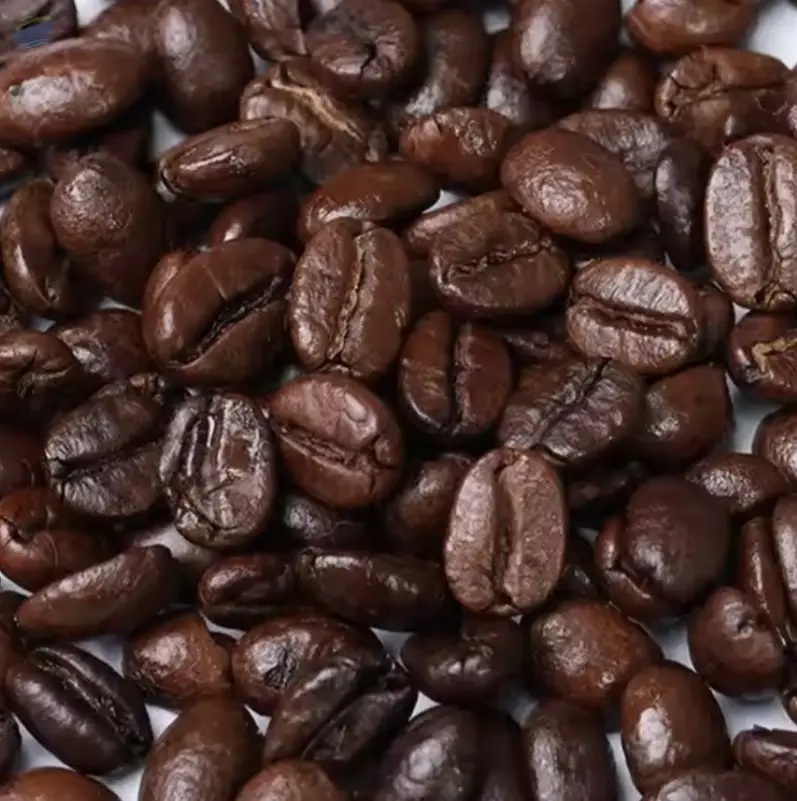
The supplier’s catalogue includes chocolate bars, caramel‑filled sweets, biscuits, coffee beans, instant coffee drinks and baby cloth diapers. Chocolate items are described with cocoa, sugar and milk components, while biscuits list wheat‑based flour, sugar and vegetable oils. Coffee entries differentiate between green beans, roasted beans and ready‑to‑drink formats, and the diaper line specifies cloth material. In the broader industry, chocolate bars are commonly graded by cocoa content (30 % - 70 %) and may meet EU‑standard 1905.90 for chocolate products. Biscuit manufacturers often target a moisture level below 5 % and a crumb hardness measured in N/mm². Coffee beans are classified by size and density, with AA and AB grades typical for Arabica, and moisture limits of 12 % for green beans. Organic‑labelled confectionery usually requires certification to EU organic regulation (Regulation 834/2007).
Trade and Export Information - Fhup Prado Pawel Stasierski
Poland is a significant exporter of confectionery and coffee within the European Union, with most shipments destined for EU member states, the United Kingdom, the United States and Middle‑East markets. HS chapter 18 (e.g., 1806.90 for biscuits) and chapter 19 (e.g., 1905 for chocolate) are routinely used for customs clearance of sweet goods, while coffee beans fall under chapter 09 (HS 0901). Buyers typically request food‑safety certifications such as ISO 22000, HACCP audit reports and, where applicable, organic certificates. Standard packaging for bulk confectionery includes multi‑layer cardboard cartons on Euro‑pallets, while ready‑to‑drink coffee is shipped in PET bottles in 20‑ft containers. Polish exporters benefit from well‑developed logistics hubs in the western region, enabling cost‑effective freight forwarding and consolidated shipments.
Exporters of Polish confectionery often align with EU food‑law labeling requirements, providing ingredient lists, allergen statements and nutritional tables on each package. Coffee shipments may be subject to phytosanitary certificates and, for organic coffee, EU organic seal verification. The supplier’s logistics base in Mikstat supports container loading of up to 24 tonnes per 40‑ft container, matching typical trade volumes for the listed product families.
Sourcing from Fhup Prado Pawel Stasierski - Buyer Guidance
When sourcing from this supplier, buyers should request the latest HACCP or ISO 22000 audit report, a copy of any organic certification and a product specification sheet that lists cocoa percentage, sugar content and moisture levels. Samples of chocolate bars, biscuits and coffee beans should be evaluated for organoleptic quality, microbial limits (e.g., total plate count < 10 000 CFU/g) and heavy‑metal residues complying with EU Regulation 1881. Verify that the HS code on the commercial invoice matches the product description to avoid customs delays. Buyers are advised to confirm minimum order quantities, which commonly start at 500 units per SKU, and to allow a lead time of four to six weeks for production and packaging before shipment.
Frequently Asked Questions About Fhup Prado Pawel Stasierski
What product categories are listed in the catalogue?
The catalogue includes chocolate bars, caramel‑filled sweets, biscuits, a range of coffee beans and ready‑to‑drink coffee drinks, as well as baby cloth diapers. Each item is paired with a specific HS code and material description.
Which HS codes apply to the chocolate products?
Chocolate items are listed under HS codes beginning with 5000… and 1905, which correspond to the tariff chapters for cocoa products and chocolate confectionery. The exact code for each SKU is provided in the catalogue.
What quality specifications are typical for the coffee beans?
Buyers usually require Arabica beans graded AA or AB, moisture content below 12 %, and a cupping score of at least 80. Compliance with EU pesticide residue limits is also standard.
Is the supplier able to provide organic certification?
The supplier is classified in the organic tier, so buyers should request a current EU organic certificate or equivalent documentation before confirming orders.
How are the biscuits and chocolate packaged for export?
Biscuit packs are typically sealed in multi‑layer cardboard boxes, often placed on Euro‑pallets for container loading. Chocolate bars are usually wrapped in foil and boxed, with bulk shipments using insulated cartons to protect against temperature variation.
What are the typical minimum order quantities and lead times?
Minimum order quantities generally start at 500 units per SKU, although bulk coffee beans may be ordered in 20 kg bags. Lead time from sample approval to shipment is commonly four to six weeks.
Which regions import these goods from Poland?
Key import markets include EU member states, the United Kingdom, the United States and several countries in the Middle East. These regions regularly source Polish confectionery and coffee for retail and food‑service channels.





 , Poland