Nextgen Steel & Alloys — Supplier
About Nextgen Steel & Alloys - Stainless Steel Pipes & Pipe Fittings Supplier in India
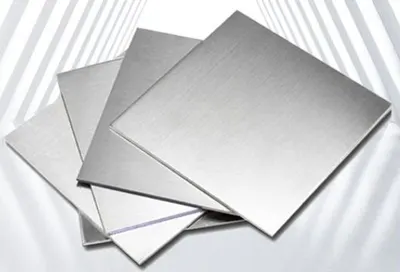
India is the origin country for Nextgen Steel & Alloys, which currently lists five stainless‑steel products in its catalogue. The active product count of five includes stainless steel pipes, flanges, seamless and welded butt‑weld fittings, screwed and socket‑weld forged steel fittings, and stainless steel sheets. The catalogue groups the items under the top categories of Stainless Steel Pipes & Pipe Fittings, Flanges, and Stainless Steel Sheets. The stainless steel sheets entry specifies HS code 7219.31 and material as stainless steel 304/316L in various grades.
The pipe and fitting entries are described generically without HS codes, but they fall within the standard HS chapter 73 for iron and steel pipes. Flanges are listed as a separate product line, aligning with HS chapter 73‑08 for pipe fittings and flanges. All products are indicated as stainless‑steel, matching the material description for the sheet entry. The supplier is classified as an imported tier with a harbor trust tier, indicating it operates through Indian export channels.
Product Range and Specialties of Nextgen Steel & Alloys
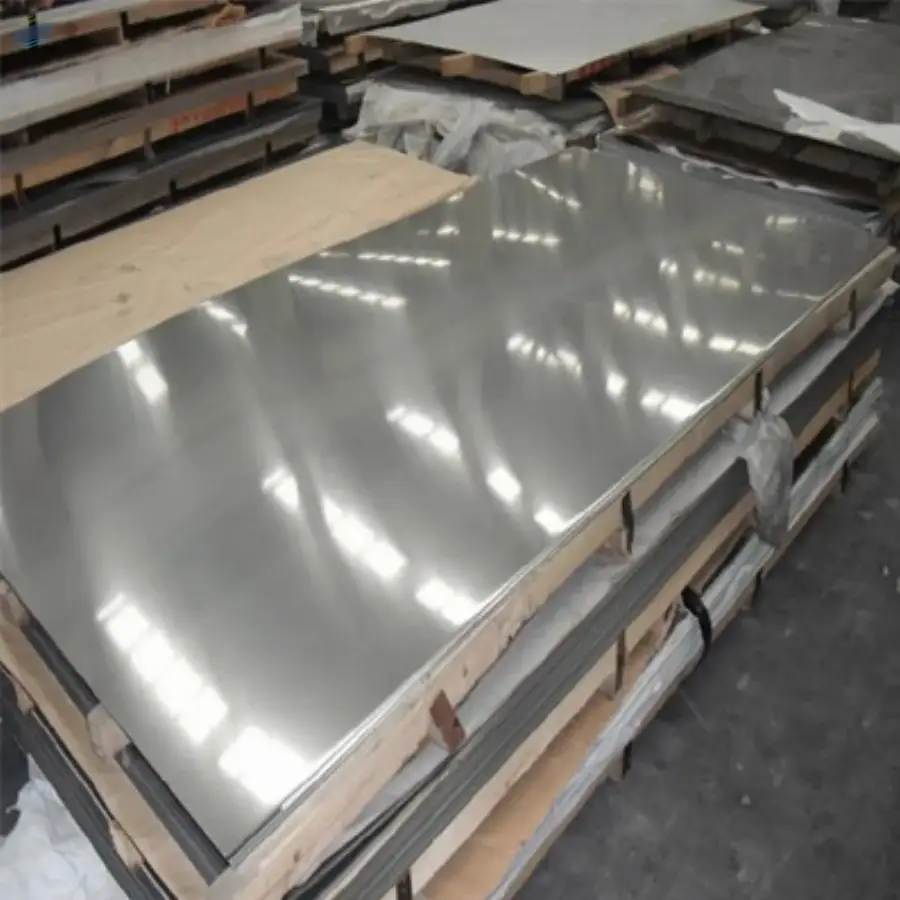
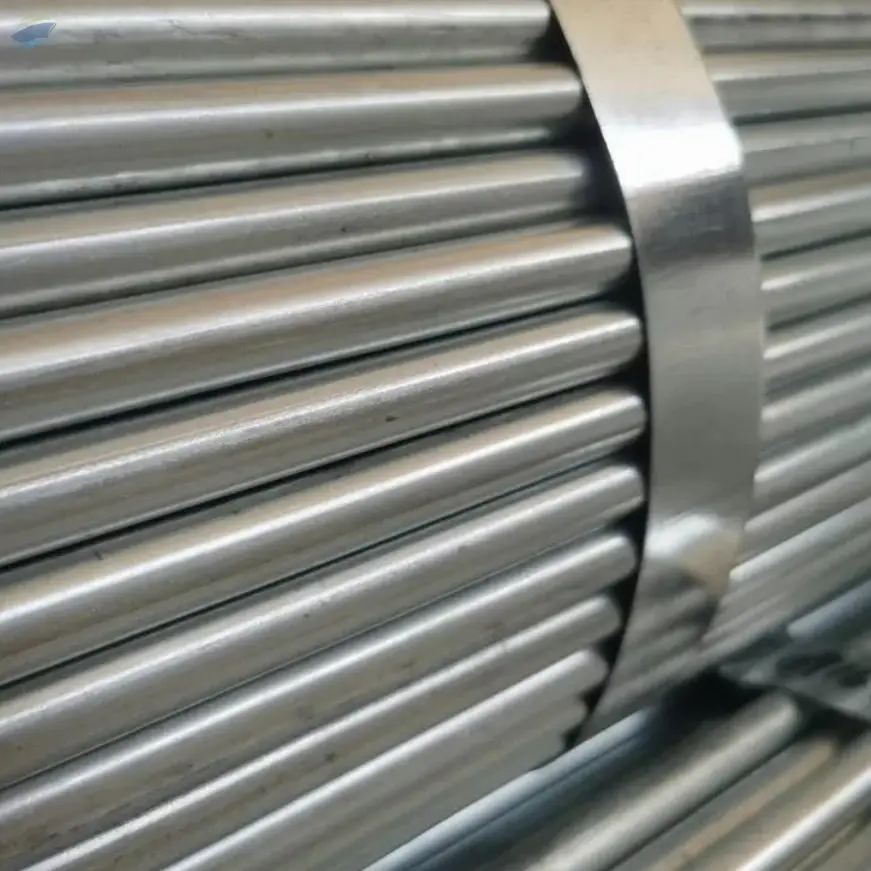
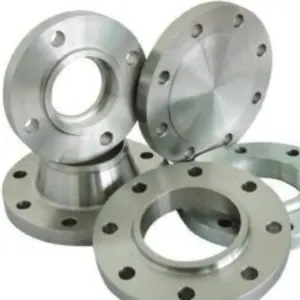
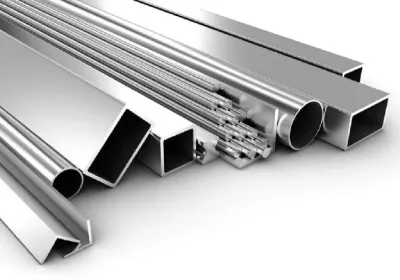
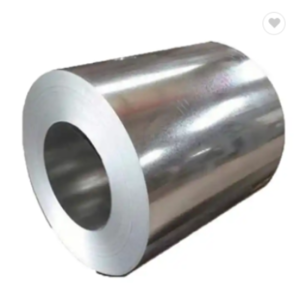
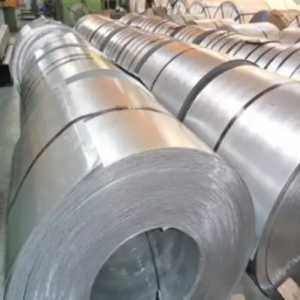
Nextgen’s catalogue offers stainless steel pipes, both seamless and welded butt‑weld fittings, as well as screwed and socket‑weld forged steel fittings. In the stainless‑steel pipe market, buyers typically specify grades 304, 304L, 316, or 316L, conforming to ASTM A312 or A403 standards, with diameters ranging from ½ in to 24 in and wall thicknesses defined by schedule numbers. Flanges listed by the supplier correspond to standard pressure classes such as Class 150, 300, and 600 under ASME B16.5 or B16.47, with bolt‑circle dimensions and face types (raised‑face, flat‑face) commonly required. The stainless steel sheets entry (HS 7219.31) indicates 304/316L grades, which are usually supplied in coil or plate form with thicknesses from 0.5 mm to 25 mm and widths up to 2 m.
Industry practice for these products includes certification to ISO 9001 quality management, mill test reports that detail chemical composition and mechanical properties, and compliance with ASTM, EN, or JIS standards depending on the destination market. Typical packaging involves bundling pipes in wooden crates, stacking sheets on palletized frames with protective film, and using steel drums or boxes for fittings. Shipping is most often arranged in 20‑ft or 40‑ft containers, with full‑load or less‑than‑container‑load options based on order size.
Trade and Export Information - Nextgen Steel & Alloys
India ranks among the top global exporters of stainless‑steel pipe and sheet products, with major ports such as Mumbai, Chennai, and Mundra handling bulk shipments. Export destinations commonly include the Middle East (UAE, Saudi Arabia), Southeast Asia (Vietnam, Thailand), Europe (Germany, United Kingdom) and North America, where construction, oil‑and‑gas, shipbuilding, and automotive sectors source these materials. HS chapter 73 covers the pipes and fittings, while HS 7219.31 is the specific code for stainless‑steel sheets, and customs authorities often require a mill test certificate and a commercial invoice stating the exact grade and dimensions.
Buyers usually request compliance documents such as ISO 9001 certification, CE marking for European markets, and ASTM or EN standard test reports. Packaging norms for international trade include wooden pallets treated according to ISPM 15, moisture‑resistant wrapping for sheets, and corrosion‑resistant coating for fittings when required. Incoterms such as FOB Mumbai or CIF Dubai are typical, with container loading plans that account for the weight of stainless‑steel (approximately 7.9 t per 40‑ft container for sheet coils).
Sourcing from Nextgen Steel & Alloys - Buyer Guidance
When sourcing from Nextgen Steel & Alloys, buyers should obtain the mill test report for each grade, confirming chemical composition (e.g., 18‑20 % Cr for 304, 16‑18 % Cr and 10‑14 % Ni for 316L) and mechanical properties such as tensile strength and elongation. It is advisable to request a product data sheet that lists dimensions, schedule, pressure class, and surface finish (e.g., pickled‑and‑oiled or passivated). Samples of pipe ends, flange face, or sheet cut‑outs help verify surface quality and dimensional tolerance before committing to larger volumes.
Typical minimum order quantities range from a single 20‑ft container for sheet coils to 5 t for pipe or fitting orders, but exact MOQ should be clarified per product. Lead times in the Indian stainless‑steel sector are generally 4‑6 weeks after receipt of a confirmed purchase order and required documentation. Buyers should also verify that the shipment will be packed on ISPM‑15‑treated pallets and that the commercial invoice correctly cites the HS codes 7219.31 for sheets and the appropriate 7304/7308 codes for pipes and flanges.
Frequently Asked Questions About Nextgen Steel & Alloys
What stainless‑steel grades does Nextgen provide for its pipes and sheets?
The catalogue specifies stainless‑steel 304/316L for sheets and, by industry practice, the pipe and fitting lines are offered in the same grades, typically conforming to ASTM A312 (304/316) or A403 (316L).
Which HS codes apply to the products listed by Nextgen?
The stainless‑steel sheet entry uses HS code 7219.31; pipes and fittings fall under HS chapter 73, commonly HS 7304 for pipes and 7308 for flanges and fittings.
What certifications should a buyer request from Nextgen before purchasing?
Buyers should ask for an ISO 9001 quality‑management certificate, a mill test report for each grade, and any relevant ASTM, EN, or CE compliance documents required by the destination market.
What are the typical packaging methods for the stainless‑steel sheets and pipes?
Sheets are usually coiled or plated on palletized frames wrapped in moisture‑resistant film; pipes and fittings are bundled in wooden crates or steel drums, all placed on ISPM‑15‑treated pallets for export.
What are the common minimum order quantities and lead times?
Sheet orders often start at one 20‑ft container (≈7 t), while pipe or fitting orders start around 5 t; lead times are generally 4 - 6 weeks after order confirmation and receipt of required documents.
Which Incoterms are most frequently used for shipments from India?
FOB from major Indian ports such as Mumbai or Chennai and CIF to regional hubs like Dubai are commonly used in the stainless‑steel trade.
How can a buyer verify the material specifications before placing a large order?
Request a mill test report and a product data sheet, obtain a physical sample for visual and dimensional inspection, and confirm that the commercial invoice lists the correct HS code, grade, size, and finish.




 , India





.jpg.png)