Metro Premium Group Sdn Bhd — Verified Trader & Wholesale Supplier
About Metro Premium Group Sdn Bhd - Steel Coils Supplier in Malaysia
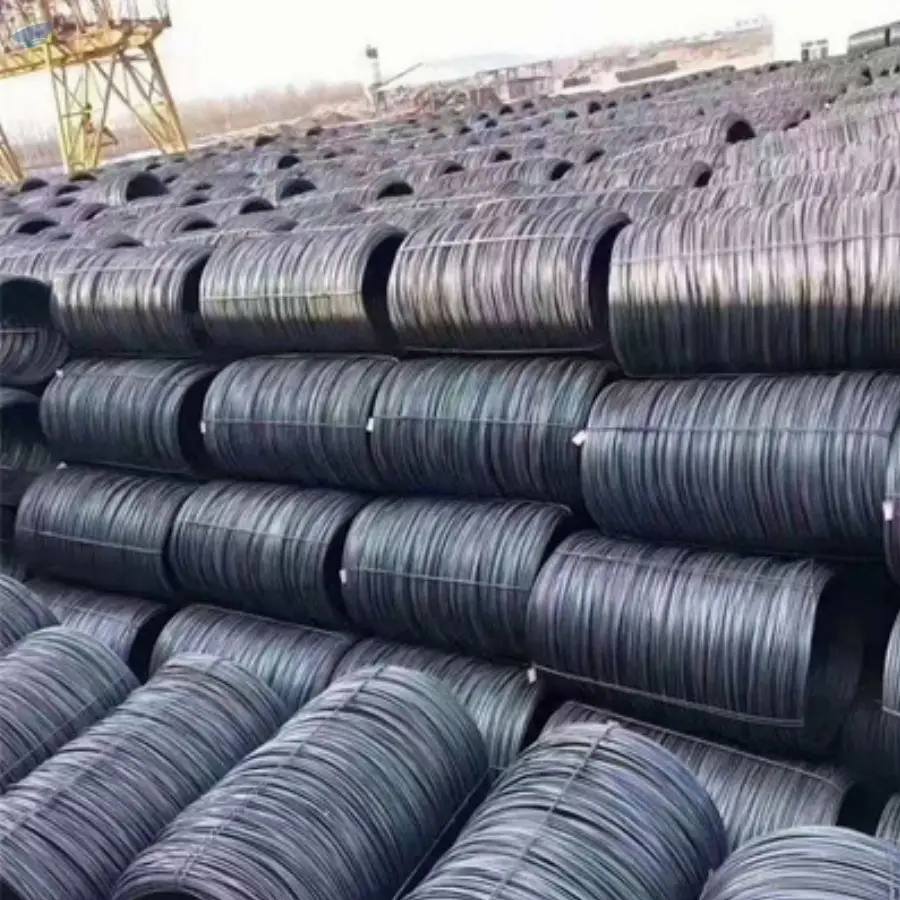
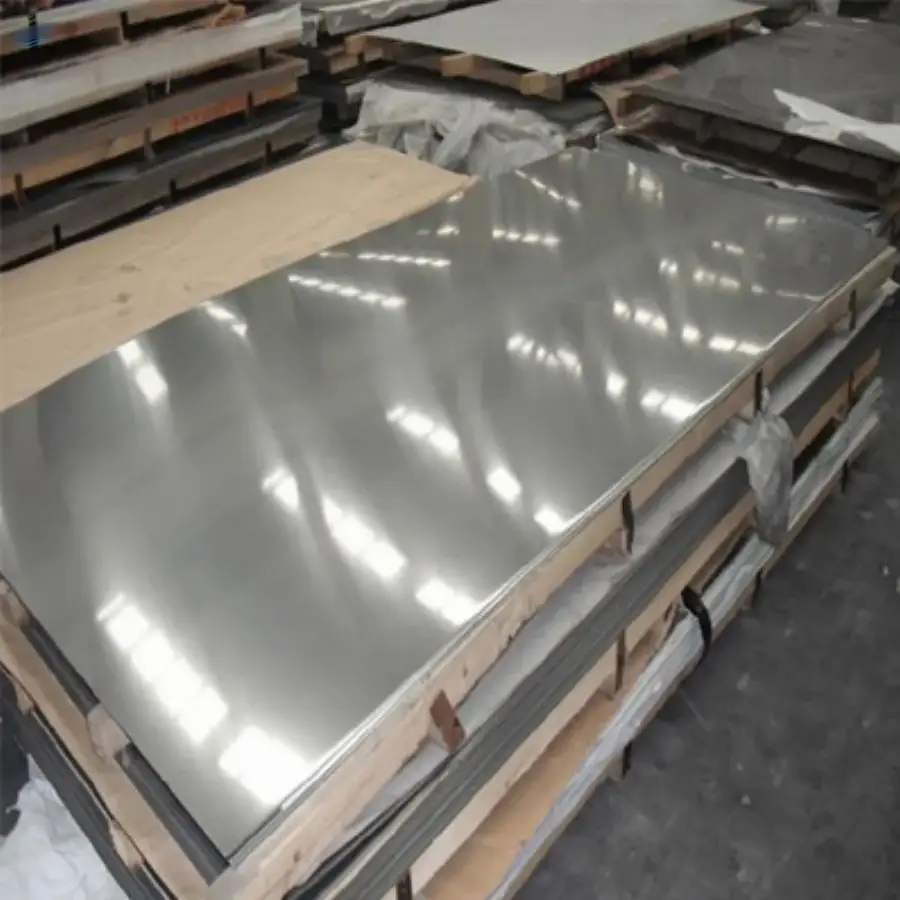
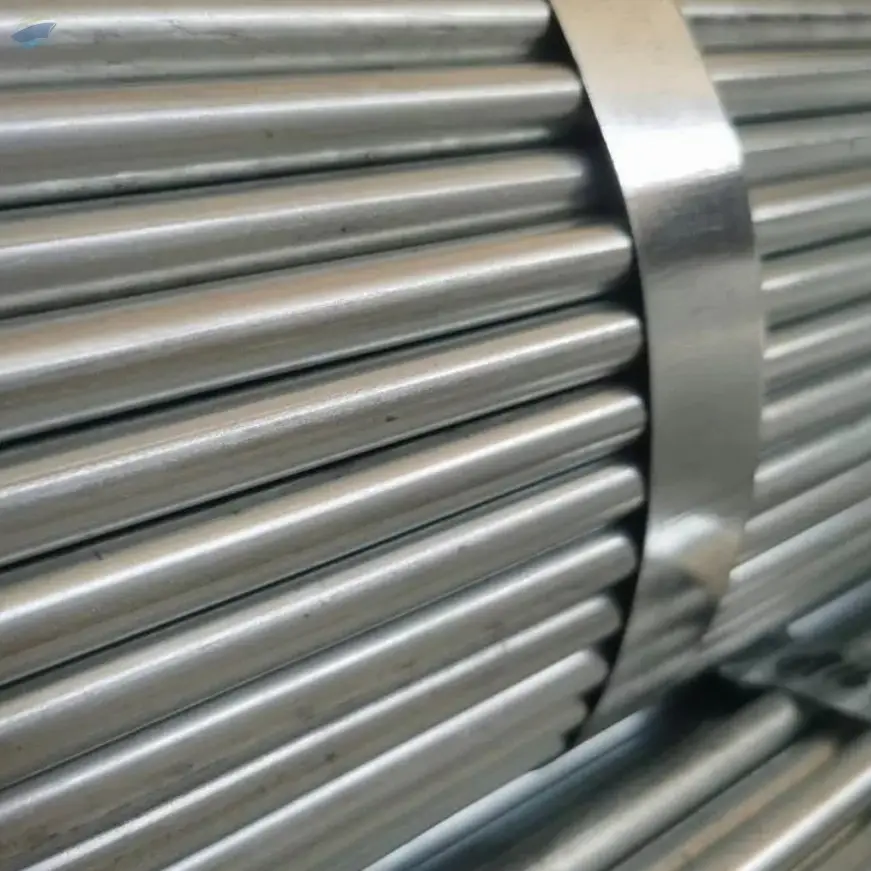
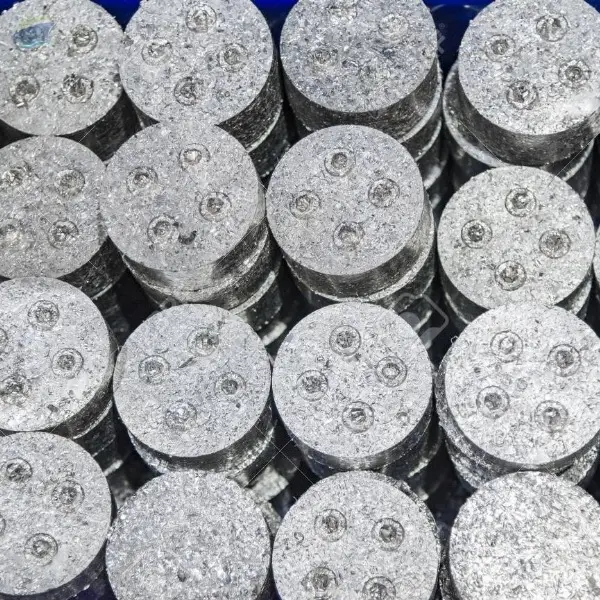
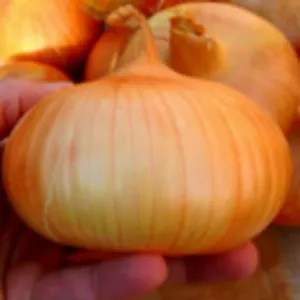
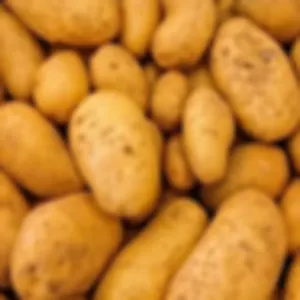
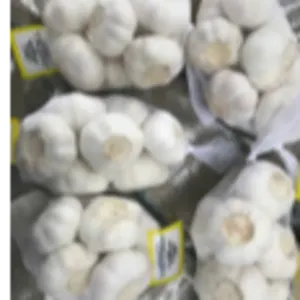
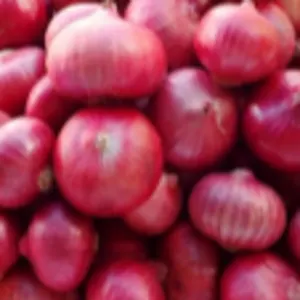
Metro Premium Group Sdn Bhd is based in the Federal Territory of Kuala Lumpur, Malaysia, and lists 20 distinct products in its catalogue. The catalogue covers a mixture of metal coils - including electro‑galvanized, galvannealed, hot‑dip galvanized, cold‑rolled, pre‑painted, galvalume and stainless steel coils - as well as aluminium ingot, steel billets, and ferrous scrap. Each steel coil entry references HS chapters in the 7200‑7210 range, for example electro‑galvanized coil is classified under HS 7210.30 and cold‑rolled coil under HS 7209.15. The company also offers agricultural items such as dehydrated Indian red onion (HS 0712.20), pure white garlic (HS 0712.80), fresh potatoes (HS 0701.90) and RBD palm oil (HS 1511.90).
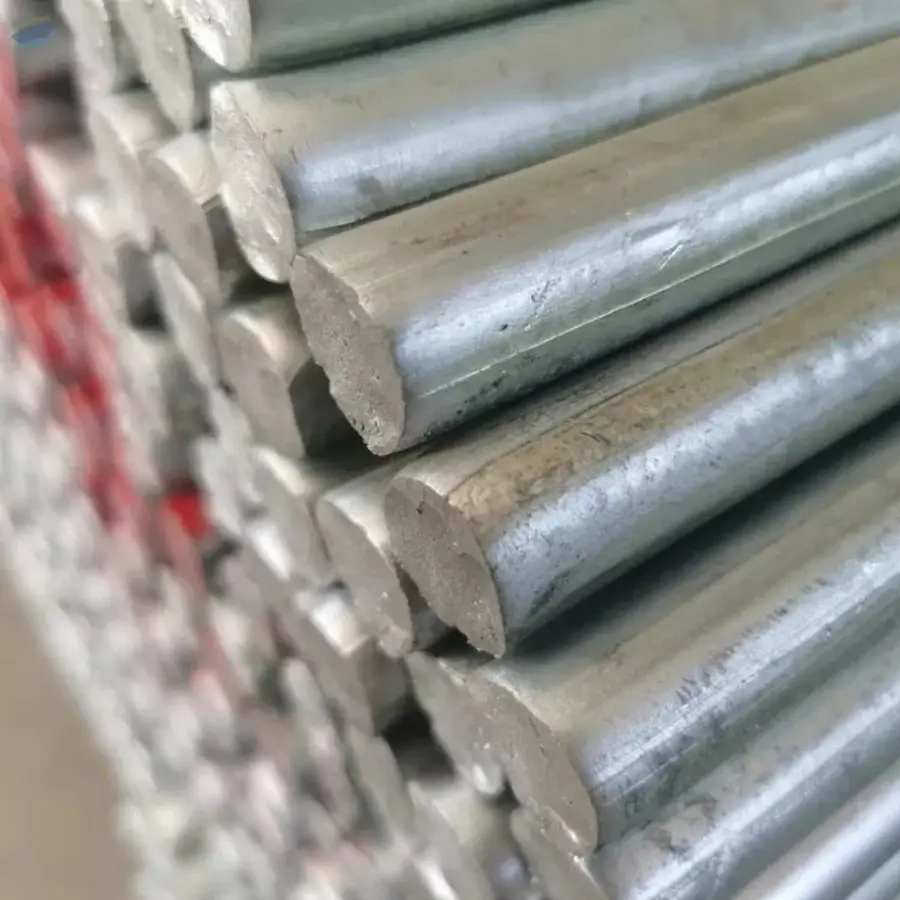
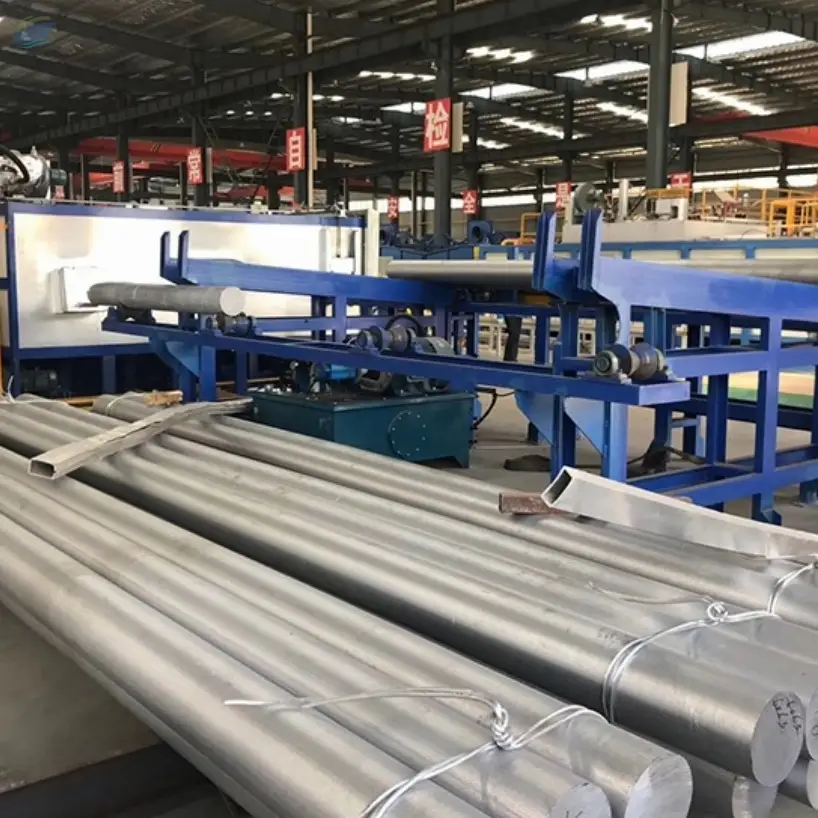
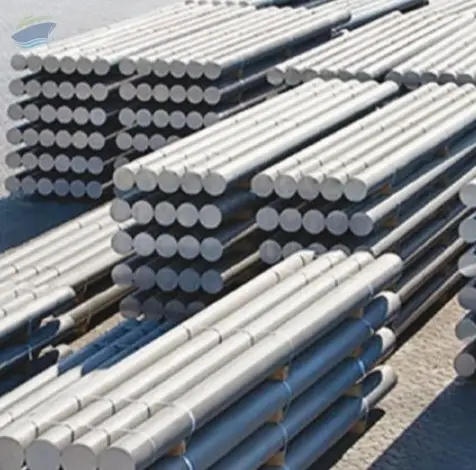
Among the metal offerings, the company lists ten steel coil variants, each tied to a specific HS code and coating specification, such as hot‑dip galvanized steel (HS 7210.49) with zinc coating ranging from Z80 to Z275 g/m2. Stainless steel coils are offered in grades 304, 316 and 430 under HS 7219.11. The aluminium ingot (HS 7601.20) is supplied as ADC12/LM24 alloy, while the steel billet (HS 7207.11) conforms to carbon content 0.05‑0.25 % and manganese 0.30‑0.90 %. The agricultural line includes five fresh or dehydrated vegetable products and one edible oil, each identified by the relevant HS chapter 07 or 15. The catalogue therefore spans both industrial raw materials and food commodities, reflecting the supplier’s diversified export portfolio.
Product Range and Specialties of Metro Premium Group Sdn Bhd
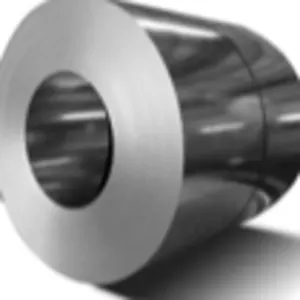
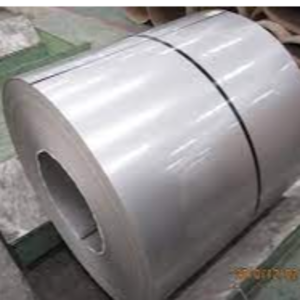
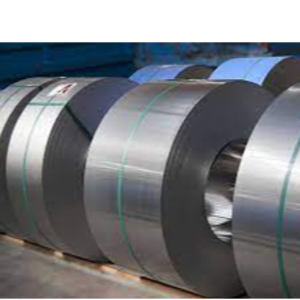
The steel coil portfolio includes electro‑galvanized, galvannealed, hot‑dip galvanized, cold‑rolled, pre‑painted, galvalume and stainless steel variants. In international trade, electro‑galvanized coils are typically produced to meet ISO 1461 surface coating thickness of 30‑80 µm, while galvannealed products commonly target a zinc‑iron alloy coating of 30‑45 µm. Hot‑dip galvanized coils are usually supplied with zinc coating weights between Z80 and Z275 g/m2, meeting ASTM A123 specifications. Cold‑rolled carbon steel coils are classified under the SPCC/SPCD/SPCE grades, with thicknesses from 0.2 mm to 3 mm and tensile strength 270‑400 MPa. Pre‑painted coils often use a DX51D or SGCC base steel with a baked enamel finish, conforming to JIS G3112 for Zn‑100 to Zn‑275 coating. Galvalume sheets combine an Al‑55 %/Zn‑43.5 % alloy coating, commonly complying with JIS G3131. Stainless steel coils in grades 304, 316 and 430 meet ASTM A240 standards for corrosion resistance.
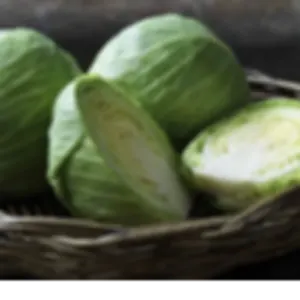
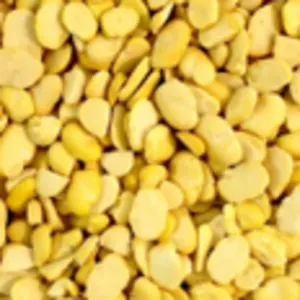
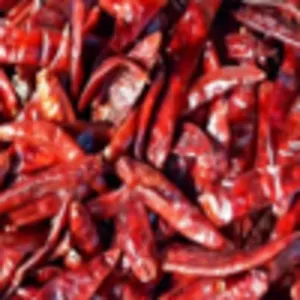
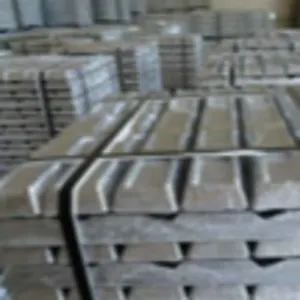
The non‑steel offerings comprise aluminium ingot ADC12/LM24 alloy, generally supplied in 10 ton blocks and conforming to EN 573‑3 composition limits. Steel billets fall under the standard carbon steel billet specifications (EN 10244), used as feedstock for rolling mills. Ferrous scrap is categorized under HS 7204.10 and is typically graded by cleanliness and alloy content. The agricultural products - onion, garlic, potatoes, dried chili, split lentils, cabbage and palm olein - are standard export commodities from Malaysia, with quality grades such as ICUMSA for palm oil (typically 45 % - 55 % iodine value) and moisture content below 12 % for dried spices. These items are usually packed in 20 ft containers for bulk shipment.
Trade and Export Information - Metro Premium Group Sdn Bhd
Malaysia is a major exporter of steel coil products to Southeast Asian neighbours, the Middle East and East Africa, where construction and automotive sectors drive demand for coated and stainless steel sheets. HS codes in the 7208‑7210 range are subject to customs inspections for coating thickness, tensile strength and chemical composition, with importers often requiring test certificates such as Mill Test Reports (MTR) and coating certification per ISO 1461. Aluminium ingot (HS 7601) typically requires a Certificate of Origin and compliance with REACH for trace metal limits. Agricultural commodities like onions and garlic fall under HS 07 and are regulated by phytosanitary certificates, with maximum residue limits (MRL) enforced by importing countries.
Commonly requested certifications for these product groups include ISO 9001 quality management, ISO 14001 environmental management, and for food items, HACCP or ISO 22000. Buyers usually specify Incoterms such as FOB Kuala Lumpur Port or CIF destination, and arrange container loading in 20 ft or 40 ft units, with steel coils often loaded on open‑top containers to avoid moisture. Malaysian exporters benefit from the ASEAN Free Trade Area (AFTA) tariff reductions, which lower duties for regional buyers. For markets outside ASEAN, buyers should verify compliance with ASTM, JIS or EN standards depending on the target region.
Sourcing from Metro Premium Group Sdn Bhd - Buyer Guidance
When sourcing steel coils from Metro Premium Group, buyers should request the Mill Test Report that details chemical composition, tensile strength, elongation and coating weight, as well as a coating thickness report for galvanized or galvalume products. For stainless steel, certification to ASTM A240 or EN 10088 should be verified, and a surface finish inspection report (e.g., Ra ≤ 1.6 µm) may be required. Samples of the coil material can be supplied in 5 m lengths for physical testing before full order confirmation.
For aluminium ingot and steel billets, buyers normally ask for a Certificate of Analysis confirming alloying element percentages and a heat‑treatment report if applicable. Food items should be accompanied by a Phytosanitary Certificate, a commodity analysis for pesticide residues, and a moisture content test for dried products. It is advisable to confirm packaging details - steel coils are typically palletized and wrapped in moisture‑resistant film, while agricultural goods are packed in food‑grade bags or bulk sacks - and to agree on the Incoterm and container size prior to shipment.
Frequently Asked Questions About Metro Premium Group Sdn Bhd
What steel coil variants does Metro Premium Group offer and how are they classified?
The catalogue lists ten steel coil variants, including electro‑galvanized (HS 7210.30), galvannealed (HS 7210.49), hot‑dip galvanized (HS 7210.49), cold‑rolled (HS 7209.15), pre‑painted (HS 7210.70), galvalume (HS 7210.61) and stainless steel (HS 7219.11) coils, each specified by coating type and base steel grade. Each product entry also cites the relevant material description, such as zinc‑iron alloy for galvannealed or aluminium‑zinc alloy for galvalume.
Which certifications should a buyer request for the steel products?
Buyers should request a Mill Test Report covering chemical composition and mechanical properties, a coating thickness certificate for galvanized or galvalume coils, and any ISO 9001 or ISO 14001 certificates that the supplier holds. Additional test reports, such as impact or corrosion resistance, may be required depending on the end‑use.
What are the typical packaging and container requirements for the metal coils?
Steel coils are usually loaded on open‑top 20 ft or 40 ft containers, palletized and wrapped in moisture‑resistant film to protect the coating. The packing list must state coil dimensions, weight per coil and total gross weight for customs verification.
What documentation is needed for the agricultural products?
Importers generally require a Phytosanitary Certificate, a Certificate of Origin and a laboratory analysis report showing pesticide residue levels and moisture content for items such as dried chili, onion and garlic. For fresh produce like potatoes, a post‑harvest inspection certificate may also be requested.
What HS codes apply to the aluminium ingot and how is its alloy specified?
The aluminium ingot is classified under HS 7601.20 and is supplied as ADC12/LM24 alloy, which conforms to EN 1706 composition limits for silicon, copper and magnesium. Buyers typically ask for a Certificate of Analysis confirming these alloying element percentages.
What are the standard quality grades for RBD palm oil exported from Malaysia?
Refined palm olein is commonly graded to ICUMSA 45‑55, which defines free fatty acid levels below 0.1 % and peroxide value under 10 meq O₂/kg. The oil also must meet moisture content limits of less than 0.1 % as per standard palm‑oil specifications.
What lead times and minimum order quantities are typical for these products?
Metal coil orders often require a lead time of 4‑6 weeks with a minimum order of one standard 20 ft container, while bulk agricultural items may be shipped within 2‑3 weeks with a minimum of 10 metric tons per order. Exact lead times depend on product availability and required certifications.




 , Malaysia






.jpg.png)