Newline Metals International Pty. Ltd. — Supplier
About Newline Metals International Pty. Ltd. - Metal Scrap Supplier in Australia
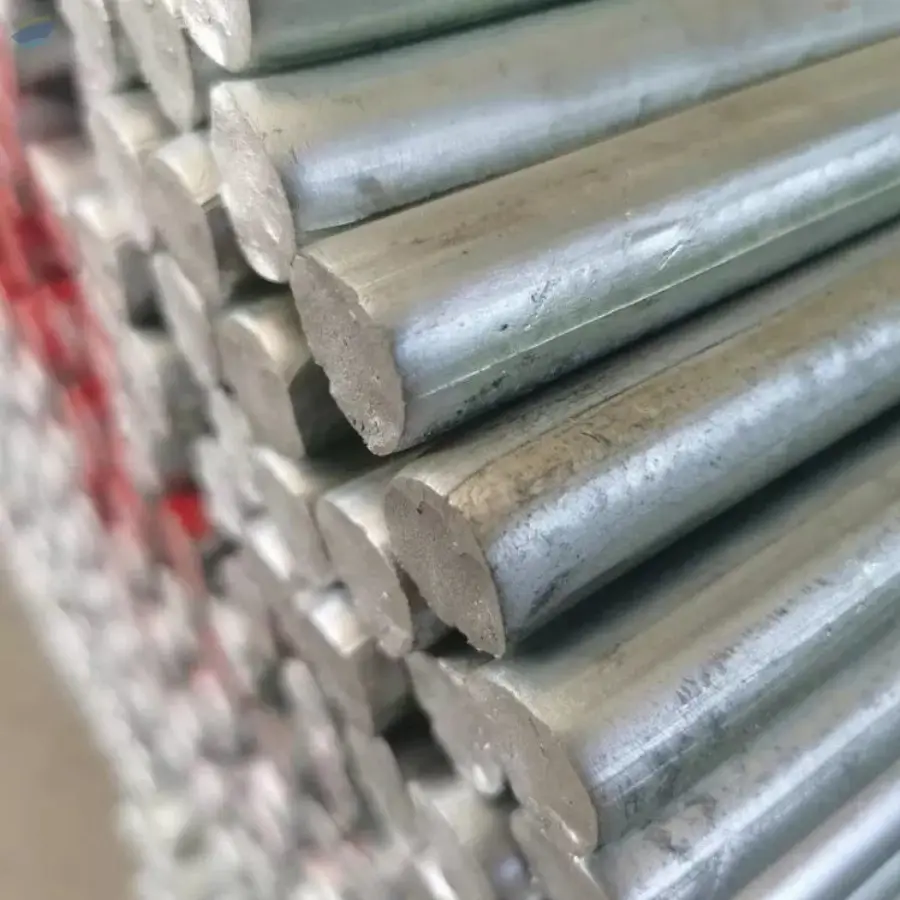
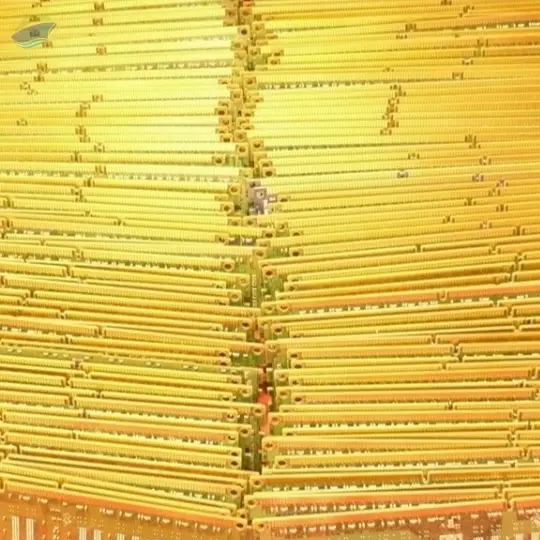
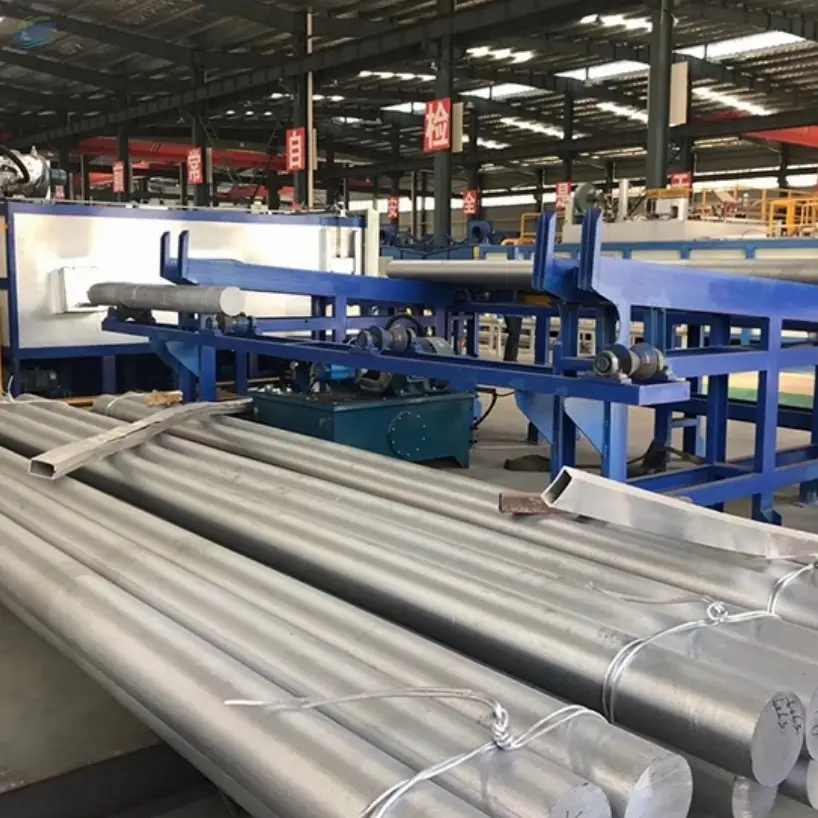
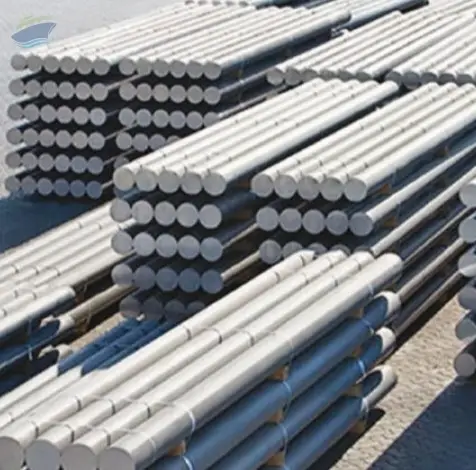
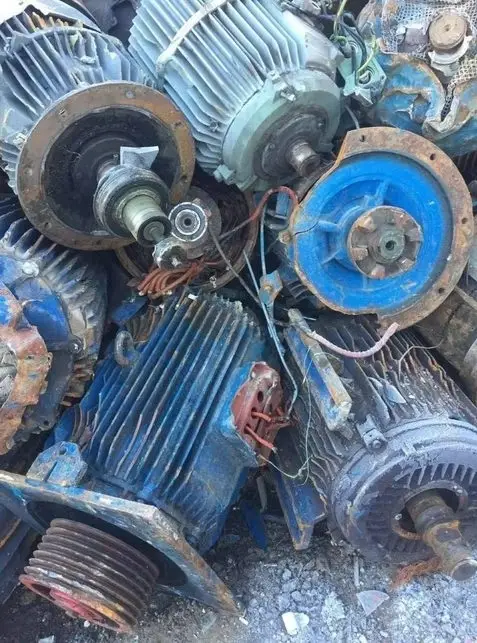
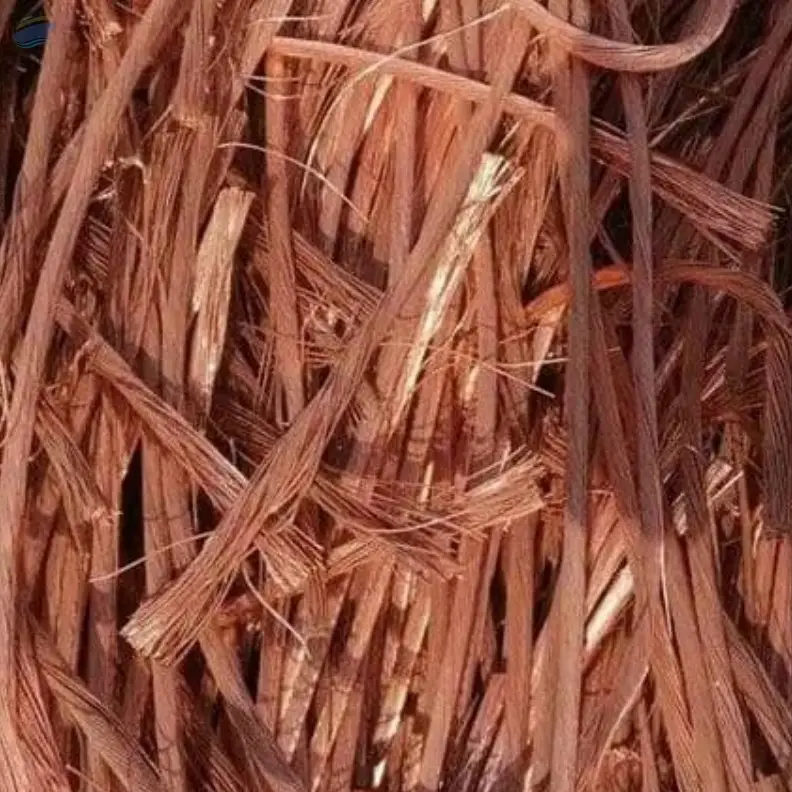
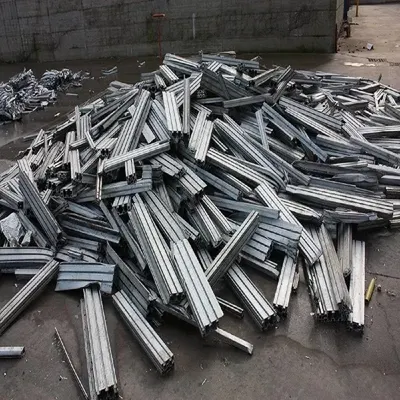
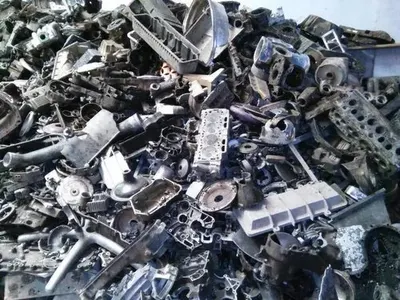
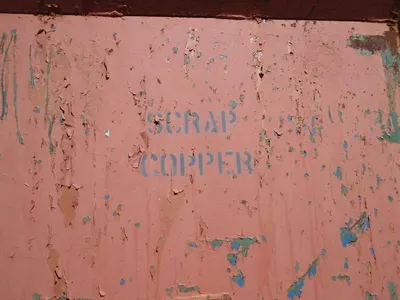
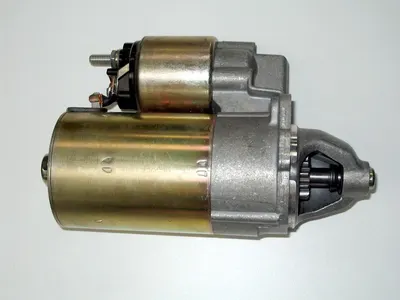
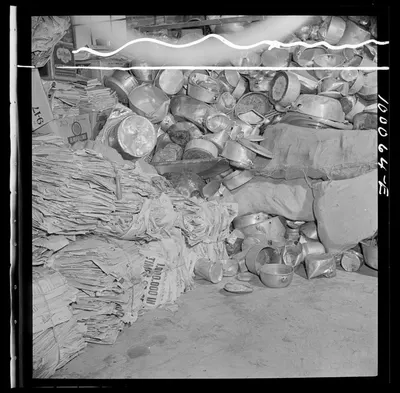
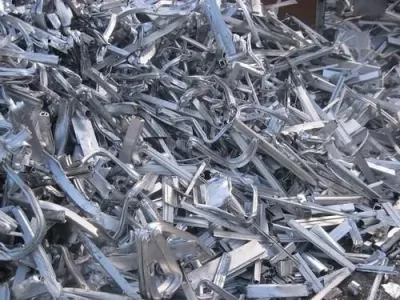
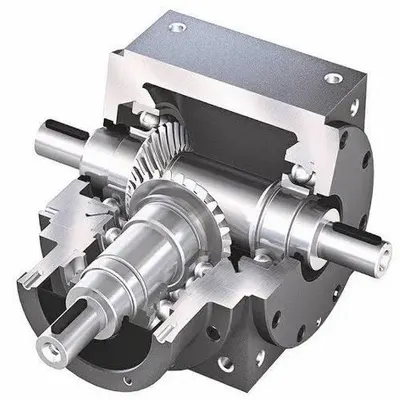
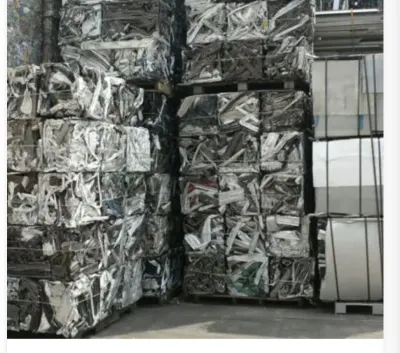
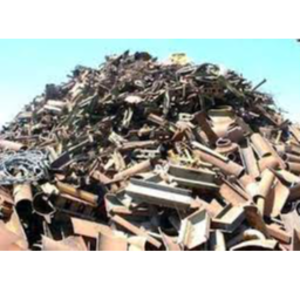
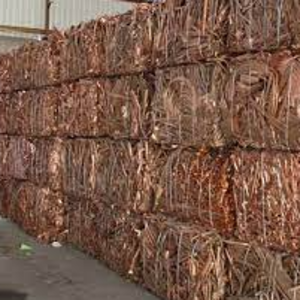
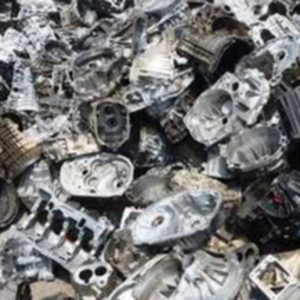
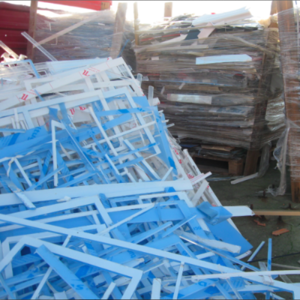
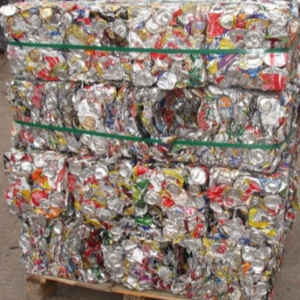
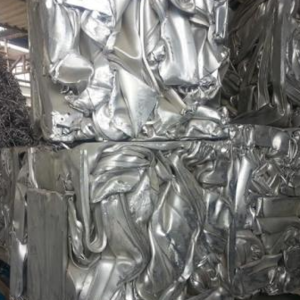
Newline Metals International Pty. Ltd. is based in Australia and lists 13 distinct metal‑scrap products. The catalogue covers aluminium scrap from radiators, wires, gear boxes, domestic sources, car engines, wheels, trays and radiator tally, all classified under HS chapter 76 (HS code 7602.00 where specified). Copper‑related items include a copper car cable, copper scrap milberry (HS code 7404.00) and a starter motor alternator (HS code 8511.40). The supplier also mentions generic car parts such as car bodies, expanding the product scope beyond the metal‑scrap categories.
The aluminium entries specify alloy compositions, for example the extrusion grade scrap is aluminium alloy 6061/6063, while the engine scrap contains 85‑95 % aluminium with limited iron, copper and silicon. Copper scrap milberry is described as copper with a minimum purity of 99.9 %. The starter motor alternator combines steel housing, copper windings and an aluminium frame, reflecting typical mixed‑material automotive components. All listed items are presented without additional certifications or performance guarantees.
Product Range and Specialties of Newline Metals International Pty. Ltd.
The catalogue’s aluminium scrap items span a range of grades commonly traded in the secondary metals market. Extrusion grade scrap (6061/6063) aligns with the alloy specifications used for structural and automotive extrusions, where tensile strength typically ranges from 190 - 310 MPa and alloying elements are limited to 0.5‑1.5 % magnesium and silicon. Radiator and wheel scrap usually fall under mixed‑grade aluminium (Al 85‑95 %) and are priced based on aluminium content and the presence of copper or iron inclusions. Copper milberry scrap, with 99.9 % purity, is a high‑grade copper fraction often used for wire drawing and electrolytic refining.
In the copper and electrical component segment, the starter motor alternator is a mixed‑material automotive part that buyers often assess for copper winding conductivity (typically >58 % IACS) and steel housing thickness. Industry practice requires verification of alloy composition, residual copper content, and any surface contaminants before bulk shipment. Typical packaging for bulk metal scrap includes steel drums, open‑top containers or bulk freight in 20‑ft/40‑ft containers, with moisture content kept below 0.5 % to avoid corrosion.
Trade and Export Information - Newline Metals International Pty. Ltd.
Australia exports aluminium and copper scrap primarily to Asian smelting hubs such as China, India and Malaysia, as well as to European refineries in the Netherlands and Germany. HS chapter 76 (7602.00) and chapter 74 (7404.00) are routinely inspected under customs regulations that may require material certificates, assay reports and compliance with the International Lead‑Free (ILF) standards for downstream alloy production. Buyers often request ISO 9001 quality management certificates from exporters, although Newline Metals does not list any specific certifications.
Standard export documentation includes a commercial invoice, packing list, Bill of Lading, and a material test report confirming alloy percentages and impurity limits. For copper scrap, REACH registration and conformity with the EU’s Conflict Minerals Regulation are typical buyer requirements. Shipping is commonly arranged on a CIF basis to major ports such as Shanghai, Busan, Rotterdam or Hamburg, with bulk freight rates calculated per metric ton.
Sourcing from Newline Metals International Pty. Ltd. - Buyer Guidance
Potential buyers should request a recent assay report for each aluminium scrap grade, confirming aluminium, copper, iron and silicon percentages against the figures stated in the catalogue. For copper milberry, a purity certificate indicating the 99.9 % minimum copper content and any residual impurity levels (e.g., silver, gold) is essential before contract finalisation.
When ordering starter motor alternators, buyers usually ask for a functional test report, a detailed bill of materials and a compliance statement for RoHS or similar environmental directives. Verification of packaging integrity, moisture content and bulk weight (typically 15‑20 t per 40‑ft container for scrap metal) helps prevent disputes at the destination port.
Frequently Asked Questions About Newline Metals International Pty. Ltd.
What aluminium scrap grades does Newline Metals list?
The supplier lists aluminium scrap from radiators, wires, gear boxes, domestic sources, car engines, wheels, trays and radiator tally, most of which fall under HS code 7602.00 and contain aluminium 85‑95 % with varying copper and iron traces.
Is there any copper scrap with a specific purity level?
Yes, the copper scrap milberry is described as copper with a minimum purity of 99.9 %, classified under HS code 7404.00.
What material is used in the starter motor alternator?
The alternator comprises a steel housing, copper windings, an aluminium frame and a permanent‑magnet or electromagnetic rotor, listed under HS code 8511.40.
Which HS codes apply to the aluminium scrap items?
All aluminium scrap entries that include a code use HS 7602.00, which covers aluminium waste and scrap, while the extrusion grade scrap also falls under the same heading.
What typical certifications should a buyer request?
Buyers normally request ISO 9001 quality management certificates, material assay reports, and for copper, REACH or Conflict Minerals compliance documentation.
What are common packaging and shipment sizes for these metal scraps?
Bulk metal scrap is usually shipped in steel drums or open‑top containers, with a typical load of 15‑20 metric tons per 40‑ft container, using CIF terms to major Asian or European ports.
What is the usual lead time for bulk orders?
Lead times for bulk metal‑scrap shipments from Australia generally range from 2 to 4 weeks, depending on container availability and customs clearance procedures.
How can a buyer obtain a sample before placing a full order?
Buyers can request a small representative sample (e.g., 10‑20 kg) along with a certified assay report; the supplier will arrange shipment under a prepaid freight arrangement for evaluation.




 , Australia





.jpg.png)