New DG Food Agro — Supplier
About New DG Food Agro - Flour Supplier in India
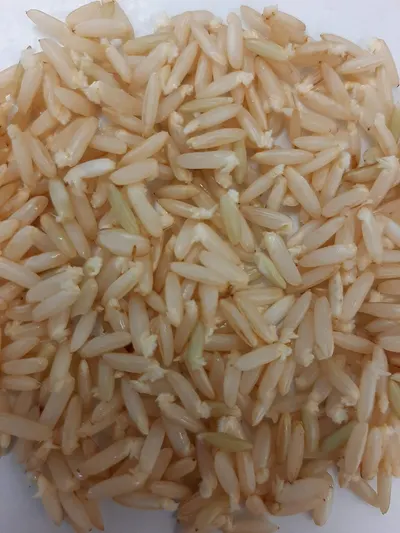
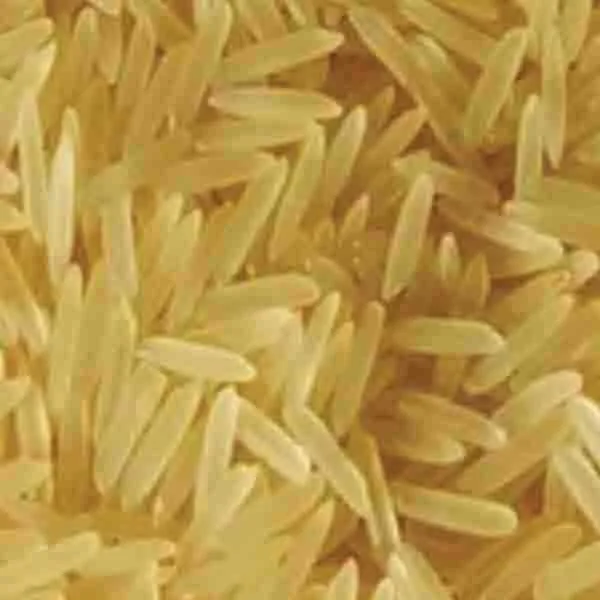
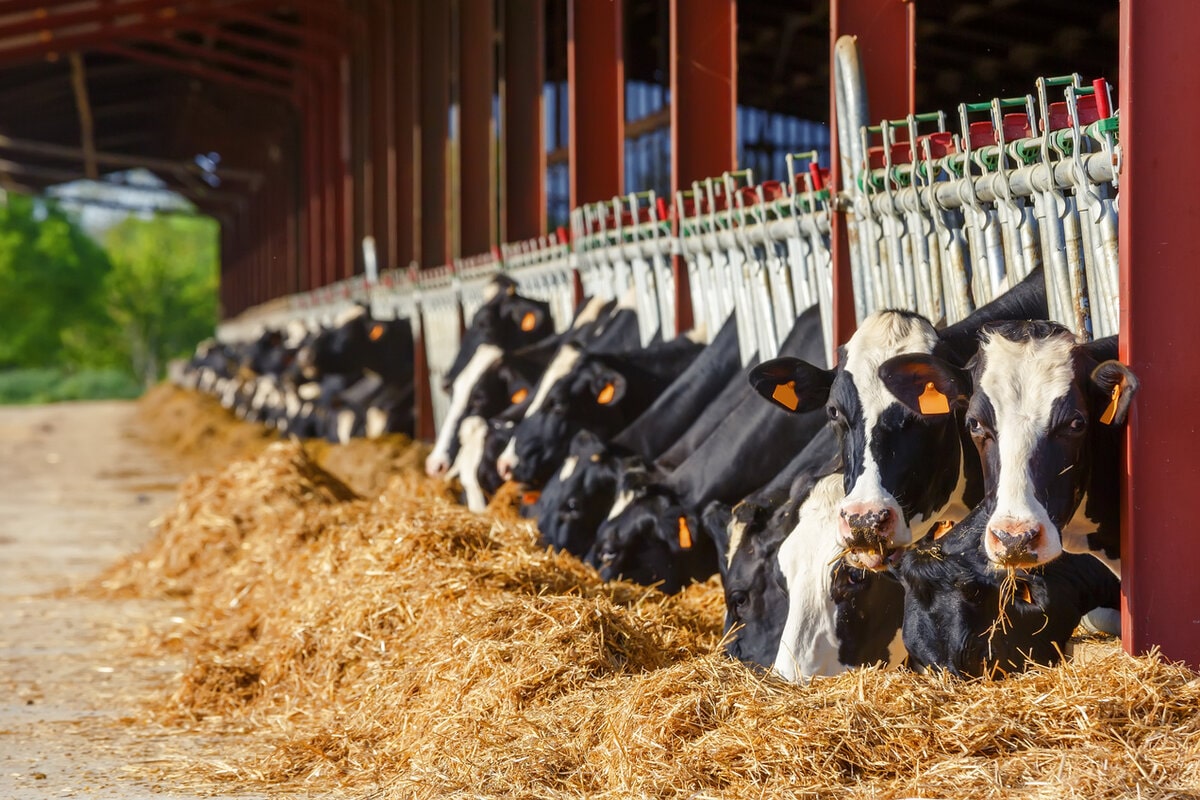
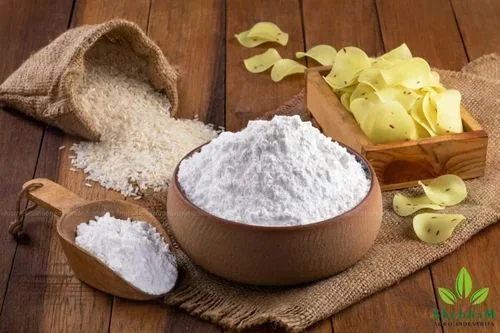
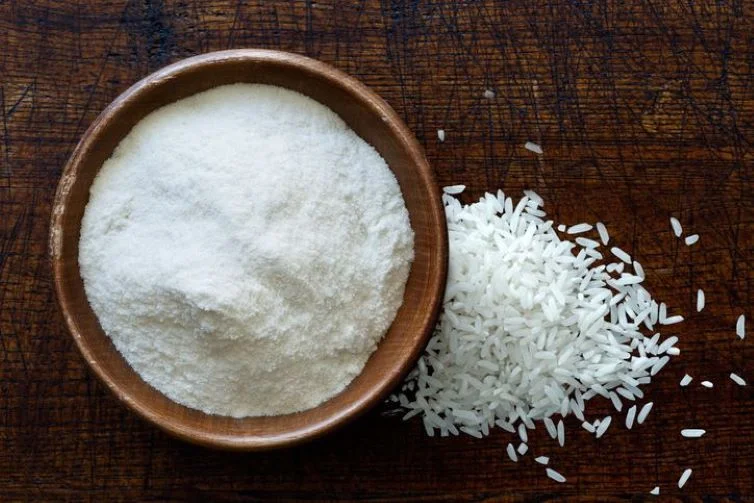
Based in India, New DG Food Agro lists seven active products across its catalogue. The portfolio includes three flour items - Royal Swad Chakki Fresh Atta, Royal Swad Maida, and Royal Swad Wheat Bhusa - as well as four rice‑related products: Royal Swad Silky Rice, Silky Sotex Rice, Royal Swad Silky Broken Rice, and Royal Swad Rawa. The company also references the broader category of Animal & Cattle Feed, although specific feed items are not itemised in the current catalogue. All listed goods fall under the standard HS‑code chapters for cereals, with flour generally classified under HS 1101 and rice under HS 1006.
In the Indian export context, wheat‑based flours such as Atta and Maida are typically produced to meet protein levels of 10‑12 % and moisture limits of 14 % or lower, while rice products are commonly graded by grain length, broken percentage, and moisture content (usually ≤14 %). Animal feed from India often carries HS 2301 and is subject to specifications for crude protein, fiber, and mineral content. Buyers usually require certificates of analysis that reference these parameters, along with compliance to Indian food safety regulations.
Product Range and Specialties of New DG Food Agro
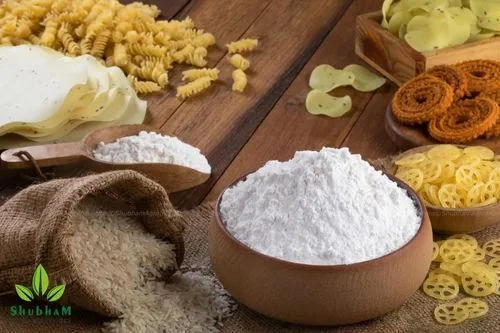
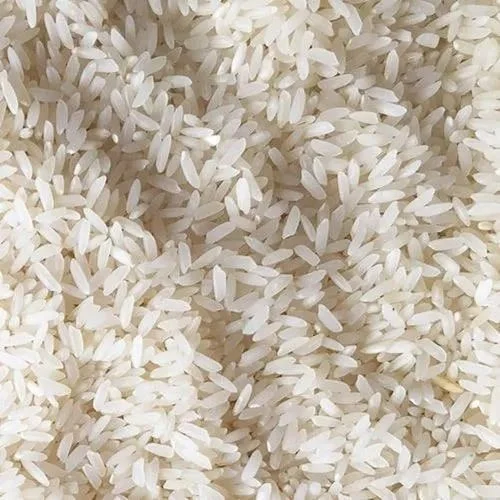
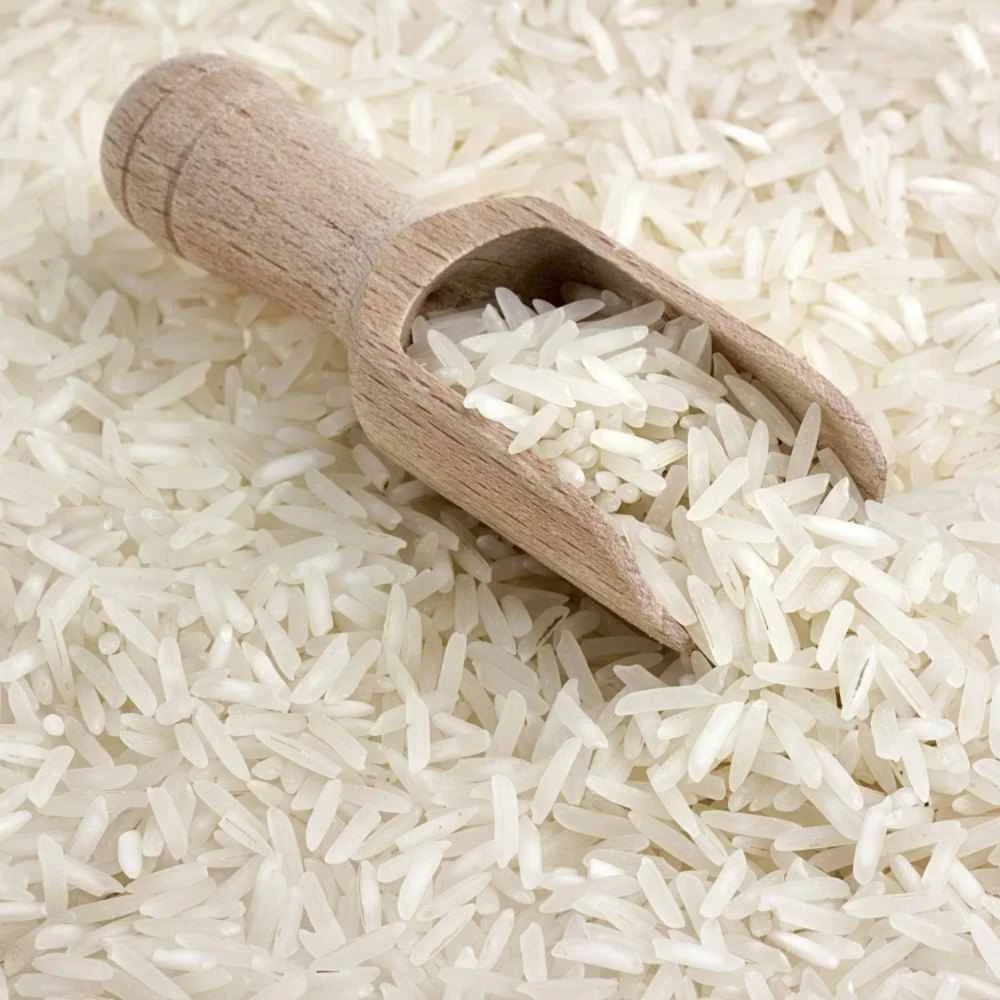
The catalogue shows Royal Swad Chakki Fresh Atta, a whole‑wheat flour traditionally used for Indian flatbreads, and Royal Swad Maida, a refined wheat flour for bakery applications. Royal Swad Wheat Bhusa is a coarser wheat product often employed in snack preparation. Rice offerings include the long‑grain Royal Swad Silky Rice, the premium Silky Sotex Rice, a broken‑grain variant (Royal Swad Silky Broken Rice), and Royal Swad Rawa, a parboiled rice used in South Asian cuisine. Industry standards for these cereals typically specify ICUMSA‑45 for white rice, a broken grain rate below 5 % for premium whole‑grain rice, and a flour ash content under 0.6 % for Atta.
Typical packaging for Indian cereals includes 25 kg polypropylene bags for flour and 20 kg moisture‑resistant sacks for rice. While the supplier does not list specific HS codes per product, the HS‑code families (1101 for flour, 1006 for rice) guide customs classification. Buyers often look for FSSAI registration, ISO 22000 food safety management, and, where required, organic or non‑GMO certifications.
Trade and Export Information - New DG Food Agro
India is a major exporter of wheat flour and Basmati‑type rice, with key markets in the Middle East, Africa, and Southeast Asia. Export shipments usually follow Incoterms CIF or FOB, with container loads ranging from 20‑ft (approximately 12‑15 metric tons of flour) to 40‑ft (up to 24 metric tons). HS Chapter 10 covers both flour (1101) and rice (1006), and customs authorities often request a Certificate of Origin and a phytosanitary certificate for rice shipments.
Buyers importing Indian cereals commonly require compliance with the importing country's food safety standards, such as the EU’s Commission Regulation (EU) No 1169/2011 or the US FDA Food Safety Modernization Act. Typical documentation includes a Certificate of Analysis, a FSSAI license copy, and, for animal feed, a Feed‑Materials Safety Certificate. Export logistics from Indian ports such as Mumbai and Nhava Sheva are supported by established grain handling facilities.
Sourcing from New DG Food Agro - Buyer Guidance
When sourcing from New DG Food Agro, request a recent Certificate of Analysis that details protein, moisture, ash, and pesticide residue levels for each flour or rice batch. Verify the supplier’s FSSAI registration and, if required by your market, ask for an ISO 22000 or HACCP audit report. Samples of 5 kg per product are standard for laboratory verification before confirming a full order.
Typical minimum order quantities for Indian cereal exports start at 5 metric tons per product, with lead times of 20‑30 days from order confirmation to shipment. Ensure that packaging specifications (e.g., 25 kg PP bags for flour, 20 kg moisture‑barrier sacks for rice) meet your logistics and storage requirements, and confirm the preferred Incoterm (CIF or FOB) early in the negotiation.
Frequently Asked Questions About New DG Food Agro
What types of flour does New DG Food Agro offer?
The supplier lists Royal Swad Chakki Fresh Atta, Royal Swad Maida, and Royal Swad Wheat Bhusa, covering whole‑wheat, refined, and coarse wheat flour grades.
Are the rice products suitable for export to the Middle East?
Yes. The catalogue includes long‑grain Silky Rice, premium Silky Sotex Rice, Broken Rice, and Parboiled Rawa, all of which meet typical HS 1006 specifications demanded by Middle Eastern importers.
Which certifications should I request before purchasing?
Ask for the supplier’s FSSAI registration, a Certificate of Analysis for each lot, and any ISO 22000 or HACCP audit reports relevant to food safety.
What is the standard packaging for the flour products?
Flour items are commonly packed in 25 kg polypropylene bags, which are moisture‑resistant and suitable for container loading.
What documentation is required for rice shipments?
Typical documents include a Certificate of Origin, a phytosanitary certificate, and a Certificate of Analysis that confirms moisture content and broken grain percentage.
What are typical minimum order quantities and lead times?
Minimum orders usually start at 5 metric tons per product, with lead times of 20‑30 days from order confirmation to shipment.
Can I obtain sample quantities for quality testing?
The supplier can provide 5 kg samples per product, which is standard for laboratory analysis before a full purchase.
Which Incoterms does New DG Food Agro work with?
Commonly used Incoterms are CIF (Cost, Insurance, Freight) and FOB (Free on Board), allowing buyers to choose the most suitable shipping arrangement.




 , India