Agriculture›
 Apparel and fashion accessories›
 Construction & real estate›💡Electronic & Electrical›🍎Food & Beverages›🛋️Home furnishing & supplies›⚗️Industrial goods & chemical›🪨Minerals & metals›📦Miscellaneous›Agriculture›Apparel and fashion accessories›Construction & real estate›💡Electronic & Electrical›🍎Food & Beverages›🛋️Home furnishing & supplies›⚗️Industrial goods & chemical›🪨Minerals & metals›📦Miscellaneous›
My Tea Czar LLC Product Catalog


About My Tea Czar LLC - Petroleum By Products Supplier in United States
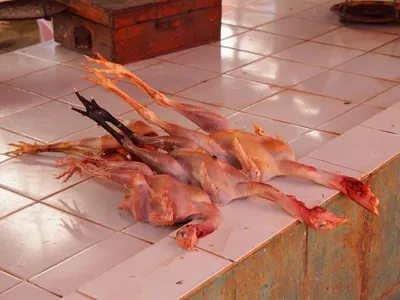
The United States‑based supplier My Tea Czar LLC lists five active products across five distinct categories. The catalogue includes refined petroleum products, chicken paws, yellow/white GMO and non‑GMO corn, GMO or non‑GMO soybeans, and standard sugar. Each product is identified by its generic category without additional HS‑code detail in the supplied data. The supplier’s trust tier is recorded as “harbor,” indicating a mid‑level verification status in the platform’s risk model. The product list reflects a mix of agricultural commodities and a petroleum by‑product, showing diversification across food and energy sectors.
My Tea Czar LLC does not provide specific production volumes, certification records, or regional facility locations beyond the United States designation. The five items cover both animal‑derived protein (chicken paws) and staple grains (corn and soybeans), as well as bulk commodities (refined petroleum and sugar). The catalogue’s structure suggests the supplier can handle separate commodity streams, each typically subject to different quality standards and trade documentation. No additional company history, employee numbers, or revenue figures are supplied in the source data.
Product Range and Specialties of My Tea Czar LLC
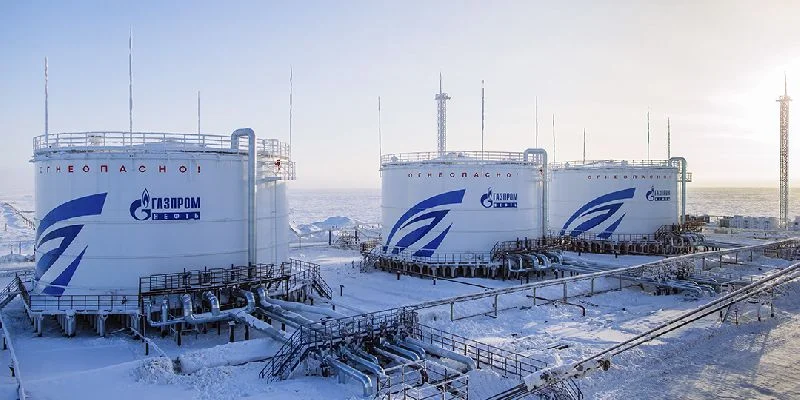
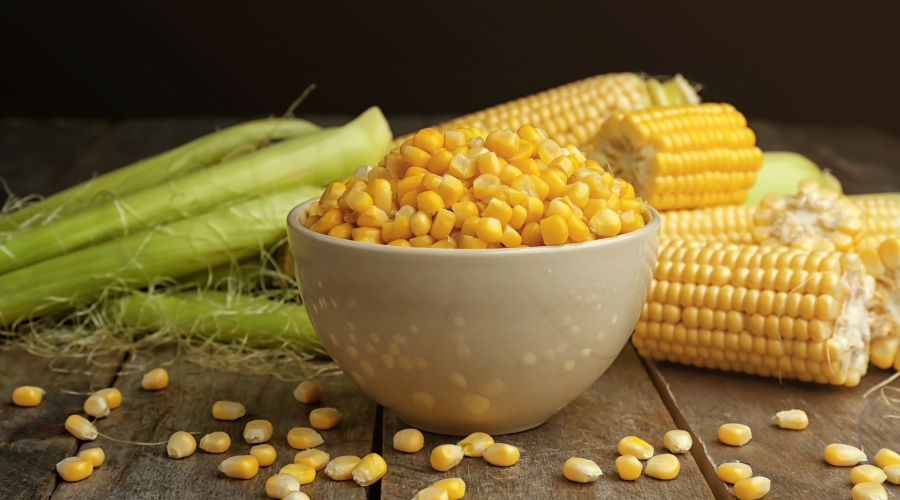
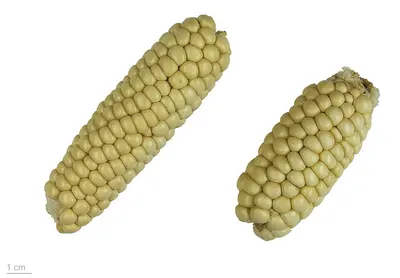
The supplier’s catalogue lists refined petroleum products, a broad term that in trade usually covers diesel, gasoline, fuel oil and related distillates falling under HS chapter 27. In the United States, refined fuels are commonly graded by sulfur content (e.g., ≤10 ppm for ultra‑low sulfur diesel) and octane rating for gasoline. The chicken paws entry belongs to the fresh poultry sub‑category (HS 0207), often traded in chilled bulk with specifications for weight, microbiological limits and packaging in insulated containers. The corn entry specifies yellow/white varieties, GMO and non‑GMO, which in global markets are distinguished by protein content (typically 8‑9 % for yellow corn) and moisture levels (≤14 %). Soybeans are similarly offered in GMO and non‑GMO forms, with standard grading based on oil content (≈18‑20 %) and foreign material limits (<2 %). The sugar product, without further detail, is generally classified under HS 1701 and may be raw, refined, or specialty, each with typical purity grades (e.g., ≥99.8 % sucrose for refined white sugar).
Frequently Asked Questions About My Tea Czar LLC
What HS codes are associated with the products listed by My Tea Czar LLC?
The catalogue does not provide HS codes, but typical codes are 2710‑2713 for refined petroleum products, 0207 for fresh chicken paws, 1005 for yellow/white corn, 1201 for soybeans, and 1701 for sugar.
Does My Tea Czar LLC hold any certifications for its commodities?
No certifications are listed in the supplied data. Buyers should request relevant certificates such as ASTM for petroleum, FSIS health certificates for poultry, and phytosanitary certificates for grains.
Which Incoterms does My Tea Czar LLC commonly use?
While not specified, U.S. commodity exporters frequently operate under FOB (port of loading) or CIF (destination port) terms, depending on buyer preference and product type.
Can I obtain GMO and non‑GMO options for corn and soybeans?
Yes, the supplier lists both GMO and non‑GMO yellow/white corn and soybeans. Buyers should ask for a non‑GMO verification report or a GMO status declaration as part of the purchase documentation.
What packaging formats are typical for the listed commodities?
Refined petroleum products are usually shipped in bulk tanker trucks or ISO tanks; chicken paws are packed in insulated refrigerated containers; corn and soybeans are commonly loaded in 40‑ft containers with bulk liners or shipped in grain vessels; sugar is typically bagged in 50 kg polypropylene bags or bulk containers.
 United States
Related Suppliers & Products
Explore similar suppliers, related products and trending categories