Moscow Tea Factory LLC — Verified Manufacturer & Wholesale Supplier
About Moscow Tea Factory LLC - Tea Supplier in Russian Federation
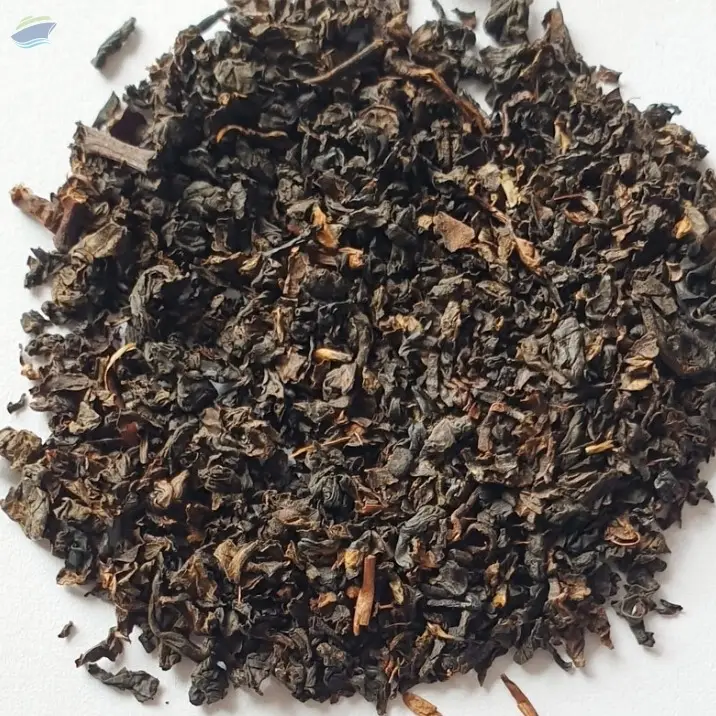
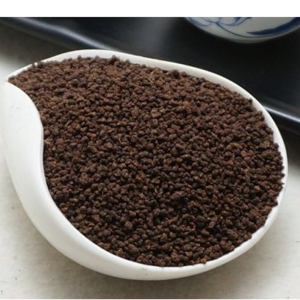
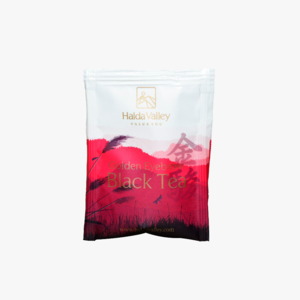
Moscow Tea Factory LLC operates from Moscow, Russian Federation and lists ten distinct tea products in its catalogue. The offerings are centred on black tea varieties, including loose leaf packs of 100 g and 250 g, as well as tea‑bag formats of 2 g × 25 and 2 g × 100 count. Each product is classified under HS chapter 09, specifically codes 0902.30 for fermented black tea leaves and 0902.40 for partially oxidised or blended black tea leaves, with materials identified as Camellia sinensis var. assamica or related Assam‑type cultivars. The catalogue references both “Old‑fashioned Indian” blends and the branded “Tea With Elephant” series, indicating a focus on Indian‑origin Assam black tea. The supplier is recorded under the organic tier and carries a voyage trust tier, reflecting its positioning within the platform’s quality framework.
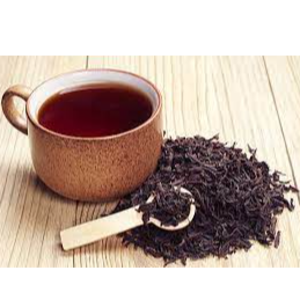
The product list includes traditional loose leaf teas such as “Black leaf tea Old‑fashioned Indian Premium 100 g” and “Black tea leaf Old‑fashioned Indian highest grade 250 g”, as well as bagged formats like “Black Tea Leaf Old‑fashioned Indian Classic 2gX25 tea bags”. All items are described as 100 % black tea leaves, with some specifying “selected highest grade” or “first grade” distinctions. The range also mentions tea extracts in the top categories, though specific extract SKUs are not enumerated. Overall, the supplier presents a concise portfolio of premium black tea products sourced from Indian tea gardens and packaged for bulk or retail distribution.
Product Range and Specialties of Moscow Tea Factory LLC
The catalogue comprises ten black‑tea items, split between loose leaf packs (100 g and 250 g) and tea‑bag packs (2 g × 25 and 2 g × 100). In the tea trade, black teas are commonly graded by FT (e.g., FT‑1, FT‑2) or by leaf size and grade such as “A‑grade Assam”. Typical specifications include moisture content below 5 %, ash below 4 %, and caffeine levels around 3 - 4 % by weight. Buyers often request compliance with ISO 22000 or HACCP for food safety, and organic certifications (USDA‑Organic, EU‑Organic) when the product is marketed as organic. Packaging for loose leaf tea usually involves 20 kg wooden crates or 1 kg kraft bags, while tea bags are packed in 1 kg cartons containing the specified number of bags. These industry standards align with the supplier’s listed formats and material descriptions.
For the bagged products, industry practice is to use food‑grade polypropylene or paper‑based tea bags with a 2 g leaf dose, sealed in moisture‑resistant inner liners. Bulk shipments of black tea typically fill a 20‑foot container with 150 - 180 kg of product, allowing space for protective dunnage. The supplier’s use of 100 g and 250 g packs fits standard retail and hospitality ordering patterns, while the 2 g × 25 and 2 g × 100 bag formats cater to hotel, airline, and office‑catering segments.
Trade and Export Information - Moscow Tea Factory LLC
Russian tea exporters generally target the European Union, Commonwealth of Independent States, the Middle East, and East Asian markets. HS 0902.30 covers fully fermented black tea leaves, while HS 0902.40 applies to partially oxidised or blended black teas, both of which are subject to phytosanitary certificates and, where required, organic validation. Importing countries often require a Certificate of Origin, a sanitary certificate, and where applicable, an organic certificate compliant with EU or US standards. Standard Incoterms used by Russian tea suppliers include FOB Moscow and CIF ports such as Saint Petersburg or Novorossiysk, with container loading on 20‑ft or 40‑ft units. The Russian Federation’s export framework for tea emphasizes compliance with the Eurasian Economic Union (EAEU) customs tariff and adherence to the EU’s maximum pesticide residue limits, which buyers typically verify through third‑party lab reports.
Typical buyers of premium black tea include specialty tea houses, hospitality chains, and food‑service distributors. These buyers frequently request documentation on moisture, ash, caffeine, and pesticide residues, as well as compliance with ISO 22000 or HACCP. The supplier’s organic tier suggests that organic certification should be confirmed before finalising contracts, especially for markets with strict organic labeling rules.
Sourcing from Moscow Tea Factory LLC - Buyer Guidance
When sourcing from Moscow Tea Factory LLC, buyers should request a detailed specification sheet that lists moisture content, ash, caffeine percentage, leaf grade (e.g., FT‑1 or A‑grade Assam), and any organic certification numbers. Obtaining a representative sample of the 100 g loose leaf or a 2 g × 25 bag pack allows verification of flavor, aroma, and compliance with the stated grade. Buyers are advised to ask for a recent phytosanitary certificate, a Certificate of Origin, and, if the product is marketed as organic, the relevant USDA‑Organic or EU‑Organic certificate.
Verification of HS codes (0902.30 for fully fermented black tea and 0902.40 for blended or partially oxidised black tea) should be confirmed on the commercial invoice to ensure correct tariff treatment. Typical minimum order quantities for bulk loose leaf range from 500 kg to 1 t, while bagged formats may be ordered in increments of 10 t. Lead times reported by suppliers in this segment are 30‑45 days from order confirmation, subject to packaging selection and export documentation preparation.
Frequently Asked Questions About Moscow Tea Factory LLC
What product formats does Moscow Tea Factory LLC offer?
The supplier lists ten black‑tea products, including 100 g and 250 g loose leaf packs and tea‑bag packs of 2 g × 25 and 2 g × 100 count, all classified under HS 0902.30 or 0902.40.
Which HS codes apply to the listed teas?
Fully fermented black tea leaf products use HS 0902.30, while partially oxidised or blended black tea items are coded under HS 0902.40.
What typical quality parameters should I check for these teas?
Buyers normally verify moisture below 5 %, ash under 4 %, caffeine around 3 - 4 % by weight, and ensure the leaf grade matches FT‑1/FT‑2 or A‑grade Assam specifications.
Are any certifications required when importing these teas?
Importers commonly require a phytosanitary certificate, a Certificate of Origin, and, for organic‑labeled teas, an USDA‑Organic or EU‑Organic certificate, along with food‑safety compliance such as ISO 22000 or HACCP.
What are the typical packaging and container capacities for the tea?
Loose leaf tea is usually packed in 1 kg kraft bags or 20 kg wooden crates; tea bags are packed in 1 kg cartons. A 20‑ft container can carry approximately 150‑180 kg of black tea.
What Incoterms are usually used for shipments from Russia?
Suppliers from Moscow often quote FOB Moscow or CIF to ports such as Saint Petersburg or Novorossiysk, depending on the buyer’s logistics preference.
What is a reasonable minimum order quantity and lead time?
Bulk loose leaf orders typically start at 500 kg, while bagged formats may require a minimum of 10 t. Lead times are generally 30‑45 days after order confirmation.
How can I verify the organic status of the teas?
Request the supplier’s organic certification number and a recent audit report; confirm that the certification is recognized by the importing country’s organic regulatory body.




 , Russian Federation