Master Tea And Spices (pvt.) Ltd. — Supplier
About Master Tea And Spices (pvt.) Ltd. - Tea Supplier in Sri Lanka
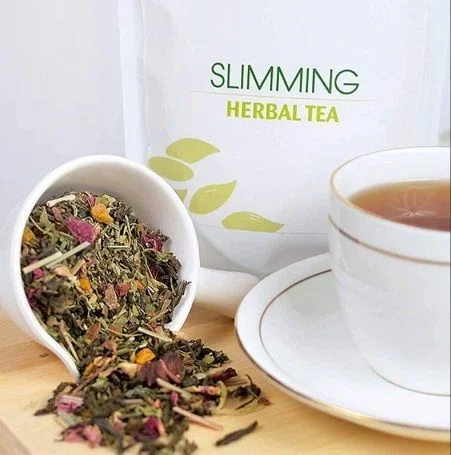
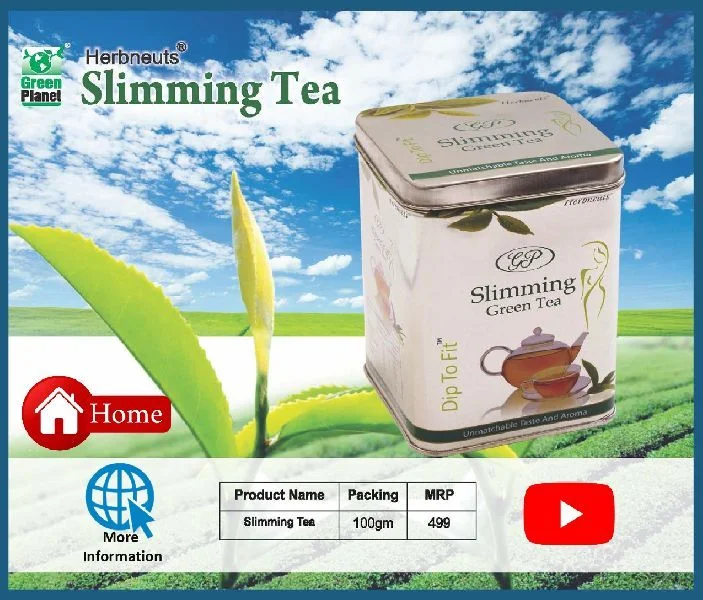
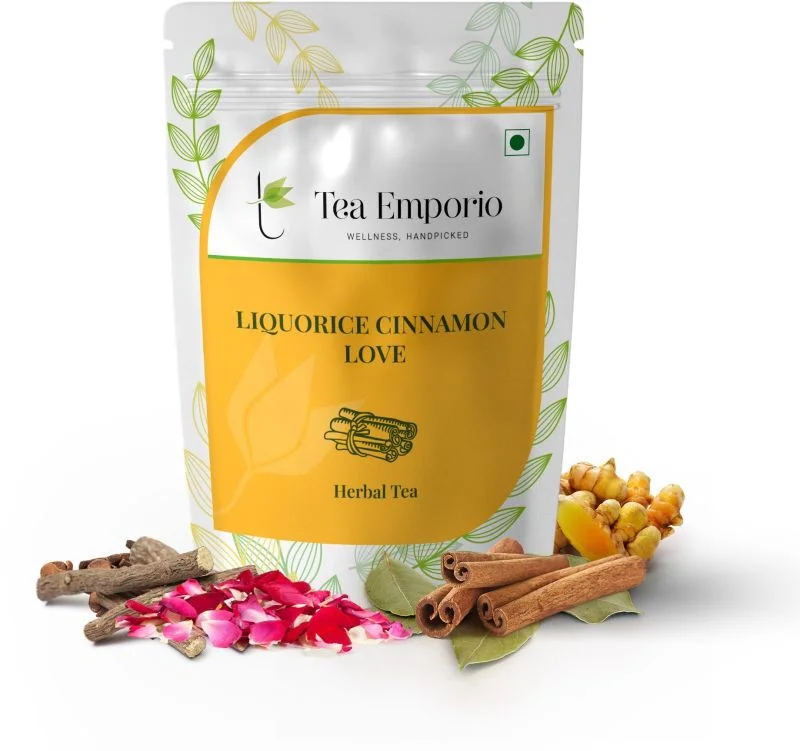
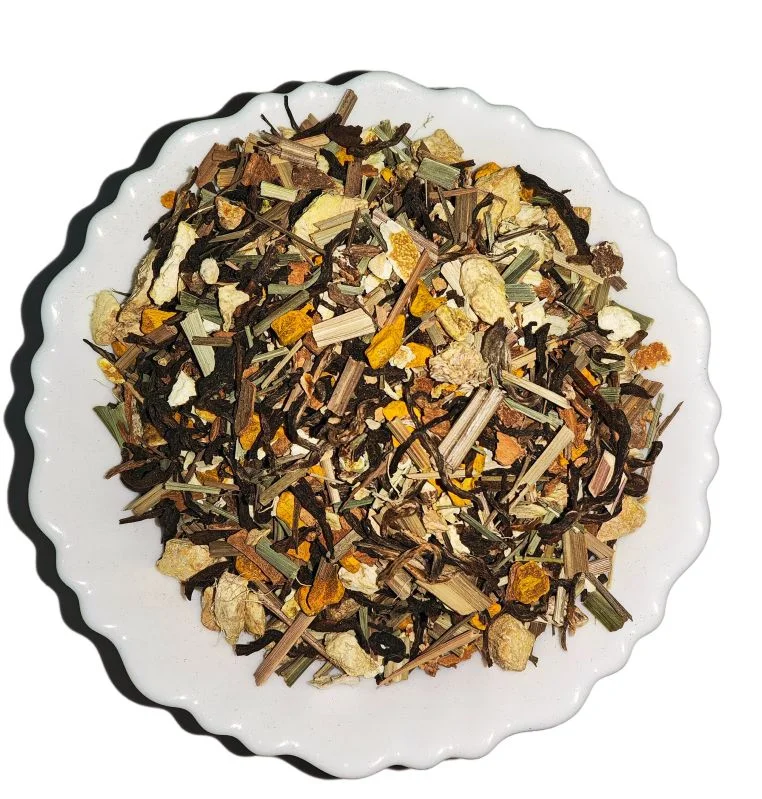
Sri Lanka, specifically its central tea‑growing region, is the origin of Master Tea And Spices (pvt.) Ltd. The supplier lists 131 active products in its catalogue. Its catalogue focuses on tea products, including multiple black tea SKUs, a white tea SKU and a blooming tea SKU. The black tea items are classified under HS codes 0902.30 and 0902.40, while a single product uses HS code 0902.20. Materials are described as Ceylon black tea leaves (Camellia sinensis) and various flavor‑infused blends. The supplier also groups its offerings under broader categories such as herbal tea, slimming tea and food products, reflecting the range of product lines it markets.
Product Range and Specialties of Master Tea And Spices (pvt.) Ltd.
The catalogue includes black tea MBTR series, each identified by a grade. In the industry, black tea from Sri Lanka is commonly graded as OP (Orange Pekoe), BOP, FBOP and PF (Pekoe Fannings). The MBTR series references FBOP, BOP and whole‑leaf orthodox grades. Flavored teas are produced by adding natural essential oils or fruit extracts, which are usually limited to 1‑2 % of the final blend to preserve leaf character. Typical specifications for Ceylon black tea include moisture ≤5 %, total ash ≤4 % and leaf size ≥3 mm for whole‑leaf grades. The white tea SKU (MBTSP‑3002) would be expected to meet white‑tea standards such as low oxidation, moisture 4‑5 % and a delicate flavor profile. Blooming tea (MBTSP‑3003) is a hand‑tied bundle of tea leaves with dried flowers, typically packed in bulk or retail‑grade boxes. Industry packaging for Sri Lankan tea often uses 25 kg export cartons, inner bulk bags of 500 kg, or 3 kg retail tins, all sealed to prevent moisture ingress.
Trade and Export Information - Master Tea And Spices (pvt.) Ltd.
Sri Lanka is the world’s third largest exporter of Ceylon tea, with the EU, the United States, the Middle East and Russia forming the main destination markets. Under HS chapter 09, the codes 0902.20, 0902.30 and 0902.40 differentiate between flavored teas, orthodox teas and broken‑leaf teas, and customs authorities commonly require a phytosanitary certificate and a certificate of origin for these shipments. Importers typically ask for ISO 22000 or HACCP food‑safety certifications, and many buyers request organic or Fairtrade certificates when sourcing specialty or flavored teas. Standard inspection regimes include moisture, ash and pesticide‑residue testing according to Codex Alimentarius limits. Logistics for bulk tea usually involve 20‑ft containers holding 500‑600 kg of tea in 25 kg cartons, with FOB or CIF terms prevailing in Sri Lankan tea trade.
Sourcing from Master Tea And Spices (pvt.) Ltd. - Buyer Guidance
Prospective buyers should request a product specification sheet that lists moisture content, leaf grade, flavoring percentage and any organic or fair‑trade status. A laboratory analysis report confirming compliance with Codex limits for pesticide residues and heavy metals is also customary before a first order. Samples of 1 kg bulk or retail‑size tins allow verification of aroma, leaf integrity and flavor consistency. Verify that the supplier can provide the required phytosanitary certificate, certificate of origin and any third‑party certifications the buyer deems necessary. Typical minimum order quantities for bulk black tea run from 500 kg to 1 ton, with lead times of 4‑6 weeks after order confirmation.
Frequently Asked Questions About Master Tea And Spices (pvt.) Ltd.
Which HS codes apply to the black tea products listed by Master Tea And Spices?
The black tea SKUs are classified under HS 0902.30 for orthodox and flavored teas and HS 0902.40 for broken‑leaf and flavored teas; one product uses HS 0902.20 for ginger‑flavored tea.
What grade terminology is used for the Ceylon black teas in the catalogue?
The catalogue references grades such as FBOP (Fine Broken Orange Pekoe) and BOP, which are standard Sri Lankan black‑tea grades indicating leaf size and breakage level.
Are flavor‑infused teas subject to additional certification?
Buyers usually require a statement of ingredient origin and a safety data sheet for the natural flavorings; food‑safety certifications like ISO 22000 or HACCP are commonly requested for flavored teas.
What packaging formats are typical for the listed teas?
Export shipments are often packed in 25 kg export cartons inside 500 kg bulk bags, while retail‑size packaging may include 3 kg tins or 500 g sachets.
Which documents should a buyer request before placing an order?
Essential documents include a product specification sheet, laboratory analysis for moisture, ash and pesticide residues, phytosanitary certificate, and certificate of origin; any claimed organic or fair‑trade status should be supported by the relevant certificate.
What are common minimum order quantities and lead times for bulk tea from Sri Lanka?
Bulk orders typically start at 500 kg, with a production and export lead time of 4 to 6 weeks, depending on the grade and flavoring requirements.
Which regions import Ceylon tea most frequently?
The European Union, the United States, the Middle East and Russia are the largest import markets for Sri Lankan tea, accounting for the majority of export volume.
How is the quality of flavored teas verified?
Quality is verified through sensory evaluation, moisture content below 5 %, and analytical testing of flavoring concentration, usually limited to 1‑2 % of the final product.




 , Sri Lanka