MARURAS HAVEN LTD — Verified Trader & Wholesale Supplier

About MARURAS HAVEN LTD - Tea, Coffee and Avocado Exporter in Kenya

MARURAS HAVEN LTD is registered as a Kenyan exporter operating out of Nairobi, with an active catalogue of 5 product lines that span fresh produce, beverage crops, and natural gemstones. The listed categories cover fresh avocado, sweet potato, fermented black tea, green coffee beans, and natural Baltic amber, each mapped to a distinct HS code family: 0804.40 for fresh avocados, 0714.20 for fresh sweet potatoes, 0902.40 for black tea, 0901.11 for unroasted decaffeinated coffee, and 0500.90 for natural amber. The combination places the company at the intersection of Kenya's horticultural export sector and the country's niche position in coloured gemstone trade, both of which are long-established pillars of Kenyan outward shipments from Nairobi and Mombasa. Buyers reviewing the catalogue will see that the fresh-produce lines (avocado, sweet potato) sit in chapters 07 and 08 of the Harmonized System, while the beverage lines (tea, coffee) sit in chapter 09, and the amber line sits in chapter 05 as an animal/vegetable origin product. The supplier's stated base in Nairobi is consistent with the typical location of Kenyan fresh-produce consolidators and tea and coffee shippers, who use the city's cold-chain and dry-cargo facilities before onward transit through the Port of Mombasa.

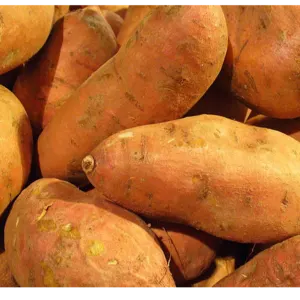
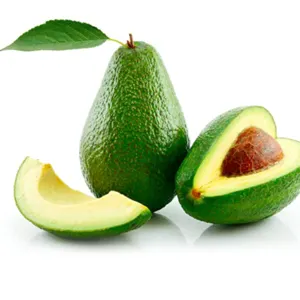
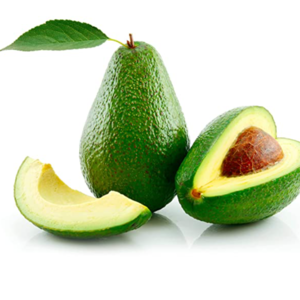
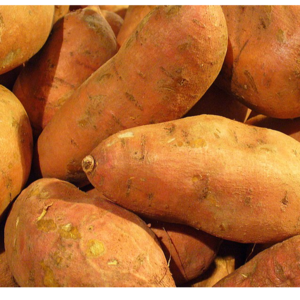
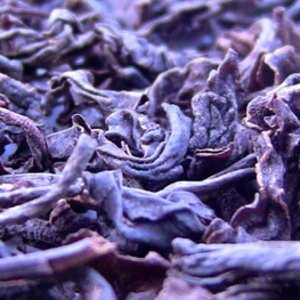
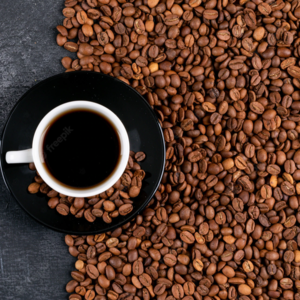
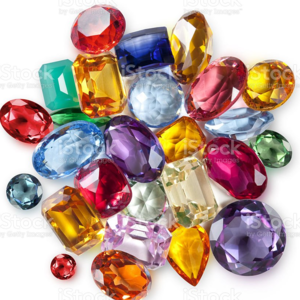
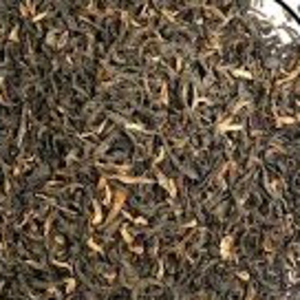
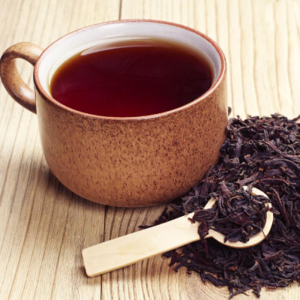
The catalogue reflects the dual character of Kenyan agricultural exports: tropical fruits and root tubers destined for European, Middle Eastern, and African retail markets, alongside tea and coffee that historically feed auction systems in Mombasa and direct contracts with European packers. The avocado line at HS 0804.40 typically covers varieties such as Hass and Fuerte, which dominate Kenyan fresh avocado shipments to the EU, the United Kingdom, and the United Arab Emirates. The sweet potato line at HS 0714.20 covers fresh tubers of Ipomoea batatas, with Kenyan growers commonly shipping orange-fleshed and white-fleshed cultivars. The tea line at HS 0902.40 covers fermented (black) tea from Camellia sinensis, and the coffee line at HS 0901.11 covers unroasted, non-decaffeinated Coffea arabica and Coffea canephora (Robusta) beans, both of which are grown in Kenya's highland and western regions. The gemstone line at HS 0500.90 is listed as natural Baltic amber, a fossilized tree resin, which is an unusual item for a Kenyan-origin exporter and is typically traded as a semi-precious material for jewellery and ornament manufacture.

Product Range and Specialties of MARURAS HAVEN LTD

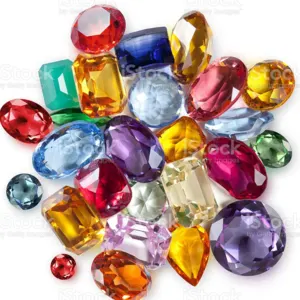
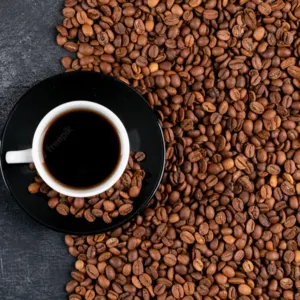
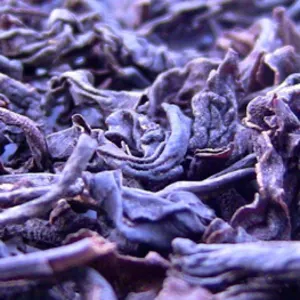
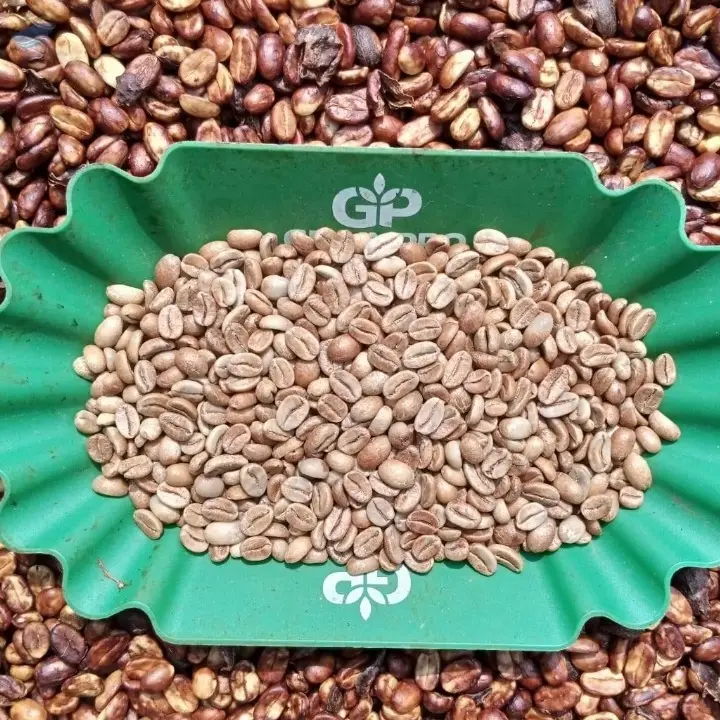
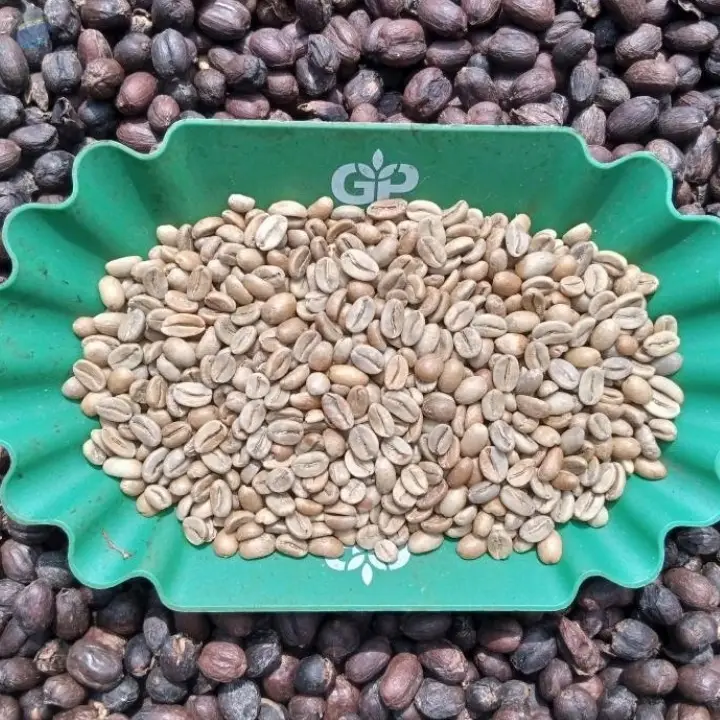
The 5 active catalogue items are grouped across three trade families. Fresh produce accounts for two lines: Avocado (HS 0804.40, Persea americana) and Sweet Potato (HS 0714.20, Ipomoea batatas). Buyers sourcing fresh Kenyan avocado typically specify size counts (count 12 to count 28, corresponding to fruit of roughly 250-420 g), dry matter content above 23% for Hass, and pre-cooling to 5-7°C within hours of harvest; Kenyan Hass is normally packed in 4 kg cartons on standard EUR1 pallets. Fresh sweet potato from Kenya is commonly shipped in 5-10 kg cartons or 18 kg net wooden crates, with orange-fleshed varieties (Beauregard, Kabode) preferred for European retail and white-fleshed types (Kemb 10, Tanzania) for processing. Tea at HS 0902.40 covers fermented black tea of Camellia sinensis; Kenyan black tea is graded by leaf size on the Mombasa auction system (BP1, PF1, PD, D1, D2, F1), with primary grades BP1 and PF1 typically used in tea-bag blends and secondary grades going to loose-leaf packs. Coffee at HS 0901.11 covers unroasted green beans of Coffea arabica (Kenyan AA, AB, PB, C, TT) and Coffea canephora (Robusta); Kenyan AA is the top screen-size grade at 17-18 screen, with screen-size 15-16 graded AB, and the industry typically trades on the basis of the Kenya Coffee Producers Association (KCPA) cupping score and moisture at 10-12%. The gemstone line at HS 0500.90 is listed as natural Baltic amber, traded as fossilized tree resin in raw, polished, and bead form, with sizes typically expressed in millimetres and quality sorted by clarity, inclusions, and colour (cognac, cherry, milky, lemon, green).

Across these categories, buyers should expect to negotiate specifications in line with international trade norms: pre-shipment inspection for fresh produce, the Mombasa tea auction reference for tea grades, screen size and cup score for green coffee, and millimetre sizing plus visual grade for amber. Kenyan fresh avocado shipments to the EU require compliance with phytosanitary regulations (false codling moth controls, Citrus Black Spot freedom), and Kenyan coffee and tea shipments are typically accompanied by certificates of origin from the Kenya Revenue Authority and the relevant tea or coffee board documentation. For the gemstone line, buyers usually request a gemmological lab report (GIA, IGI, or equivalent) and a declaration of natural versus treated origin, since HS 0500.90 specifically covers natural amber and excludes reconstituted or pressed material.

Trade and Export Information - MARURAS HAVEN LTD

Kenya is one of Africa's leading exporters of fresh avocado, black tea, and Arabica coffee, and these three product families form the backbone of the country's agricultural export earnings alongside cut flowers and vegetables. The main destination regions for Kenyan fresh avocado are the European Union (Netherlands, France, Spain, Germany), the United Kingdom, the United Arab Emirates, and Saudi Arabia, with seasonal peaks between March and September. Kenyan black tea is exported in bulk to Egypt, Pakistan, the United Kingdom, Sudan, the UAE, and Afghanistan, and in value-added form to North America and the EU; the country is one of the world's largest exporters of black tea by volume, and the Mombasa Tea Auction serves as the regional price discovery point for East African teas. Kenyan Arabica coffee is exported primarily to the United States, Germany, Belgium, Sweden, Norway, and South Korea, with the Kenya AA grade commanding a premium on specialty coffee markets. Fresh sweet potatoes from Kenya are shipped mainly to the United Kingdom, the Netherlands, and the United Arab Emirates, with growing demand from ethnic retail channels in continental Europe. Natural amber under HS 0500.90 is a niche item; the dominant origin in global trade is the Baltic region, so Kenyan-origin amber listings are unusual and buyers typically verify provenance and grading through independent gemmological laboratories.

Standard trade documentation for these categories includes a commercial invoice, packing list, phytosanitary certificate for fresh produce, certificate of origin (EUR1 or Generalized System of Preferences form A for preferential markets), and a bill of lading from the Port of Mombasa or, for air shipments, from Jomo Kenyatta International Airport in Nairobi. Fresh avocado and sweet potato are typically shipped by reefer container at 5-8°C, with controlled atmosphere options for longer transit; tea is shipped in 40-60 kg jute or paper sacks, palletized and loaded in 20 ft or 40 ft dry containers at 12-18 tonnes per 40 ft; green coffee is shipped in 60 kg jute or grain-pro bags inside 40 ft containers at around 19-20 tonnes per container. For gemstones, shipments are typically small-volume and air-freighted, with Kimberley Process-style declarations not applicable to amber (which is outside the scope of conflict-mineral regulation). Buyers in these categories commonly request ISO 22000 or HACCP-based food-safety documentation for fresh produce, Rainforest Alliance, UTZ, or Fairtrade certification for tea and coffee where required by retail customers, and gemmological reports for amber. Standard Incoterms for Kenyan agricultural exports are FOB Mombasa and CIF for bulk tea and coffee, and CFR or CIP for reefer fresh produce.

Sourcing from MARURAS HAVEN LTD - Buyer Guidance

Buyers sourcing from MARURAS HAVEN LTD should treat the catalogue as a starting point for specification rather than a finished offer, and request concrete documentation before issuing a purchase order. For the fresh avocado line (HS 0804.40), ask for the cultivar (Hass vs Fuerte), size count, dry matter percentage, pre-cooling protocol, and a current phytosanitary certificate; for the EU market, confirm that the supplier can meet the false codling moth management requirements and the maximum residue limits in force at the time of shipment. For sweet potato (HS 0714.20), request the variety (orange- or white-fleshed), net weight per carton or crate, and a cold-chain record from packhouse to port. For tea (HS 0902.40), ask for the grade (BP1, PF1, PD, D1), moisture content (target below 7%), and a recent Mombasa auction reference price or comparable broker quote; for coffee (HS 0901.11), request screen size, defect count on the green bean, moisture at 10-12%, and a cup score from a licensed Q-grader. For the gemstone line (HS 0500.90, natural Baltic amber), request photographs of the actual lot, dimensions in millimetres, weight in grams or carats, and a gemmological lab report confirming natural origin and absence of autoclave treatment. Across all five lines, buyers should confirm the Incoterm, the shipment origin (Mombasa port or Nairobi airport), and the payment terms in writing before any advance is released.

Verification signals that help assess a new Kenyan supplier include the ability to name the packhouse or washing-and-grading facility for fresh produce, the auction or warehouse reference for tea and coffee, and a recent Certificate of Good Standing from the Kenya Revenue Authority. Buyers should also confirm that the supplier is listed with the relevant industry body for the category in question (the Kenya Plant Health Inspectorate Service, KEPHIS, for fresh produce; the Tea Board of Kenya for tea; the Coffee Directorate of Kenya for coffee) and request copies of any third-party audit reports available. Lead times for fresh produce from Kenya typically run 7 to 14 days from order to vessel loading at Mombasa, depending on season and cultivar; for tea and coffee, 21 to 45 days from purchase order to container loading is typical, allowing for inland transport from the growing region to the port. MOQ varies by line: fresh avocado is usually traded in full reefer containers (roughly 20-22 tonnes of 4 kg cartons), tea in 5- to 20-tonne lots, green coffee in 320-bag (about 19.2-tonne) container loads, and gemstones in small parcels negotiated per lot. Samples for fresh produce are normally sent by air-courier on the day of packing, tea and coffee samples are 250-500 g sent by post or courier, and gemstone samples are sent by registered courier with insured valuation.

Frequently Asked Questions About MARURAS HAVEN LTD

What five product lines does MARURAS HAVEN LTD currently list?

The active catalogue covers fresh avocado (HS 0804.40), fresh sweet potato (HS 0714.20), fermented black tea (HS 0902.40), unroasted green coffee (HS 0901.11), and natural Baltic amber (HS 0500.90). Together these span fresh produce, beverage crops, and a fossilized-resin gemstone line, all sourced through Nairobi.

Which Kenyan authorities typically certify fresh-produce and beverage exports?

Fresh fruit and vegetable shipments are normally accompanied by a phytosanitary certificate issued by the Kenya Plant Health Inspectorate Service (KEPHIS), while tea exports are regulated by the Tea Board of Kenya and coffee exports by the Coffee Directorate under the Agriculture and Food Authority. Buyers should request copies of these documents with each shipment.

What specifications should a buyer request for Kenyan fresh avocado?

Confirm the cultivar (Hass is the dominant export variety), size count (count 12 to 28), dry matter above 23% for Hass, pulp temperature at packing of 5-7°C, and a current phytosanitary certificate. For EU destinations, also confirm false codling moth management and compliance with maximum residue levels under Regulation (EC) 396/2005.

How is Kenyan black tea graded and what should be requested with a sample?

Kenyan black tea is graded by leaf size on the Mombasa auction system, with primary grades BP1 (Broken Pekoe 1) and PF1 (Pekoe Fannings 1) used in tea-bag blends and secondary grades PD, D1, D2, and F1 used in loose-leaf packs. Request the grade, moisture below 7%, and a recent cupping report alongside the 250-500 g sample.

What documents and parameters are standard for a Kenyan green coffee enquiry?

Request screen size (AA at 17-18, AB at 15-16), defect count on 300 g of green beans, moisture at 10-12%, a Q-grader cup score, and a certificate of origin from the Coffee Directorate. Standard shipment unit is a 40 ft container of 60 kg jute bags at roughly 19-20 tonnes.

What should a buyer verify before purchasing the natural amber line under HS 0500.90?

Ask for a gemmological report from a recognised laboratory (GIA, IGI, or equivalent) confirming natural fossilized-resin origin and absence of autoclave or pressure treatment, plus photographs of the actual lot with dimensions in millimetres and weight in grams or carats. HS 0500.90 covers natural amber only and excludes pressed or reconstituted material.

What are typical MOQs and lead times for these product categories from Kenya?

Fresh avocado is usually traded in full reefer containers of 20-22 tonnes with a 7-14 day order-to-loading window, sweet potato in 18 kg crates or 5-10 kg cartons at similar lead times, tea in 5-20 tonne lots with 21-45 day lead times, green coffee in 320-bag container loads of about 19.2 tonnes, and amber in small per-lot parcels negotiated case by case.

Which Incoterms and shipping routes are standard for Kenyan agricultural exports?

Bulk tea and coffee are typically quoted FOB Mombasa or CIF, while reefer fresh produce is usually quoted CFR or CIP into the destination port. Most shipments load at the Port of Mombasa, with high-value or time-sensitive fresh produce and gemstones moving by air from Jomo Kenyatta International Airport in Nairobi.


Featured Products from MARURAS HAVEN LTD

Other Suppliers in Tea

Top Trusted Suppliers

Related Products in Tea

Trending in Parent Category

More Suppliers in Parent Category

Related Products

Other Suppliers

EximNext
58.4K+ live requirements
Register Free🎁 5 free buy-lead credits
Post Requirement
🌍 Trusted by 224.4K+ businesses in 200+ countries|
58.4K+ active requirements right now
✉️ [email protected]
|
Sell on EximNextPost Requirement
EximNext
AgricultureApparelConstructionElectronicFoodHomeIndustrialMineralsMiscellaneous
🔥 Deals|✨ AI Match|🏭 Suppliers|📋 Buy Leads|💰 Trade Finance|⭐ Upgrade
58.4K+ live RFQs·194.4K+ suppliers
🎁 5 free credits →
EximNext
EximNext
Register Free
🎁 5 free buy-lead credits
Sign In
📋Post Requirement💬Get QuotesAI Match📋RFQ Marketplace
All Categories
Services & Tools
🏭Supplier Directory🔥Today's Deals💰Trade FinanceMembership
Sell on EximNext
AboutContactBlogHelp
🏭

MARURAS HAVEN LTD

Harbor
Country flag , KenyaEst. 2016-12-31
🏆
10+
Years in Business
🛡️
58/100
Trust Score

MARURAS HAVEN LTD Product Catalog

Showing 5 of 5 products
View all products →
GEMSTONES
Harbor
GEMSTONES
Contact
MOQ: 1 Unit
COFFEE
Harbor
COFFEE
Contact
MOQ: 1 Unit
TEA
Harbor
TEA
Contact
MOQ: 1 Unit
SWEET POTATO
Harbor
SWEET POTATO
Contact
MOQ: 1 Unit
Avocado
Harbor
Avocado
Contact
MOQ: 1 Unit

About MARURAS HAVEN LTD - Tea, Coffee and Avocado Exporter in Kenya

MARURAS HAVEN LTD is registered as a Kenyan exporter operating out of Nairobi, with an active catalogue of 5 product lines that span fresh produce, beverage crops, and natural gemstones. The listed categories cover fresh avocado, sweet potato, fermented black tea, green coffee beans, and natural Baltic amber, each mapped to a distinct HS code family: 0804.40 for fresh avocados, 0714.20 for fresh sweet potatoes, 0902.40 for black tea, 0901.11 for unroasted decaffeinated coffee, and 0500.90 for natural amber. The combination places the company at the intersection of Kenya's horticultural export sector and the country's niche position in coloured gemstone trade, both of which are long-established pillars of Kenyan outward shipments from Nairobi and Mombasa. Buyers reviewing the catalogue will see that the fresh-produce lines (avocado, sweet potato) sit in chapters 07 and 08 of the Harmonized System, while the beverage lines (tea, coffee) sit in chapter 09, and the amber line sits in chapter 05 as an animal/vegetable origin product. The supplier's stated base in Nairobi is consistent with the typical location of Kenyan fresh-produce consolidators and tea and coffee shippers, who use the city's cold-chain and dry-cargo facilities before onward transit through the Port of Mombasa.

The catalogue reflects the dual character of Kenyan agricultural exports: tropical fruits and root tubers destined for European, Middle Eastern, and African retail markets, alongside tea and coffee that historically feed auction systems in Mombasa and direct contracts with European packers. The avocado line at HS 0804.40 typically covers varieties such as Hass and Fuerte, which dominate Kenyan fresh avocado shipments to the EU, the United Kingdom, and the United Arab Emirates. The sweet potato line at HS 0714.20 covers fresh tubers of Ipomoea batatas, with Kenyan growers commonly shipping orange-fleshed and white-fleshed cultivars. The tea line at HS 0902.40 covers fermented (black) tea from Camellia sinensis, and the coffee line at HS 0901.11 covers unroasted, non-decaffeinated Coffea arabica and Coffea canephora (Robusta) beans, both of which are grown in Kenya's highland and western regions. The gemstone line at HS 0500.90 is listed as natural Baltic amber, a fossilized tree resin, which is an unusual item for a Kenyan-origin exporter and is typically traded as a semi-precious material for jewellery and ornament manufacture.

Product Range and Specialties of MARURAS HAVEN LTD

The 5 active catalogue items are grouped across three trade families. Fresh produce accounts for two lines: Avocado (HS 0804.40, Persea americana) and Sweet Potato (HS 0714.20, Ipomoea batatas). Buyers sourcing fresh Kenyan avocado typically specify size counts (count 12 to count 28, corresponding to fruit of roughly 250-420 g), dry matter content above 23% for Hass, and pre-cooling to 5-7°C within hours of harvest; Kenyan Hass is normally packed in 4 kg cartons on standard EUR1 pallets. Fresh sweet potato from Kenya is commonly shipped in 5-10 kg cartons or 18 kg net wooden crates, with orange-fleshed varieties (Beauregard, Kabode) preferred for European retail and white-fleshed types (Kemb 10, Tanzania) for processing. Tea at HS 0902.40 covers fermented black tea of Camellia sinensis; Kenyan black tea is graded by leaf size on the Mombasa auction system (BP1, PF1, PD, D1, D2, F1), with primary grades BP1 and PF1 typically used in tea-bag blends and secondary grades going to loose-leaf packs. Coffee at HS 0901.11 covers unroasted green beans of Coffea arabica (Kenyan AA, AB, PB, C, TT) and Coffea canephora (Robusta); Kenyan AA is the top screen-size grade at 17-18 screen, with screen-size 15-16 graded AB, and the industry typically trades on the basis of the Kenya Coffee Producers Association (KCPA) cupping score and moisture at 10-12%. The gemstone line at HS 0500.90 is listed as natural Baltic amber, traded as fossilized tree resin in raw, polished, and bead form, with sizes typically expressed in millimetres and quality sorted by clarity, inclusions, and colour (cognac, cherry, milky, lemon, green).

Across these categories, buyers should expect to negotiate specifications in line with international trade norms: pre-shipment inspection for fresh produce, the Mombasa tea auction reference for tea grades, screen size and cup score for green coffee, and millimetre sizing plus visual grade for amber. Kenyan fresh avocado shipments to the EU require compliance with phytosanitary regulations (false codling moth controls, Citrus Black Spot freedom), and Kenyan coffee and tea shipments are typically accompanied by certificates of origin from the Kenya Revenue Authority and the relevant tea or coffee board documentation. For the gemstone line, buyers usually request a gemmological lab report (GIA, IGI, or equivalent) and a declaration of natural versus treated origin, since HS 0500.90 specifically covers natural amber and excludes reconstituted or pressed material.

Trade and Export Information - MARURAS HAVEN LTD

Kenya is one of Africa's leading exporters of fresh avocado, black tea, and Arabica coffee, and these three product families form the backbone of the country's agricultural export earnings alongside cut flowers and vegetables. The main destination regions for Kenyan fresh avocado are the European Union (Netherlands, France, Spain, Germany), the United Kingdom, the United Arab Emirates, and Saudi Arabia, with seasonal peaks between March and September. Kenyan black tea is exported in bulk to Egypt, Pakistan, the United Kingdom, Sudan, the UAE, and Afghanistan, and in value-added form to North America and the EU; the country is one of the world's largest exporters of black tea by volume, and the Mombasa Tea Auction serves as the regional price discovery point for East African teas. Kenyan Arabica coffee is exported primarily to the United States, Germany, Belgium, Sweden, Norway, and South Korea, with the Kenya AA grade commanding a premium on specialty coffee markets. Fresh sweet potatoes from Kenya are shipped mainly to the United Kingdom, the Netherlands, and the United Arab Emirates, with growing demand from ethnic retail channels in continental Europe. Natural amber under HS 0500.90 is a niche item; the dominant origin in global trade is the Baltic region, so Kenyan-origin amber listings are unusual and buyers typically verify provenance and grading through independent gemmological laboratories.

Standard trade documentation for these categories includes a commercial invoice, packing list, phytosanitary certificate for fresh produce, certificate of origin (EUR1 or Generalized System of Preferences form A for preferential markets), and a bill of lading from the Port of Mombasa or, for air shipments, from Jomo Kenyatta International Airport in Nairobi. Fresh avocado and sweet potato are typically shipped by reefer container at 5-8°C, with controlled atmosphere options for longer transit; tea is shipped in 40-60 kg jute or paper sacks, palletized and loaded in 20 ft or 40 ft dry containers at 12-18 tonnes per 40 ft; green coffee is shipped in 60 kg jute or grain-pro bags inside 40 ft containers at around 19-20 tonnes per container. For gemstones, shipments are typically small-volume and air-freighted, with Kimberley Process-style declarations not applicable to amber (which is outside the scope of conflict-mineral regulation). Buyers in these categories commonly request ISO 22000 or HACCP-based food-safety documentation for fresh produce, Rainforest Alliance, UTZ, or Fairtrade certification for tea and coffee where required by retail customers, and gemmological reports for amber. Standard Incoterms for Kenyan agricultural exports are FOB Mombasa and CIF for bulk tea and coffee, and CFR or CIP for reefer fresh produce.

Sourcing from MARURAS HAVEN LTD - Buyer Guidance

Buyers sourcing from MARURAS HAVEN LTD should treat the catalogue as a starting point for specification rather than a finished offer, and request concrete documentation before issuing a purchase order. For the fresh avocado line (HS 0804.40), ask for the cultivar (Hass vs Fuerte), size count, dry matter percentage, pre-cooling protocol, and a current phytosanitary certificate; for the EU market, confirm that the supplier can meet the false codling moth management requirements and the maximum residue limits in force at the time of shipment. For sweet potato (HS 0714.20), request the variety (orange- or white-fleshed), net weight per carton or crate, and a cold-chain record from packhouse to port. For tea (HS 0902.40), ask for the grade (BP1, PF1, PD, D1), moisture content (target below 7%), and a recent Mombasa auction reference price or comparable broker quote; for coffee (HS 0901.11), request screen size, defect count on the green bean, moisture at 10-12%, and a cup score from a licensed Q-grader. For the gemstone line (HS 0500.90, natural Baltic amber), request photographs of the actual lot, dimensions in millimetres, weight in grams or carats, and a gemmological lab report confirming natural origin and absence of autoclave treatment. Across all five lines, buyers should confirm the Incoterm, the shipment origin (Mombasa port or Nairobi airport), and the payment terms in writing before any advance is released.

Verification signals that help assess a new Kenyan supplier include the ability to name the packhouse or washing-and-grading facility for fresh produce, the auction or warehouse reference for tea and coffee, and a recent Certificate of Good Standing from the Kenya Revenue Authority. Buyers should also confirm that the supplier is listed with the relevant industry body for the category in question (the Kenya Plant Health Inspectorate Service, KEPHIS, for fresh produce; the Tea Board of Kenya for tea; the Coffee Directorate of Kenya for coffee) and request copies of any third-party audit reports available. Lead times for fresh produce from Kenya typically run 7 to 14 days from order to vessel loading at Mombasa, depending on season and cultivar; for tea and coffee, 21 to 45 days from purchase order to container loading is typical, allowing for inland transport from the growing region to the port. MOQ varies by line: fresh avocado is usually traded in full reefer containers (roughly 20-22 tonnes of 4 kg cartons), tea in 5- to 20-tonne lots, green coffee in 320-bag (about 19.2-tonne) container loads, and gemstones in small parcels negotiated per lot. Samples for fresh produce are normally sent by air-courier on the day of packing, tea and coffee samples are 250-500 g sent by post or courier, and gemstone samples are sent by registered courier with insured valuation.

Frequently Asked Questions About MARURAS HAVEN LTD

What five product lines does MARURAS HAVEN LTD currently list?

The active catalogue covers fresh avocado (HS 0804.40), fresh sweet potato (HS 0714.20), fermented black tea (HS 0902.40), unroasted green coffee (HS 0901.11), and natural Baltic amber (HS 0500.90). Together these span fresh produce, beverage crops, and a fossilized-resin gemstone line, all sourced through Nairobi.

Which Kenyan authorities typically certify fresh-produce and beverage exports?

Fresh fruit and vegetable shipments are normally accompanied by a phytosanitary certificate issued by the Kenya Plant Health Inspectorate Service (KEPHIS), while tea exports are regulated by the Tea Board of Kenya and coffee exports by the Coffee Directorate under the Agriculture and Food Authority. Buyers should request copies of these documents with each shipment.

What specifications should a buyer request for Kenyan fresh avocado?

Confirm the cultivar (Hass is the dominant export variety), size count (count 12 to 28), dry matter above 23% for Hass, pulp temperature at packing of 5-7°C, and a current phytosanitary certificate. For EU destinations, also confirm false codling moth management and compliance with maximum residue levels under Regulation (EC) 396/2005.

How is Kenyan black tea graded and what should be requested with a sample?

Kenyan black tea is graded by leaf size on the Mombasa auction system, with primary grades BP1 (Broken Pekoe 1) and PF1 (Pekoe Fannings 1) used in tea-bag blends and secondary grades PD, D1, D2, and F1 used in loose-leaf packs. Request the grade, moisture below 7%, and a recent cupping report alongside the 250-500 g sample.

What documents and parameters are standard for a Kenyan green coffee enquiry?

Request screen size (AA at 17-18, AB at 15-16), defect count on 300 g of green beans, moisture at 10-12%, a Q-grader cup score, and a certificate of origin from the Coffee Directorate. Standard shipment unit is a 40 ft container of 60 kg jute bags at roughly 19-20 tonnes.

What should a buyer verify before purchasing the natural amber line under HS 0500.90?

Ask for a gemmological report from a recognised laboratory (GIA, IGI, or equivalent) confirming natural fossilized-resin origin and absence of autoclave or pressure treatment, plus photographs of the actual lot with dimensions in millimetres and weight in grams or carats. HS 0500.90 covers natural amber only and excludes pressed or reconstituted material.

What are typical MOQs and lead times for these product categories from Kenya?

Fresh avocado is usually traded in full reefer containers of 20-22 tonnes with a 7-14 day order-to-loading window, sweet potato in 18 kg crates or 5-10 kg cartons at similar lead times, tea in 5-20 tonne lots with 21-45 day lead times, green coffee in 320-bag container loads of about 19.2 tonnes, and amber in small per-lot parcels negotiated case by case.

Which Incoterms and shipping routes are standard for Kenyan agricultural exports?

Bulk tea and coffee are typically quoted FOB Mombasa or CIF, while reefer fresh produce is usually quoted CFR or CIP into the destination port. Most shipments load at the Port of Mombasa, with high-value or time-sensitive fresh produce and gemstones moving by air from Jomo Kenyatta International Airport in Nairobi.

About MARURAS HAVEN LTD - Tea, Coffee and Avocado Exporter in Kenya

MARURAS HAVEN LTD is registered as a Kenyan exporter operating out of Nairobi, with an active catalogue of 5 product lines that span fresh produce, beverage crops, and natural gemstones. The listed categories cover fresh avocado, sweet potato, fermented black tea, green coffee beans, and natural Baltic amber, each mapped to a distinct HS code family: 0804.40 for fresh avocados, 0714.20 for fresh sweet potatoes, 0902.40 for black tea, 0901.11 for unroasted decaffeinated coffee, and 0500.90 for natural amber. The combination places the company at the intersection of Kenya's horticultural export sector and the country's niche position in coloured gemstone trade, both of which are long-established pillars of Kenyan outward shipments from Nairobi and Mombasa. Buyers reviewing the catalogue will see that the fresh-produce lines (avocado, sweet potato) sit in chapters 07 and 08 of the Harmonized System, while the beverage lines (tea, coffee) sit in chapter 09, and the amber line sits in chapter 05 as an animal/vegetable origin product. The supplier's stated base in Nairobi is consistent with the typical location of Kenyan fresh-produce consolidators and tea and coffee shippers, who use the city's cold-chain and dry-cargo facilities before onward transit through the Port of Mombasa.

The catalogue reflects the dual character of Kenyan agricultural exports: tropical fruits and root tubers destined for European, Middle Eastern, and African retail markets, alongside tea and coffee that historically feed auction systems in Mombasa and direct contracts with European packers. The avocado line at HS 0804.40 typically covers varieties such as Hass and Fuerte, which dominate Kenyan fresh avocado shipments to the EU, the United Kingdom, and the United Arab Emirates. The sweet potato line at HS 0714.20 covers fresh tubers of Ipomoea batatas, with Kenyan growers commonly shipping orange-fleshed and white-fleshed cultivars. The tea line at HS 0902.40 covers fermented (black) tea from Camellia sinensis, and the coffee line at HS 0901.11 covers unroasted, non-decaffeinated Coffea arabica and Coffea canephora (Robusta) beans, both of which are grown in Kenya's highland and western regions. The gemstone line at HS 0500.90 is listed as natural Baltic amber, a fossilized tree resin, which is an unusual item for a Kenyan-origin exporter and is typically traded as a semi-precious material for jewellery and ornament manufacture.

Product Range and Specialties of MARURAS HAVEN LTD

The 5 active catalogue items are grouped across three trade families. Fresh produce accounts for two lines: Avocado (HS 0804.40, Persea americana) and Sweet Potato (HS 0714.20, Ipomoea batatas). Buyers sourcing fresh Kenyan avocado typically specify size counts (count 12 to count 28, corresponding to fruit of roughly 250-420 g), dry matter content above 23% for Hass, and pre-cooling to 5-7°C within hours of harvest; Kenyan Hass is normally packed in 4 kg cartons on standard EUR1 pallets. Fresh sweet potato from Kenya is commonly shipped in 5-10 kg cartons or 18 kg net wooden crates, with orange-fleshed varieties (Beauregard, Kabode) preferred for European retail and white-fleshed types (Kemb 10, Tanzania) for processing. Tea at HS 0902.40 covers fermented black tea of Camellia sinensis; Kenyan black tea is graded by leaf size on the Mombasa auction system (BP1, PF1, PD, D1, D2, F1), with primary grades BP1 and PF1 typically used in tea-bag blends and secondary grades going to loose-leaf packs. Coffee at HS 0901.11 covers unroasted green beans of Coffea arabica (Kenyan AA, AB, PB, C, TT) and Coffea canephora (Robusta); Kenyan AA is the top screen-size grade at 17-18 screen, with screen-size 15-16 graded AB, and the industry typically trades on the basis of the Kenya Coffee Producers Association (KCPA) cupping score and moisture at 10-12%. The gemstone line at HS 0500.90 is listed as natural Baltic amber, traded as fossilized tree resin in raw, polished, and bead form, with sizes typically expressed in millimetres and quality sorted by clarity, inclusions, and colour (cognac, cherry, milky, lemon, green).

Across these categories, buyers should expect to negotiate specifications in line with international trade norms: pre-shipment inspection for fresh produce, the Mombasa tea auction reference for tea grades, screen size and cup score for green coffee, and millimetre sizing plus visual grade for amber. Kenyan fresh avocado shipments to the EU require compliance with phytosanitary regulations (false codling moth controls, Citrus Black Spot freedom), and Kenyan coffee and tea shipments are typically accompanied by certificates of origin from the Kenya Revenue Authority and the relevant tea or coffee board documentation. For the gemstone line, buyers usually request a gemmological lab report (GIA, IGI, or equivalent) and a declaration of natural versus treated origin, since HS 0500.90 specifically covers natural amber and excludes reconstituted or pressed material.

Trade and Export Information - MARURAS HAVEN LTD

Kenya is one of Africa's leading exporters of fresh avocado, black tea, and Arabica coffee, and these three product families form the backbone of the country's agricultural export earnings alongside cut flowers and vegetables. The main destination regions for Kenyan fresh avocado are the European Union (Netherlands, France, Spain, Germany), the United Kingdom, the United Arab Emirates, and Saudi Arabia, with seasonal peaks between March and September. Kenyan black tea is exported in bulk to Egypt, Pakistan, the United Kingdom, Sudan, the UAE, and Afghanistan, and in value-added form to North America and the EU; the country is one of the world's largest exporters of black tea by volume, and the Mombasa Tea Auction serves as the regional price discovery point for East African teas. Kenyan Arabica coffee is exported primarily to the United States, Germany, Belgium, Sweden, Norway, and South Korea, with the Kenya AA grade commanding a premium on specialty coffee markets. Fresh sweet potatoes from Kenya are shipped mainly to the United Kingdom, the Netherlands, and the United Arab Emirates, with growing demand from ethnic retail channels in continental Europe. Natural amber under HS 0500.90 is a niche item; the dominant origin in global trade is the Baltic region, so Kenyan-origin amber listings are unusual and buyers typically verify provenance and grading through independent gemmological laboratories.

Standard trade documentation for these categories includes a commercial invoice, packing list, phytosanitary certificate for fresh produce, certificate of origin (EUR1 or Generalized System of Preferences form A for preferential markets), and a bill of lading from the Port of Mombasa or, for air shipments, from Jomo Kenyatta International Airport in Nairobi. Fresh avocado and sweet potato are typically shipped by reefer container at 5-8°C, with controlled atmosphere options for longer transit; tea is shipped in 40-60 kg jute or paper sacks, palletized and loaded in 20 ft or 40 ft dry containers at 12-18 tonnes per 40 ft; green coffee is shipped in 60 kg jute or grain-pro bags inside 40 ft containers at around 19-20 tonnes per container. For gemstones, shipments are typically small-volume and air-freighted, with Kimberley Process-style declarations not applicable to amber (which is outside the scope of conflict-mineral regulation). Buyers in these categories commonly request ISO 22000 or HACCP-based food-safety documentation for fresh produce, Rainforest Alliance, UTZ, or Fairtrade certification for tea and coffee where required by retail customers, and gemmological reports for amber. Standard Incoterms for Kenyan agricultural exports are FOB Mombasa and CIF for bulk tea and coffee, and CFR or CIP for reefer fresh produce.

Sourcing from MARURAS HAVEN LTD - Buyer Guidance

Buyers sourcing from MARURAS HAVEN LTD should treat the catalogue as a starting point for specification rather than a finished offer, and request concrete documentation before issuing a purchase order. For the fresh avocado line (HS 0804.40), ask for the cultivar (Hass vs Fuerte), size count, dry matter percentage, pre-cooling protocol, and a current phytosanitary certificate; for the EU market, confirm that the supplier can meet the false codling moth management requirements and the maximum residue limits in force at the time of shipment. For sweet potato (HS 0714.20), request the variety (orange- or white-fleshed), net weight per carton or crate, and a cold-chain record from packhouse to port. For tea (HS 0902.40), ask for the grade (BP1, PF1, PD, D1), moisture content (target below 7%), and a recent Mombasa auction reference price or comparable broker quote; for coffee (HS 0901.11), request screen size, defect count on the green bean, moisture at 10-12%, and a cup score from a licensed Q-grader. For the gemstone line (HS 0500.90, natural Baltic amber), request photographs of the actual lot, dimensions in millimetres, weight in grams or carats, and a gemmological lab report confirming natural origin and absence of autoclave treatment. Across all five lines, buyers should confirm the Incoterm, the shipment origin (Mombasa port or Nairobi airport), and the payment terms in writing before any advance is released.

Verification signals that help assess a new Kenyan supplier include the ability to name the packhouse or washing-and-grading facility for fresh produce, the auction or warehouse reference for tea and coffee, and a recent Certificate of Good Standing from the Kenya Revenue Authority. Buyers should also confirm that the supplier is listed with the relevant industry body for the category in question (the Kenya Plant Health Inspectorate Service, KEPHIS, for fresh produce; the Tea Board of Kenya for tea; the Coffee Directorate of Kenya for coffee) and request copies of any third-party audit reports available. Lead times for fresh produce from Kenya typically run 7 to 14 days from order to vessel loading at Mombasa, depending on season and cultivar; for tea and coffee, 21 to 45 days from purchase order to container loading is typical, allowing for inland transport from the growing region to the port. MOQ varies by line: fresh avocado is usually traded in full reefer containers (roughly 20-22 tonnes of 4 kg cartons), tea in 5- to 20-tonne lots, green coffee in 320-bag (about 19.2-tonne) container loads, and gemstones in small parcels negotiated per lot. Samples for fresh produce are normally sent by air-courier on the day of packing, tea and coffee samples are 250-500 g sent by post or courier, and gemstone samples are sent by registered courier with insured valuation.

Frequently Asked Questions About MARURAS HAVEN LTD
What five product lines does MARURAS HAVEN LTD currently list?
The active catalogue covers fresh avocado (HS 0804.40), fresh sweet potato (HS 0714.20), fermented black tea (HS 0902.40), unroasted green coffee (HS 0901.11), and natural Baltic amber (HS 0500.90). Together these span fresh produce, beverage crops, and a fossilized-resin gemstone line, all sourced through Nairobi.
Which Kenyan authorities typically certify fresh-produce and beverage exports?
Fresh fruit and vegetable shipments are normally accompanied by a phytosanitary certificate issued by the Kenya Plant Health Inspectorate Service (KEPHIS), while tea exports are regulated by the Tea Board of Kenya and coffee exports by the Coffee Directorate under the Agriculture and Food Authority. Buyers should request copies of these documents with each shipment.
What specifications should a buyer request for Kenyan fresh avocado?
Confirm the cultivar (Hass is the dominant export variety), size count (count 12 to 28), dry matter above 23% for Hass, pulp temperature at packing of 5-7°C, and a current phytosanitary certificate. For EU destinations, also confirm false codling moth management and compliance with maximum residue levels under Regulation (EC) 396/2005.
How is Kenyan black tea graded and what should be requested with a sample?
Kenyan black tea is graded by leaf size on the Mombasa auction system, with primary grades BP1 (Broken Pekoe 1) and PF1 (Pekoe Fannings 1) used in tea-bag blends and secondary grades PD, D1, D2, and F1 used in loose-leaf packs. Request the grade, moisture below 7%, and a recent cupping report alongside the 250-500 g sample.
What documents and parameters are standard for a Kenyan green coffee enquiry?
Request screen size (AA at 17-18, AB at 15-16), defect count on 300 g of green beans, moisture at 10-12%, a Q-grader cup score, and a certificate of origin from the Coffee Directorate. Standard shipment unit is a 40 ft container of 60 kg jute bags at roughly 19-20 tonnes.
What should a buyer verify before purchasing the natural amber line under HS 0500.90?
Ask for a gemmological report from a recognised laboratory (GIA, IGI, or equivalent) confirming natural fossilized-resin origin and absence of autoclave or pressure treatment, plus photographs of the actual lot with dimensions in millimetres and weight in grams or carats. HS 0500.90 covers natural amber only and excludes pressed or reconstituted material.
What are typical MOQs and lead times for these product categories from Kenya?
Fresh avocado is usually traded in full reefer containers of 20-22 tonnes with a 7-14 day order-to-loading window, sweet potato in 18 kg crates or 5-10 kg cartons at similar lead times, tea in 5-20 tonne lots with 21-45 day lead times, green coffee in 320-bag container loads of about 19.2 tonnes, and amber in small per-lot parcels negotiated case by case.
Which Incoterms and shipping routes are standard for Kenyan agricultural exports?
Bulk tea and coffee are typically quoted FOB Mombasa or CIF, while reefer fresh produce is usually quoted CFR or CIP into the destination port. Most shipments load at the Port of Mombasa, with high-value or time-sensitive fresh produce and gemstones moving by air from Jomo Kenyatta International Airport in Nairobi.

🏭
MARURAS HAVEN LTD
Country flag , Kenya
Harbor
58/100
Trust Score
📦
5
Products
Free to contact — no commission
Escrow payment available
Verified business identity
Compare more suppliers
Post a requirement — get 10 quotes free
Let verified suppliers compete for your business. Free, fast, no commitment.
EximNext Verified Supplier
Business identity verified
Physical address confirmed
Financial history checked
Certifications authenticated
Trade references validated
Due Diligence
Verify this supplier's real shipping history.
Every shipment, every buyer, every port. Trade data that can't be faked.
Run due diligence →
Discover More

Related Suppliers & Products

Explore similar suppliers, related products and trending categories

Featured Products from MARURAS HAVEN LTD

Other Suppliers in Tea

Top Trusted Suppliers

Related Products in Tea

Trending in Parent Category

More Suppliers in Parent Category

Stay ahead in global trade
Weekly market insights & new supplier alerts.
EximNext
Exim Next is a leading global B2B marketplace, connecting over 205,000 verified suppliers and buyers across 200+ countries. As a trusted import export marketplace, it serves as the essential B2B portal for businesses worldwide, empowering them to expand their international reach. With Exim Next, businesses can trade smarter and grow faster.
SECURE PAYMENTS
VISAMastercardPayPalSWIFTL/CEscrow
Follow us
© 2026 EximNext