Manna Groups Ltd — Verified Supplier
About Manna Groups Ltd - Beans and Grains Supplier in South Africa
South Africa is the source country for Manna Groups Ltd, which lists ten active products in its catalogue. The product list includes Plastic Pallets (HS 3923.90, material HDPE) and a range of agricultural commodities such as Wheat Grains (HS 1001.99), Sorghum (HS 1007.00), Canary Seeds (HS 1208.99), Chickpeas (HS 0713.20), Red Kidney Beans (HS 0713.33), Vanilla Beans (HS 0905.21), Black and White Pepper (HS 0904.11), Cloves (HS 0907.00) and Peanuts (HS 1202.42). These items fall under the HS chapters for plastics, cereals, oil seeds, legumes, spices and nuts. The catalogue reflects the supplier’s focus on beans, wheat and spice seeds as indicated in its top categories. All products are presented with their HS codes and material descriptions as provided.
The supplier is classified as an organic tier and a harbor trust tier in the platform, indicating a focus on organic or sustainably sourced agricultural goods. No specific certifications are listed in the supplied data, so buyers should verify any required certifications such as organic certificates, phytosanitary permits or ISO food safety standards independently. The product mix spans staple grains, legumes and high‑value spices, which are typical export items from South Africa. The inclusion of plastic pallets suggests the company also offers logistics support for bulk shipments. Buyers can therefore expect a portfolio that combines primary food commodities with ancillary handling solutions.
Product Range and Specialties of Manna Groups Ltd
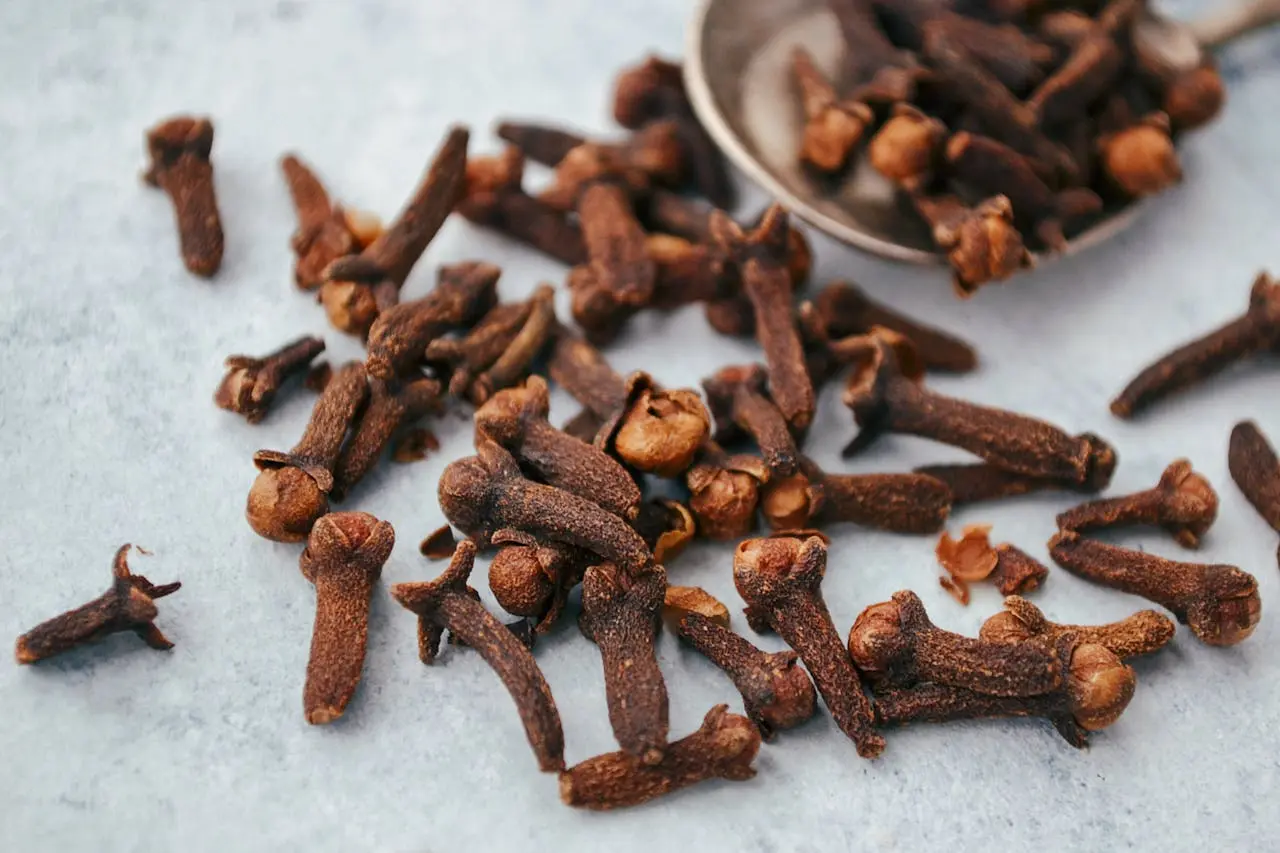
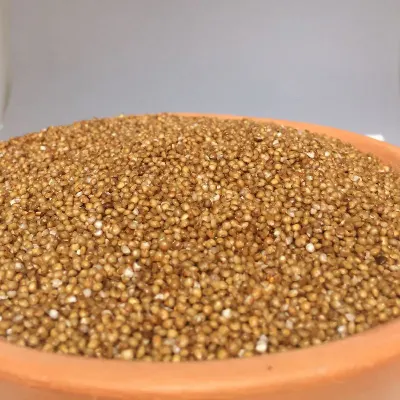
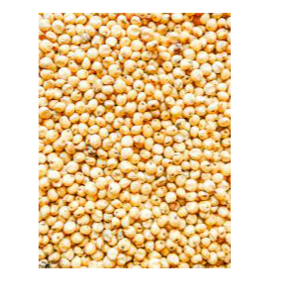
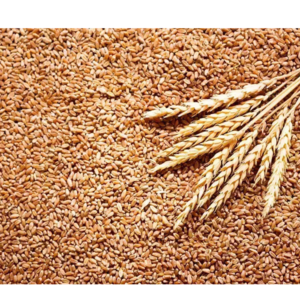
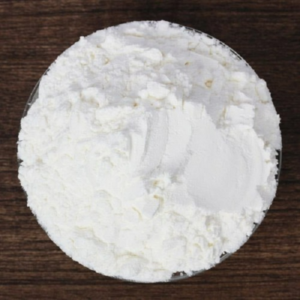
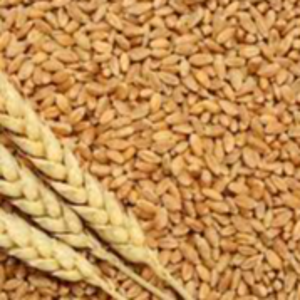
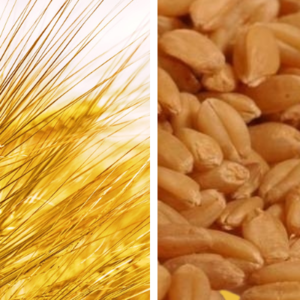
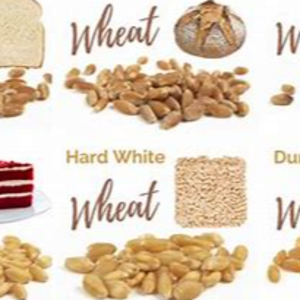
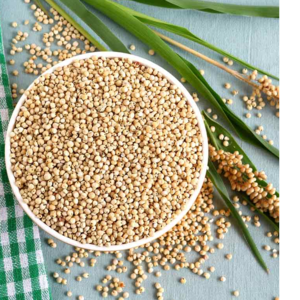
From the catalogue, Manna Groups Ltd supplies wheat grains, sorghum, canary seeds, chickpeas, red kidney beans, vanilla beans, black and white pepper, cloves and peanuts, together with HDPE plastic pallets for bulk handling. In the global grain market, wheat is commonly graded by protein content (10‑12 % for milling wheat) and moisture (≤14 %). Sorghum grades are defined by test weight (70‑75 kg/hl) and impurity limits (<2 %). Canary seeds for bird feed are usually evaluated on germination rate (>80 %) and moisture (<12 %).
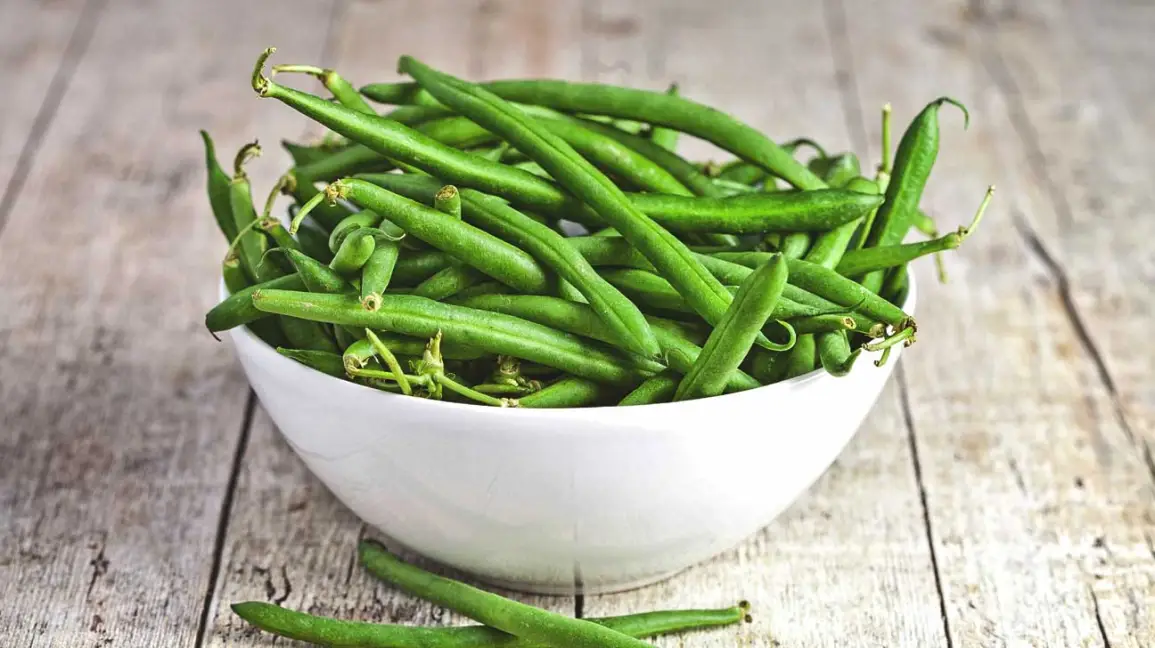
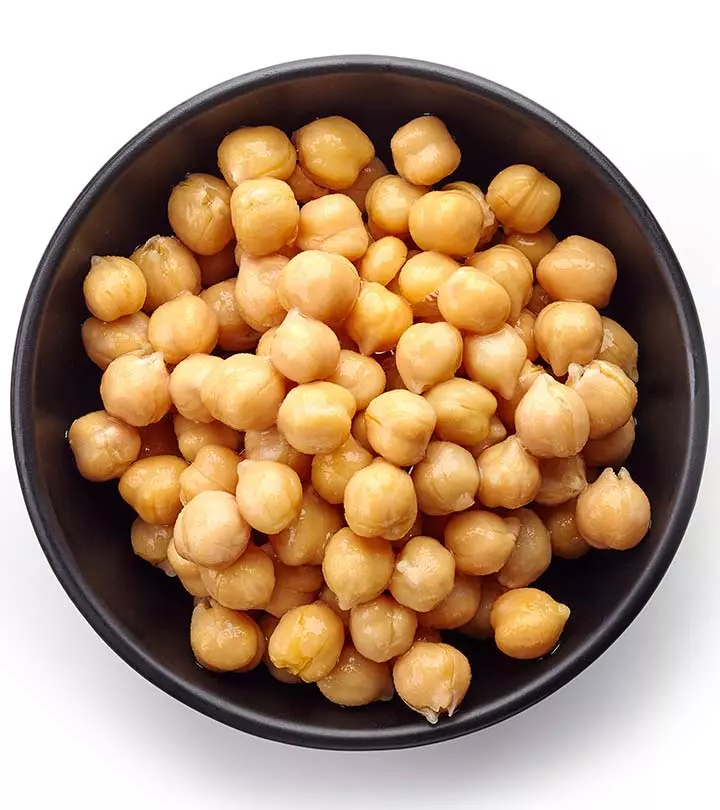
Legumes such as chickpeas and kidney beans are typically sorted by size, moisture (<13 %) and foreign matter (<1 %). Vanilla beans are valued by vanillin content (typically 2‑2.5 % by weight) and moisture (≈30 %). Peppercorns are classified into Grade 1 (large, uniform, <0.5 % moisture) and Grade 2, while cloves are assessed on oil content (≈15 %) and size. Peanuts are commonly graded by aflatoxin limits (<10 µg/kg) and moisture (<6 %).
Trade and Export Information - Manna Groups Ltd
South Africa exports cereals, legumes and spices primarily to the European Union, the Middle East and Asian markets such as China and Japan. The HS‑4 code families in the catalogue (e.g., 1001 for wheat, 0713 for beans, 0904‑0907 for spices) are subject to standard customs duties and often require a phytosanitary certificate issued by the South African Department of Agriculture. Buyers typically request certificates of origin, ISO 22000 or HACCP compliance for food safety, and where applicable, organic certification for premium markets.
Bulk grains and legumes are usually packed in 1‑tonne jute or polypropylene bags, while spices are shipped in 25 kg fiber drums or food‑grade bulk containers. Plastic pallets made of HDPE can be loaded onto 20‑ft or 40‑ft containers, enabling full container loads of up to 22 tonnes. Common Incoterms for South African food exporters include FOB Durban or CIF Rotterdam, with freight forwarders handling temperature‑controlled transport for sensitive items such as vanilla beans.
Sourcing from Manna Groups Ltd - Buyer Guidance
Purchasers should request a recent phytosanitary certificate, a commodity analysis report (moisture, protein, foreign matter) and, where relevant, an organic or HACCP audit report before placing an order. For spices, a certificate of analysis confirming vanillin content for vanilla or oil content for cloves helps verify quality. Samples are typically supplied in 1 kg quantities for spices and 5 kg for grains, allowing laboratory testing against the specifications mentioned above.
Before confirming a shipment, buyers should verify the HS code alignment, packaging type (e.g., 1‑tonne bags for wheat) and container loading plan to avoid freight discrepancies. Minimum order quantities for bulk grains often start at a 20‑ft container (≈22 tonnes), while spices may be ordered in multiples of 500 kg. Lead times from South Africa range from 30 to 45 days for grains and up to 60 days for vanilla beans due to processing requirements.
Frequently Asked Questions About Manna Groups Ltd
What HS codes does Manna Groups Ltd use for its wheat grains?
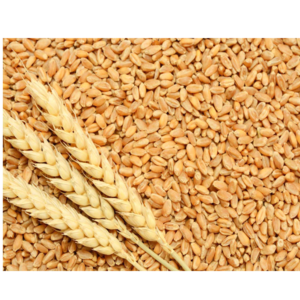
Wheat grains are listed under HS code 1001.99, which falls within Chapter 10 for cereals. This code applies to wheat that is not specified for a particular use and is typically exported in bulk bags.
Which certifications should a buyer request for the spice products from Manna Groups Ltd?
Buyers should ask for a phytosanitary certificate, a certificate of analysis confirming oil content for cloves and vanillin percentage for vanilla, and, if needed for premium markets, an organic or ISO 22000 food safety certification.
What packaging is standard for the sorghum supplied by Manna Groups Ltd?
Sorghum is usually packed in 1‑tonne polypropylene bags that meet international bulk‑handling standards, allowing stacking on HDPE pallets for container loading.
How are the black and white peppercorns graded for export?
Peppercorns are commonly graded as Grade 1 (large, uniform, moisture ≤0.5 %) or Grade 2 (slightly smaller, moisture ≤0.8 %). The catalogue does not specify a grade, so buyers should request the grade and moisture test results.
What is the typical lead time for vanilla bean shipments from South Africa?
Lead time for vanilla beans is generally 45‑60 days, reflecting curing, quality testing and export documentation processes.
Are the plastic pallets provided by Manna Groups Ltd reusable for international shipments?
The pallets are made of HDPE and conform to HS code 3923.90 for plastic pallets; they are designed for multiple uses and can be loaded onto standard 20‑ft or 40‑ft containers under FOB or CIF terms.
What documentation is needed to clear the peanuts (HS 1202.42) through customs?
Importers should provide a phytosanitary certificate, a certificate of origin, and a test report confirming aflatoxin levels are below 10 µg/kg, which is the typical maximum residue limit for peanuts.




 , South Africa