Mandala — Verified Supplier

About Mandala - Textile Products Supplier in United States

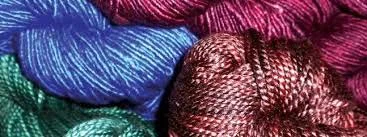
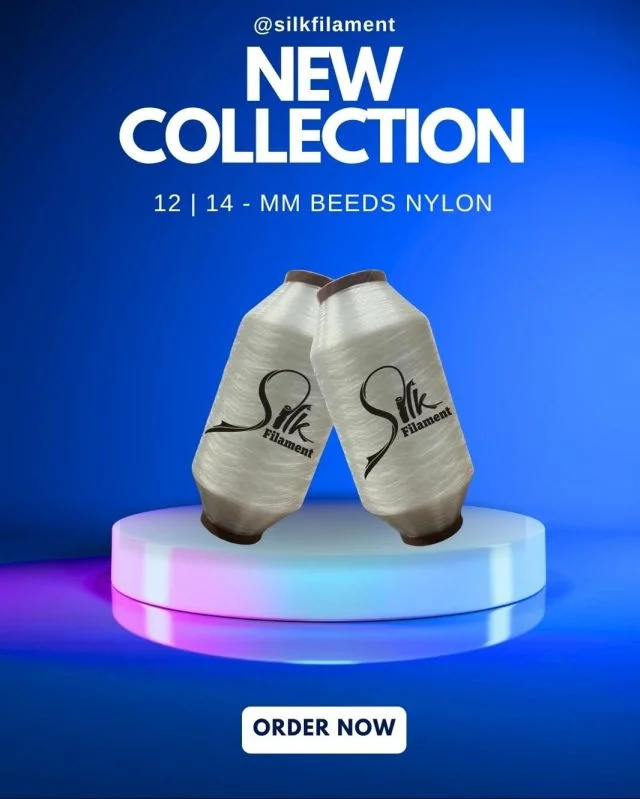
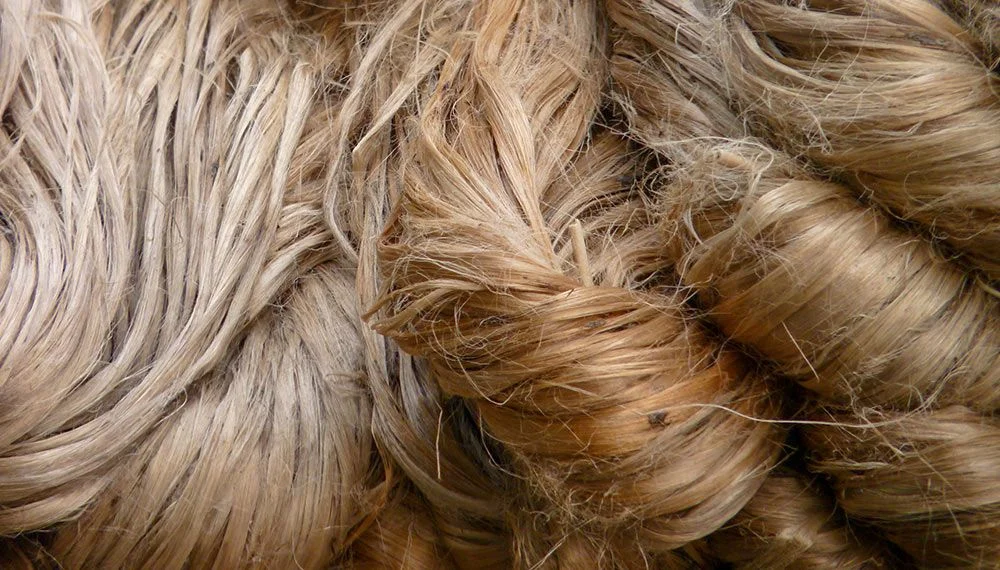
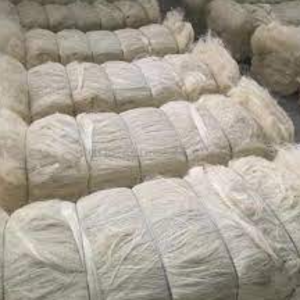
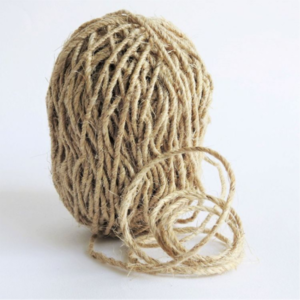
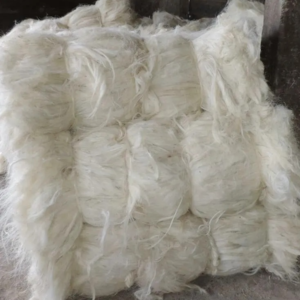
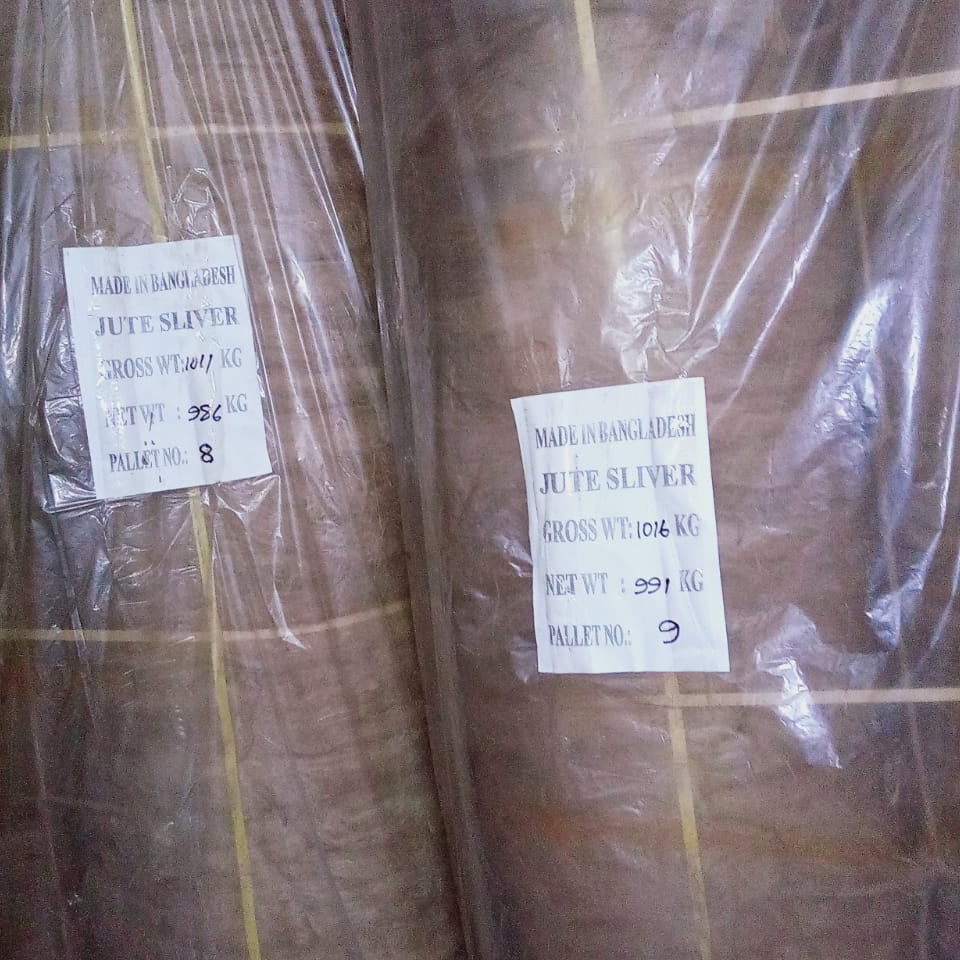
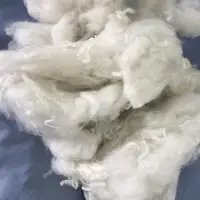
Mandala is based in the state of Arizona, United States, and currently lists eight active products across its catalogue. The product set includes raw jute fiber, denim jeans, ladies dresses, t‑shirts, sweaters, potatoes, a 100 % recycled blended yarn identified under HS code 5504.10, and a generic yarn offering. Each item is grouped under broader categories such as Jute Fiber, Jeans & Denim Wear, Other Ladies Dresses, Shirts & T‑Shirts, Woolen Clothing/Sweater, Fresh Potato, Blended Yarn and Textile Yarn & Thread. The catalogue reflects a focus on both agricultural raw material (potatoes, jute) and finished or semi‑finished textile goods, with the recycled yarn explicitly noted as a blend of viscose and cotton.

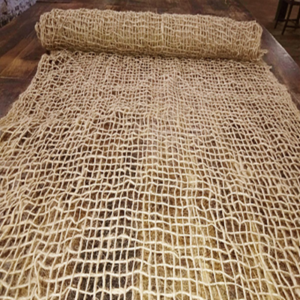
The listed products span typical commodity specifications: raw jute fiber is a natural bast fibre used for sacks and geotextiles; denim jeans are cotton twill garments; ladies dresses and t‑shirts are cut from woven or knit fabrics; sweaters are woolen knitwear; potatoes are fresh tubers for food markets; the recycled blended yarn combines reclaimed viscose with cotton, meeting the HS 5504.10 classification for mixed man‑made staple fibres; and the generic yarn likely covers a range of cotton or synthetic counts. This mix positions Mandala as a supplier that bridges primary agricultural outputs and downstream textile manufacturing, offering both raw inputs and finished apparel items.

Product Range and Specialties of Mandala

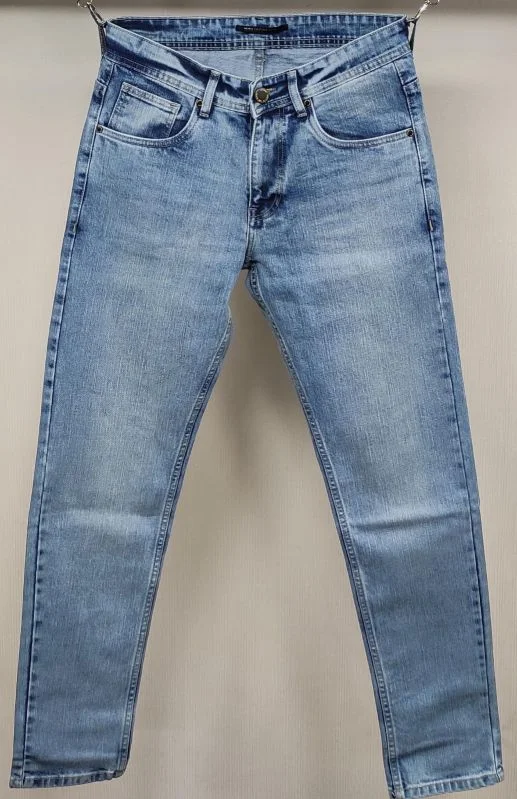
Mandala’s catalogue presents raw jute fiber, which in the global market is commonly graded by length (12‑14 mm) and moisture content (≤12 %). Denim jeans listed are typically 100 % cotton, 12‑14 oz weight, with a 14‑18 inch inseam range for standard cuts. Ladies dresses and t‑shirts generally use woven or knit cotton blends, with fabric weights between 120‑150 g/m² for dresses and 140‑180 g/m² for t‑shirts. Sweaters are usually wool or wool‑blend knits, measured by gauge (e.g., 4.5 mm needle) and yarn count (e.g., 20‑30 Nm). The recycled blended yarn under HS 5504.10 is described as a mix of viscose and cotton; industry standards often target a tensile strength of 30‑40 MPa and a moisture regain of 8‑10 %. The generic yarn entry likely covers yarns ranging from 20‑80 Nm in cotton, polyester or blended formats, packed in 25 kg bags for export.

Trade and Export Information - Mandala

United States exporters of jute and recycled textile fibres typically ship to European Union markets, India and Southeast Asia, where demand for sustainable raw materials is strong. HS chapter 55 (man‑made fibres) and chapter 53 (jute and other vegetable textile fibres) govern most of Mandala’s textile items, while HS 0701 covers fresh potatoes for food‑grade trade. Buyers often require certifications such as Oeko‑Tex Standard 100 for textile safety, GOTS for organic fibre content, and USDA Organic for any organic‑labelled apparel. For potatoes, a phytosanitary certificate and compliance with the Codex Alimentarius standards for moisture (<22 %) and foreign matter (<0.5 %) are standard. Export logistics from Arizona commonly use 20‑foot containers for yarn and fabric rolls, and refrigerated containers (reefers) for potatoes, with Incoterms CIF or FOB prevailing in most contracts.

Sourcing from Mandala - Buyer Guidance

When sourcing raw jute fiber from Mandala, buyers should request a fiber analysis report confirming length, moisture and tensile strength, as well as a declaration of any chemical treatments. For denim jeans, ladies dresses, t‑shirts and sweaters, buyers normally ask for fabric composition certificates, wash‑fastness test results, and, if applicable, organic fibre certifications. The recycled blended yarn should be accompanied by a material safety data sheet (MSDS) and a test report showing the viscose‑cotton ratio, tensile strength and any residual solvent levels. Potato shipments require a phytosanitary certificate, a lab analysis of sugar content (Brix) and a moisture content test; buyers often set a minimum order of one metric ton to justify refrigerated transport. Across all categories, confirming the supplier’s compliance with relevant HS codes, packaging specifications (e.g., 25 kg bags for yarn, vacuum‑sealed packs for potatoes) and lead‑time estimates (typically 30‑45 days from order confirmation) helps mitigate risk.

Frequently Asked Questions About Mandala

What product categories does Mandala list in its catalogue?

Mandala lists raw jute fiber, denim jeans, ladies dresses, t‑shirts, sweaters, potatoes, a 100 % recycled blended yarn (HS 5504.10) and a generic yarn.

Is the recycled blended yarn certified organic?

The facts do not specify any certification for the recycled blended yarn; buyers should request any organic or sustainability certificates directly from the supplier.

Which HS code applies to the recycled blended yarn?

The recycled blended yarn is classified under HS code 5504.10, which covers mixed man‑made staple fibres not further processed.

What documentation is typically required for potato exports from the United States?

Buyers normally require a phytosanitary certificate, a moisture content test (below 22 %), and a lab report on sugar (Brix) levels to meet international food‑safety standards.

What are the common quality specifications for raw jute fiber?

Typical specifications include fibre length of 12‑14 mm, moisture content ≤12 %, and tensile strength around 30‑35 MPa; buyers should request a test report confirming these parameters.

How is denim usually specified for international buyers?

Denim is generally specified as 100 % cotton, 12‑14 oz weight, with a 14‑18 inch inseam for standard cuts; wash‑fastness and colour‑fastness test results are commonly requested.

What packaging formats are standard for yarn shipments?

Yarn is often packed in 25 kg polypropylene bags or sealed plastic sacks, suitable for container loading; buyers may ask for packaging dimensions and weight per container.

Which certifications should a buyer verify for textile products from the United States?

Typical certifications include Oeko‑Tex Standard 100 for safety, GOTS for organic fibre content, and any USDA Organic label if the product claims organic status; buyers should request copies of these certificates before finalizing the order.


Other Suppliers in Jute Fiber

Top Trusted Suppliers

Related Products in Jute Fiber

Trending in Parent Category

More Suppliers in Parent Category

Related Products

Other Suppliers

EximNext
58.4K+ live requirements
Register Free🎁 5 free buy-lead credits
Post Requirement
🌍 Trusted by 224.4K+ businesses in 200+ countries|
58.4K+ active requirements right now
✉️ [email protected]
|
Sell on EximNextPost Requirement
EximNext
AgricultureApparelConstructionElectronicFoodHomeIndustrialMineralsMiscellaneous
🔥 Deals|✨ AI Match|🏭 Suppliers|📋 Buy Leads|💰 Trade Finance|⭐ Upgrade
58.4K+ live RFQs·194.5K+ suppliers
🎁 5 free credits →
EximNext
EximNext
Register Free
🎁 5 free buy-lead credits
Sign In
📋Post Requirement💬Get QuotesAI Match📋RFQ Marketplace
All Categories
Services & Tools
🏭Supplier Directory🔥Today's Deals💰Trade FinanceMembership
Sell on EximNext
AboutContactBlogHelp
🏭

Mandala

Harbor
Country flag , United States
🛡️
57/100
Trust Score

Mandala Product Catalog

Showing 8 of 8 products
View all products →
Potatoes
Harbor
Potatoes
Contact
MOQ: 1 Unit
100% Recycled Blended Yarn
Harbor
100% Recycled Blended Yarn
Contact
MOQ: 1 Unit
Yarn
Harbor
Yarn
Contact
MOQ: 1 Unit
Denim Jeans
Harbor
Denim Jeans
Contact
MOQ: 1 Unit
Ladies Dresses
Harbor
Ladies Dresses
Contact
MOQ: 1 Unit
T-shirt
Harbor
T-shirt
Contact
MOQ: 1 Unit
Sweater
Harbor
Sweater
Contact
MOQ: 1 Unit
Raw Jute Fiber
Harbor
Raw Jute Fiber
Contact
MOQ: 1 Unit

About Mandala - Textile Products Supplier in United States

Mandala is based in the state of Arizona, United States, and currently lists eight active products across its catalogue. The product set includes raw jute fiber, denim jeans, ladies dresses, t‑shirts, sweaters, potatoes, a 100 % recycled blended yarn identified under HS code 5504.10, and a generic yarn offering. Each item is grouped under broader categories such as Jute Fiber, Jeans & Denim Wear, Other Ladies Dresses, Shirts & T‑Shirts, Woolen Clothing/Sweater, Fresh Potato, Blended Yarn and Textile Yarn & Thread. The catalogue reflects a focus on both agricultural raw material (potatoes, jute) and finished or semi‑finished textile goods, with the recycled yarn explicitly noted as a blend of viscose and cotton.

The listed products span typical commodity specifications: raw jute fiber is a natural bast fibre used for sacks and geotextiles; denim jeans are cotton twill garments; ladies dresses and t‑shirts are cut from woven or knit fabrics; sweaters are woolen knitwear; potatoes are fresh tubers for food markets; the recycled blended yarn combines reclaimed viscose with cotton, meeting the HS 5504.10 classification for mixed man‑made staple fibres; and the generic yarn likely covers a range of cotton or synthetic counts. This mix positions Mandala as a supplier that bridges primary agricultural outputs and downstream textile manufacturing, offering both raw inputs and finished apparel items.

Product Range and Specialties of Mandala

Mandala’s catalogue presents raw jute fiber, which in the global market is commonly graded by length (12‑14 mm) and moisture content (≤12 %). Denim jeans listed are typically 100 % cotton, 12‑14 oz weight, with a 14‑18 inch inseam range for standard cuts. Ladies dresses and t‑shirts generally use woven or knit cotton blends, with fabric weights between 120‑150 g/m² for dresses and 140‑180 g/m² for t‑shirts. Sweaters are usually wool or wool‑blend knits, measured by gauge (e.g., 4.5 mm needle) and yarn count (e.g., 20‑30 Nm). The recycled blended yarn under HS 5504.10 is described as a mix of viscose and cotton; industry standards often target a tensile strength of 30‑40 MPa and a moisture regain of 8‑10 %. The generic yarn entry likely covers yarns ranging from 20‑80 Nm in cotton, polyester or blended formats, packed in 25 kg bags for export.

Trade and Export Information - Mandala

United States exporters of jute and recycled textile fibres typically ship to European Union markets, India and Southeast Asia, where demand for sustainable raw materials is strong. HS chapter 55 (man‑made fibres) and chapter 53 (jute and other vegetable textile fibres) govern most of Mandala’s textile items, while HS 0701 covers fresh potatoes for food‑grade trade. Buyers often require certifications such as Oeko‑Tex Standard 100 for textile safety, GOTS for organic fibre content, and USDA Organic for any organic‑labelled apparel. For potatoes, a phytosanitary certificate and compliance with the Codex Alimentarius standards for moisture (<22 %) and foreign matter (<0.5 %) are standard. Export logistics from Arizona commonly use 20‑foot containers for yarn and fabric rolls, and refrigerated containers (reefers) for potatoes, with Incoterms CIF or FOB prevailing in most contracts.

Sourcing from Mandala - Buyer Guidance

When sourcing raw jute fiber from Mandala, buyers should request a fiber analysis report confirming length, moisture and tensile strength, as well as a declaration of any chemical treatments. For denim jeans, ladies dresses, t‑shirts and sweaters, buyers normally ask for fabric composition certificates, wash‑fastness test results, and, if applicable, organic fibre certifications. The recycled blended yarn should be accompanied by a material safety data sheet (MSDS) and a test report showing the viscose‑cotton ratio, tensile strength and any residual solvent levels. Potato shipments require a phytosanitary certificate, a lab analysis of sugar content (Brix) and a moisture content test; buyers often set a minimum order of one metric ton to justify refrigerated transport. Across all categories, confirming the supplier’s compliance with relevant HS codes, packaging specifications (e.g., 25 kg bags for yarn, vacuum‑sealed packs for potatoes) and lead‑time estimates (typically 30‑45 days from order confirmation) helps mitigate risk.

Frequently Asked Questions About Mandala

What product categories does Mandala list in its catalogue?

Mandala lists raw jute fiber, denim jeans, ladies dresses, t‑shirts, sweaters, potatoes, a 100 % recycled blended yarn (HS 5504.10) and a generic yarn.

Is the recycled blended yarn certified organic?

The facts do not specify any certification for the recycled blended yarn; buyers should request any organic or sustainability certificates directly from the supplier.

Which HS code applies to the recycled blended yarn?

The recycled blended yarn is classified under HS code 5504.10, which covers mixed man‑made staple fibres not further processed.

What documentation is typically required for potato exports from the United States?

Buyers normally require a phytosanitary certificate, a moisture content test (below 22 %), and a lab report on sugar (Brix) levels to meet international food‑safety standards.

What are the common quality specifications for raw jute fiber?

Typical specifications include fibre length of 12‑14 mm, moisture content ≤12 %, and tensile strength around 30‑35 MPa; buyers should request a test report confirming these parameters.

How is denim usually specified for international buyers?

Denim is generally specified as 100 % cotton, 12‑14 oz weight, with a 14‑18 inch inseam for standard cuts; wash‑fastness and colour‑fastness test results are commonly requested.

What packaging formats are standard for yarn shipments?

Yarn is often packed in 25 kg polypropylene bags or sealed plastic sacks, suitable for container loading; buyers may ask for packaging dimensions and weight per container.

Which certifications should a buyer verify for textile products from the United States?

Typical certifications include Oeko‑Tex Standard 100 for safety, GOTS for organic fibre content, and any USDA Organic label if the product claims organic status; buyers should request copies of these certificates before finalizing the order.

About Mandala - Textile Products Supplier in United States

Mandala is based in the state of Arizona, United States, and currently lists eight active products across its catalogue. The product set includes raw jute fiber, denim jeans, ladies dresses, t‑shirts, sweaters, potatoes, a 100 % recycled blended yarn identified under HS code 5504.10, and a generic yarn offering. Each item is grouped under broader categories such as Jute Fiber, Jeans & Denim Wear, Other Ladies Dresses, Shirts & T‑Shirts, Woolen Clothing/Sweater, Fresh Potato, Blended Yarn and Textile Yarn & Thread. The catalogue reflects a focus on both agricultural raw material (potatoes, jute) and finished or semi‑finished textile goods, with the recycled yarn explicitly noted as a blend of viscose and cotton.

The listed products span typical commodity specifications: raw jute fiber is a natural bast fibre used for sacks and geotextiles; denim jeans are cotton twill garments; ladies dresses and t‑shirts are cut from woven or knit fabrics; sweaters are woolen knitwear; potatoes are fresh tubers for food markets; the recycled blended yarn combines reclaimed viscose with cotton, meeting the HS 5504.10 classification for mixed man‑made staple fibres; and the generic yarn likely covers a range of cotton or synthetic counts. This mix positions Mandala as a supplier that bridges primary agricultural outputs and downstream textile manufacturing, offering both raw inputs and finished apparel items.

Product Range and Specialties of Mandala

Mandala’s catalogue presents raw jute fiber, which in the global market is commonly graded by length (12‑14 mm) and moisture content (≤12 %). Denim jeans listed are typically 100 % cotton, 12‑14 oz weight, with a 14‑18 inch inseam range for standard cuts. Ladies dresses and t‑shirts generally use woven or knit cotton blends, with fabric weights between 120‑150 g/m² for dresses and 140‑180 g/m² for t‑shirts. Sweaters are usually wool or wool‑blend knits, measured by gauge (e.g., 4.5 mm needle) and yarn count (e.g., 20‑30 Nm). The recycled blended yarn under HS 5504.10 is described as a mix of viscose and cotton; industry standards often target a tensile strength of 30‑40 MPa and a moisture regain of 8‑10 %. The generic yarn entry likely covers yarns ranging from 20‑80 Nm in cotton, polyester or blended formats, packed in 25 kg bags for export.

Trade and Export Information - Mandala

United States exporters of jute and recycled textile fibres typically ship to European Union markets, India and Southeast Asia, where demand for sustainable raw materials is strong. HS chapter 55 (man‑made fibres) and chapter 53 (jute and other vegetable textile fibres) govern most of Mandala’s textile items, while HS 0701 covers fresh potatoes for food‑grade trade. Buyers often require certifications such as Oeko‑Tex Standard 100 for textile safety, GOTS for organic fibre content, and USDA Organic for any organic‑labelled apparel. For potatoes, a phytosanitary certificate and compliance with the Codex Alimentarius standards for moisture (<22 %) and foreign matter (<0.5 %) are standard. Export logistics from Arizona commonly use 20‑foot containers for yarn and fabric rolls, and refrigerated containers (reefers) for potatoes, with Incoterms CIF or FOB prevailing in most contracts.

Sourcing from Mandala - Buyer Guidance

When sourcing raw jute fiber from Mandala, buyers should request a fiber analysis report confirming length, moisture and tensile strength, as well as a declaration of any chemical treatments. For denim jeans, ladies dresses, t‑shirts and sweaters, buyers normally ask for fabric composition certificates, wash‑fastness test results, and, if applicable, organic fibre certifications. The recycled blended yarn should be accompanied by a material safety data sheet (MSDS) and a test report showing the viscose‑cotton ratio, tensile strength and any residual solvent levels. Potato shipments require a phytosanitary certificate, a lab analysis of sugar content (Brix) and a moisture content test; buyers often set a minimum order of one metric ton to justify refrigerated transport. Across all categories, confirming the supplier’s compliance with relevant HS codes, packaging specifications (e.g., 25 kg bags for yarn, vacuum‑sealed packs for potatoes) and lead‑time estimates (typically 30‑45 days from order confirmation) helps mitigate risk.

Frequently Asked Questions About Mandala
What product categories does Mandala list in its catalogue?
Mandala lists raw jute fiber, denim jeans, ladies dresses, t‑shirts, sweaters, potatoes, a 100 % recycled blended yarn (HS 5504.10) and a generic yarn.
Is the recycled blended yarn certified organic?
The facts do not specify any certification for the recycled blended yarn; buyers should request any organic or sustainability certificates directly from the supplier.
Which HS code applies to the recycled blended yarn?
The recycled blended yarn is classified under HS code 5504.10, which covers mixed man‑made staple fibres not further processed.
What documentation is typically required for potato exports from the United States?
Buyers normally require a phytosanitary certificate, a moisture content test (below 22 %), and a lab report on sugar (Brix) levels to meet international food‑safety standards.
What are the common quality specifications for raw jute fiber?
Typical specifications include fibre length of 12‑14 mm, moisture content ≤12 %, and tensile strength around 30‑35 MPa; buyers should request a test report confirming these parameters.
How is denim usually specified for international buyers?
Denim is generally specified as 100 % cotton, 12‑14 oz weight, with a 14‑18 inch inseam for standard cuts; wash‑fastness and colour‑fastness test results are commonly requested.
What packaging formats are standard for yarn shipments?
Yarn is often packed in 25 kg polypropylene bags or sealed plastic sacks, suitable for container loading; buyers may ask for packaging dimensions and weight per container.
Which certifications should a buyer verify for textile products from the United States?
Typical certifications include Oeko‑Tex Standard 100 for safety, GOTS for organic fibre content, and any USDA Organic label if the product claims organic status; buyers should request copies of these certificates before finalizing the order.

🏭
Mandala
Country flag , United States
Harbor
57/100
Trust Score
📦
8
Products
Free to contact — no commission
Escrow payment available
Verified business identity
Compare more suppliers
Post a requirement — get 10 quotes free
Let verified suppliers compete for your business. Free, fast, no commitment.
EximNext Verified Supplier
Business identity verified
Physical address confirmed
Financial history checked
Certifications authenticated
Trade references validated
Due Diligence
Verify this supplier's real shipping history.
Every shipment, every buyer, every port. Trade data that can't be faked.
Run due diligence →
Discover More

Related Suppliers & Products

Explore similar suppliers, related products and trending categories

Other Suppliers in Jute Fiber

Top Trusted Suppliers

Related Products in Jute Fiber

Trending in Parent Category

More Suppliers in Parent Category

Stay ahead in global trade
Weekly market insights & new supplier alerts.
EximNext
Exim Next is a leading global B2B marketplace, connecting over 205,000 verified suppliers and buyers across 200+ countries. As a trusted import export marketplace, it serves as the essential B2B portal for businesses worldwide, empowering them to expand their international reach. With Exim Next, businesses can trade smarter and grow faster.
SECURE PAYMENTS
VISAMastercardPayPalSWIFTL/CEscrow
Follow us
© 2026 EximNext