globus exim — Verified Supplier

About globus exim - Eco Friendly Bags Supplier in India

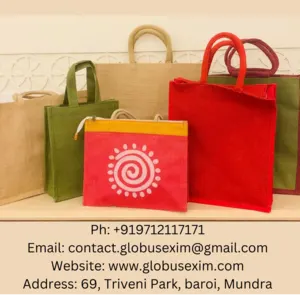
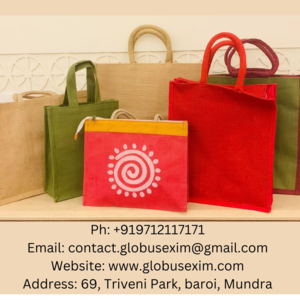
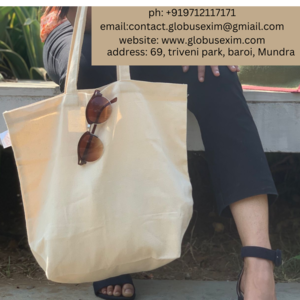
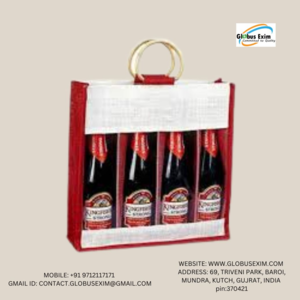
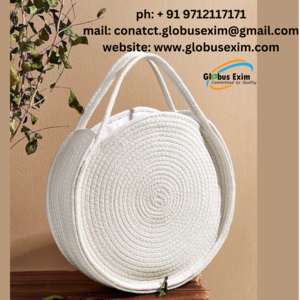
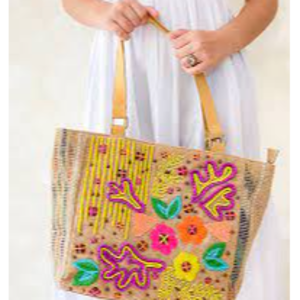
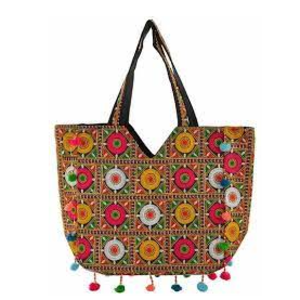
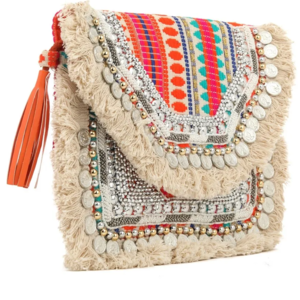
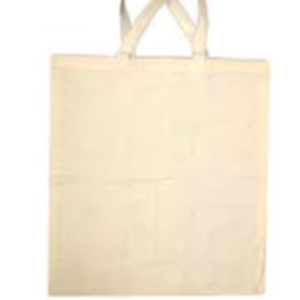
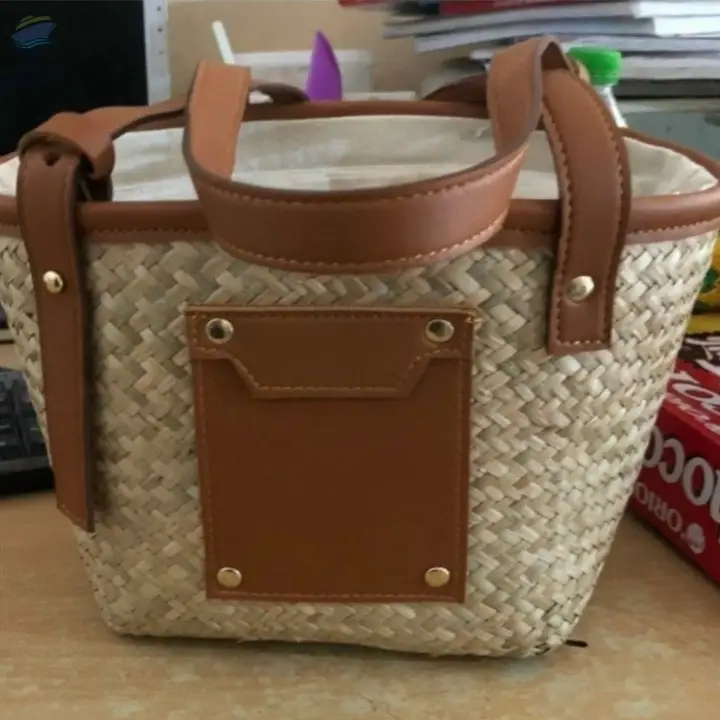
India, Kutch in Gujarat hosts globus exim, which currently lists seven active products in its catalogue. The company focuses on reusable bags made from natural fibres and cotton, covering items such as jute bags, juco bags, cotton bags, jute bottle bags, jute drawstring bags, and cotton shoulder bags. Each product is identified with its corresponding HS‑code family, for example jute bag (HS 4202.92.90) and cotton bag (HS 6305.90). The catalogue reflects a mix of single‑material and blended‑material items, with jute‑cotton blends appearing under the juco bag entry (HS 6305.10).

The product list includes both standard tote‑style bags and specialized formats such as drawstring and bottle bags. Materials are limited to jute, cotton, and a jute‑cotton blend, matching the eco‑friendly positioning of the range. The HS codes fall under Chapter 42 for luggage and Chapter 63 for other made‑up textile articles, indicating typical customs treatment for bag products. The supplier’s catalogue therefore spans the primary textile‑bag categories exported from India.

Product Range and Specialties of globus exim

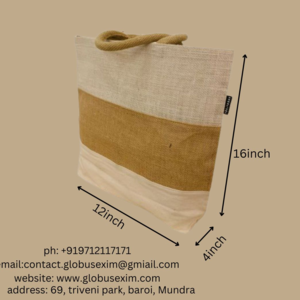
The catalogue offers jute bags (HS 4202.92.90), juco bags made of jute‑cotton blend (HS 6305.10), pure cotton bags (HS 6305.90), jute bottle bags (HS 6305.90), two entries for jute drawstring bags (HS 6305.10 and HS 6305.90), and cotton shoulder bags (HS 4202.92). In the broader market, jute bags are commonly produced in weights of 150‑250 gsm with tensile strengths of 30‑45 MPa, while cotton bags typically range from 120‑200 gsm and meet ISO 9001‑based quality checks. Drawstring variants often use reinforced stitching and may be coated for moisture resistance. Juco bags, blending jute and cotton, are valued for improved durability and a smoother surface, with typical blend ratios of 70 % jute to 30 % cotton. Buyers frequently request specifications such as bag dimensions, handle strength, and load‑bearing capacity measured in kilograms.

Trade and Export Information - globus exim

India ranks among the top exporters of jute and cotton textile bags, supplying mainly the European Union, United States, and Middle‑East markets. HS 4202 and HS 6305 chapters are subject to standard customs inspections, and many importers require phytosanitary certificates for natural fibre products to prevent pest entry. Commonly requested certifications include ISO 9001 for quality management, FSC or PEFC for responsibly sourced jute, and Oeko‑Tex Standard 100 for cotton textiles that are free from harmful substances. Export shipments are typically packed in standard export cartons, loaded in 20‑ft or 40‑ft containers, and shipped under Incoterms such as FOB Kutch or CIF destination port. Indian exporters often work with freight forwarders familiar with handling bulk textile bags, ensuring proper ventilation and moisture control during transit.

Sourcing from globus exim - Buyer Guidance

When sourcing from globus exim, buyers should request a product data sheet that lists material composition, gram weight (gsm), bag dimensions, and load‑bearing test results. Sample bags should be examined for seam strength, handle attachment method, and any coating or water‑repellent treatment. Buyers are advised to verify the supplier’s ISO 9001 certificate or any third‑party audit reports, and to confirm that jute originates from certified farms if sustainability claims are required. Typical minimum order quantities for single‑material bags range from 500 to 1,000 units, with lead times of 30‑45 days after sample approval. Packaging specifications usually involve double‑wall cartons with inner dividers to prevent bag deformation, and containers are sealed according to Indian export regulations.

Frequently Asked Questions About globus exim

What HS codes apply to the bags offered by globus exim?

The catalogue uses HS 4202.92.90 for jute bags, HS 4202.92 for cotton shoulder bags, and HS 6305 series (6305.10 and 6305.90) for juco, cotton, and drawstring bags. These codes fall under Chapter 42 for luggage and Chapter 63 for other textile articles.

Which materials are used in the supplier’s bag range?

Materials include 100 % jute, 100 % cotton, and a jute‑cotton blend (approximately 70 % jute, 30 % cotton). Each product entry specifies its material in the catalogue.

Are there standard quality specifications for these bags?

Industry standards for jute bags typically require a minimum weight of 150 gsm and tensile strength of 30 MPa, while cotton bags often meet 120 gsm and 25 MPa. Buyers usually request test reports confirming these parameters.

What certifications should a buyer request from globus exim?

Since no certifications are listed in the supplier’s facts, buyers should request ISO 9001 for quality management and, if sustainability is important, FSC or PEFC certification for jute fibre. Additional Oeko‑Tex Standard 100 may be relevant for cotton items.

What are typical packaging and shipping methods for these bags?

Bags are commonly packed in export‑grade cardboard cartons, stacked to avoid crushing, and loaded into 20‑ft or 40‑ft containers. Shipping terms such as FOB Kutch or CIF destination are standard for Indian textile bag exporters.

What minimum order quantities and lead times can a buyer expect?

MOQ usually starts at 500 units per style, with larger volumes receiving price efficiencies. Lead times are generally 30‑45 days after sample approval and receipt of purchase order.

How can a buyer obtain samples before placing a full order?

Buyers should request a sample quotation specifying the bag style, material, and dimensions. The supplier will dispatch a pre‑production sample for inspection of seam strength, handle attachment, and material quality before confirming the final order.


Featured Products from globus exim

Other Suppliers in Nylon Bags

Top Trusted Suppliers

Related Products in Nylon Bags

Trending in Parent Category

More Suppliers in Parent Category

Related Products

Other Suppliers

EximNext
58.4K+ live requirements
Register Free🎁 5 free buy-lead credits
Post Requirement
🌍 Trusted by 224.3K+ businesses in 200+ countries|
58.4K+ active requirements right now
✉️ [email protected]
|
Sell on EximNextPost Requirement
EximNext
AgricultureApparelConstructionElectronicFoodHomeIndustrialMineralsMiscellaneous
🔥 Deals|✨ AI Match|🏭 Suppliers|📋 Buy Leads|💰 Trade Finance|⭐ Upgrade
58.4K+ live RFQs·194.4K+ suppliers
🎁 5 free credits →
EximNext
EximNext
Register Free
🎁 5 free buy-lead credits
Sign In
📋Post Requirement💬Get QuotesAI Match📋RFQ Marketplace
All Categories
Services & Tools
🏭Supplier Directory🔥Today's Deals💰Trade FinanceMembership
Sell on EximNext
AboutContactBlogHelp
globus exim

globus exim

🚢 Voyage
Country flag Kutch, India
🛡️
63/100
Trust Score

globus exim Product Catalog

Showing 7 of 7 products
View all products →
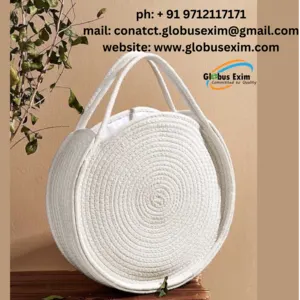
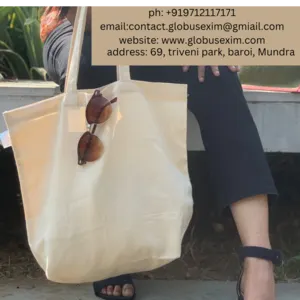
cotton shoulder bag
🚢 Voyage
cotton shoulder bag
Contact
MOQ: 1 Unit
jute drawstring bag
🚢 Voyage
jute drawstring bag
Contact
MOQ: 1 Unit
jute drawstring bag
🚢 Voyage
jute drawstring bag
Contact
MOQ: 1 Unit
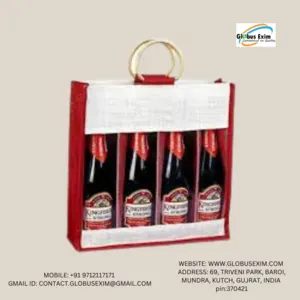
jute bottle bag
🚢 Voyage
jute bottle bag
Contact
MOQ: 1 Unit
cotton bag
🚢 Voyage
cotton bag
Contact
MOQ: 1 Unit
juco bags
🚢 Voyage
juco bags
Contact
MOQ: 1 Unit
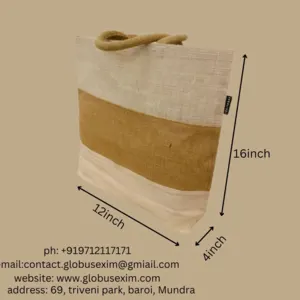
jute bag
🚢 Voyage
jute bag
Contact
MOQ: 1 Unit

About globus exim - Eco Friendly Bags Supplier in India

India, Kutch in Gujarat hosts globus exim, which currently lists seven active products in its catalogue. The company focuses on reusable bags made from natural fibres and cotton, covering items such as jute bags, juco bags, cotton bags, jute bottle bags, jute drawstring bags, and cotton shoulder bags. Each product is identified with its corresponding HS‑code family, for example jute bag (HS 4202.92.90) and cotton bag (HS 6305.90). The catalogue reflects a mix of single‑material and blended‑material items, with jute‑cotton blends appearing under the juco bag entry (HS 6305.10).

The product list includes both standard tote‑style bags and specialized formats such as drawstring and bottle bags. Materials are limited to jute, cotton, and a jute‑cotton blend, matching the eco‑friendly positioning of the range. The HS codes fall under Chapter 42 for luggage and Chapter 63 for other made‑up textile articles, indicating typical customs treatment for bag products. The supplier’s catalogue therefore spans the primary textile‑bag categories exported from India.

Product Range and Specialties of globus exim

The catalogue offers jute bags (HS 4202.92.90), juco bags made of jute‑cotton blend (HS 6305.10), pure cotton bags (HS 6305.90), jute bottle bags (HS 6305.90), two entries for jute drawstring bags (HS 6305.10 and HS 6305.90), and cotton shoulder bags (HS 4202.92). In the broader market, jute bags are commonly produced in weights of 150‑250 gsm with tensile strengths of 30‑45 MPa, while cotton bags typically range from 120‑200 gsm and meet ISO 9001‑based quality checks. Drawstring variants often use reinforced stitching and may be coated for moisture resistance. Juco bags, blending jute and cotton, are valued for improved durability and a smoother surface, with typical blend ratios of 70 % jute to 30 % cotton. Buyers frequently request specifications such as bag dimensions, handle strength, and load‑bearing capacity measured in kilograms.

Trade and Export Information - globus exim

India ranks among the top exporters of jute and cotton textile bags, supplying mainly the European Union, United States, and Middle‑East markets. HS 4202 and HS 6305 chapters are subject to standard customs inspections, and many importers require phytosanitary certificates for natural fibre products to prevent pest entry. Commonly requested certifications include ISO 9001 for quality management, FSC or PEFC for responsibly sourced jute, and Oeko‑Tex Standard 100 for cotton textiles that are free from harmful substances. Export shipments are typically packed in standard export cartons, loaded in 20‑ft or 40‑ft containers, and shipped under Incoterms such as FOB Kutch or CIF destination port. Indian exporters often work with freight forwarders familiar with handling bulk textile bags, ensuring proper ventilation and moisture control during transit.

Sourcing from globus exim - Buyer Guidance

When sourcing from globus exim, buyers should request a product data sheet that lists material composition, gram weight (gsm), bag dimensions, and load‑bearing test results. Sample bags should be examined for seam strength, handle attachment method, and any coating or water‑repellent treatment. Buyers are advised to verify the supplier’s ISO 9001 certificate or any third‑party audit reports, and to confirm that jute originates from certified farms if sustainability claims are required. Typical minimum order quantities for single‑material bags range from 500 to 1,000 units, with lead times of 30‑45 days after sample approval. Packaging specifications usually involve double‑wall cartons with inner dividers to prevent bag deformation, and containers are sealed according to Indian export regulations.

Frequently Asked Questions About globus exim

What HS codes apply to the bags offered by globus exim?

The catalogue uses HS 4202.92.90 for jute bags, HS 4202.92 for cotton shoulder bags, and HS 6305 series (6305.10 and 6305.90) for juco, cotton, and drawstring bags. These codes fall under Chapter 42 for luggage and Chapter 63 for other textile articles.

Which materials are used in the supplier’s bag range?

Materials include 100 % jute, 100 % cotton, and a jute‑cotton blend (approximately 70 % jute, 30 % cotton). Each product entry specifies its material in the catalogue.

Are there standard quality specifications for these bags?

Industry standards for jute bags typically require a minimum weight of 150 gsm and tensile strength of 30 MPa, while cotton bags often meet 120 gsm and 25 MPa. Buyers usually request test reports confirming these parameters.

What certifications should a buyer request from globus exim?

Since no certifications are listed in the supplier’s facts, buyers should request ISO 9001 for quality management and, if sustainability is important, FSC or PEFC certification for jute fibre. Additional Oeko‑Tex Standard 100 may be relevant for cotton items.

What are typical packaging and shipping methods for these bags?

Bags are commonly packed in export‑grade cardboard cartons, stacked to avoid crushing, and loaded into 20‑ft or 40‑ft containers. Shipping terms such as FOB Kutch or CIF destination are standard for Indian textile bag exporters.

What minimum order quantities and lead times can a buyer expect?

MOQ usually starts at 500 units per style, with larger volumes receiving price efficiencies. Lead times are generally 30‑45 days after sample approval and receipt of purchase order.

How can a buyer obtain samples before placing a full order?

Buyers should request a sample quotation specifying the bag style, material, and dimensions. The supplier will dispatch a pre‑production sample for inspection of seam strength, handle attachment, and material quality before confirming the final order.

About globus exim - Eco Friendly Bags Supplier in India

India, Kutch in Gujarat hosts globus exim, which currently lists seven active products in its catalogue. The company focuses on reusable bags made from natural fibres and cotton, covering items such as jute bags, juco bags, cotton bags, jute bottle bags, jute drawstring bags, and cotton shoulder bags. Each product is identified with its corresponding HS‑code family, for example jute bag (HS 4202.92.90) and cotton bag (HS 6305.90). The catalogue reflects a mix of single‑material and blended‑material items, with jute‑cotton blends appearing under the juco bag entry (HS 6305.10).

The product list includes both standard tote‑style bags and specialized formats such as drawstring and bottle bags. Materials are limited to jute, cotton, and a jute‑cotton blend, matching the eco‑friendly positioning of the range. The HS codes fall under Chapter 42 for luggage and Chapter 63 for other made‑up textile articles, indicating typical customs treatment for bag products. The supplier’s catalogue therefore spans the primary textile‑bag categories exported from India.

Product Range and Specialties of globus exim

The catalogue offers jute bags (HS 4202.92.90), juco bags made of jute‑cotton blend (HS 6305.10), pure cotton bags (HS 6305.90), jute bottle bags (HS 6305.90), two entries for jute drawstring bags (HS 6305.10 and HS 6305.90), and cotton shoulder bags (HS 4202.92). In the broader market, jute bags are commonly produced in weights of 150‑250 gsm with tensile strengths of 30‑45 MPa, while cotton bags typically range from 120‑200 gsm and meet ISO 9001‑based quality checks. Drawstring variants often use reinforced stitching and may be coated for moisture resistance. Juco bags, blending jute and cotton, are valued for improved durability and a smoother surface, with typical blend ratios of 70 % jute to 30 % cotton. Buyers frequently request specifications such as bag dimensions, handle strength, and load‑bearing capacity measured in kilograms.

Trade and Export Information - globus exim

India ranks among the top exporters of jute and cotton textile bags, supplying mainly the European Union, United States, and Middle‑East markets. HS 4202 and HS 6305 chapters are subject to standard customs inspections, and many importers require phytosanitary certificates for natural fibre products to prevent pest entry. Commonly requested certifications include ISO 9001 for quality management, FSC or PEFC for responsibly sourced jute, and Oeko‑Tex Standard 100 for cotton textiles that are free from harmful substances. Export shipments are typically packed in standard export cartons, loaded in 20‑ft or 40‑ft containers, and shipped under Incoterms such as FOB Kutch or CIF destination port. Indian exporters often work with freight forwarders familiar with handling bulk textile bags, ensuring proper ventilation and moisture control during transit.

Sourcing from globus exim - Buyer Guidance

When sourcing from globus exim, buyers should request a product data sheet that lists material composition, gram weight (gsm), bag dimensions, and load‑bearing test results. Sample bags should be examined for seam strength, handle attachment method, and any coating or water‑repellent treatment. Buyers are advised to verify the supplier’s ISO 9001 certificate or any third‑party audit reports, and to confirm that jute originates from certified farms if sustainability claims are required. Typical minimum order quantities for single‑material bags range from 500 to 1,000 units, with lead times of 30‑45 days after sample approval. Packaging specifications usually involve double‑wall cartons with inner dividers to prevent bag deformation, and containers are sealed according to Indian export regulations.

Frequently Asked Questions About globus exim
What HS codes apply to the bags offered by globus exim?
The catalogue uses HS 4202.92.90 for jute bags, HS 4202.92 for cotton shoulder bags, and HS 6305 series (6305.10 and 6305.90) for juco, cotton, and drawstring bags. These codes fall under Chapter 42 for luggage and Chapter 63 for other textile articles.
Which materials are used in the supplier’s bag range?
Materials include 100 % jute, 100 % cotton, and a jute‑cotton blend (approximately 70 % jute, 30 % cotton). Each product entry specifies its material in the catalogue.
Are there standard quality specifications for these bags?
Industry standards for jute bags typically require a minimum weight of 150 gsm and tensile strength of 30 MPa, while cotton bags often meet 120 gsm and 25 MPa. Buyers usually request test reports confirming these parameters.
What certifications should a buyer request from globus exim?
Since no certifications are listed in the supplier’s facts, buyers should request ISO 9001 for quality management and, if sustainability is important, FSC or PEFC certification for jute fibre. Additional Oeko‑Tex Standard 100 may be relevant for cotton items.
What are typical packaging and shipping methods for these bags?
Bags are commonly packed in export‑grade cardboard cartons, stacked to avoid crushing, and loaded into 20‑ft or 40‑ft containers. Shipping terms such as FOB Kutch or CIF destination are standard for Indian textile bag exporters.
What minimum order quantities and lead times can a buyer expect?
MOQ usually starts at 500 units per style, with larger volumes receiving price efficiencies. Lead times are generally 30‑45 days after sample approval and receipt of purchase order.
How can a buyer obtain samples before placing a full order?
Buyers should request a sample quotation specifying the bag style, material, and dimensions. The supplier will dispatch a pre‑production sample for inspection of seam strength, handle attachment, and material quality before confirming the final order.

globus exim
globus exim
Country flag Kutch, India
🚢 Voyage
63/100
Trust Score
📦
7
Products
Free to contact — no commission
Escrow payment available
Verified business identity
Compare more suppliers
Post a requirement — get 10 quotes free
Let verified suppliers compete for your business. Free, fast, no commitment.
EximNext Verified Supplier
Business identity verified
Physical address confirmed
Financial history checked
Certifications authenticated
Trade references validated
Due Diligence
Verify this supplier's real shipping history.
Every shipment, every buyer, every port. Trade data that can't be faked.
Run due diligence →
Discover More

Related Suppliers & Products

Explore similar suppliers, related products and trending categories

Featured Products from globus exim

Other Suppliers in Nylon Bags

Top Trusted Suppliers

Related Products in Nylon Bags

Trending in Parent Category

More Suppliers in Parent Category

Stay ahead in global trade
Weekly market insights & new supplier alerts.
EximNext
Exim Next is a leading global B2B marketplace, connecting over 205,000 verified suppliers and buyers across 200+ countries. As a trusted import export marketplace, it serves as the essential B2B portal for businesses worldwide, empowering them to expand their international reach. With Exim Next, businesses can trade smarter and grow faster.
SECURE PAYMENTS
VISAMastercardPayPalSWIFTL/CEscrow
Follow us
© 2026 EximNext