Laser Trading — Verified Trader & Wholesale Supplier
About Laser Trading - Garments Supplier in Bangladesh
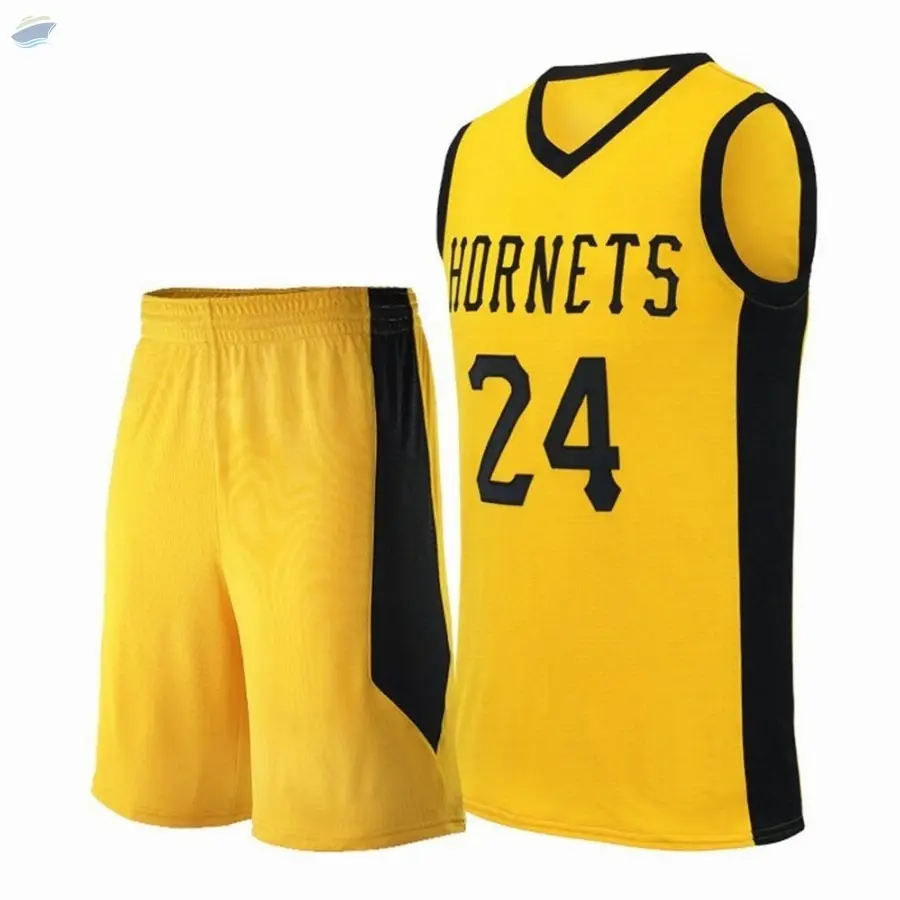
Laser Trading operates from Dhaka, Bangladesh and currently lists 47 active products in its catalogue. The portfolio covers a broad spectrum of garments and related textile accessories, ranging from basic T‑shirts and polo shirts to outerwear such as hoodies, jackets and windbreakers, as well as ancillary items like caps, hessian bags and shopping bags. Each entry is identified by a specific HS‑code within chapters 61, 62 or 63, reflecting the material construction noted in the catalogue. The supplier’s product count and HS‑code mapping provide a clear baseline for import classification.
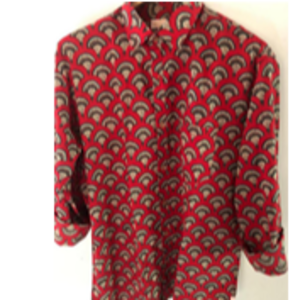
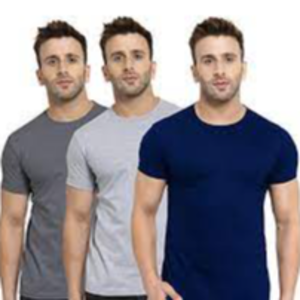
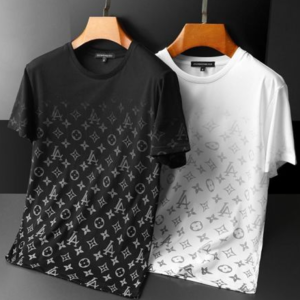
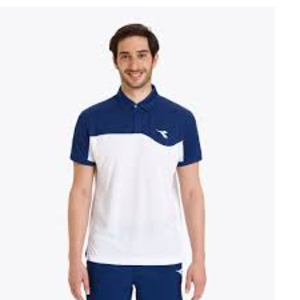
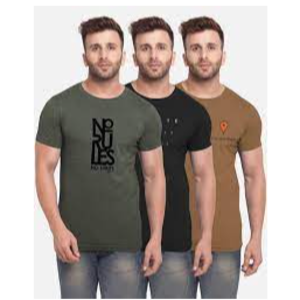
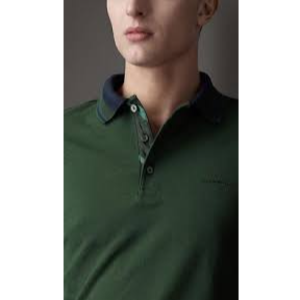
The garment segment includes cotton‑based T‑shirts (HS 6109.10), cotton‑polyester polo shirts (HS 6105.10), 100 % cotton knit hoodies (HS 6110.20) and woven cotton shirts (HS 6205.20). Denim trousers and jeans are listed under HS 6203.42 with a 98 % cotton, 2 % elastane composition, while outerwear such as polyester‑shell winter jackets (HS 6201.19) and nylon‑down puffer jackets (HS 6201.41) are also present. Non‑apparel items comprise aluminum alloy caps (HS 8309.90), natural jute hessian (HS 5307.10) and polypropylene shopping bags (HS 6307.90).
Product Range and Specialties of Laser Trading
The catalogue’s core apparel items follow industry standards for material weight and performance. Cotton T‑shirts and kids’ tees are typically produced in 150 - 180 gsm jersey with a thread count of 30 ne, while polo shirts often use 120 - 140 gsm piqué or jersey fabrics. Hoodies and sweatshirts in 100 % cotton knit are generally 260 - 300 gsm with a brushed interior finish. Denim trousers and jeans conform to 12 - 16 oz (≈340 - 450 gsm) denim twill, with a 2 % elastane stretch for comfort.
Outerwear such as windbreakers and puffer jackets are manufactured from polyester‑nylon blends that meet ASTM D6400 for recyclability and are insulated to a loft of 30 g/m³ for down fills. Accessories like caps are fabricated from aluminum alloy 8011, which complies with EN 573‑3 for chemical composition. The textile‑based packaging items - hessian and polypropylene sacking bags - are standard 100 % natural jute or woven PP with typical burst strength of 300 kPa. Buyers can expect these specifications to align with the HS‑code families indicated.
Trade and Export Information - Laser Trading
Bangladesh remains one of the world’s largest exporters of ready‑made garments, with the majority of shipments classified under HS chapters 61 and 62. Export volumes are directed to North America, the European Union, Australia and emerging Asian markets, matching the regions listed in the supplier’s profile. Importers usually require compliance with the EU REACH textile chemical restrictions, US CPSIA labeling for children’s wear, and the Asian Pacific Apparel Association (APAA) sizing guidelines.
Typical documentation includes a commercial invoice, packing list, certificate of origin and a lab‑test report covering colorfastness to wash (ISO 105‑C06), dimensional stability (AATCC 135) and fiber content (ISO 1833). Certifications commonly requested for Bangladeshi garment exporters are WRAP, BSCI and SEDEX, though the supplier’s own certification status is not listed and should be verified. Containers are generally loaded in 40‑ft high‑cube units, with a capacity of 20 000 - 25 000 T‑shirts or 2 000 - 2 500 denim jackets, depending on packaging density.
Sourcing from Laser Trading - Buyer Guidance
When sourcing from Laser Trading, buyers should request a detailed material specification sheet that confirms the exact cotton‑polyester ratios, yarn count and GSM for each garment type. Sample orders should be accompanied by test certificates for shrinkage (≤ 3 % after 5 washes), colorfastness (minimum 4‑grade rating) and, for children’s pajamas, compliance with flammability standards such as ASTM D1238.
Verification of the supplier’s factory compliance with WRAP, CTPAT or BSCI can be obtained through third‑party audit reports. Buyers are advised to confirm packaging details - e.g., polybag thickness of 30 µm for individual items and corrugated cardboard dimensions of 600 × 400 × 100 mm for bulk shipments - to ensure efficient loading in standard 40‑ft containers. Lead times for bulk orders of 10 000 + pieces typically range from 45 to 60 days after final artwork approval.
Frequently Asked Questions About Laser Trading
What garment products does Laser Trading list under HS chapter 61?
HS 61 covers knitted garments; Laser Trading lists T‑shirts (HS 6109.10), polo shirts (HS 6105.10), hoodies (HS 6110.20), kids’ T‑shirts (HS 6109.10) and windbreakers (HS 6101.30). Each item is described with its material composition, such as 100 % cotton or cotton‑polyester blends.
Which certifications are typically required for the apparel items in this catalogue?
Buyers usually request compliance certificates such as WRAP, BSCI or SEDEX audit reports, along with ISO 9001 quality management certification. Additional product‑specific certificates may include Oeko‑Tex Standard 100 for textile safety and REACH compliance for chemical content.
What is the standard material composition for the denim trousers and jeans?
The catalogue specifies denim trousers and jeans as 98 % cotton and 2 % elastane, woven in a denim twill structure. Typical weight for such denim ranges from 340 to 450 gsm, providing stretch and durability for both adult and children’s sizes.
How are the non‑apparel accessories such as caps and shopping bags classified?
Caps are classified under HS 8309.90 and are made from aluminum alloy grades 8011 or 3105. Shopping bags fall under HS 6307.90 and are constructed from Oxford‑style polyester fabric with a PEVA lining, commonly packaged in bulk rolls or flat packs.
What standard tests should be requested for children’s pajamas?
Children’s pajamas require a flammability test (ASTM D1238) and a colorfastness to wash test (ISO 105‑C06) with a minimum 4‑grade rating. Size measurement tolerance (± 2 cm) and dimensional stability after laundering (≤ 3 % shrinkage) are also standard verification points.
What packaging and container loading practices are common for these products?
Individual garments are typically poly‑bagged in 30 µm bags, then grouped into corrugated cartons of 600 × 400 × 100 mm. A 40‑ft high‑cube container can hold roughly 20 000 - 25 000 T‑shirts or 2 000 - 2 500 denim jackets, depending on carton stacking density.
What documentation is required for customs clearance of the listed goods?
Customs clearance generally requires a commercial invoice, packing list, certificate of origin and any applicable test reports (e.g., colorfastness, shrinkage). For children’s garments, additional safety certificates such as CPSIA compliance may be requested by importing authorities.




 , Bangladesh