Maghnouj — Supplier
About Maghnouj - Fresh Salmon Fish Supplier in Norway
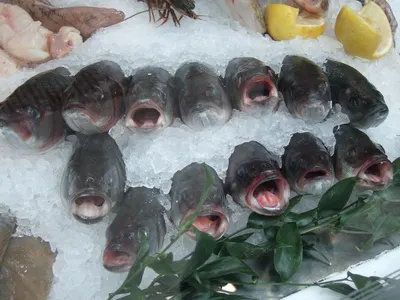
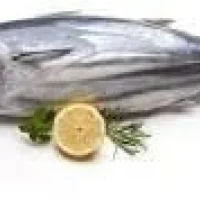
Norway hosts Maghnouj, a supplier that currently lists five active products across distinct commodity groups. The catalogue includes diesel, petrol and jet fuel under a single energy product line, two entries for Norwegian salmon (one labelled "Norwegian salmon" and another as "Salmon Fresh"), a broader entry for fresh Norwegian fish, and a commodity of salt. Each product is identified by its generic name without additional specifications in the supplied data.
The supplier’s top categories are Fresh Salmon Fish, Diesel, Fresh or Chilled Fish and Salt, reflecting a mix of food‑grade marine products and petroleum derivatives. The product list does not provide HS codes, grades or packaging details, so the description relies on the stated product names and the count of five distinct items.
Product Range and Specialties of Maghnouj
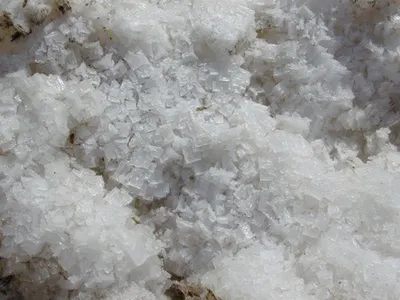
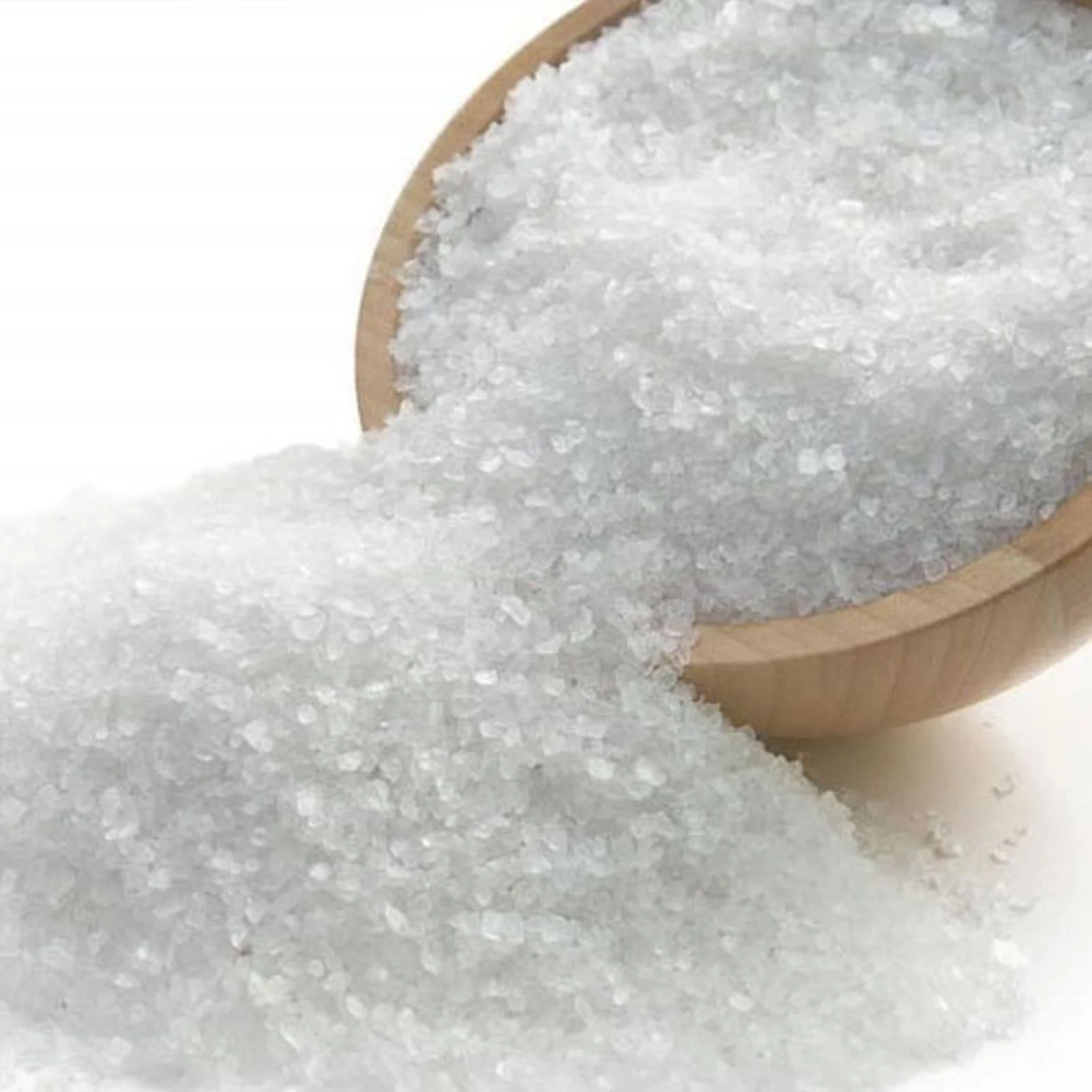
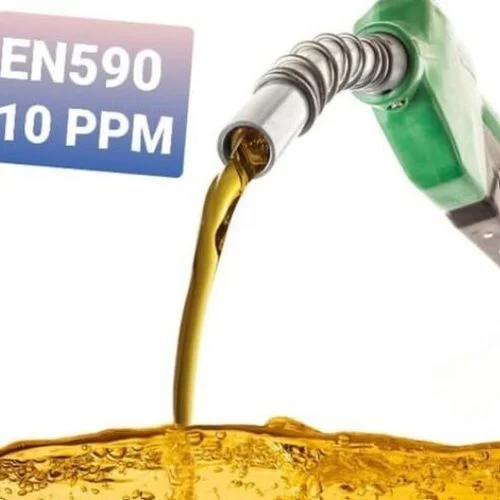
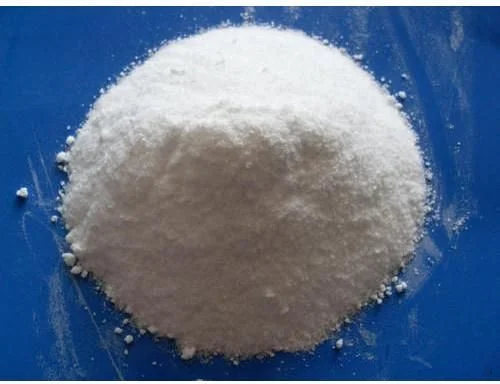
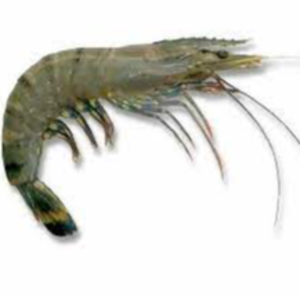
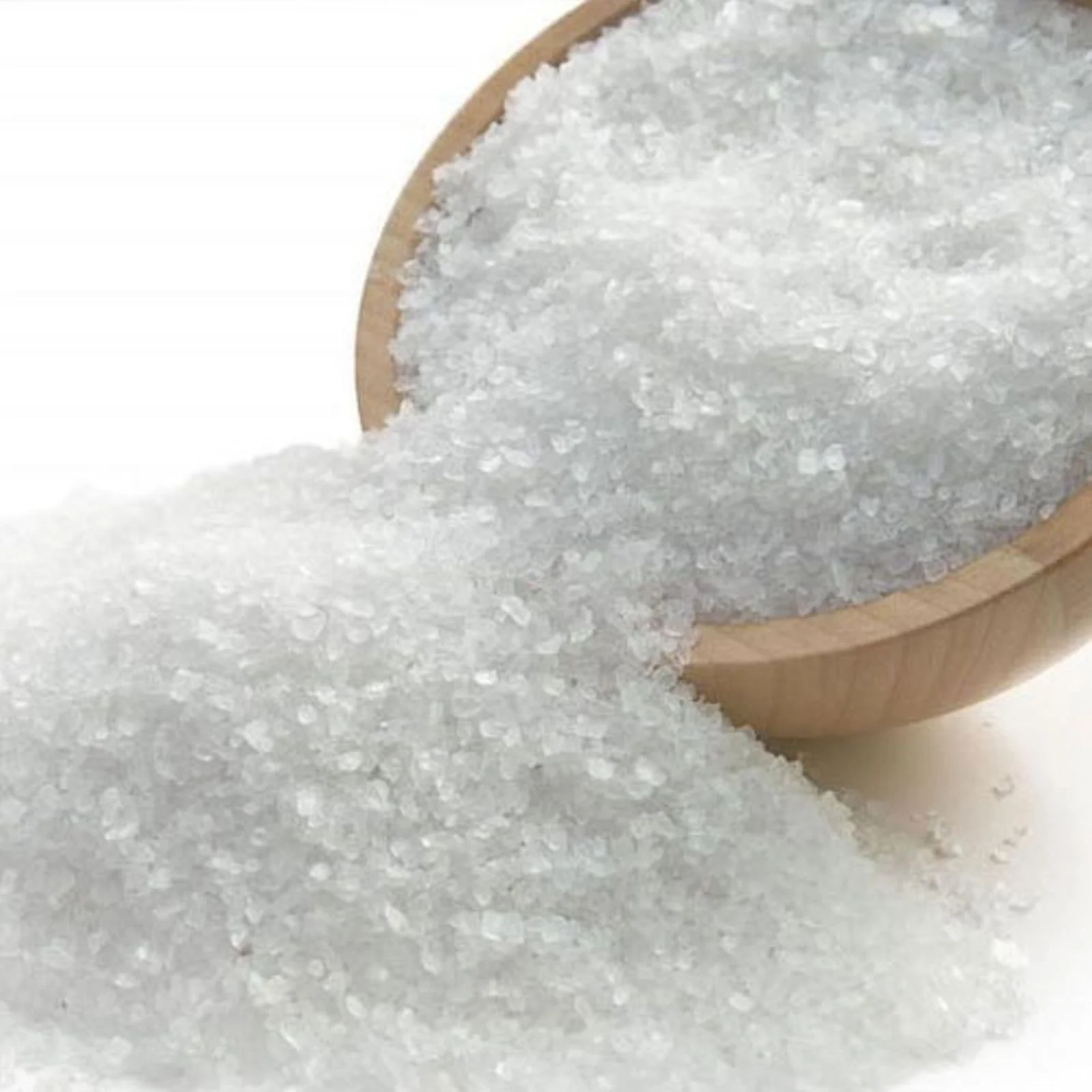
Maghnouj’s catalogue shows diesel, petrol and jet fuel, which in international trade fall under HS chapter 27 (e.g., HS 2710 for diesel and HS 2710 / 2711 for petrol). Typical specifications for diesel exported from Norway require compliance with the EN 590 standard, sulfur content ≤10 ppm and a cetane number of at least 51. Petrol (gasoline) usually follows EN 228 with an octane rating of 95 R+ or higher, while jet fuel conforms to ASTM D1655 or EN 15940 with a flash point above 38 °C. For the salmon and other fresh fish, HS chapter 03 (HS 0302 for salmon, HS 0303 for other fish) applies. Buyers often request MSC or ASC certification, a minimum fillet thickness of 10 mm, and a freshness indicator such as a temperature of ≤4 °C at delivery. The fish are commonly packed on ice in insulated boxes or vacuum‑sealed trays, with traceability documentation required for EU and Asian markets. Salt is classified under HS 2501 and is usually supplied as food‑grade crystal or iodized salt. Industry standards include ISO 15484 for purity (≥99.5 % NaCl) and low moisture content (<0.5 %). Packaging typically involves 25 kg food‑grade bags or bulk containers for industrial use.
Trade and Export Information - Maghnouj
Norwegian exporters of diesel, gasoline and jet fuel primarily ship to EU member states, the United Kingdom and the Middle East, using CFR or CIF terms and bulk tanker or ISO tank containers. The fuel sector routinely requires a Certificate of Analysis, a Material Safety Data Sheet and proof of compliance with the EU REACH regulation. HS 2710 / 2711 products are subject to customs inspections that verify sulfur content and density readings. Norwegian salmon and other fresh fish are among the EU’s top seafood imports, with significant demand in Japan, China and the United States. Export logistics generally involve refrigerated containers (20 ft or 40 ft reefers) maintaining 0‑4 °C, and buyers expect a health certificate issued by the Norwegian Food Safety Authority, along with HACCP compliance documentation. Salt exports are often directed to food processors in the EU and North Africa; bulk shipments use 25 kg bags or 20 ft containers, and buyers typically request a Certificate of Origin and a food‑grade analysis report.
Sourcing from Maghnouj - Buyer Guidance
When sourcing diesel, petrol or jet fuel from Maghnouj, request the latest EN 590 or EN 228 compliance certificate, a recent fuel quality analysis, and the applicable SDS. Verify the supplier’s ability to provide a consistent supply volume and confirm the preferred Incoterm (e.g., CIF Rotterdam) before finalising the contract. For salmon and other fresh fish, buyers should ask for a health certificate, HACCP compliance documentation, and any third‑party sustainability certification (MSC/ASC) that the supplier can provide. Samples are usually taken as ice‑packed portions, and buyers often require a laboratory analysis of bacterial count (e.g., total viable count < 5 × 10⁴ CFU/g) prior to shipment. Salt purchases should be accompanied by a food‑grade analysis report confirming ≥99.5 % NaCl purity, moisture content below 0.5 %, and compliance with ISO 15484. Request a Certificate of Origin and, where required, a phytosanitary certificate for bulk shipments. Verify packaging integrity (e.g., sealed 25 kg bags) before loading.
Frequently Asked Questions About Maghnouj
What HS codes are associated with Maghnouj’s diesel and gasoline products?
Diesel and gasoline exported from Norway are typically classified under HS 2710 (diesel fuel) and HS 2710 / 2711 (petrol). The supplier’s catalogue does not list specific codes, so buyers should confirm the exact HS code during the order process.
Which certifications are commonly required for Norwegian salmon imports?
Importers usually request MSC or ASC sustainability certification, a health certificate from the Norwegian Food Safety Authority, and HACCP compliance. Laboratory reports on bacterial load and freshness are also standard.
How is fresh Norwegian fish usually packaged for export?
Fresh fish is commonly packed in insulated boxes or refrigerated containers with ice or gel packs, maintaining a temperature of 0‑4 °C. Vacuum‑sealed trays are also used for higher‑value fillets.
What quality specifications apply to the salt product?
Food‑grade salt generally must meet ISO 15484, with NaCl purity of at least 99.5 % and moisture below 0.5 %. Buyers often ask for a laboratory analysis report confirming these parameters.
What documentation should I request before purchasing jet fuel?
Ask for a current fuel quality certificate (e.g., EN 590 compliance for diesel, ASTM D1655 for jet fuel), an up‑to‑date Safety Data Sheet, and proof of compliance with REACH or equivalent regulations.
What are typical minimum order quantities and lead times for salmon shipments?
Minimum order quantities vary but often start at a full container load (≈20 tons). Lead times from Norway to Europe are typically 7‑10 days after order confirmation, depending on logistics and customs clearance.
Which Incoterms are most commonly used for salt exports from Norway?
CFR (Cost and Freight) to the destination port or CIF (Cost, Insurance, Freight) are frequently used for bulk salt shipments, allowing the buyer to arrange inland transport.
How can I verify the purity of the salt before shipment?
Request a recent laboratory analysis report that includes NaCl percentage, moisture content, and any contaminant limits. The report should be issued by an accredited testing laboratory.




 , Norway