Maakha Co — Supplier
About Maakha Co - Coffee Beans Supplier in Indonesia
Maakha Co operates from Indonesia and currently lists five active coffee‑bean products in its catalogue. The company focuses on Coffee Beans and Arabica Coffee, reflecting its placement in the top‑category list. Its catalogue includes Manggarai green bean coffee (red honey), Green Beans Arabica Gayo Coffee, Arabica Green Coffee Beans Lintong Coffee, Arabica Green Coffee Beans Mandheling Coffee, and Arabica Green Beans Toraja Coffee. One entry - Arabica Green Coffee Beans Lintong Coffee - is identified with HS code 0901.11 and described as raw Arabica coffee beans (unroasted). The remaining four products are listed without specific HS codes but fall under the same HS‑1‑code family for green coffee beans.
Product Range and Specialties of Maakha Co
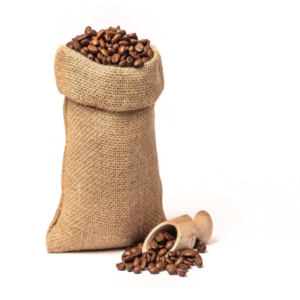
The five products cover several well‑known Indonesian origins: Manggarai (Flores), Gayo (Aceh), Lintong (Sumatra), Mandheling (Sumatra), and Toraja (Sulawesi). In the specialty coffee market, green beans from these regions are typically graded by screen size (16‑18 mm) and moisture content (10‑12 %). Buyers often look for a cupping score of 80 points or higher for premium Arabica. Standard export packaging for Indonesian green coffee is 60 kg jute bags, sometimes stacked in 40‑ft containers holding roughly 600 bags. Industry specifications also reference the “red honey” processing method for Manggarai beans, which retains more mucilage and yields a sweeter flavor profile.
Trade and Export Information - Maakha Co
Indonesia is the world’s second‑largest exporter of green coffee beans, with the majority shipped to the European Union, the United States, and Japan. Green coffee beans fall under HS Chapter 09, specifically heading 0901 for coffee, beans, whether or not roasted. Buyers typically require phytosanitary certificates, a certificate of origin, and often request compliance with ISO 22000 or Fairtrade standards for food safety and ethical sourcing. Common Incoterms used by Indonesian exporters include FOB Jakarta or CIF destination ports, and containers are loaded on roll‑on/roll‑off vessels with temperature‑controlled storage to preserve bean quality. Export logistics also involve moisture‑proof liners inside the jute bags and bulk handling equipment at major ports such as Jakarta and Surabaya.
Sourcing from Maakha Co - Buyer Guidance
When sourcing from Maakha Co, buyers should request a recent cupping report, moisture analysis, and screen‑size grading for each coffee origin. It is advisable to ask for a phytosanitary certificate and, if required by the destination market, proof of compliance with certifications such as Fairtrade, Organic, or ISO 22000. Samples are usually shipped in 5‑kg sealed bags to allow laboratory testing before a full order is placed. Verify the HS code (0901.11 for Lintong coffee) and confirm packaging dimensions to ensure compatibility with container loading plans.
Frequently Asked Questions About Maakha Co
What coffee origins does Maakha Co list in its catalogue?
The catalogue includes Manggarai (red honey process), Gayo, Lintong, Mandheling, and Toraja Arabica green beans, each sourced from distinct Indonesian regions.
Which product in the catalogue has an HS code listed?
Arabica Green Coffee Beans Lintong Coffee is listed with HS code 0901.11, which covers raw (unroasted) Arabica coffee beans.
What typical specifications should I check for these green beans?
Buyers usually verify screen size (16‑18 mm), moisture content (10‑12 %), and cupping score (≥ 80 points) for specialty Arabica beans.
What certifications are commonly required for Indonesian green coffee?
Importers often request ISO 22000 food‑safety certification, Fairtrade or Rainforest Alliance ethical‑trade certificates, and an organic certificate if the beans are marketed as organic.
What is the usual packaging for the listed coffee beans?
Green beans are commonly packed in 60 kg jute bags, sometimes placed in moisture‑proof inner liners, and stacked in 40‑ft containers for bulk shipment.
What documents should I request before placing an order?
Ask for a phytosanitary certificate, certificate of origin, recent cupping report, and any applicable certification copies (e.g., Fairtrade, ISO 22000).
What are typical minimum order quantities and lead times?
Exporters often set a minimum order of one 40‑ft container (approximately 600 bags) with lead times ranging from 30 to 45 days after order confirmation, depending on harvest season.
How can I obtain a sample of the coffee beans?
Samples are usually provided in 5‑kg sealed bags; request a sample quote and specify the desired origin to receive a representative batch for testing.




 , Indonesia