LYBRAND VENTURES — Verified Supplier
About LYBRAND VENTURES - Shea Butter Supplier in Ghana
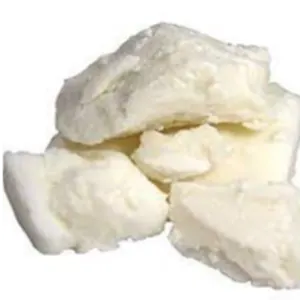
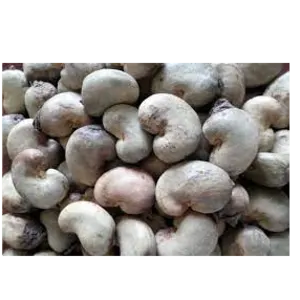
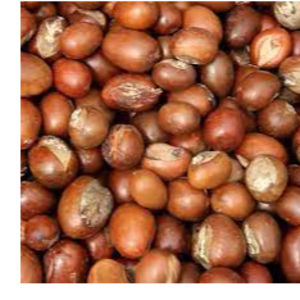
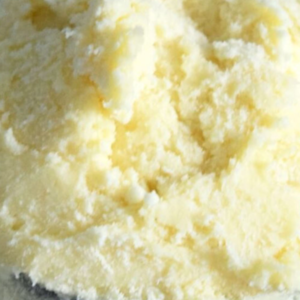
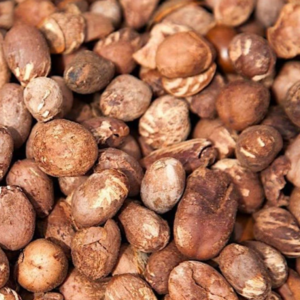
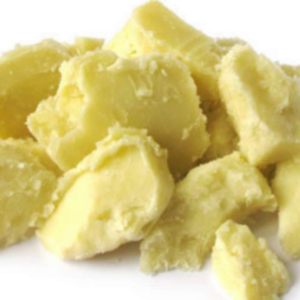
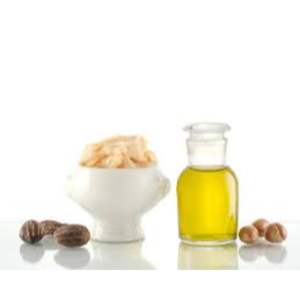
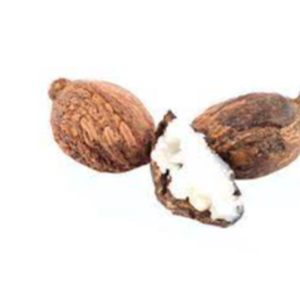
Ghana‑based LYBRAND VENTURES lists six active products across nut, seed and butter categories. The catalogue includes raw cashew nuts (HS 0801.31), 100 % natural Ghanaian shea butter (HS 1515.90), dried shea kernels (HS 1207.99), shea cake/meals (HS 2306.90), dried fermented locust beans (HS 0713.90) and cocoa butter (HS 1804.00). Each entry specifies the botanical material, for example Anacardium occidentale for cashews and Vitellaria paradoxa for shea products. The supplier is classified as an “organic” tier within its trade platform, indicating a focus on organically produced commodities. The product list reflects Ghana’s agricultural output of shea, cocoa, nuts and legumes, all of which are common export items from the region.
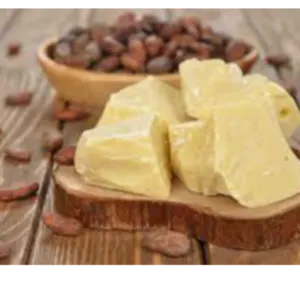
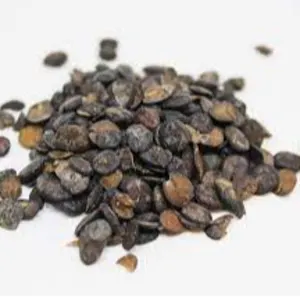
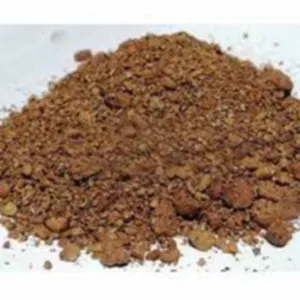
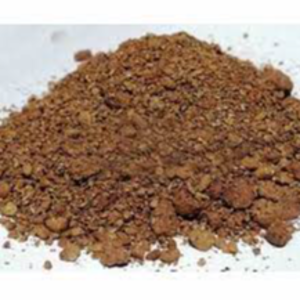
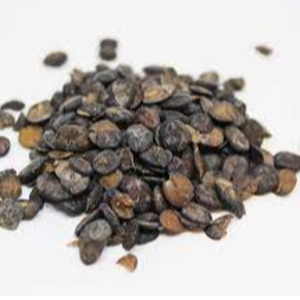
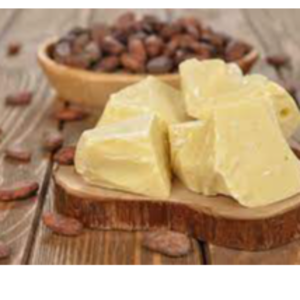
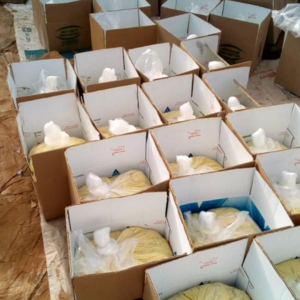
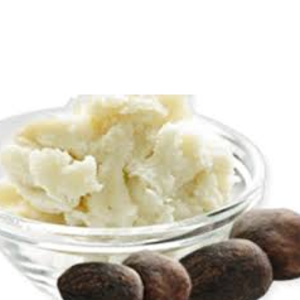
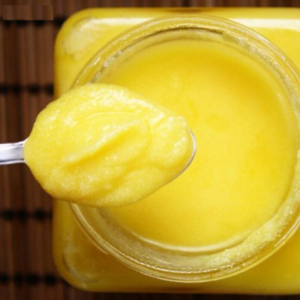
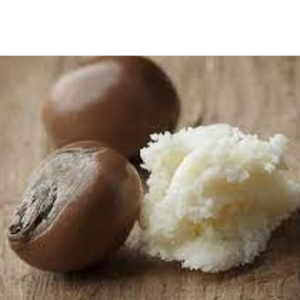
The six items cover both primary raw commodities and processed by‑products. Raw cashew nuts are supplied in‑shell, while shea butter is described as unrefined and 100 % natural. The shea cake/meals are protein‑rich oilcakes derived from shea nut processing. Locust beans (da wadawa) are presented as dried fermented seeds, a traditional protein source. Cocoa butter is listed as vegetable fat derived from cocoa beans. Together these products illustrate LYBRAND VENTURES’ focus on Ghanaian oil‑seed and nut commodities for international markets.
Product Range and Specialties of LYBRAND VENTURES
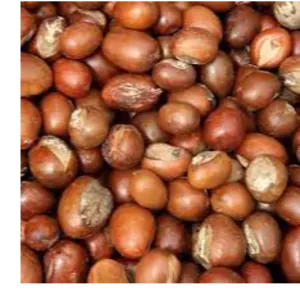
The catalogue spans three major commodity families: oil‑seed nuts (raw cashew, shea kernels and cake), plant‑based fats (shea butter, cocoa butter) and legume‑type seeds (locust beans). In the global market, raw cashew nuts are typically graded A‑A2 with moisture below 5 % and a shell‑to‑kernel ratio around 2.5 : 1. Shea butter is commonly evaluated for free fatty acid content under 0.5 % and moisture under 5 %, with organic batches requiring certified organic status. Shea kernels are sorted by size (large > 5 mm) and oil content around 45‑50 %. Shea cake/meals are sold as high‑protein oilcakes with protein levels near 30 % and low residual oil. Locust beans are fermented to develop flavor and are usually graded for moisture below 12 % and aflatoxin limits under 10 µg/kg. Cocoa butter must meet melt‑point specifications of 34‑38 °C and impurity limits below 0.1 %.
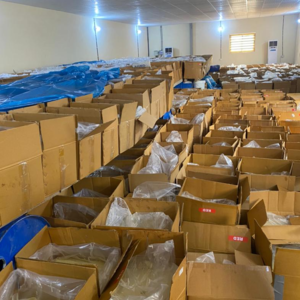
Industry practice for these categories includes ISO 22000 food safety management, HACCP plans, and for organic products, certification under EU‑organic (Reg 834/2007) or U.S. NOP. Export packs often use food‑grade polypropylene bags (25 kg) for nuts and butter in bulk, or 20 ft containers with temperature‑controlled ventilation for cocoa butter.
Trade and Export Information - LYBRAND VENTURES
Ghana is a leading exporter of shea butter, cocoa products and cashew nuts to the European Union, United States and Middle‑East markets. HS 0801.31 cashews, HS 1515.90 shea butter and HS 1804.00 cocoa butter fall under Chapter 08, 15 and 18 respectively, each subject to phytosanitary certificates and, where applicable, organic verification. Buyers typically request a phytosanitary certificate, a certificate of origin, and, for organic tiers, an accredited organic certificate (e.g., EU organic, USDA‑NOP). The region’s export logistics favour 20‑ft and 40‑ft containers, with refrigerated containers (reefers) used for cocoa butter to maintain melt‑point stability during transit. Ghanaian exporters often work with freight forwarders familiar with EU customs duties for shea and cocoa, which may include anti‑dumping duties for raw nuts.
Typical importers of these Ghanaian commodities include food manufacturers, cosmetic formulators and confectionery producers. Regulatory checks frequently involve residue testing for pesticides (maximum residue limits aligned with Codex Alimentarius) and aflatoxin screening for nuts and beans. Buyers should verify that the supplier can provide a full set of documents: phytosanitary certificate, organic certification, lab analysis reports for moisture, free fatty acids (for butter) and aflatoxin levels (for nuts and beans).
Sourcing from LYBRAND VENTURES - Buyer Guidance
When sourcing from LYBRAND VENTURES, request the latest laboratory analysis for each commodity, covering moisture, free fatty acid (for shea and cocoa butter), oil content (for nuts) and aflatoxin levels (for cashews and locust beans). Verify that any organic claim is backed by a current certificate from an accredited body and that the supplier can supply a phytosanitary certificate for each shipment. Confirm packaging details - 25 kg food‑grade polypropylene bags for nuts and butter, or bulk tank containers for cocoa butter - and ensure the agreed Incoterm (e.g., CIF EU port) includes appropriate temperature control if needed.
Before placing a first order, ask for a reference sample and a detailed specification sheet that lists grade, moisture, oil content and any test methods used (e.g., AOAC, ISO). Cross‑check the sample results against the supplier‑provided lab report; consistent values indicate reliable quality control. Finally, confirm the lead time for each product - raw cashews and shea nuts typically require 2‑3 weeks for harvest‑to‑shipment, while processed butter may need additional 1‑2 weeks for refining and packaging.
Frequently Asked Questions About LYBRAND VENTURES
What HS code applies to the raw cashew nuts offered by LYBRAND VENTURES?
The raw cashew nuts (in‑shell) are classified under HS 0801.31, which covers cashew nuts, raw or roasted, in the shell.
Which certification should a buyer request for the shea butter?
Buyers should request an accredited organic certification (e.g., EU‑organic or USDA‑NOP) together with a phytosanitary certificate and a lab report showing free fatty acid content below 0.5 %.
What are the typical moisture limits for shea kernels and shea cake?
Standard industry specifications limit moisture to 5 % for shea kernels and to 12 % for shea cake/meals, to prevent mold growth during storage.
How is cocoa butter usually shipped to maintain its quality?
Cocoa butter is commonly packed in bulk insulated tanks or temperature‑controlled containers and shipped under refrigerated conditions to keep the melt point between 34 °C and 38 °C.
What laboratory tests are important for locust beans?
Key tests include moisture content (should be under 12 %), aflatoxin levels (below 10 µg/kg) and microbial counts, all documented in an AOAC‑compliant report.
What packaging is standard for the raw cashew nuts and shea butter?
Both raw cashew nuts and shea butter are typically packed in 25 kg food‑grade polypropylene bags, which are then palletized for container loading.
Which markets commonly import Ghanaian shea products?
The European Union and United States are the main importers of Ghanaian shea butter and shea kernels, often for cosmetic and food applications.
What documentation is required for customs clearance of these Ghanaian commodities?
Customs usually requires a certificate of origin, a phytosanitary certificate, any organic certification claimed, and a recent lab analysis confirming compliance with moisture, oil content and contaminant limits.




 , Ghana