Khadesh Global Integrated Services Limited — Verified Suppliers
About Khadesh Global Integrated Services Limited - Shea Butter Supplier in Nigeria
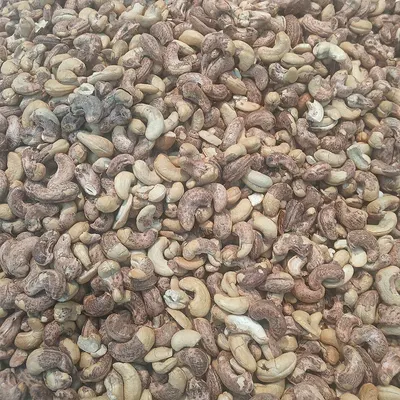
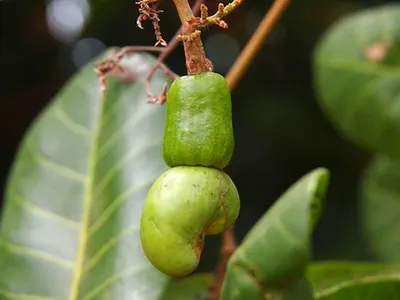
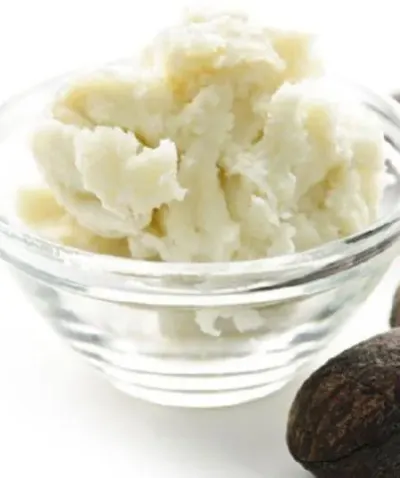
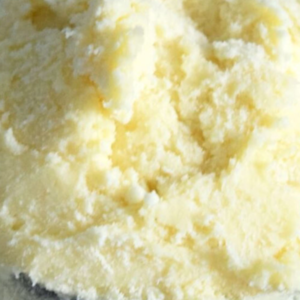
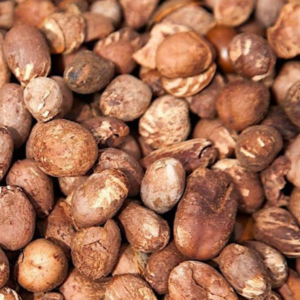
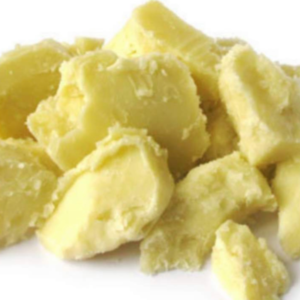
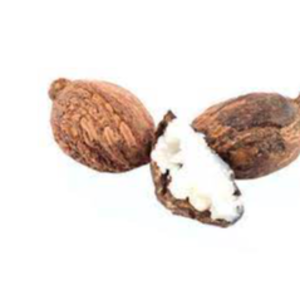
Khadesh Global Integrated Services Limited operates from the Federal Capital Territory of Nigeria and currently lists five distinct products for export. The catalogue includes raw shea butter, dried hibiscus flowers, sesame seeds, and both raw cashew nuts and raw cashew kernels, reflecting a focus on agricultural commodities. Each product falls under standard HS‑code families used for customs classification, such as shea butter (HS 1515), dried hibiscus flowers (HS 1211), sesame seeds (HS 1207) and cashew nuts/kernels (HS 0801). The company’s profile notes activity in both agricultural and solid mineral sectors, positioning it as a diversified exporter from Nigeria.
The listed items correspond to well‑defined commodity groups in global trade. Raw shea butter is typically graded for oil content above 95 % and moisture below 0.5 %, while dried hibiscus flowers are assessed for colour intensity and microbial limits. Sesame seeds are usually exported with a maximum foreign matter content of 1 % and an oil extraction rate around 50 %. Cashew nuts and kernels are evaluated for shell‑to‑kernel ratio, moisture under 5 %, and aflatoxin levels below regulatory limits. These specifications align with the HS codes and are common requirements in international procurement.
Product Range and Specialties of Khadesh Global Integrated Services Limited
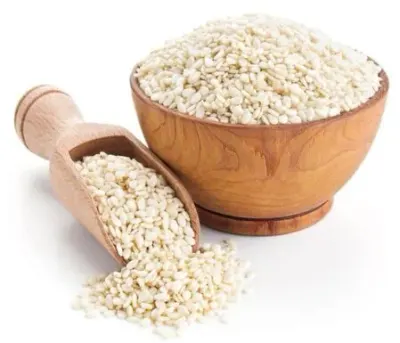
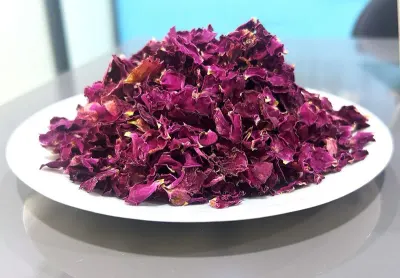
The supplier’s catalogue covers four commodity families: raw shea butter, dried hibiscus flowers, sesame seeds, and cashew nuts/kernels. In the shea butter market, buyers often request grades such as "extra‑pure" with free fatty acid (FFA) levels below 0.5 % and peroxide values under 10 meq O₂/kg. Dried hibiscus flowers are commonly sold in 25 kg or 50 kg bags, with colour grades ranging from deep crimson (grade A) to lighter shades (grade B), and standard moisture limits of 12 % maximum. Sesame seeds are exported in 20 ft containers holding roughly 18 tonnes, with typical specifications of 48‑50 % oil content and a hull‑to‑seed ratio under 5 %. Cashew nuts and kernels are shipped in 20 ft or 40 ft containers, with kernel grades defined by size (e.g., 12 mm + ) and moisture below 5 %. These industry benchmarks help buyers compare offers across suppliers.
Trade and Export Information - Khadesh Global Integrated Services Limited
Nigeria’s agricultural export profile emphasizes commodities such as shea butter, spices, oilseeds and nuts, with the European Union, United States and Middle‑East regions accounting for the largest share of demand. HS‑code 1515 (shea butter) is routinely inspected under the EU’s REACH framework, while HS‑code 1207 (sesame seeds) often requires a phytosanitary certificate and compliance with the Codex Alimentarius maximum pesticide residue limits. Dried hibiscus flowers (HS 1211) are subject to moisture and microbial standards, and cashew nuts/kernels (HS 0801) frequently need fumigation certificates and verification of aflatoxin levels below 10 µg/kg for EU markets. Export logistics typically involve containerised freight, with 20 ft containers holding up to 18 tonnes of oilseeds and 40 ft containers accommodating up to 35 tonnes of nuts. Buyers should confirm the supplier’s ability to provide ISO 22000 or HACCP documentation, which are standard for food‑grade agricultural exports from Nigeria.
Sourcing from Khadesh Global Integrated Services Limited - Buyer Guidance
When sourcing from Khadesh Global Integrated Services Limited, buyers should request a recent phytosanitary certificate and, where applicable, an organic certification document to verify the supplier’s organic tier status. Samples should be evaluated for the specific quality parameters mentioned in the range section - FFA and peroxide values for shea butter, colour grade and moisture for hibiscus flowers, oil content and hull percentage for sesame seeds, and moisture plus aflatoxin limits for cashew nuts/kernels. It is advisable to obtain a lab‑test report based on ISO 17025 standards before confirming large orders, and to verify that packaging meets the buyer’s destination requirements, such as food‑grade polyethylene bags for seeds or vacuum‑sealed packs for nuts.
Frequently Asked Questions About Khadesh Global Integrated Services Limited
What HS codes are used for the products offered by Khadesh Global Integrated Services Limited?
The catalogue aligns with standard HS classifications: raw shea butter under HS 1515, dried hibiscus flowers under HS 1211, sesame seeds under HS 1207, and cashew nuts/kernels under HS 0801.
Which quality specifications should I check for raw shea butter?
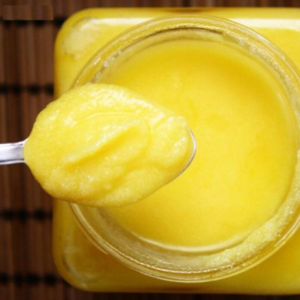
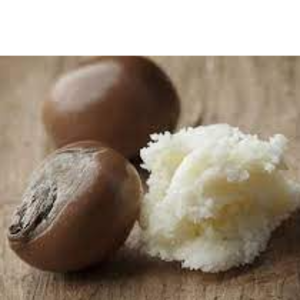
Buyers typically look for oil content above 95 %, free fatty acid (FFA) below 0.5 %, moisture under 0.5 % and peroxide values under 10 meq O₂/kg.
How are dried hibiscus flowers evaluated for export?
The common criteria are colour grade (A‑deep crimson, B‑lighter), moisture not exceeding 12 %, and compliance with microbial limits such as total plate count below 10⁴ CFU/g.
What are the standard parameters for sesame seeds?
Key parameters include oil content of 48‑50 %, foreign matter under 1 %, moisture below 5 % and a hull‑to‑seed ratio under 5 %.
What certifications are normally required for cashew nuts and kernels?
International buyers often request a phytosanitary certificate, aflatoxin test results below 10 µg/kg, and evidence of ISO 22000 or HACCP food‑safety compliance.
What packaging formats are typical for these commodities?
Shea butter is usually packed in 25 kg food‑grade drums, hibiscus flowers in 25‑50 kg woven bags, sesame seeds in 20 ft containers with bulk bags, and cashew nuts/kernels in 20 ft or 40 ft containers using vacuum‑sealed polyethylene bags or sturdy jute sacks.
Which markets most frequently import these Nigerian commodities?
The European Union, United States and Middle‑East are the primary import regions for shea butter, hibiscus flowers, sesame seeds and cashew products from Nigeria.
What documentation should I request before placing a large order?
Buyers should ask for the latest phytosanitary certificate, any organic certification if required, a recent ISO 17025 lab test report covering the relevant quality parameters, and packaging specifications matching the destination’s regulations.





 , Nigeria